 Greek Images are for illustrative purposes only, may be inaccurate, and do not guarantee the presence or absence of specific ingredients.
  Serving Images are for illustrative purposes only, may be inaccurate, and do not guarantee the presence or absence of specific ingredients.
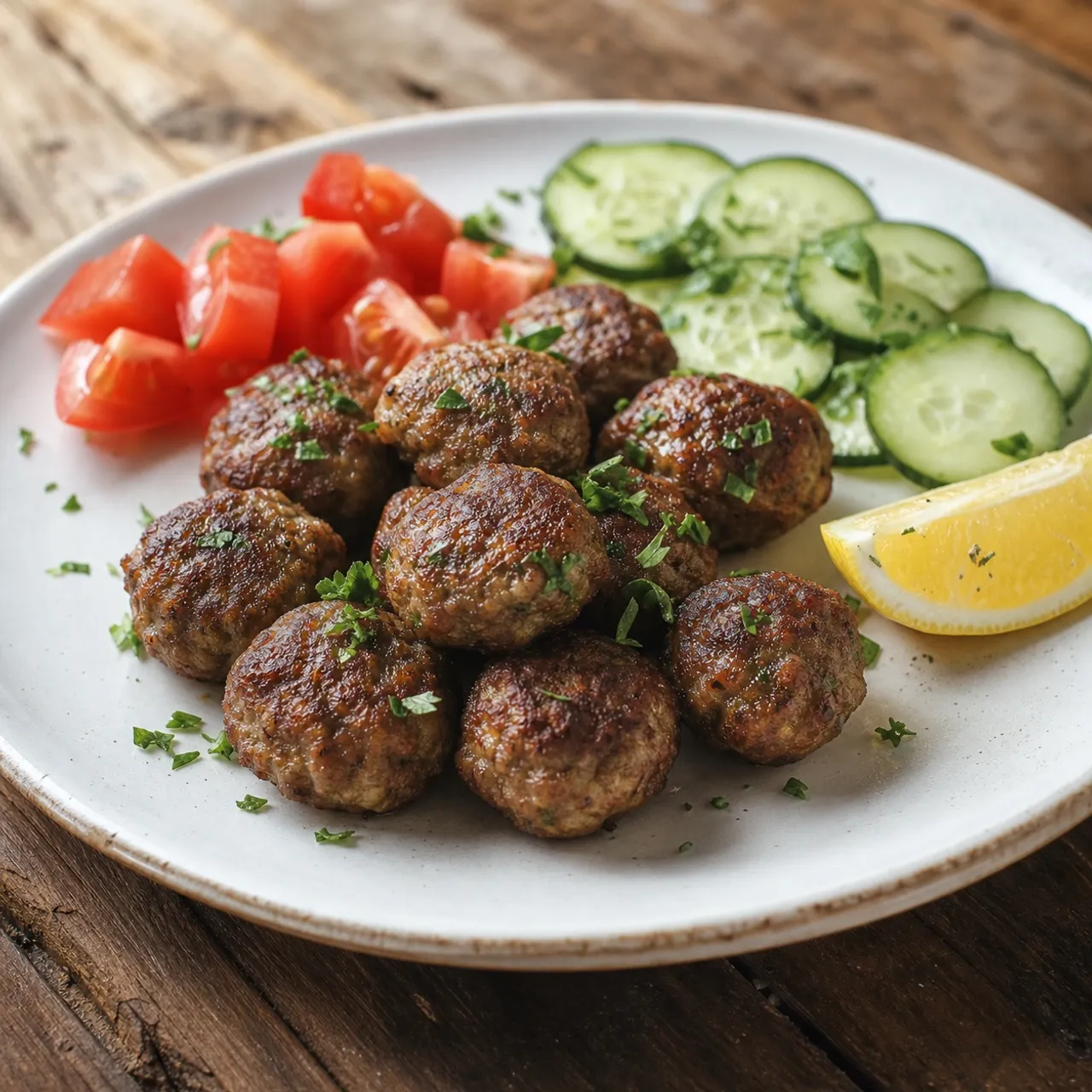
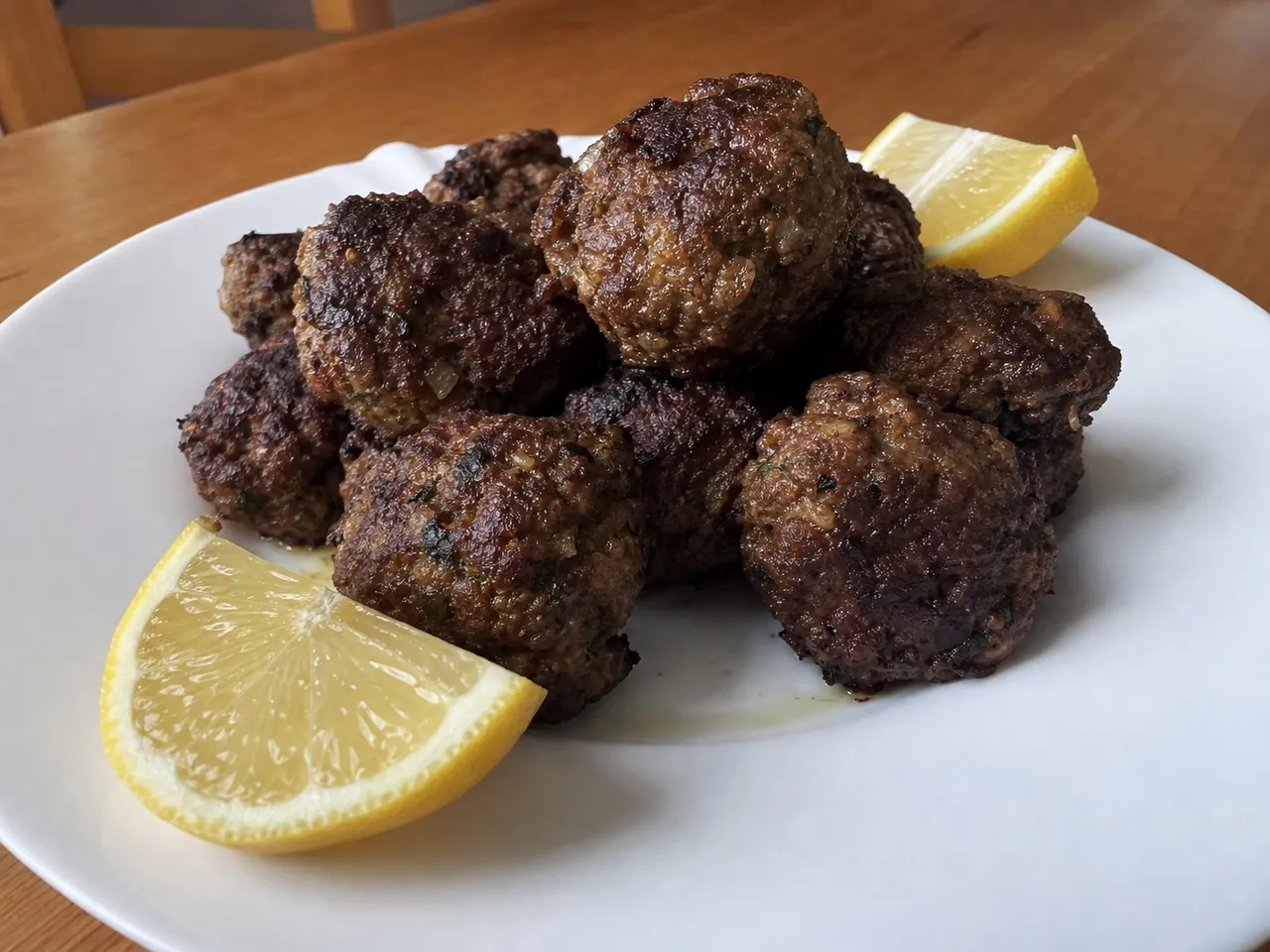
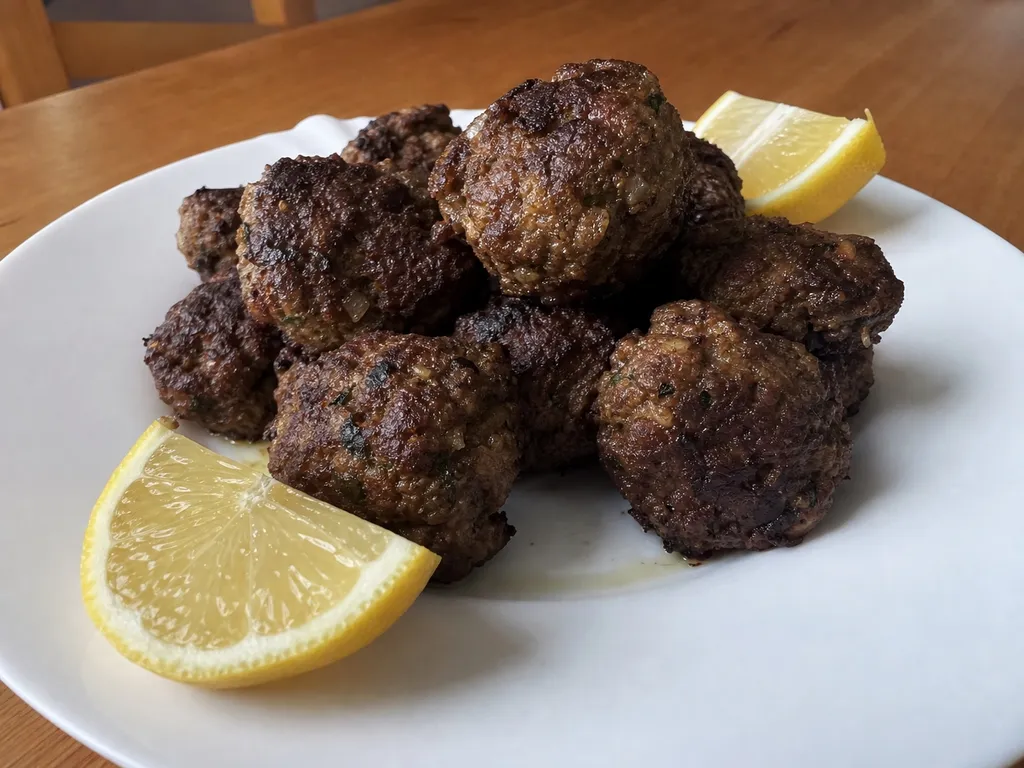
 Keftedes (Greek Meatballs)
Herbed ground beef and pork meatballs with mint and oregano, pan-fried until crisp outside and juicy inside.
Contains common allergens
In the app, Listahan checks these against your household automatically.
Good to know
- Crispy
Matched from this dish's own ingredients and timing. Browse more: crispy recipes
Instructions
6 steps- 1
Soak the torn bread in milk for a few minutes, then squeeze out the excess liquid and crumble it into a large bowl.
- 2
Add ground beef, ground pork, grated onion, garlic, egg, mint, parsley, oregano, salt, and pepper, and mix gently until just combined.
- 3
Cover and refrigerate the mixture for 20-30 minutes to firm up.
- 4
Shape the mixture into small balls, about 1.5 inches, and roll each in flour, shaking off the excess.
- 5
Heat olive oil in a skillet over medium heat and fry the meatballs in batches, turning occasionally, until golden brown and cooked through, about 8-10 minutes.
- 6
Drain on paper towels and serve warm with lemon wedges or tzatziki.
 Images are for illustrative purposes only, may be inaccurate, and do not guarantee the presence or absence of specific ingredients.
 Listahan Family Score™
72/100
Good fit for most families
Score reflects how well this recipe fits a typical busy household. In the app, your Family Score is personalized to your household's allergens, kids, and pantry.
Nutrition
per serving375
Calories
33 g
Protein
13 g
Carbs
20 g
Fat
Estimated per serving. Actual values depend on the brands and portions you use.
Listahan cooking guide
Chef notes & practical guide
Technique notes, ingredient swaps, serve-alongside ideas, storage guidance, and equipment for this recipe.
Cultural context
Keftedes belong to a wide Mediterranean family of spiced, fried meatballs (the name shares roots with the Persian kofta), and in Greece they're a taverna staple served as part of a mezze spread rather than a main course centered around pasta or rice.
Listahan note
This version uses a milk-soaked bread panade and a rest in the fridge before frying, which keeps the meatballs tender despite a lean beef-and-pork mix.
Technique cues
- Soaking bread in milk rather than using dry breadcrumbs adds moisture that bastes the meat from the inside as it fries, which is what keeps these meatballs from drying out.
- Grating the onion instead of dicing it releases its juice directly into the mixture and lets it disappear into the texture rather than leaving crunchy raw bits.
- Chilling the shaped mixture before frying firms the fat so the meatballs hold their shape in hot oil instead of spreading flat.
Kitchen flow
- Parallel prep
- Soak the bread in milk while you grate the onion and mince the garlic, so the panade is ready the moment you're mixing the meat.
- Make-ahead
- Shape the meatballs and refrigerate up to a day ahead, uncooked, they actually benefit from the extra chill time before frying.
- Leftover move
- Warm leftover keftedes gently in a covered skillet with a splash of water, this steams them back to tender rather than drying them further.
- Cleanup rhythm
- Set up a dredging station with the flour in a shallow dish and keep one hand dry throughout, this avoids building up a thick, gluey coating on your fingers.
Ingredient brief
Role, handling, and swap guidance for each key ingredient.
ground beef and pork
the base protein
Purpose: the combination gives more flavor and moisture than beef alone, since pork's higher fat content keeps the mixture from drying out during frying
Handling: mix gently by hand just until combined, overworking the meat makes the keftedes dense instead of tender
Adaptation: all beef works fine if pork isn't available, just watch for dryness and consider adding a touch more olive oil to the mix
bread soaked in milk
panade for tenderness
Purpose: it's the classic trick that keeps ground-meat mixtures moist and light rather than compact and tough
Handling: tear the crustless bread into pieces, soak in milk for a few minutes, then squeeze out excess liquid before crumbling it in
Adaptation: a gluten-free bread works the same way for households avoiding wheat; stale bread actually soaks up milk more evenly than fresh
grated onion
moisture and sweetness
Purpose: grating (rather than dicing) releases the onion's juice directly into the meat, seasoning it from within as it cooks
Handling: grate on the large holes of a box grater directly over the bowl to catch all the juice
Adaptation: very finely minced shallot is a milder substitute if raw onion is too sharp for the household
fresh mint and dried oregano
the herb signature
Purpose: mint alongside oregano is what makes these taste distinctly Greek rather than like a generic Italian meatball
Handling: chop the mint fine and add both herbs directly to the meat mixture before shaping
Adaptation: fresh oregano can replace dried in a larger quantity, about three times as much; don't skip the mint entirely, it's part of what defines the dish
egg
binder
Purpose: it holds the meat, bread, and herbs together so the meatballs don't fall apart when turned in the pan
Handling: beat lightly before folding into the rest of the mixture
Adaptation: for an egg-free version, an extra tablespoon of soaked bread can help bind, though the mixture will be slightly more delicate to handle
Technique notes
- Test the seasoning by frying a small patty of the raw mixture first, this lets you adjust salt or herbs before committing the whole batch to the pan.
- Fry in batches and don't crowd the pan, overcrowding drops the oil temperature and the meatballs steam rather than develop a crisp crust.
- Turn the meatballs only once or twice during frying, constant flipping breaks the crust before it has time to set.
Ingredient swaps
- Dairy-free direction
- Swap the milk for an unsweetened plant milk when soaking the bread, the panade technique works the same way.
- Gluten-free direction
- Use gluten-free bread for the panade and a gluten-free flour blend for the dredge; both substitute at the same quantities.
- Lower-fat direction
- Use all lean ground beef or turkey and bake at 400F on a lined sheet instead of frying, turning once, for a lighter version.
Serve alongside
- tzatziki
- Greek salad
- lemon potatoes
- warm pita
- retsina or another dry Greek white
- a light red wine
- sparkling water with lemon
Serving suggestions only — check pairings for your household's allergens.
Storage & reheating
- Keeps refrigerated in an airtight container for up to 3 days.
- Reheat gently in a covered skillet with a splash of water rather than the microwave, which can toughen them.
- Freeze cooked meatballs for up to 2 months; thaw in the fridge before reheating.
Equipment
- large mixing bowl
- box grater
- heavy skillet
- tongs
Make this household-aware
Listahan Pro checks this recipe against your household's allergens, finds pantry-aware swaps, builds the shopping list, and helps you plan the week around it.
Plan it in Listahan
Add Keftedes (Greek Meatballs) to your week, check it against your household's allergens, and build the shopping list automatically.
More Greek recipes
 Greek Lens Verified Images are for illustrative purposes only, may be inaccurate, and do not guarantee the presence or absence of specific ingredients.
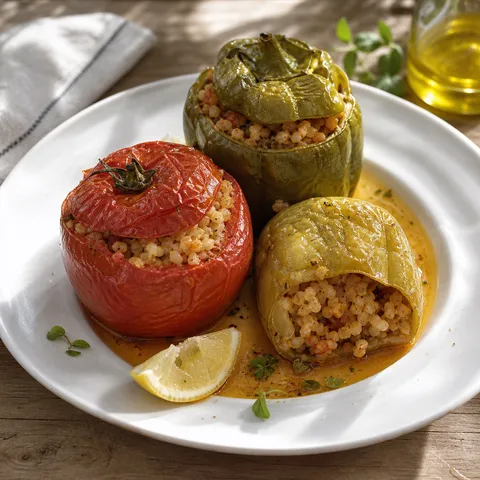
 Gemista (Stuffed Tomatoes and Peppers with Rice)
Ripe tomatoes and bell peppers hollowed out and stuffed with a savory herbed rice filling, then baked until tender and caramelized.
 Greek Lens Verified Images are for illustrative purposes only, may be inaccurate, and do not guarantee the presence or absence of specific ingredients.
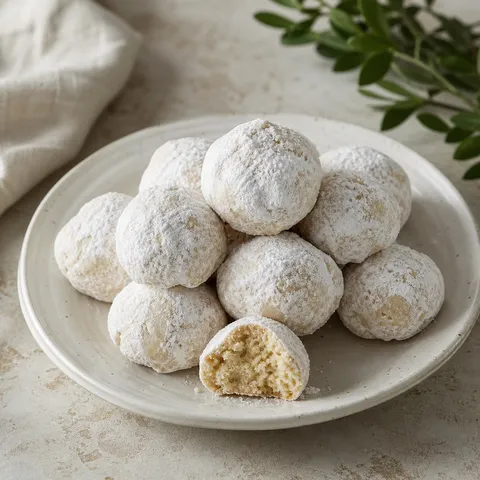
 Kourabiedes (Greek Almond Butter Cookies)
Buttery, crumbly shortbread cookies studded with toasted almonds and generously dusted with powdered sugar.
 Greek Lens Verified Images are for illustrative purposes only, may be inaccurate, and do not guarantee the presence or absence of specific ingredients.
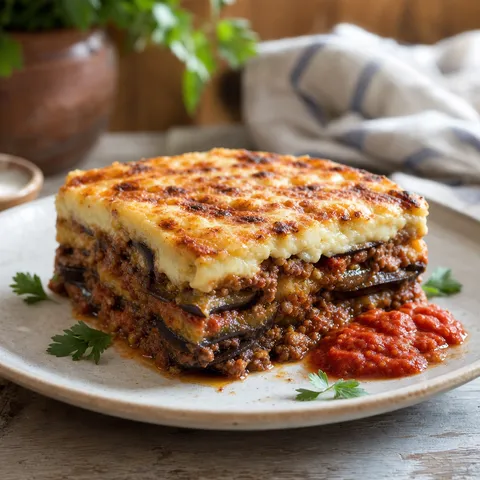
 Classic Moussaka
A rich, layered Greek casserole featuring roasted eggplant, a hearty spiced meat sauce, and a thick, creamy béchamel topping.