 Hawaiian Images are for illustrative purposes only, may be inaccurate, and do not guarantee the presence or absence of specific ingredients.
  Serving Images are for illustrative purposes only, may be inaccurate, and do not guarantee the presence or absence of specific ingredients.
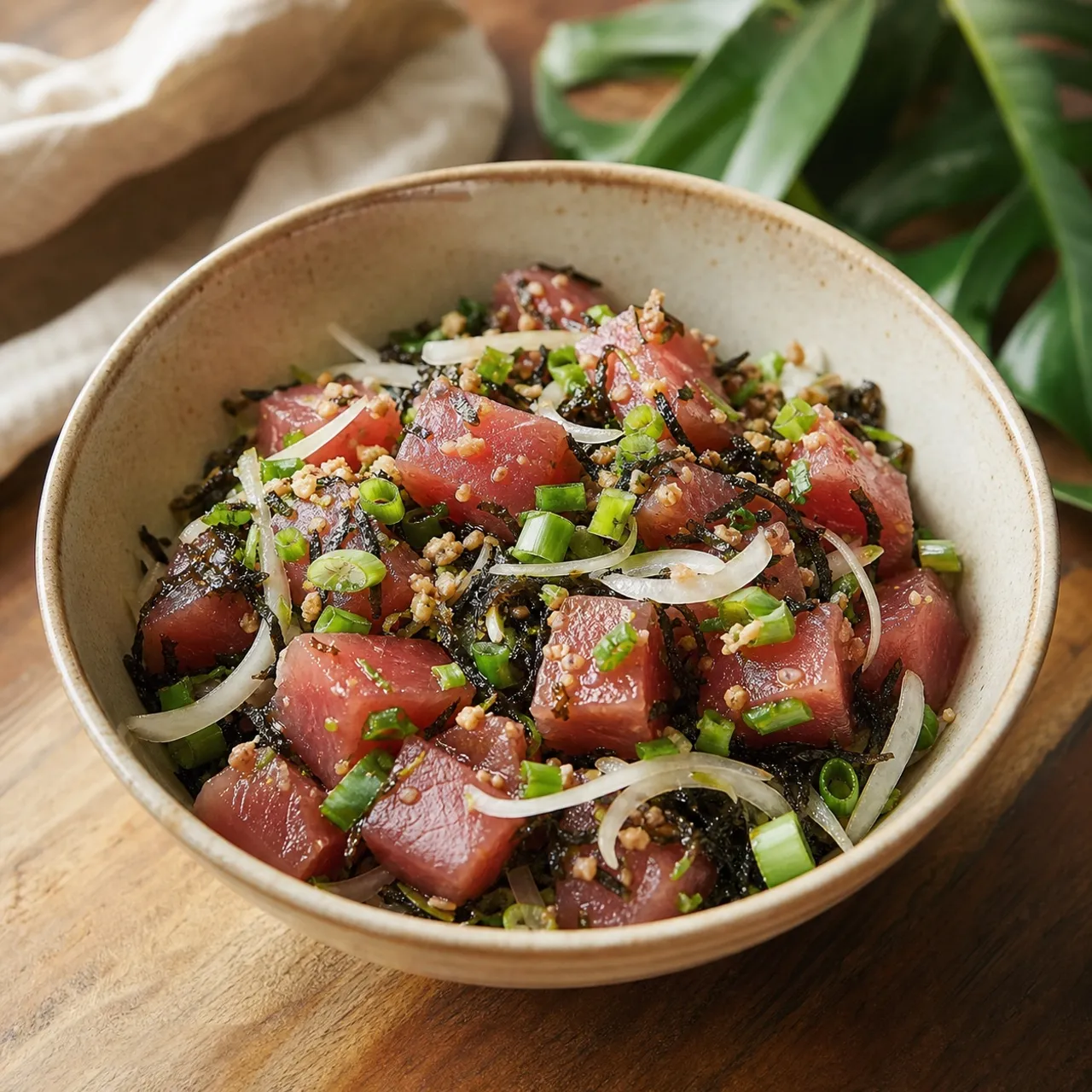
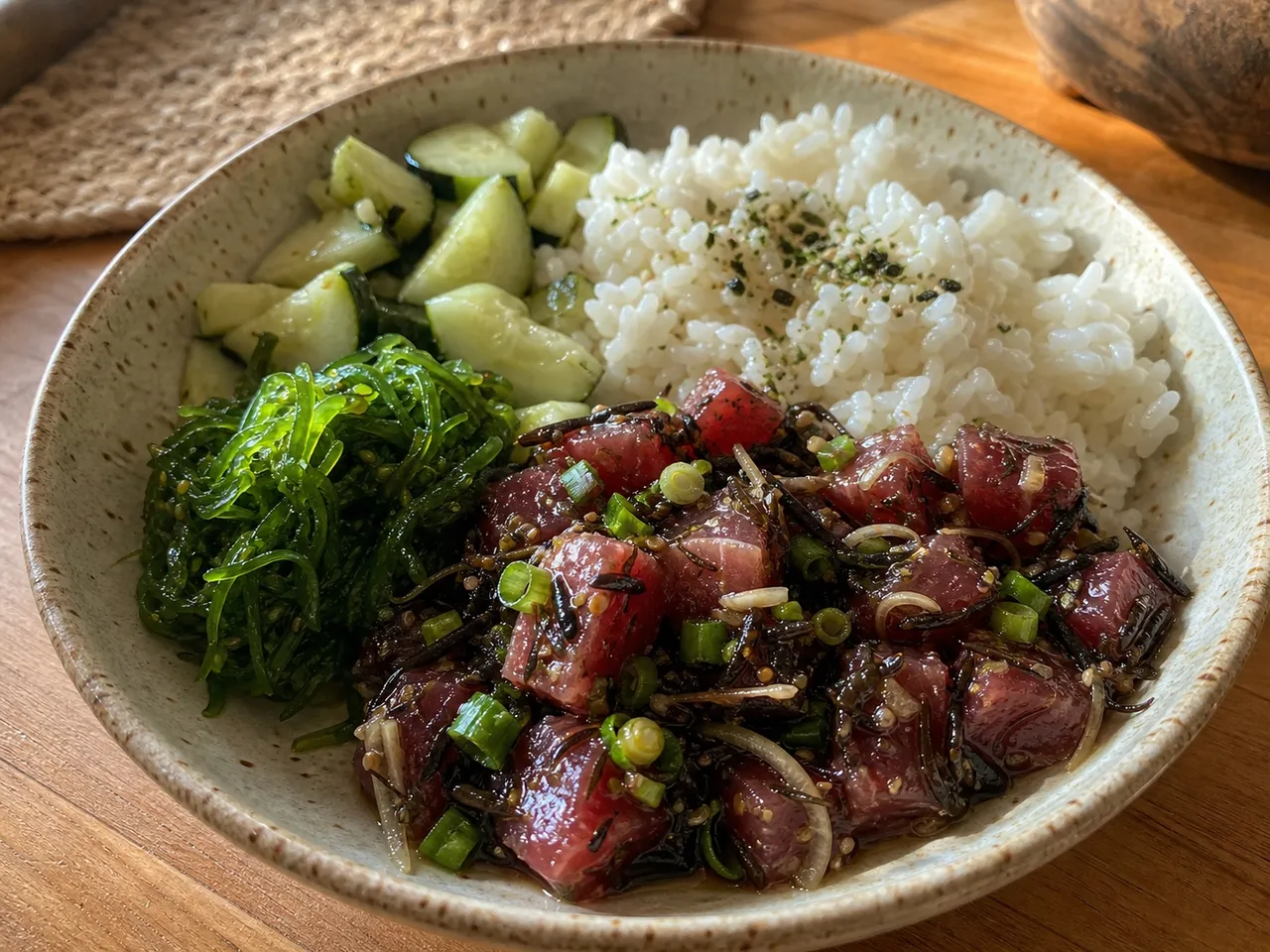
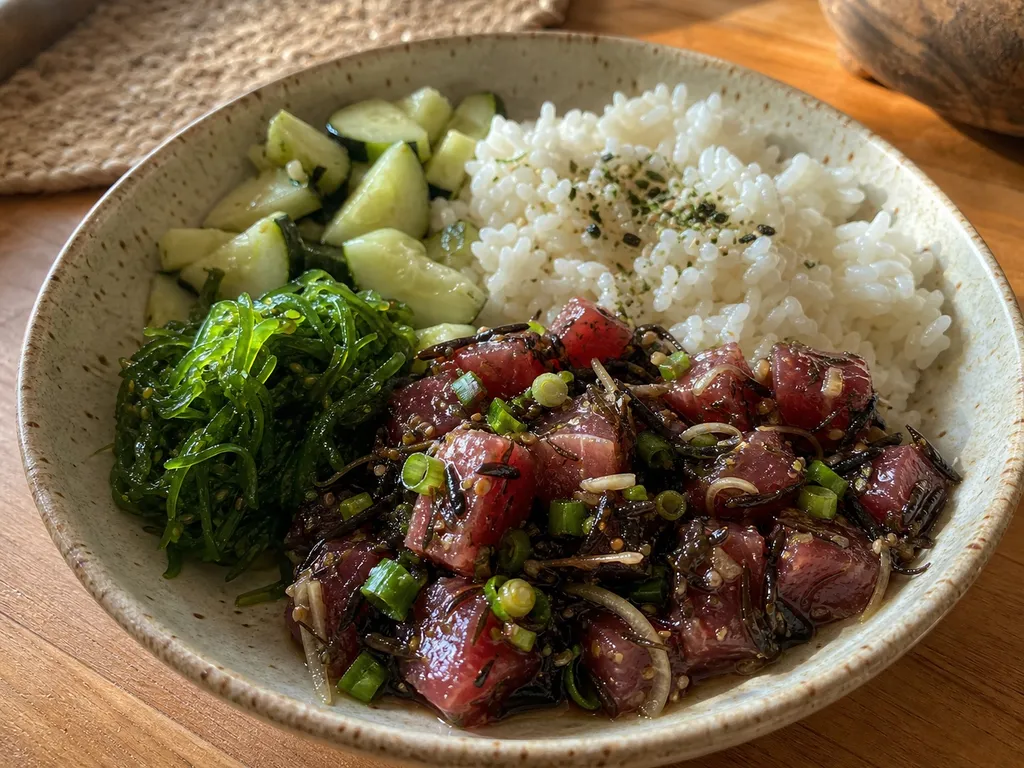
 Ahi Limu Poke
Cubed fresh ahi tossed with limu seaweed, sea salt, and kukui nut — the most traditional Hawaiian poke style, briny, oceanic, and beautifully simple.
Contains common allergens
In the app, Listahan checks these against your household automatically.
Good to know
- Ready in under 30 minutes
Matched from this dish's own ingredients and timing. Browse more: 30-minute meals
Instructions
6 steps- 1
Pat the ahi cubes dry with a paper towel and place in a large bowl.
- 2
Add the sliced onion, chopped limu, Hawaiian salt, soy sauce, and sesame oil to the bowl.
- 3
Gently toss everything together with your hands or a spoon, being careful not to break up the tuna cubes too much.
- 4
Sprinkle in the toasted sesame seeds and chili flakes to taste, and toss once more.
- 5
Taste and adjust the salt or soy sauce as needed; the seasoning should be clean and briny, letting the fresh ahi shine.
- 6
Serve immediately over steamed rice or chilled, within a couple hours of mixing for the freshest flavor and texture.
 Images are for illustrative purposes only, may be inaccurate, and do not guarantee the presence or absence of specific ingredients.
 Listahan Family Score™
51/100
Works for many families
Score reflects how well this recipe fits a typical busy household. In the app, your Family Score is personalized to your household's allergens, kids, and pantry.
Nutrition
per serving0
Calories
0 g
Protein
0 g
Carbs
0 g
Fat
Estimated per serving. Actual values depend on the brands and portions you use.
Listahan cooking guide
Chef notes & practical guide
Technique notes, ingredient swaps, serve-alongside ideas, storage guidance, and equipment for this recipe.
Cultural context
Ahi Limu Poke is one of the oldest forms of Hawaiian poke, predating the modern soy-sesame bowl trend by generations. Traditional limu poke used limu kohu, a reddish seaweed prized by Native Hawaiians for its briny, almost peppery flavor, combined with fresh reef fish, sea salt, and inamona (roasted kukui nut). This ancient preparation was a way for Hawaiian fishermen to eat fresh catch quickly and simply, celebrating the natural flavor of the ocean rather than masking it.
Listahan note
This version keeps the preparation minimal and lets the quality of the ahi do the work — the seasoning is present but restrained so the fish flavor leads.
Technique cues
- Cut the ahi into uniform 3/4-inch cubes so the marinade coats each piece evenly and the texture is consistent in every bite.
- Let the cubed ahi sit with the seasoning for no more than 15 minutes before serving — extended marinating breaks down the texture and the tuna becomes mushy.
- Serve very cold; chill the serving bowl and plates beforehand so the poke stays at its best temperature from first bite to last.
Kitchen flow
- Parallel prep
- Cube the tuna and prepare the seaweed while the rice cooks, so everything is ready to assemble simultaneously.
- Make-ahead
- Prepare each component separately and combine only at serving time; pre-mixed poke can sit no longer than 15 minutes before texture suffers.
- Leftover move
- Leftover poke is best eaten within the same day; use it as a sushi rice bowl topping or in a wrap with avocado and cucumber.
- Cleanup rhythm
- One cutting board and bowl; rinse the cutting board immediately after handling raw fish to prevent lingering odor.
Ingredient brief
Role, handling, and swap guidance for each key ingredient.
sushi-grade ahi tuna
star ingredient
Purpose: Fresh, high-quality yellowfin tuna is non-negotiable here — the dish has almost no cooking to hide behind, so the fish must be excellent.
Handling: Cut cold directly from the refrigerator into even cubes using a sharp knife; a dull knife tears the flesh.
Adaptation: Salmon of equivalent sushi-grade quality makes a richer, fattier poke with a similarly clean flavor.
limu (seaweed)
traditional garnish and flavor
Purpose: Limu provides a briny, oceanic depth and a contrasting slippery texture that is central to the traditional character of this poke style.
Handling: Rinse fresh limu well and pat dry; soak dried limu in cold water until supple before using.
Adaptation: Finely chopped wakame seaweed or thin-cut nori strips approximate the flavor if limu is unavailable.
soy sauce
seasoning base
Purpose: Soy sauce adds salt and umami depth that bridges the Japanese-influenced modern preparation with the traditional seasoning of the dish.
Handling: Use sparingly — the goal is to season the fish, not marinate it into a soy-soaked state.
Adaptation: Tamari for a gluten-free option with nearly identical flavor.
sesame oil
aromatic finish
Purpose: A few drops of toasted sesame oil add a nutty backdrop that rounds out the briny and savory notes.
Handling: Add last, after all other ingredients are combined, so the aroma stays bright.
Adaptation: Macadamia nut oil is a Hawaii-grown alternative with a rich, buttery note.
green onions
fresh garnish
Purpose: Sliced green onions add a mild pungency and visual color that contrast with the deep red of the tuna.
Handling: Slice thin on the bias for the most attractive presentation.
Adaptation: Chives can substitute for a milder, more delicate onion note.
Technique notes
- The quality of the tuna is the single biggest variable in this dish — buy from a fishmonger that sells sushi-grade product and ideally use it the same day.
- Some traditional preparations add inamona (roasted, salted kukui nut) for a bitter, oily richness; coarsely crushed macadamia nuts are the best mainland substitute.
- Keep the sesame oil to a drops-level amount — this is not a sesame-forward dish, and too much oil makes the poke greasy rather than silky.
Ingredient swaps
- Gluten-free direction
- Substitute tamari for soy sauce and confirm any other condiments are gluten-free for a fully safe preparation.
- Lower-sodium direction
- Use reduced-sodium soy sauce and skip any added salt; the seaweed provides background salinity naturally.
- Allergen-aware direction
- This dish contains fish and soy; sesame oil is an allergen for some — replace with a neutral oil if sesame is a concern.
Serve alongside
- steamed white rice
- poi
- Hawaiian macaroni salad
- fresh cucumber slices
- cold Kona Longboard lager
- POG juice
- sparkling water with lime
Serving suggestions only — check pairings for your household's allergens.
Storage & reheating
- Eat within 2 hours of mixing. Unmixed components (seasoned but not combined) can be refrigerated separately for up to 1 day. Do not freeze poke once the fish is cut.
Equipment
- sharp chef's knife
- chilled mixing bowl
- cutting board dedicated to fish
- small measuring spoons
Make this household-aware
Listahan Pro checks this recipe against your household's allergens, finds pantry-aware swaps, builds the shopping list, and helps you plan the week around it.
Plan it in Listahan
Add Ahi Limu Poke to your week, check it against your household's allergens, and build the shopping list automatically.
More Hawaiian recipes
 Hawaiian Lens Verified Images are for illustrative purposes only, may be inaccurate, and do not guarantee the presence or absence of specific ingredients.
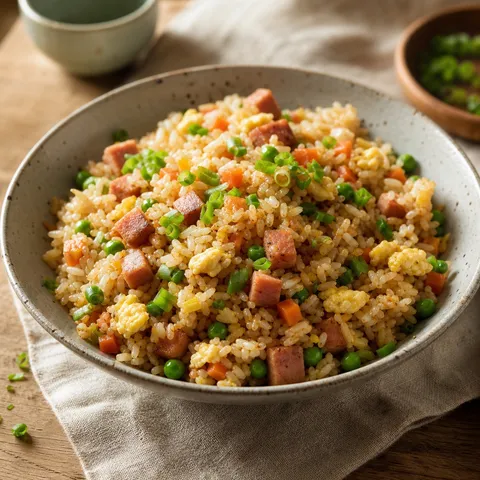
 Spam Fried Rice
Day-old rice stir-fried with caramelized Spam, egg, soy sauce, and green onion — a quick, satisfying island classic that turns pantry staples into something craveable.
 Hawaiian Lens Verified Images are for illustrative purposes only, may be inaccurate, and do not guarantee the presence or absence of specific ingredients.
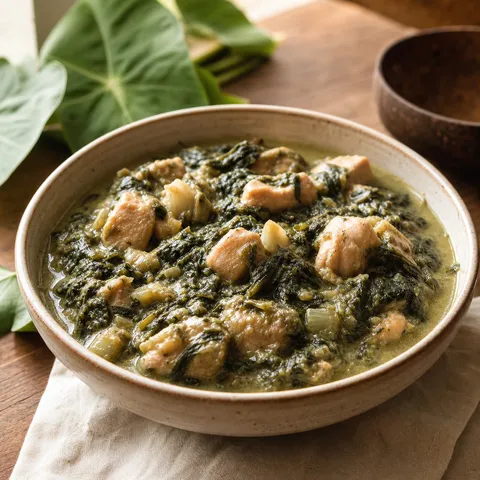
 Chicken Luau
Tender chicken simmered with young taro leaves in coconut milk until velvety and earthy — a quietly comforting Hawaiian stew full of old-fashioned luau warmth.
 Hawaiian Lens Verified Images are for illustrative purposes only, may be inaccurate, and do not guarantee the presence or absence of specific ingredients.
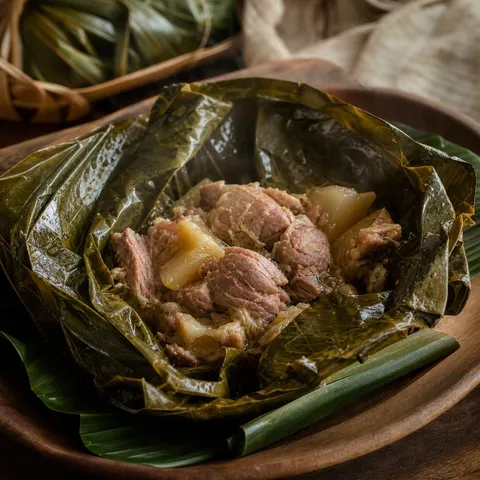
 Lau Lau
Pork shoulder and butterfish bundled in layers of taro leaf and steamed until meltingly tender — earthy, rich, and deeply rooted in Native Hawaiian tradition.