 Indonesian & Malaysian Images are for illustrative purposes only, may be inaccurate, and do not guarantee the presence or absence of specific ingredients.
  Serving Images are for illustrative purposes only, may be inaccurate, and do not guarantee the presence or absence of specific ingredients.
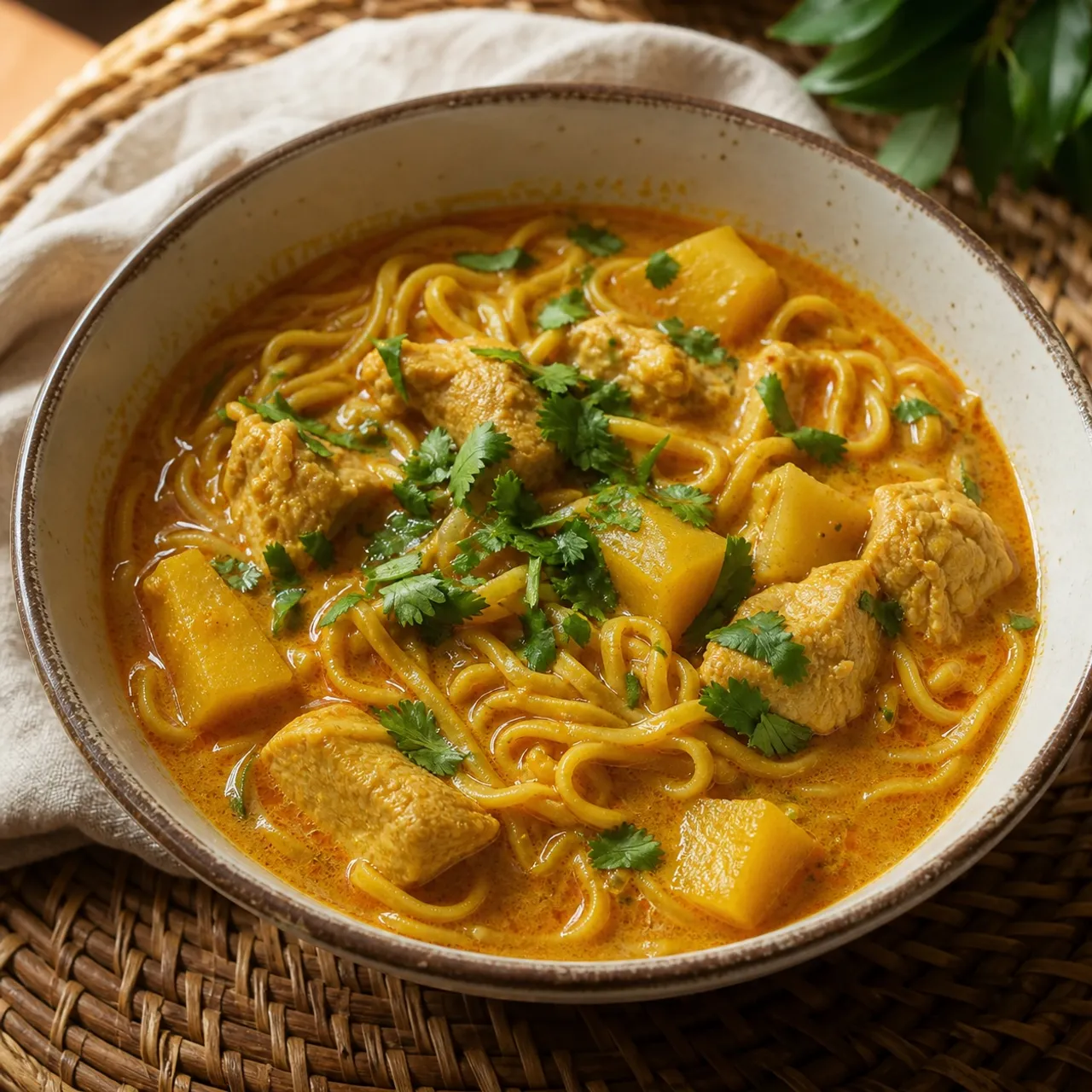
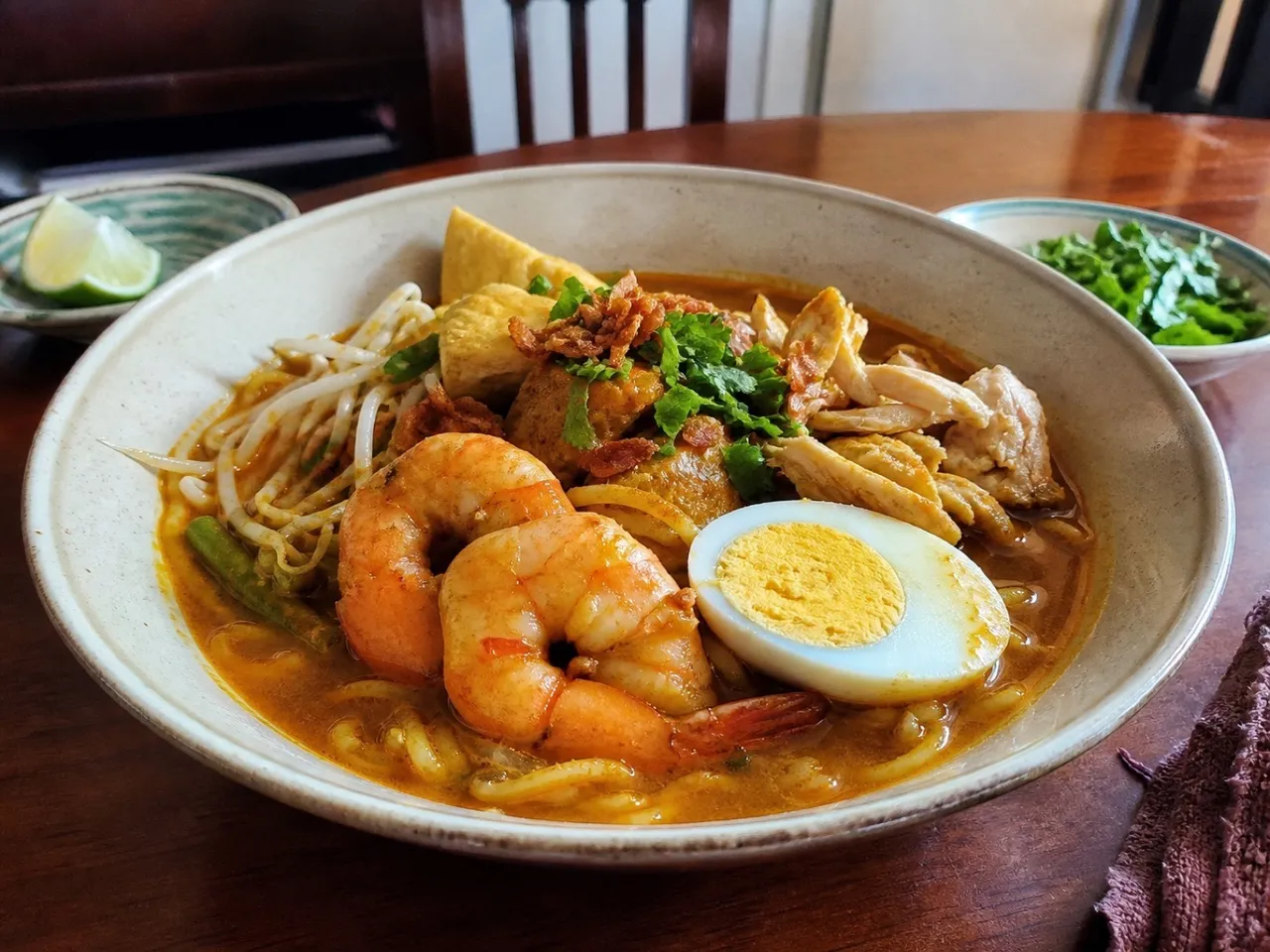
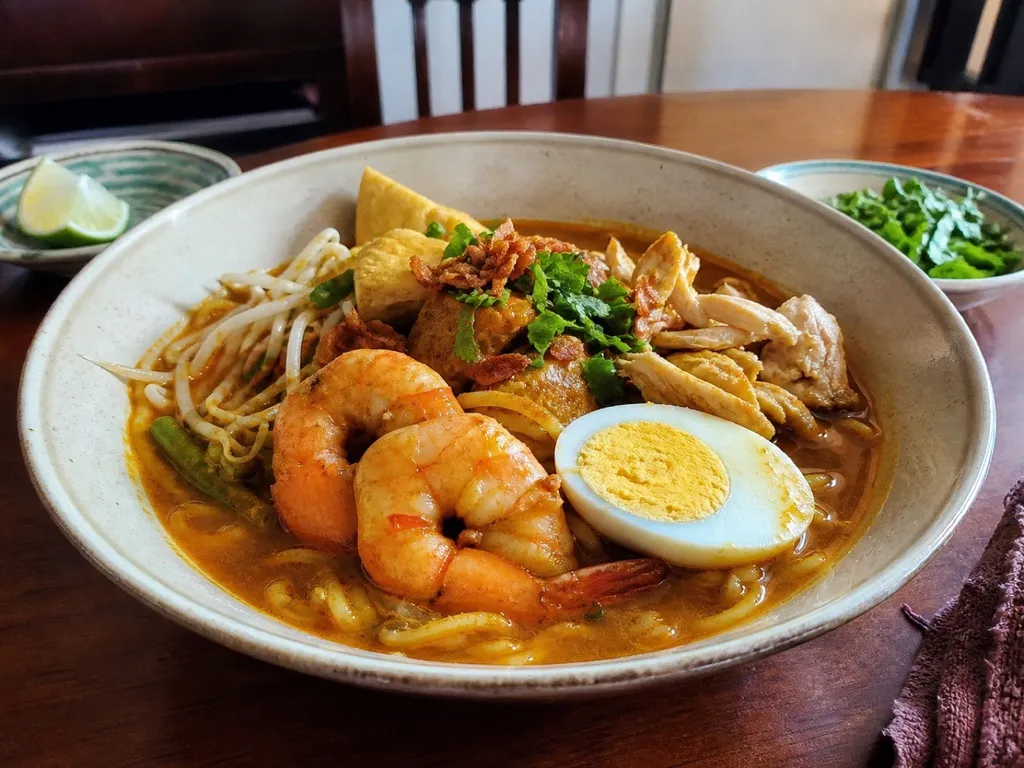
 Mie Kari
Egg noodles submerged in a fragrant, turmeric-golden curry broth with shrimp and tofu — warming, aromatic, and deeply satisfying any time of day.
Contains common allergens
In the app, Listahan checks these against your household automatically.
Good to know
- Ready in under 30 minutes
Matched from this dish's own ingredients and timing. Browse more: 30-minute meals
Instructions
6 steps- 1
Sauté a finely chopped onion and garlic in oil until translucent.
- 2
Stir in the curry powder and cook for 1 minute until fragrant (add a splash of water if it starts to burn).
- 3
Add the sliced chicken and cubed potato, stirring to coat them in the curry paste.
- 4
Pour in chicken broth and simmer for 15 minutes until the potatoes are tender.
- 5
Stir in the coconut milk, heat through without boiling rapidly, and season with salt.
- 6
Place blanched yellow noodles in a bowl and ladle the hot chicken curry generously over the top.
 Images are for illustrative purposes only, may be inaccurate, and do not guarantee the presence or absence of specific ingredients.
 Listahan Family Score™
81/100
Good fit for most families
Score reflects how well this recipe fits a typical busy household. In the app, your Family Score is personalized to your household's allergens, kids, and pantry.
Nutrition
per serving1085
Calories
51 g
Protein
105 g
Carbs
54 g
Fat
Estimated per serving. Actual values depend on the brands and portions you use.
Listahan cooking guide
Chef notes & practical guide
Technique notes, ingredient swaps, serve-alongside ideas, storage guidance, and equipment for this recipe.
Cultural context
Mie Kari is a curry noodle soup built on Malaysian-style curry powder — a blend that typically includes coriander, cumin, and fennel — simmered into a coconut milk broth with chicken and potato. It belongs to the same family as Malaysian curry mee, where yellow wheat noodles carry a rich, spiced broth rather than a plain one.
Listahan note
This version toasts the curry powder briefly in oil before adding any liquid, since dry spice blends like this lose much of their aroma if they're only ever simmered in liquid rather than bloomed in hot fat first.
Technique cues
- Bloom the curry powder in hot oil for a minute or so before adding the chicken, stirring constantly so the spices toast rather than scorch — this brings out flavors that stay muted if the powder goes straight into liquid.
- Brown the chicken pieces lightly in the same pot after the spices bloom, so the meat picks up the toasted spice flavor directly rather than only from the surrounding broth.
- Add the coconut milk after the initial simmer with water or stock has started, and keep the heat moderate rather than a rolling boil, since coconut milk can separate into an oily film if boiled too hard for too long.
- Cook the diced potato in the broth until just fork-tender, added partway through rather than at the very start, so it doesn't turn mushy and cloud the broth by the time the chicken is done.
Kitchen flow
- Parallel prep
- While Mie Kari simmers, chop any garnish or side bread — the pot doesn't need active attention during the long simmer. This one leans on the Malaysian meat curry powder.
- Make-ahead
- Mie Kari is a genuine make-ahead dish — it actually tastes better the next day once Malaysian meat curry powder have had time to meld; make it a day early and reheat gently. The simmer step is what sets the pace here.
- Leftover move
- Leftover Mie Kari is often better the next day — refrigerate and reheat gently on the stove, thinning with a splash of water or broth if it's thickened. This one leans on the Malaysian meat curry powder. Plan around the simmer; that's the slow part.
- Cleanup rhythm
- Let the pot for Mie Kari soak while you eat — a long simmer tends to leave a stuck layer on the bottom that's easier to lift once soaked. This one leans on the Malaysian meat curry powder.
Ingredient brief
Role, handling, and swap guidance for each key ingredient.
200g yellow wheat noodles
Structural base
Purpose: g yellow wheat noodles defines the shape and texture of the dish.
Handling: Rinse, soak, whisk, or separate as the recipe requires so the texture stays clean.
Adaptation: Use a certified gluten-free alternative when needed and expect a small texture change.
2 tbsp Malaysian meat curry powder
Seasoning backbone
Purpose: tbsp Malaysian meat curry powder gives the dish its recognizable flavor direction.
Handling: Measure before heating and break up clumps so the mix distributes evenly.
Adaptation: Use the closest fresh equivalent and expect a modest shift in flavor or texture.
200g chicken breast
Main protein or body
Purpose: g chicken breast gives Mie Kari its main substance and carries the seasoning.
Handling: Pat dry, cut evenly, and season before cooking so browning or sauce coverage is consistent.
Adaptation: Use the closest fresh equivalent and expect a modest shift in flavor or texture.
400ml coconut milk
Richness and texture
Purpose: ml coconut milk rounds the texture and helps the dish feel complete.
Handling: Prep before heat is high so the cooking step can move without rushing.
Adaptation: Use unsweetened dairy-free alternatives only where they still provide enough fat and body.
1 potato
Structural base
Purpose: potato defines the shape and texture of the dish.
Handling: Wash, trim, and cut evenly so the pieces cook at the same pace.
Adaptation: Use the closest fresh equivalent and expect a modest shift in flavor or texture.
Technique notes
- Cook the noodles separately in boiling water and add them to the bowl just before ladling the hot broth over, rather than simmering them directly in the curry, which keeps them from turning bloated and soft.
- Top with a hard-boiled egg half, fried shallots, or a squeeze of lime at the table, since these garnishes are meant to stay distinct rather than cook into the broth.
- The broth base can be made ahead and reheated, but the noodles are best cooked fresh right before serving so they don't clump or overcook while sitting.
Ingredient swaps
- Gluten-free direction
- Use a certified gluten-free 1:1 flour blend or gluten-free noodles/breadcrumbs in place of any wheat-based ingredient, and double-check packaged items for hidden wheat. This one leans on the Malaysian meat curry powder.
- Dairy-free direction
- Swap the coconut milk for full-fat coconut milk or a dairy-free cream alternative, added at the end rather than simmered long — the texture shifts slightly but the dish holds together. This one leans on the Malaysian meat curry powder.
- Nut-aware direction
- Skip the nut garnish or use toasted seeds (sunflower or pumpkin) instead. This one leans on the Malaysian meat curry powder.
- Lower-sodium direction
- Salt in stages instead of all at once, tasting as you go — you'll likely need less than the full amount. This one leans on the Malaysian meat curry powder.
Serve alongside
- Steamed rice
- Cucumber salad
- Roasted vegetables
- Pickled vegetables
- Iced tea
- Sparkling water with citrus
Serving suggestions only — check pairings for your household's allergens.
Storage & reheating
- Refrigerate in a sealed container for up to 4 days.
- Reheat gently with a splash of water, broth, milk, or sauce as appropriate.
- Freeze up to 2 months when the texture is braised, baked, or stew-like.
Equipment
- Dutch oven or soup pot
- Wooden spoon
- Ladle
Make this household-aware
Listahan Pro checks this recipe against your household's allergens, finds pantry-aware swaps, builds the shopping list, and helps you plan the week around it.
Plan it in Listahan
Add Mie Kari to your week, check it against your household's allergens, and build the shopping list automatically.
More Indonesian & Malaysian recipes
 Indonesian & Malaysian Lens Verified Images are for illustrative purposes only, may be inaccurate, and do not guarantee the presence or absence of specific ingredients.
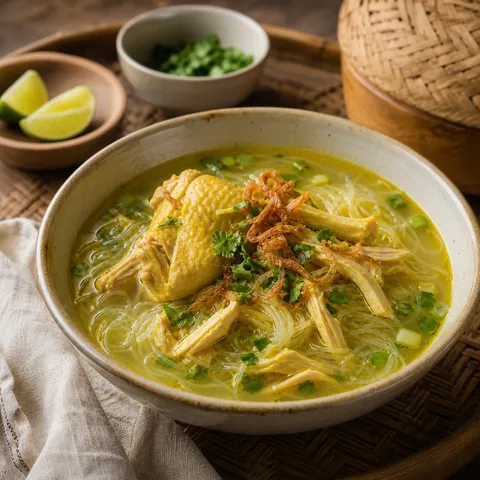
 Soto Ayam
A golden, turmeric-spiced Indonesian chicken soup with glass noodles, crispy shallots, and lime — light, herbal, and deeply comforting.
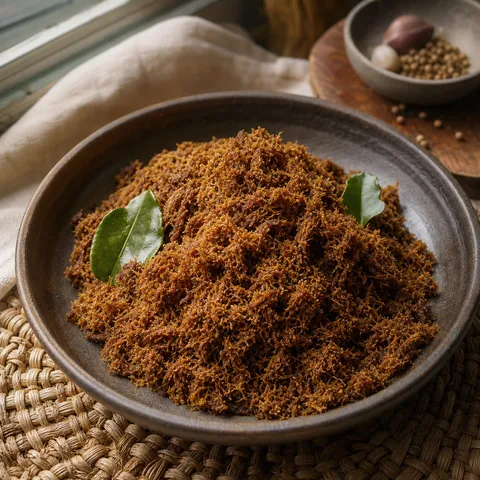 Indonesian & Malaysian Lens Verified Images are for illustrative purposes only, may be inaccurate, and do not guarantee the presence or absence of specific ingredients.
 Beef Serunding
Dry-fried spiced beef floss toasted with coconut and lemongrass until golden and fragrant — a rich, crumbly condiment that transforms plain rice.
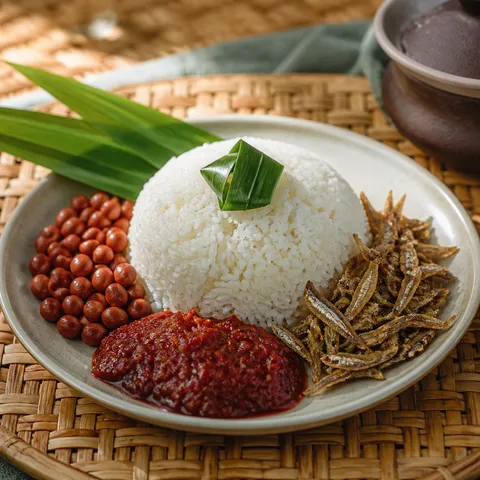 Indonesian & Malaysian Lens Verified Images are for illustrative purposes only, may be inaccurate, and do not guarantee the presence or absence of specific ingredients.
 Nasi Lemak
Malaysia's national comfort dish — fragrant coconut rice paired with sambal, crispy anchovies, roasted peanuts, and a soft-boiled egg.