 Indonesian & Malaysian Images are for illustrative purposes only, may be inaccurate, and do not guarantee the presence or absence of specific ingredients.
  Serving Images are for illustrative purposes only, may be inaccurate, and do not guarantee the presence or absence of specific ingredients.
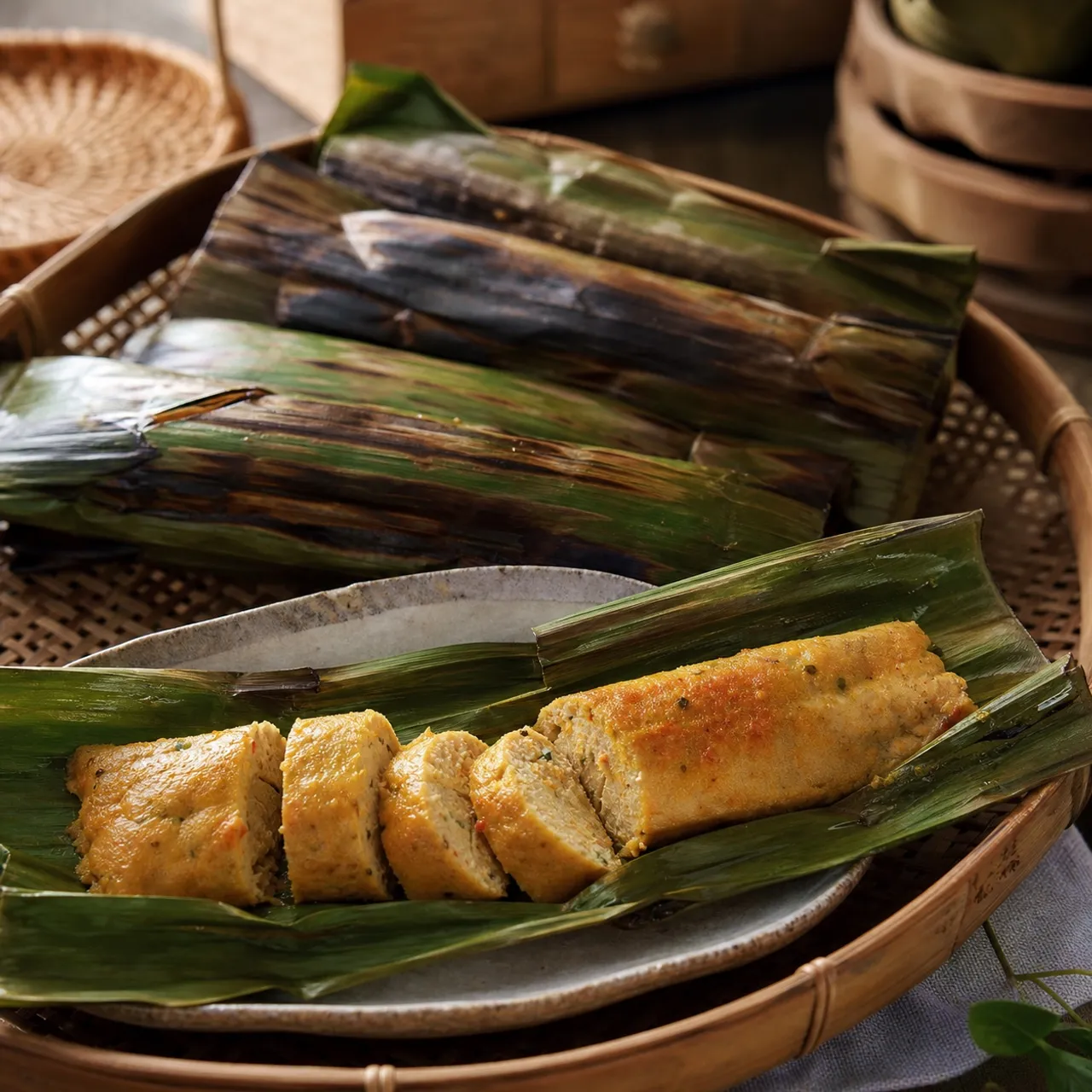
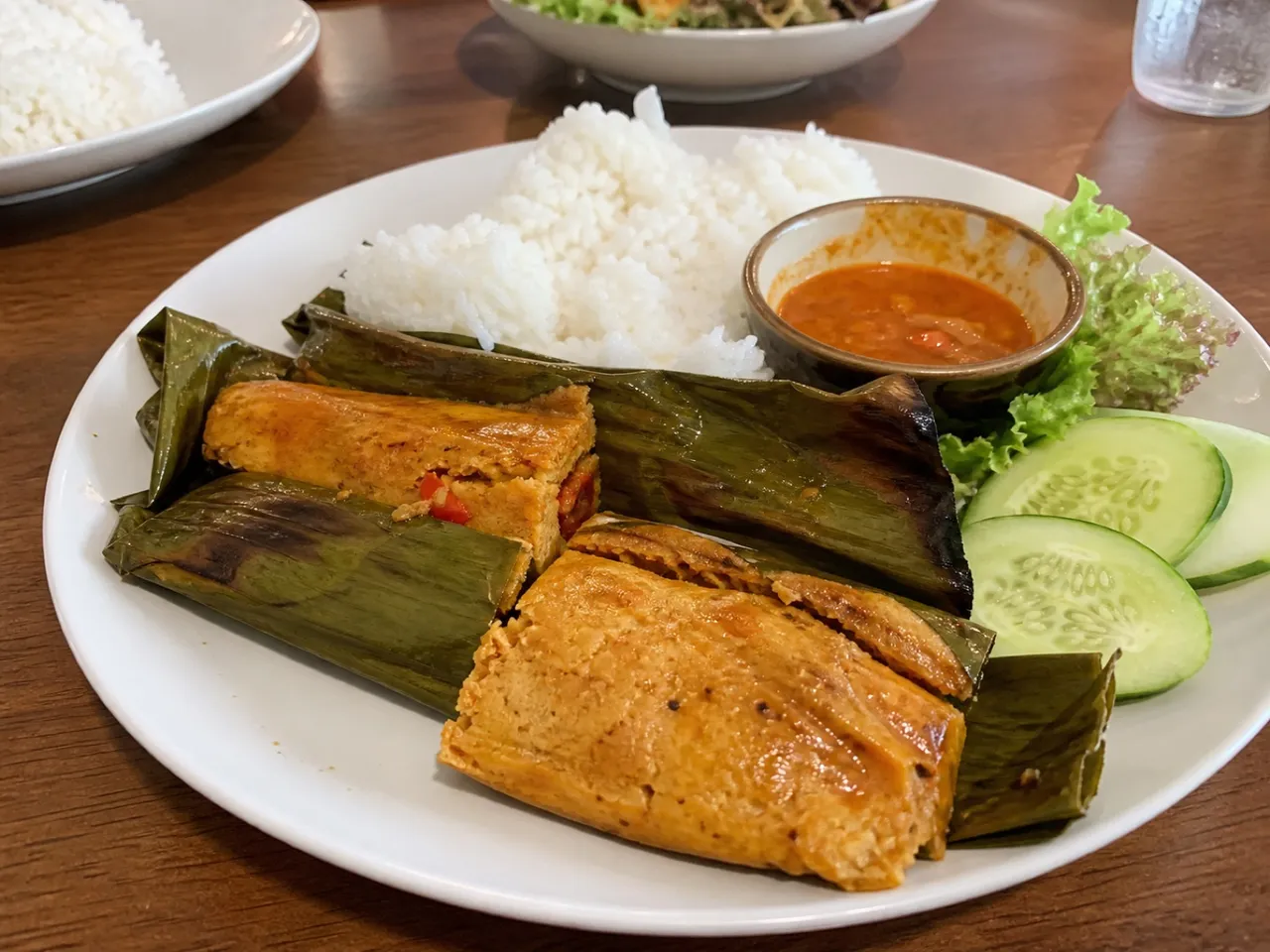
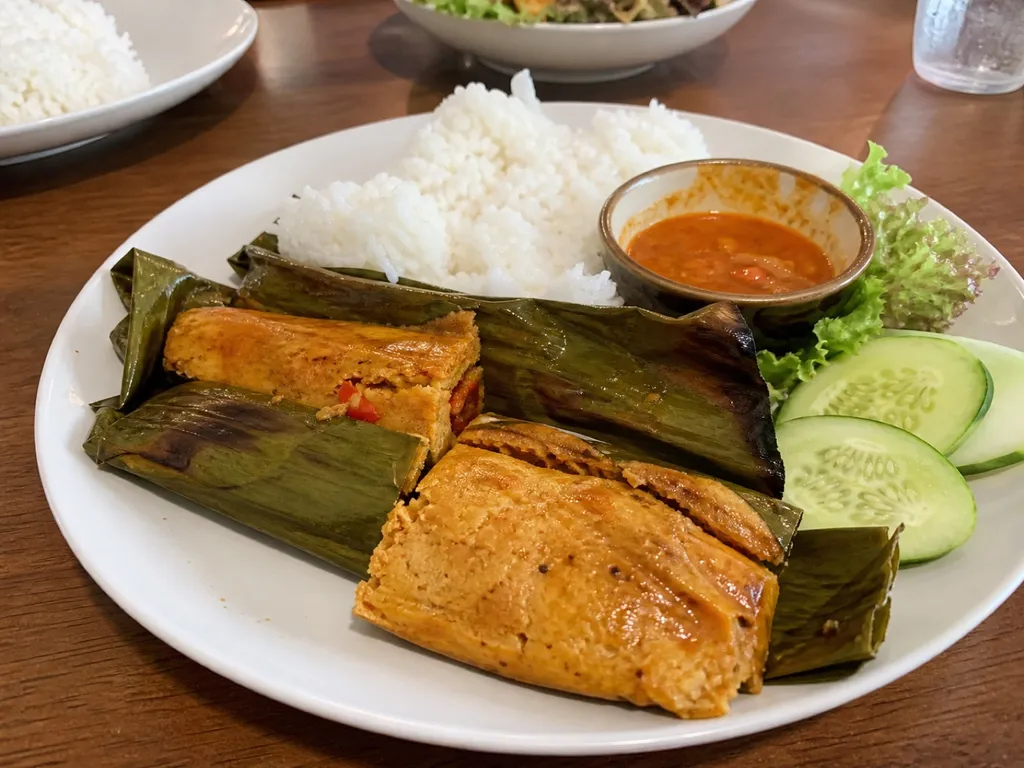
 Otak-Otak
Spiced fish paste wrapped in banana leaves and grilled until fragrant — a smoky, custard-soft Southeast Asian snack with a gentle chili heat.
Contains common allergens
In the app, Listahan checks these against your household automatically.
Instructions
6 steps- 1
In a food processor, blend the fish fillets until smooth.
- 2
Add the coconut milk, tapioca starch, egg, and the finely ground spice paste, pulsing until fully incorporated into a sticky paste.
- 3
Cut banana leaves into 8x8 inch squares and soften them by passing them quickly over an open flame.
- 4
Place 2 tablespoons of the fish paste in the center of a banana leaf square, wrap it tightly into a flat parcel, and secure the ends with toothpicks.
- 5
Prepare a charcoal grill or heat a grill pan over medium heat.
- 6
Grill the parcels for 4-5 minutes per side until the banana leaves are charred and fragrant, and the fish cake inside is firm and springy.
 Images are for illustrative purposes only, may be inaccurate, and do not guarantee the presence or absence of specific ingredients.
 Listahan Family Score™
56/100
Works for many families
Score reflects how well this recipe fits a typical busy household. In the app, your Family Score is personalized to your household's allergens, kids, and pantry.
Nutrition
per serving360
Calories
37 g
Protein
9 g
Carbs
21 g
Fat
Estimated per serving. Actual values depend on the brands and portions you use.
Listahan cooking guide
Chef notes & practical guide
Technique notes, ingredient swaps, serve-alongside ideas, storage guidance, and equipment for this recipe.
Cultural context
Otak-otak is a Southeast Asian fish cake steamed or grilled inside a banana leaf parcel, with distinct versions claimed by Singapore, Malaysia, and Indonesia. The name translates roughly to 'brains' — a reference to the pale, custardy texture of the original Palembang version rather than any literal ingredient. Malaysian-style otak-otak from Muar, Johor, is grilled over charcoal and deeply spiced with chili, lemongrass, and coconut milk until the filling sets into a dense, fragrant cake with char on the outside of the leaf.
Listahan note
This version uses a grill pan or oven broiler to mimic the char of traditional charcoal grilling, and blends a spice paste that is aromatic without being searingly hot.
Technique cues
- Process the fish until it is a smooth paste before adding the coconut milk and eggs — a rough paste will give otak-otak a coarse, crumbly texture instead of the silky-firm bite it should have.
- Wrap the banana leaf parcels tightly and secure with toothpicks or small skewers; a loose parcel will let the filling leak before it sets, and the steam inside is what creates the custardy texture.
- Grill the parcels leaf-side down first for 4-5 minutes so the banana leaf scorches and imparts a faintly smoky, grassy fragrance into the filling before you flip.
Kitchen flow
- Parallel prep
- Soften banana leaves over heat while the spice paste blends; assemble the parcels assembly-line style before the grill heats.
- Make-ahead
- Assembled uncooked parcels keep refrigerated for up to 8 hours; the filling will marinate inside the leaf and taste even better.
- Leftover move
- Slice cooled otak-otak into rounds and pan-fry in a little oil for 2 minutes per side to reheat with a slight crust, then serve on rice or in a bun.
- Cleanup rhythm
- The banana leaf parcels keep mess contained; rinse the grill pan immediately after cooking as the fish paste is easier to clean while the pan is still warm.
Ingredient brief
Role, handling, and swap guidance for each key ingredient.
white fish fillet
protein base
Purpose: A mild, firm white fish — Spanish mackerel is traditional — provides the neutral base that lets the spice paste's flavor come through while setting into a firm cake.
Handling: Remove all bones and skin, chill the fish until cold before processing so the paste stays cohesive.
Adaptation: Cod, pollock, or tilapia fillet work well; avoid very oily fish like salmon as they overpower the spice paste.
coconut milk
richness and moisture
Purpose: Coconut milk loosens the fish paste to the right consistency and adds sweetness that balances the chili and lemongrass.
Handling: Use full-fat coconut milk; light versions result in a drier, less rich cake.
Adaptation: Coconut cream thinned with a little water works; avoid evaporated milk as it changes the flavor profile significantly.
banana leaves
wrapper and flavor vessel
Purpose: The banana leaf imparts a subtle grassy aroma, keeps the filling moist during grilling, and creates the traditional presentation.
Handling: Briefly pass leaves over a gas flame or dip in boiling water to soften them and prevent cracking when folding.
Adaptation: Parchment paper parcels can substitute for the wrapping function but will not add the leaf's fragrance.
lemongrass
aromatic spice base
Purpose: Lemongrass is the fragrance that distinguishes otak-otak from generic fish cakes and must be finely blended so no fibrous pieces remain in the delicate filling.
Handling: Use only the soft inner section of the bottom 4 inches; slice thin and blend until completely smooth.
Adaptation: Two teaspoons of lemongrass paste from a tube is an acceptable shortcut.
eggs
binder and set
Purpose: Eggs help the fish paste set into a firm, sliceable cake rather than falling apart when the parcel is opened.
Handling: Beat lightly before folding into the fish paste so they incorporate evenly.
Adaptation: A tablespoon of tapioca starch can partially replace one egg for those with egg allergies, though the texture will be slightly chewier.
Technique notes
- Chill the processed fish paste for 15 minutes before folding in the coconut milk and eggs — a cold paste stays emulsified and gives a smoother final texture.
- Test one parcel first by opening it at the thinnest end after the stated cook time; the filling should be set and opaque with no liquid center before you commit to removing all the parcels.
- A pinch of sugar in the spice paste balances the heat and brings out the coconut milk's sweetness — it is a small addition but noticeably rounds out the flavor.
Ingredient swaps
- Gluten-free direction
- The recipe is naturally gluten-free as written; verify that any store-bought spice paste does not contain wheat-based thickeners.
- Dairy-free option
- Coconut milk is the fat source here, not dairy; the binder is tapioca starch. Check any pre-made spice paste.
- Allergen-direction swap
- For fish allergy, a shrimp paste version (otak udang) using peeled raw shrimp processed the same way is traditional in some coastal regions.
Serve alongside
- Steamed jasmine rice
- Cucumber and tomato salad with lime dressing
- Sambal kecap (sweet soy dipping sauce)
- Iced barley water
- Cold lime soda with salt
Serving suggestions only — check pairings for your household's allergens.
Storage & reheating
- Refrigerate cooked otak-otak still in the leaf parcels for up to 2 days; rewrap in foil to prevent the leaf from drying out.
- Reheat on a hot grill pan for 3 minutes per side or in a 350 F oven for 10 minutes; the texture firms slightly on reheating which some people prefer.
Equipment
- Blender or food processor for a smooth fish paste
- Grill pan, charcoal grill, or broiler for char
- Tongs for turning parcels without piercing them
Make this household-aware
Listahan Pro checks this recipe against your household's allergens, finds pantry-aware swaps, builds the shopping list, and helps you plan the week around it.
Plan it in Listahan
Add Otak-Otak to your week, check it against your household's allergens, and build the shopping list automatically.
More Indonesian & Malaysian recipes
 Indonesian & Malaysian Lens Verified Images are for illustrative purposes only, may be inaccurate, and do not guarantee the presence or absence of specific ingredients.
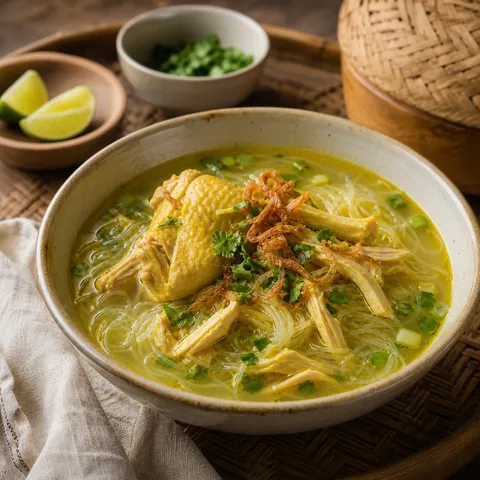
 Soto Ayam
A golden, turmeric-spiced Indonesian chicken soup with glass noodles, crispy shallots, and lime — light, herbal, and deeply comforting.
 Indonesian & Malaysian Lens Verified Images are for illustrative purposes only, may be inaccurate, and do not guarantee the presence or absence of specific ingredients.
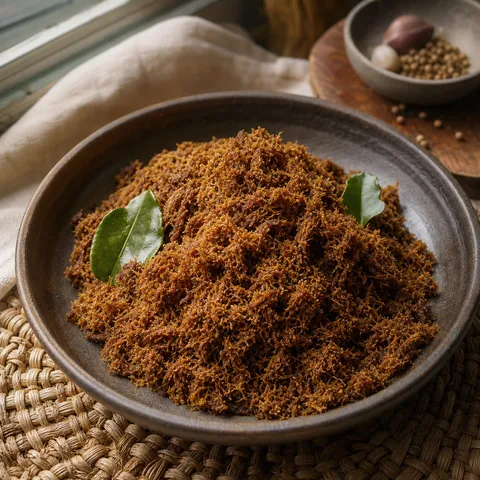
 Beef Serunding
Dry-fried spiced beef floss toasted with coconut and lemongrass until golden and fragrant — a rich, crumbly condiment that transforms plain rice.
 Indonesian & Malaysian Lens Verified Images are for illustrative purposes only, may be inaccurate, and do not guarantee the presence or absence of specific ingredients.
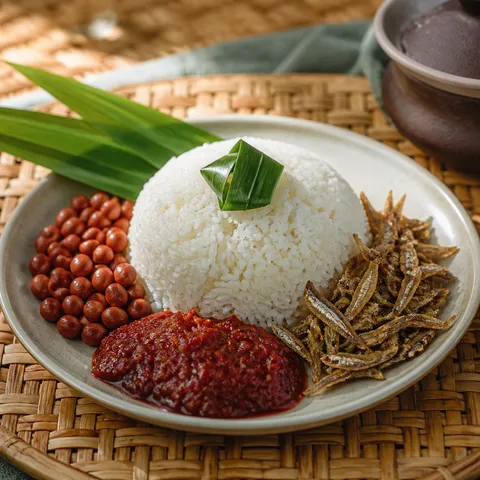
 Nasi Lemak
Malaysia's national comfort dish — fragrant coconut rice paired with sambal, crispy anchovies, roasted peanuts, and a soft-boiled egg.