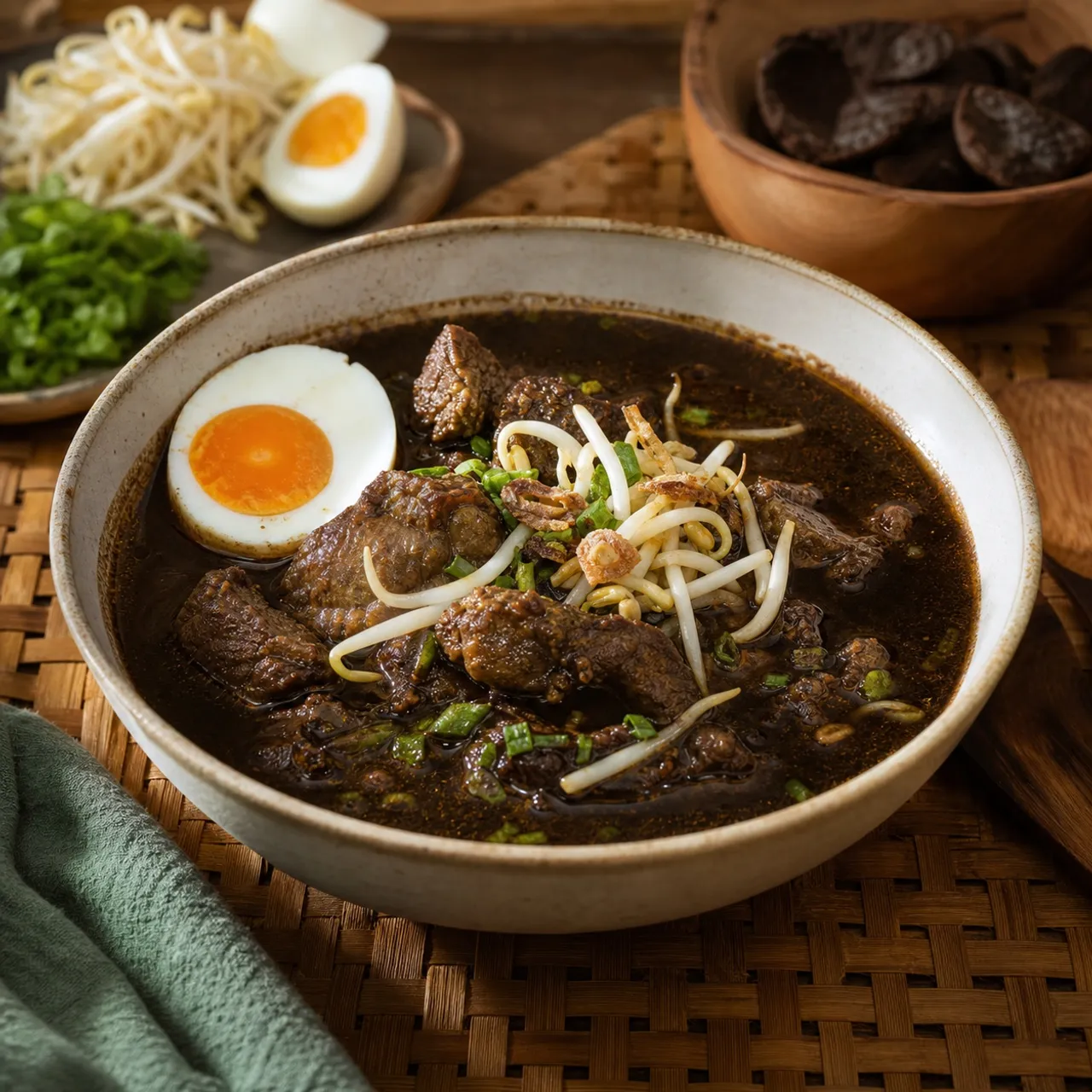
 Indonesian & Malaysian Images are for illustrative purposes only, may be inaccurate, and do not guarantee the presence or absence of specific ingredients.
 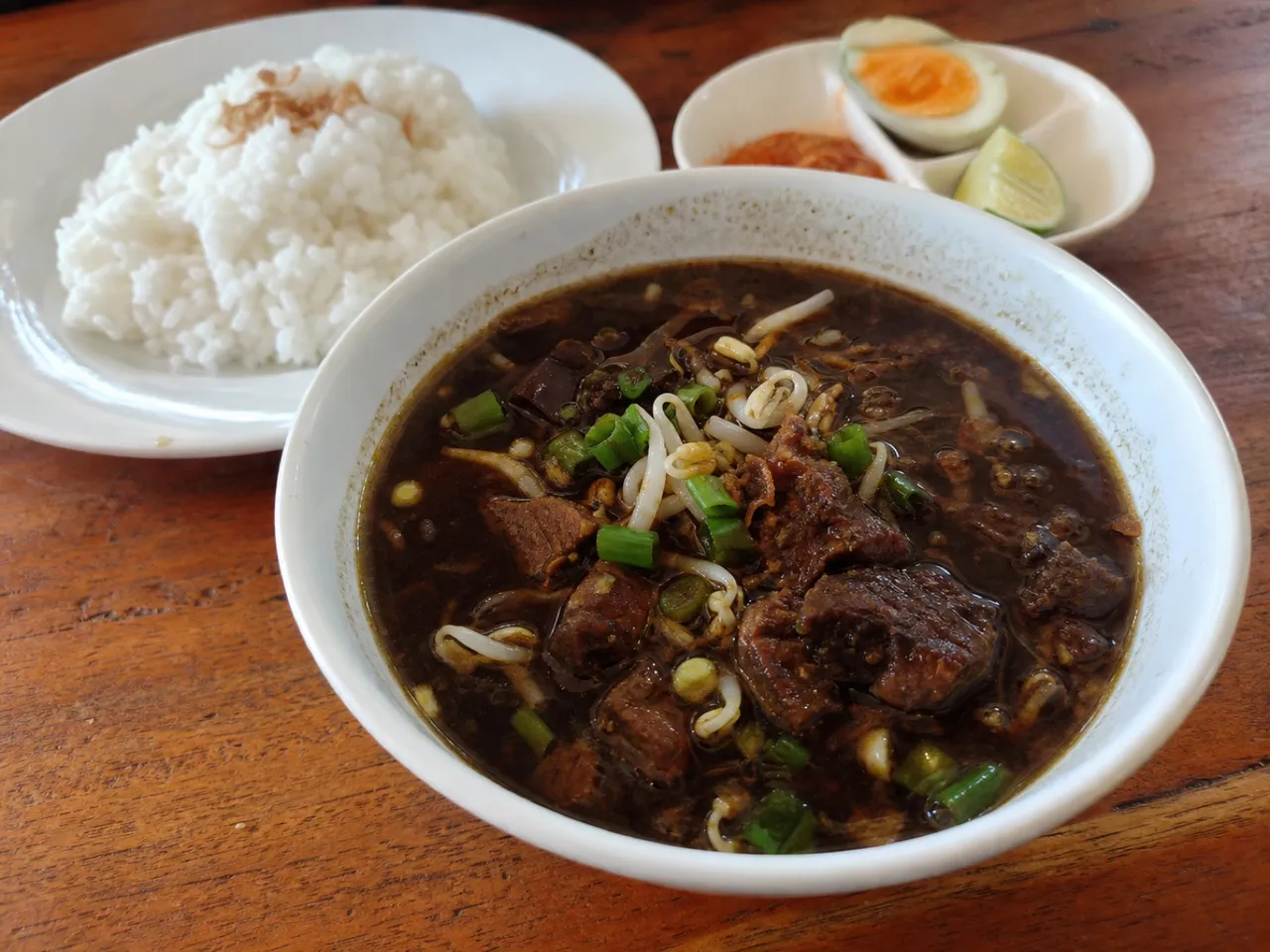 Serving Images are for illustrative purposes only, may be inaccurate, and do not guarantee the presence or absence of specific ingredients.
 Rawon
East Java's signature jet-black beef soup, its inky depth from keluak nut, rich and earthy — topped with bean sprouts, egg, and a squeeze of lime.
Contains common allergens
In the app, Listahan checks these against your household automatically.
Good to know
- One-pot
Matched from this dish's own ingredients and timing. Browse more: one-pot dinners
Instructions
6 steps- 1
Blend the soaked keluak flesh with shallots, garlic, coriander, and turmeric to form a dark, earthy paste.
- 2
In a heavy pot, sauté the black paste with lemongrass and kaffir lime leaves until very fragrant.
- 3
Add the beef chunks and stir to coat them in the spice paste until lightly browned.
- 4
Pour in 1.5 liters of water, bring to a boil, then reduce heat and simmer covered for 1.5 to 2 hours until the beef is very tender.
- 5
Skim off any excess fat from the surface of the rich, black broth.
- 6
Serve hot with steamed rice, raw short beansprouts, half a salted egg, and a squeeze of lime.
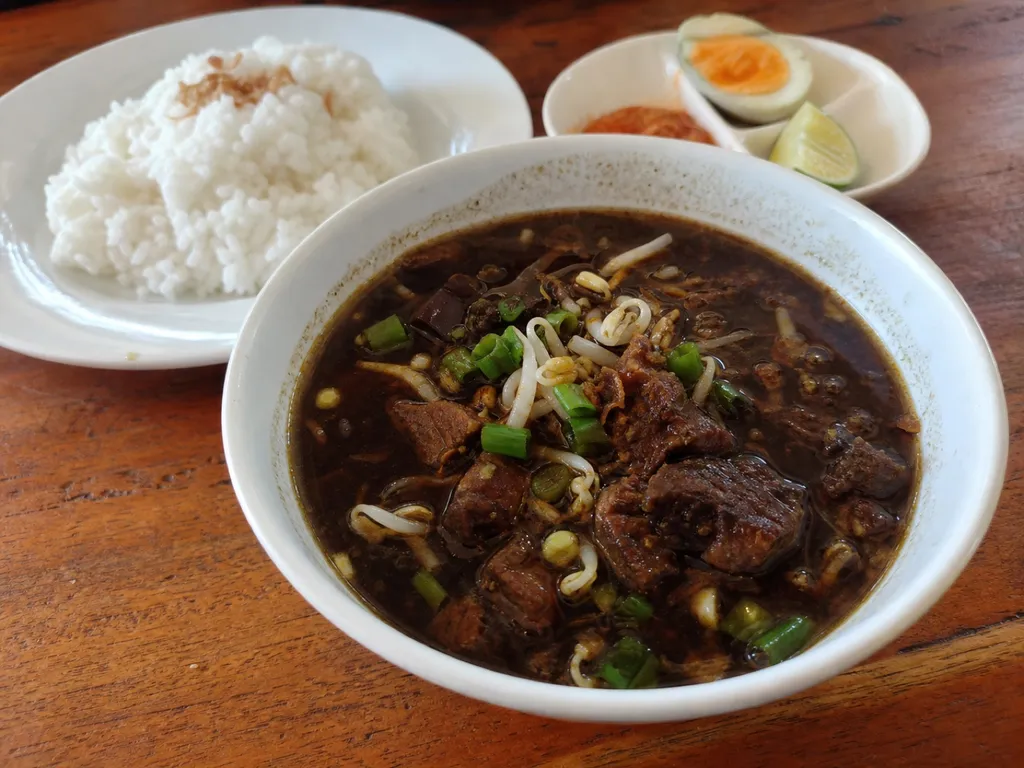 Images are for illustrative purposes only, may be inaccurate, and do not guarantee the presence or absence of specific ingredients.
 Listahan Family Score™
69/100
Works for many families
Score reflects how well this recipe fits a typical busy household. In the app, your Family Score is personalized to your household's allergens, kids, and pantry.
Nutrition
per serving450
Calories
44 g
Protein
11 g
Carbs
25 g
Fat
Estimated per serving. Actual values depend on the brands and portions you use.
Listahan cooking guide
Chef notes & practical guide
Technique notes, ingredient swaps, serve-alongside ideas, storage guidance, and equipment for this recipe.
Cultural context
Rawon is East Java's signature beef soup, defined by its jet-black color and deep, faintly bitter flavor from ground keluak, the seed of the kepayang tree, which needs its naturally toxic raw compounds neutralized through fermentation and soaking before it can be ground into a paste.
Listahan note
This version blends the soaked keluak flesh into a paste and cooks it into the aromatics before the beef goes in, so its earthy flavor infuses the whole pot rather than sitting only as a garnish.
Technique cues
- Keluak nuts are sold pre-fermented and need their flesh scooped out and soaked before use, since fermentation and soaking are specifically what neutralize the raw seed's naturally toxic compounds.
- Blending the soaked keluak flesh with shallots, garlic, and coriander into a smooth, dark paste, then frying it with lemongrass and lime leaves until deeply fragrant, builds the flavor base before any beef or liquid is added.
- The beef needs a long, low simmer, an hour and a half to two hours, until fully tender, with the fat skimmed periodically from the surface of the dark broth.
- The broth's black color comes entirely from the keluak paste rather than any added coloring, and it should look glossy and opaque rather than watery once fully simmered.
Kitchen flow
- Parallel prep
- Prepare garnishes, sides, or serving dishes while Rawon handles its longest simmer or reduce step.
- Make-ahead
- Rawon is a genuine make-ahead dish — it actually tastes better the next day once kaffir lime leaves have had time to meld; make it a day early and reheat gently. The simmer step is what sets the pace here.
- Leftover move
- Leftover Rawon is often better the next day — refrigerate and reheat gently on the stove, thinning with a splash of water or broth if it's thickened. This one leans on the kaffir lime leaves. Plan around the simmer; that's the slow part.
- Cleanup rhythm
- Let the pot for Rawon soak while you eat — a long simmer tends to leave a stuck layer on the bottom that's easier to lift once soaked. This one leans on the kaffir lime leaves.
Ingredient brief
Role, handling, and swap guidance for each key ingredient.
500g beef brisket
Main protein or body
Purpose: g beef brisket gives Rawon its main substance and carries the seasoning.
Handling: Pat dry, cut evenly, and season before cooking so browning or sauce coverage is consistent.
Adaptation: Use the closest fresh equivalent and expect a modest shift in flavor or texture.
4 keluak nuts
Flavor support
Purpose: keluak nuts supports the balance of Rawon and should taste integrated.
Handling: Prep before heat is high so the cooking step can move without rushing.
Adaptation: Use verified safe seeds or omit the crunch when peanut or tree-nut safety matters.
2 lemongrass stalks
Acid and brightness
Purpose: lemongrass stalks balances richness and keeps the finished dish lively.
Handling: Prep before heat is high so the cooking step can move without rushing.
Adaptation: Use the closest fresh equivalent and expect a modest shift in flavor or texture.
3 kaffir lime leaves
Acid and brightness
Purpose: kaffir lime leaves balances richness and keeps the finished dish lively.
Handling: Prep before heat is high so the cooking step can move without rushing.
Adaptation: Use the closest fresh equivalent and expect a modest shift in flavor or texture.
beansprouts
Main protein or body
Purpose: beansprouts gives Rawon its main substance and carries the seasoning.
Handling: Rinse, soak, whisk, or separate as the recipe requires so the texture stays clean.
Adaptation: Use the closest fresh equivalent and expect a modest shift in flavor or texture.
Technique notes
- Rawon is traditionally served with a half salted egg and a generous pile of raw beansprouts, both added at the table rather than cooked into the soup.
- A squeeze of lime at serving cuts through the broth's richness and earthiness.
- The soup's flavor deepens noticeably by the next day, making it a dish that benefits from being made ahead.
Ingredient swaps
- Egg-aware direction
- Replace the salted egg with a flax or chia egg (1 tbsp ground seed + 3 tbsp water, rested 5 minutes) for binding, best when eggs are there for binding rather than structure or rise. This one leans on the kaffir lime leaves.
- Nut-aware direction
- Leave off any nut topping — toasted seeds give a similar crunch without the risk. This one leans on the kaffir lime leaves.
- Lower-sodium direction
- Hold back roughly a third of the salt at first; taste once everything else has had time to come together. This one leans on the kaffir lime leaves.
- Weeknight shortcut
- For a faster version, prep the longest-cooking component a day ahead so the night-of cook is mostly assembly and finishing. This one leans on the kaffir lime leaves.
Serve alongside
- Steamed rice
- Cucumber salad
- Roasted vegetables
- Pickled vegetables
- Iced tea
- Sparkling water with citrus
Serving suggestions only — check pairings for your household's allergens.
Storage & reheating
- Refrigerate in a sealed container for up to 4 days.
- Reheat gently with a splash of water, broth, milk, or sauce as appropriate.
- Freeze up to 2 months when the texture is braised, baked, or stew-like.
Equipment
- Dutch oven or soup pot
- Wooden spoon
- Ladle
Make this household-aware
Listahan Pro checks this recipe against your household's allergens, finds pantry-aware swaps, builds the shopping list, and helps you plan the week around it.
Plan it in Listahan
Add Rawon to your week, check it against your household's allergens, and build the shopping list automatically.
More Indonesian & Malaysian recipes
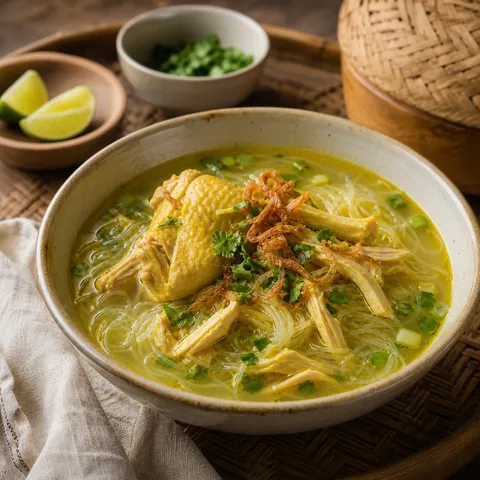 Indonesian & Malaysian Lens Verified Images are for illustrative purposes only, may be inaccurate, and do not guarantee the presence or absence of specific ingredients.
 Soto Ayam
A golden, turmeric-spiced Indonesian chicken soup with glass noodles, crispy shallots, and lime — light, herbal, and deeply comforting.
 Indonesian & Malaysian Lens Verified Images are for illustrative purposes only, may be inaccurate, and do not guarantee the presence or absence of specific ingredients.
 Beef Serunding
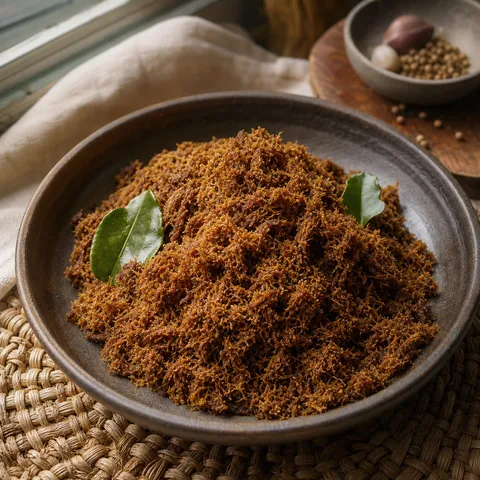
Dry-fried spiced beef floss toasted with coconut and lemongrass until golden and fragrant — a rich, crumbly condiment that transforms plain rice.
 Indonesian & Malaysian Lens Verified Images are for illustrative purposes only, may be inaccurate, and do not guarantee the presence or absence of specific ingredients.
 Nasi Lemak
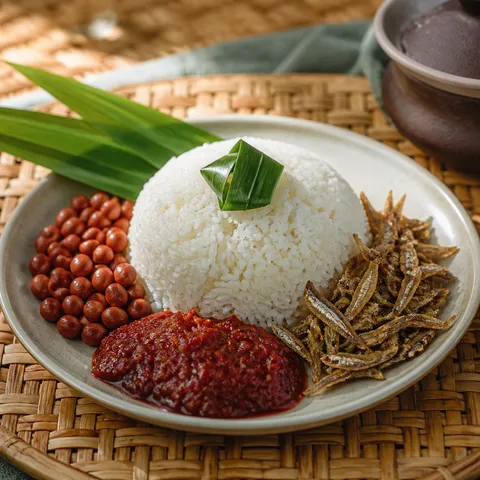
Malaysia's national comfort dish — fragrant coconut rice paired with sambal, crispy anchovies, roasted peanuts, and a soft-boiled egg.