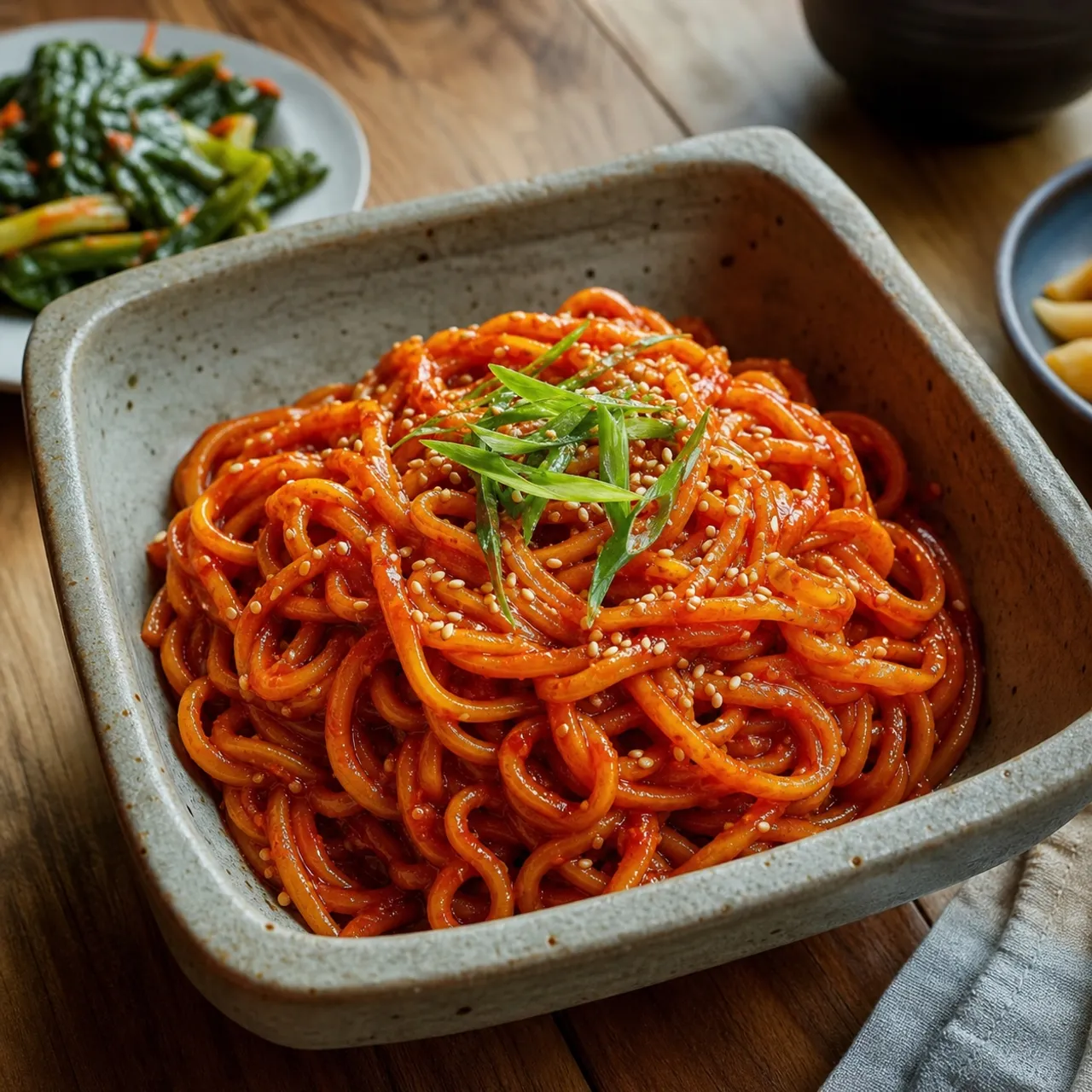
 Korean Images are for illustrative purposes only, may be inaccurate, and do not guarantee the presence or absence of specific ingredients.
 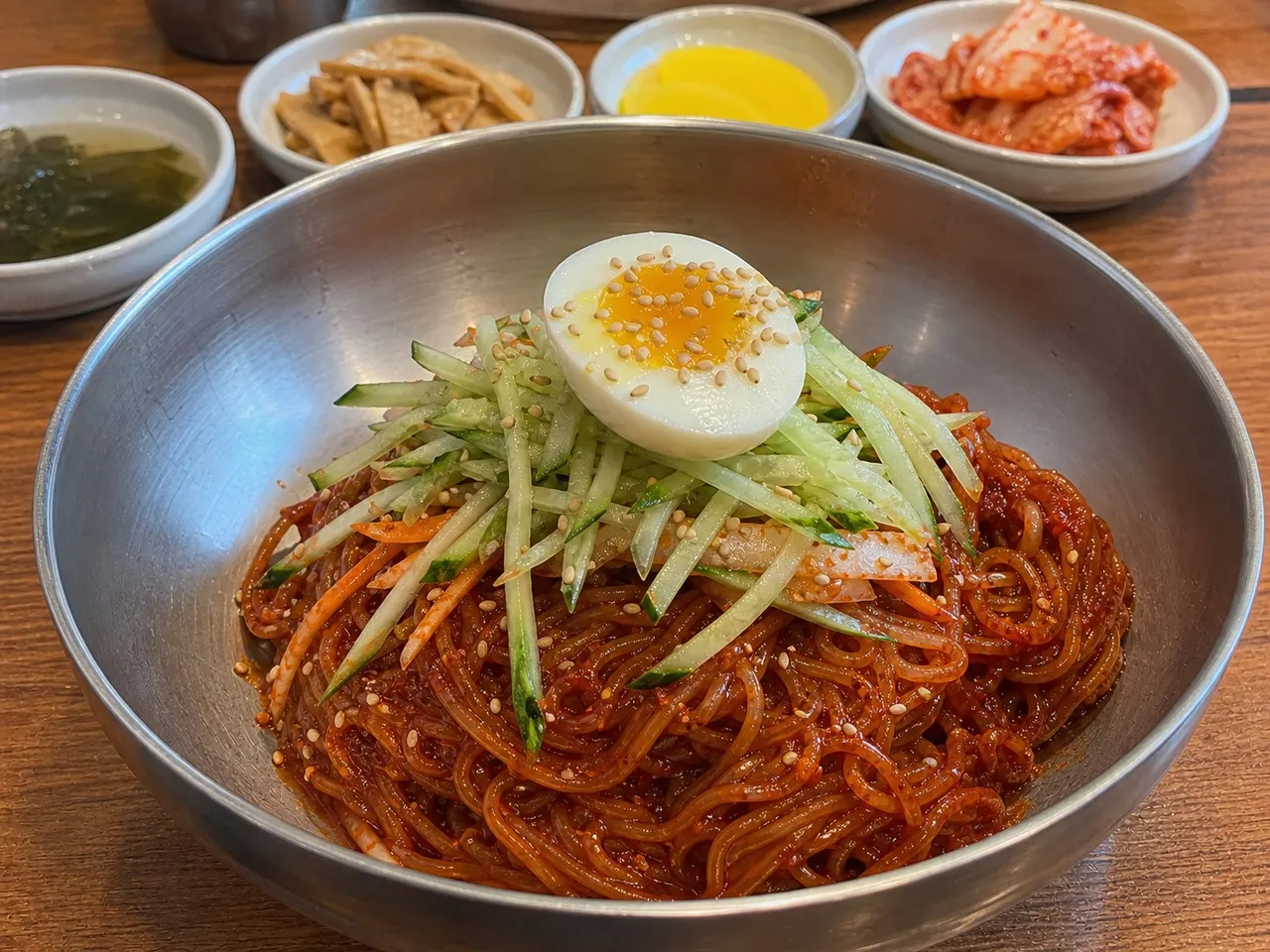 Serving Images are for illustrative purposes only, may be inaccurate, and do not guarantee the presence or absence of specific ingredients.
 Jjolmyeon (Spicy Chewy Noodles)
Very chewy wheat noodles served cold with lots of fresh vegetables and a sweet and sour gochujang sauce.
Contains common allergens
In the app, Listahan checks these against your household automatically.
Good to know
- Ready in under 30 minutes
Matched from this dish's own ingredients and timing. Browse more: 30-minute meals
Instructions
6 steps- 1
Mix the gochujang, white vinegar, corn syrup, sugar, and minced garlic. The sauce should be fiery, highly acidic, and sweet.
- 2
Boil the fresh jjolmyeon noodles in plenty of water for exactly 3-4 minutes. They are thicker and starchier than regular noodles, so stir often.
- 3
Drain the noodles and scrub them violently under running cold water until the water runs completely clear. This step is essential for their signature rubbery, chewy texture.
- 4
Place the drained noodles in a large mixing bowl. Add the blanched soybean sprouts, shredded cabbage, and julienned cucumber.
- 5
Pour the spicy-sweet-sour sauce over the top.
- 6
Using a plastic glove, vigorously mix the noodles, vegetables, and sauce by hand until everything is uniformly coated in bright red. Transfer to serving bowls and top with half a boiled egg.
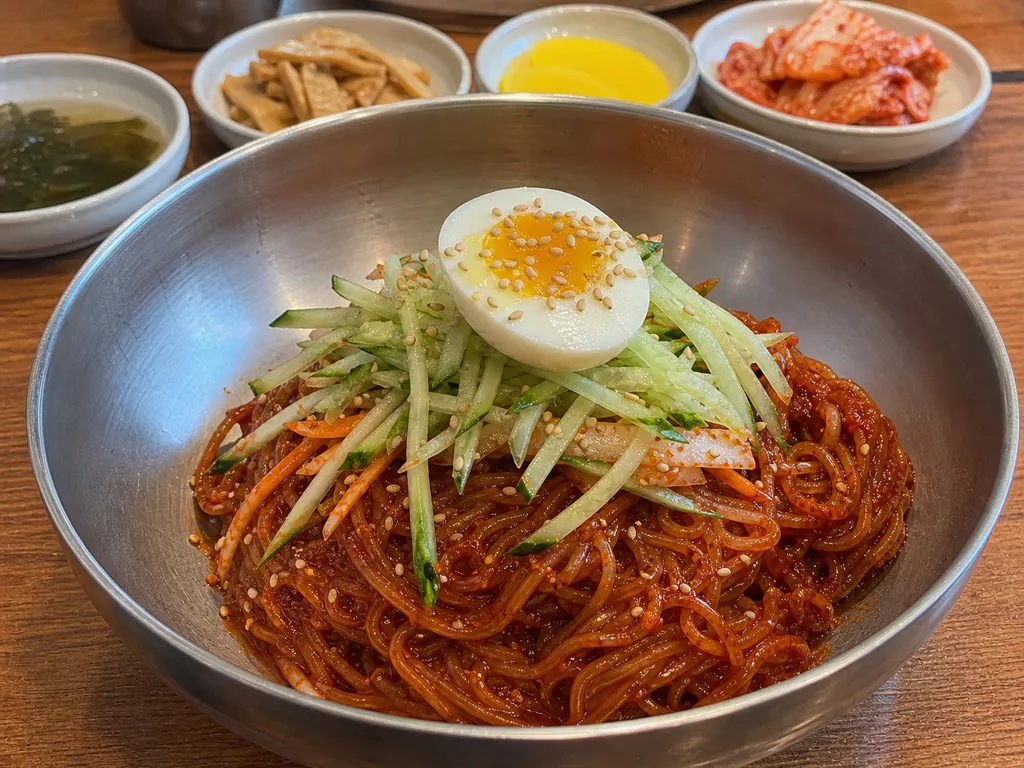 Images are for illustrative purposes only, may be inaccurate, and do not guarantee the presence or absence of specific ingredients.
 Listahan Family Score™
64/100
Works for many families
Score reflects how well this recipe fits a typical busy household. In the app, your Family Score is personalized to your household's allergens, kids, and pantry.
Nutrition
per serving30
Calories
1 g
Protein
8 g
Carbs
0 g
Fat
Estimated per serving. Actual values depend on the brands and portions you use.
Listahan cooking guide
Chef notes & practical guide
Technique notes, ingredient swaps, serve-alongside ideas, storage guidance, and equipment for this recipe.
Cultural context
Jjolmyeon is named for its remarkably chewy, springy wheat noodles, tossed cold in a sweet-spicy gochujang sauce with crisp vegetables. Said to have been created by accident at a noodle factory, it became a beloved snack-bar dish. The extreme chew of the noodles is the whole identity.
Listahan note
This version pairs the signature ultra-chewy noodles with a bright gochujang sauce and a pile of crunchy raw vegetables for contrast.
Technique cues
- Rinse the cooked noodles in cold water to lock in their chew.
- Toss with the sauce right before serving so the vegetables stay crisp.
- Balance the sauce sweet, spicy, and tangy.
Kitchen flow
- Parallel prep
- Make the sauce and prep vegetables while the noodles cook and chill.
- Make-ahead
- Prep components ahead; toss at serving.
- Leftover move
- Keep components separate; assemble fresh for the best texture.
- Cleanup rhythm
- One pot and a bowl; rinse the noodle pot promptly.
Ingredient brief
Role, handling, and swap guidance for each key ingredient.
Jjolmyeon noodles
Base
Purpose: Their extreme chew is the entire point of the dish.
Handling: Boil briefly, then rinse cold and drain.
Adaptation: These are specific; very chewy wheat noodles are the closest backup.
Gochujang sauce
Dressing
Purpose: Coats the noodles in sweet-spicy-tangy flavor.
Handling: Whisk gochujang with vinegar, sugar, and garlic.
Adaptation: Adjust the heat to taste.
Soybean sprouts and cabbage
Vegetables
Purpose: Add crunch and freshness against the chewy noodles.
Handling: Blanch the sprouts; shred the cabbage raw.
Adaptation: Cucumber and carrot work too.
Egg
Topping
Purpose: A halved boiled egg adds richness and the classic finish.
Handling: Boil and halve.
Adaptation: Omit for an egg-free dish.
Technique notes
- Cold-rinse the noodles thoroughly for maximum chew.
- Dress at the last moment to keep the vegetables crunchy.
- Serve cold and well chilled.
Ingredient swaps
- Gluten-free direction
- Use chewy rice or sweet-potato noodles and gluten-free gochujang.
- Egg-free direction
- Skip the egg and add more vegetables.
- Milder direction
- Reduce the gochujang and add a touch more vinegar and sugar.
Serve alongside
- Boiled egg
- Kimchi
- Pickled radish
- Mandu
- Barley tea
- Cold soda
- Cold water
Serving suggestions only — check pairings for your household's allergens.
Storage & reheating
- Best fresh; refrigerate undressed components up to 2 days.
- Serve cold; do not reheat.
- Freezing is not recommended.
Equipment
- Pot for noodles
- Colander
- Mixing bowl
- Cutting board
Make this household-aware
Listahan Pro checks this recipe against your household's allergens, finds pantry-aware swaps, builds the shopping list, and helps you plan the week around it.
Plan it in Listahan
Add Jjolmyeon (Spicy Chewy Noodles) to your week, check it against your household's allergens, and build the shopping list automatically.
More Korean recipes
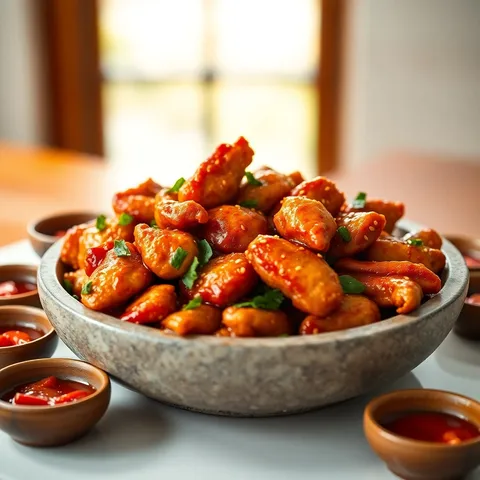 Korean Lens Verified Images are for illustrative purposes only, may be inaccurate, and do not guarantee the presence or absence of specific ingredients.
 Dakgalbi (Spicy Stir-fried Chicken)
Diced chicken marinated in a gochujang-based sauce, stir-fried with sweet potatoes, cabbage, perilla leaves, and tteok.
 Korean Lens Verified Images are for illustrative purposes only, may be inaccurate, and do not guarantee the presence or absence of specific ingredients.
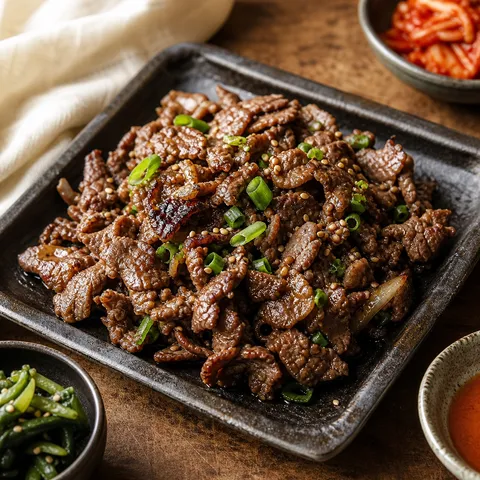
 Bulgogi (Marinated Beef BBQ)
Thinly sliced, marinated beef ribeye or sirloin grilled or stir-fried. Sweet, savory, and tender.
 Korean Lens Verified Images are for illustrative purposes only, may be inaccurate, and do not guarantee the presence or absence of specific ingredients.
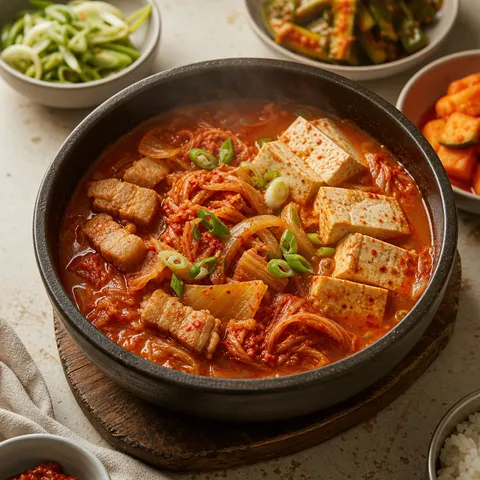
 Kimchi Jjigae (Kimchi Stew)
A classic, comforting stew made with aged kimchi, pork or seafood, scallions, onions, and diced tofu.