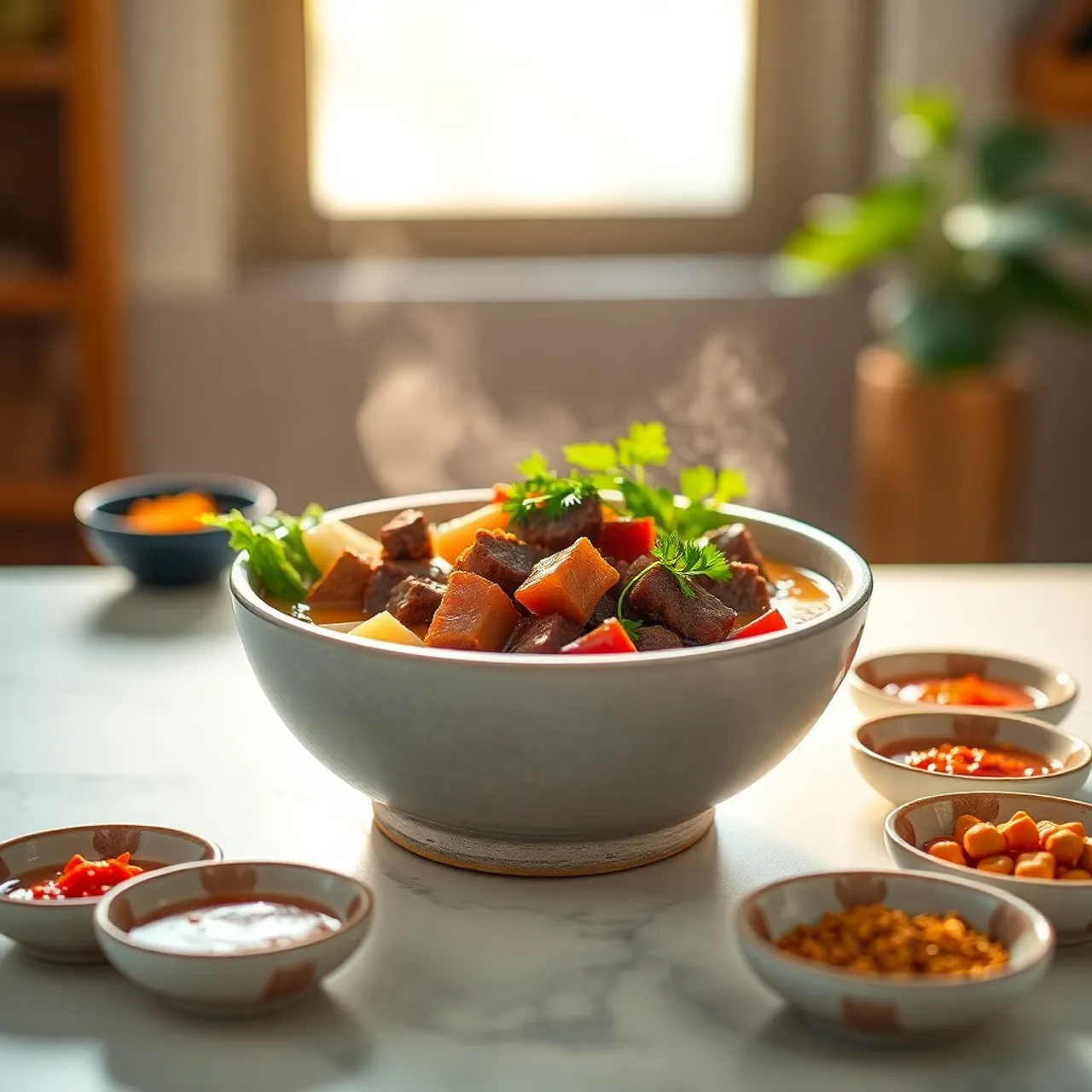
 Korean Images are for illustrative purposes only, may be inaccurate, and do not guarantee the presence or absence of specific ingredients.
 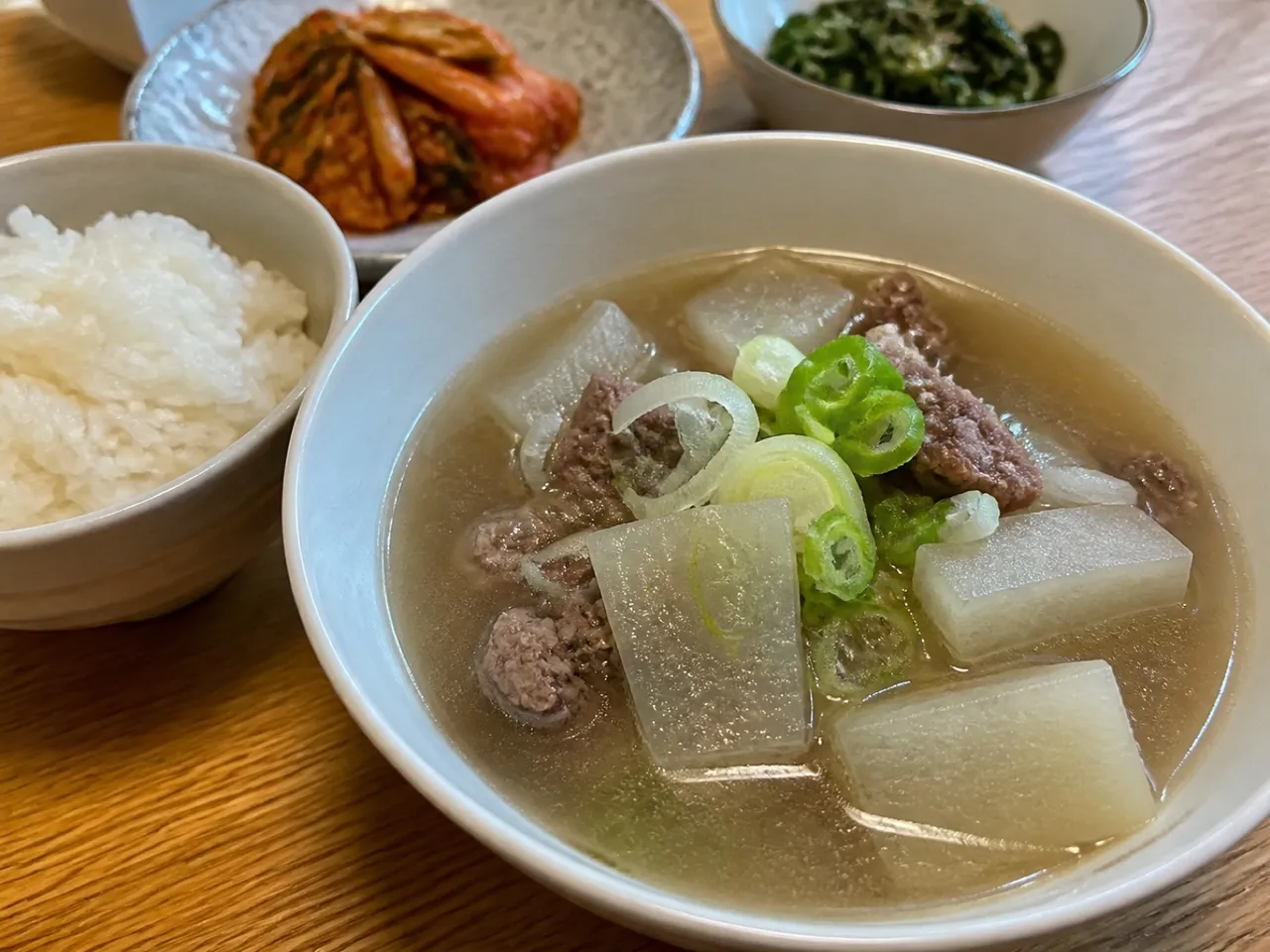 Serving Images are for illustrative purposes only, may be inaccurate, and do not guarantee the presence or absence of specific ingredients.
 Soegogi Muguk (Beef and Radish Soup)
A clean, comforting clear soup of tender beef and sweet Korean radish simmered until the broth turns mellow and deeply soothing.
Contains common allergens
In the app, Listahan checks these against your household automatically.
Good to know
- One-pot
Matched from this dish's own ingredients and timing. Browse more: one-pot dinners
Instructions
6 steps- 1
Heat the sesame oil in a pot over medium heat and stir-fry the sliced beef for 2 to 3 minutes until it loses its raw color.
- 2
Add the radish squares and minced garlic and saute for another 3 minutes until the radish edges turn slightly translucent and fragrant.
- 3
Pour in the water and the soy sauce, bring to a boil, then reduce to a gentle simmer, skimming away any foam that rises.
- 4
Simmer uncovered for 25 to 30 minutes until the radish is soft and almost melting and the broth tastes naturally sweet.
- 5
Season with 1 tsp salt to taste, stir in the sliced scallions, and simmer 2 minutes more.
- 6
Ladle into bowls and serve piping hot with a bowl of steamed rice.
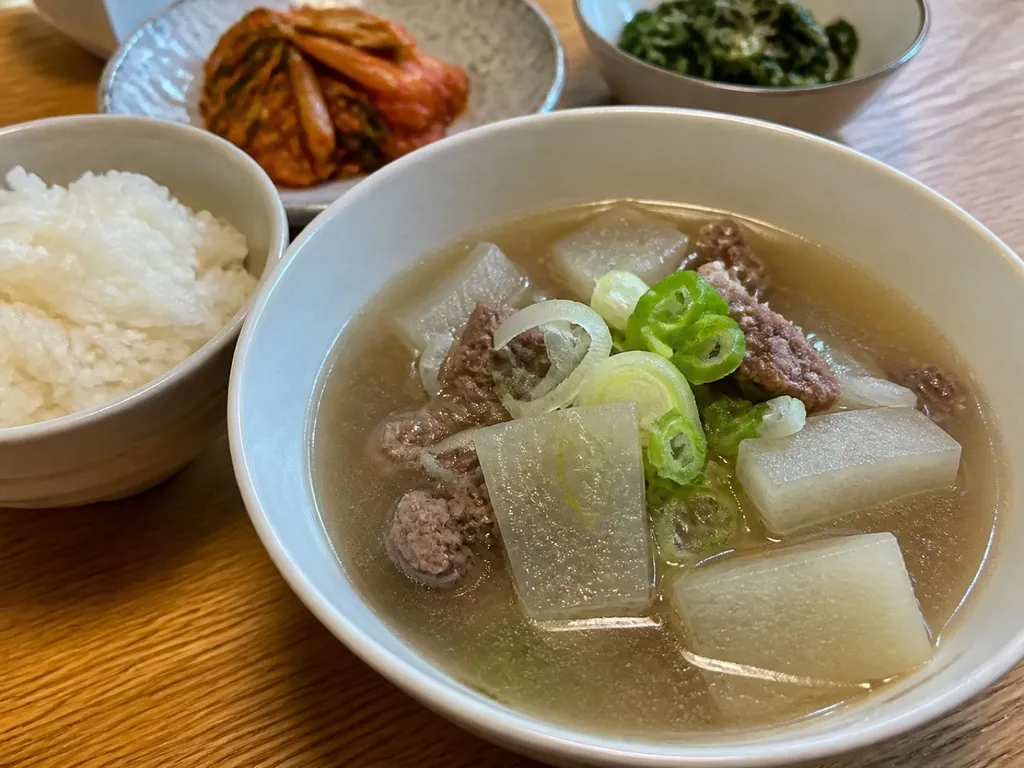 Images are for illustrative purposes only, may be inaccurate, and do not guarantee the presence or absence of specific ingredients.
 Listahan Family Score™
65/100
Works for many families
Score reflects how well this recipe fits a typical busy household. In the app, your Family Score is personalized to your household's allergens, kids, and pantry.
Nutrition
per serving530
Calories
46 g
Protein
10 g
Carbs
33 g
Fat
Estimated per serving. Actual values depend on the brands and portions you use.
Listahan cooking guide
Chef notes & practical guide
Technique notes, ingredient swaps, serve-alongside ideas, storage guidance, and equipment for this recipe.
Cultural context
Soegogi Muguk is a clear, gentle soup of thinly sliced beef and Korean radish, a homey everyday staple. The radish simmers until sweet and translucent in a clean, lightly seasoned broth. It is the kind of mild, comforting soup that rounds out a weeknight Korean meal.
Listahan note
This version sautes the beef and radish in sesame oil first to build flavor, then simmers them in a clear broth seasoned simply with soup soy sauce.
Technique cues
- Saute the beef and radish in sesame oil first for a deeper, rounder broth.
- Simmer the radish until it turns sweet and translucent.
- Season lightly so the soup stays clean and mild.
Kitchen flow
- Parallel prep
- Slice the beef and radish while the rice cooks.
- Make-ahead
- The soup keeps and deepens; make it a day ahead.
- Leftover move
- Leftover Soegogi Muguk (Beef and Radish Soup) reheats well covered on the stove or in the oven with a splash of liquid; avoid the microwave, which tends to toughen the beef brisket on a fast reheat. This one leans on the Korean radish. Plan around the simmer; that's the slow part.
- Cleanup rhythm
- One pot; rinse soon, as sesame oil leaves a film.
Ingredient brief
Role, handling, and swap guidance for each key ingredient.
Thinly sliced beef brisket
Main protein
Purpose: Adds savory depth and tender bites to the clear soup.
Handling: Slice thin and saute with the radish.
Adaptation: Beef chuck works sliced thin.
Korean radish (mu)
Main vegetable
Purpose: Simmers into sweet, translucent pieces that define the soup.
Handling: Cut into thin squares and saute, then simmer until tender.
Adaptation: Daikon is a close substitute.
Sesame oil
Flavor base
Purpose: Toasting the beef and radish in it deepens the broth.
Handling: Saute in it before adding water.
Adaptation: Perilla oil gives an earthier note.
Soup soy sauce (guk-ganjang)
Seasoning
Purpose: Seasons the broth while keeping it pale and clean.
Handling: Season to taste near the end.
Adaptation: Salt works but lacks the fermented depth.
Technique notes
- Sauteing first is what gives the broth its depth.
- Simmer the radish long enough to turn sweet and soft.
- Keep the seasoning light for a clean, comforting soup.
Ingredient swaps
- Spicy direction
- Add gochugaru for a spicy maeun-version.
- Gluten-free direction
- Use a certified gluten-free 1:1 flour blend or gluten-free noodles/breadcrumbs in place of any wheat-based ingredient, and double-check packaged items for hidden wheat. This one leans on the Korean radish.
- Lighter direction
- Use less beef and more radish for a lighter bowl.
Serve alongside
- Steamed white rice
- Kimchi
- Seasoned spinach
- Gyeran mari (rolled omelet)
- Barley tea
- Cold water
- Green tea
Serving suggestions only — check pairings for your household's allergens.
Storage & reheating
- Refrigerate up to 4 days; the flavor improves with time.
- Reheat gently on the stovetop until hot.
- Freeze up to 2 months; thaw and warm through.
Equipment
- Soup pot
- Ladle
- Cutting board
- Sharp knife
Make this household-aware
Listahan Pro checks this recipe against your household's allergens, finds pantry-aware swaps, builds the shopping list, and helps you plan the week around it.
Plan it in Listahan
Add Soegogi Muguk (Beef and Radish Soup) to your week, check it against your household's allergens, and build the shopping list automatically.
More Korean recipes
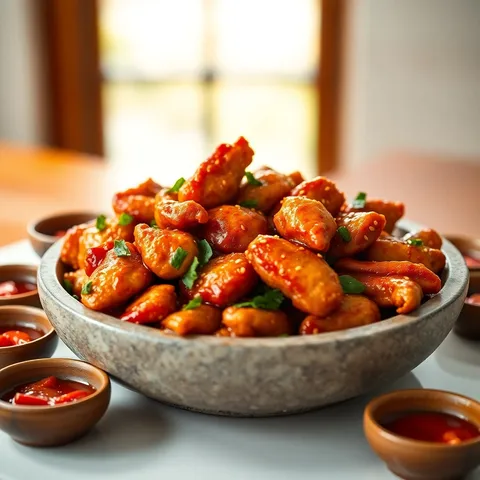 Korean Lens Verified Images are for illustrative purposes only, may be inaccurate, and do not guarantee the presence or absence of specific ingredients.
 Dakgalbi (Spicy Stir-fried Chicken)
Diced chicken marinated in a gochujang-based sauce, stir-fried with sweet potatoes, cabbage, perilla leaves, and tteok.
 Korean Lens Verified Images are for illustrative purposes only, may be inaccurate, and do not guarantee the presence or absence of specific ingredients.
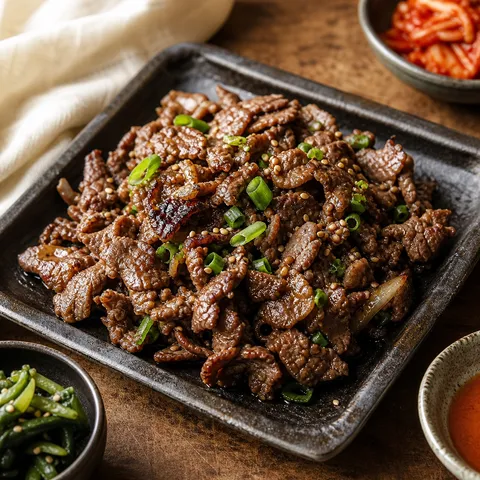
 Bulgogi (Marinated Beef BBQ)
Thinly sliced, marinated beef ribeye or sirloin grilled or stir-fried. Sweet, savory, and tender.
 Korean Lens Verified Images are for illustrative purposes only, may be inaccurate, and do not guarantee the presence or absence of specific ingredients.
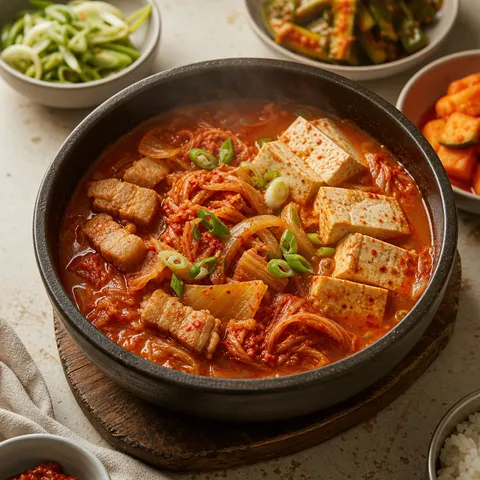
 Kimchi Jjigae (Kimchi Stew)
A classic, comforting stew made with aged kimchi, pork or seafood, scallions, onions, and diced tofu.