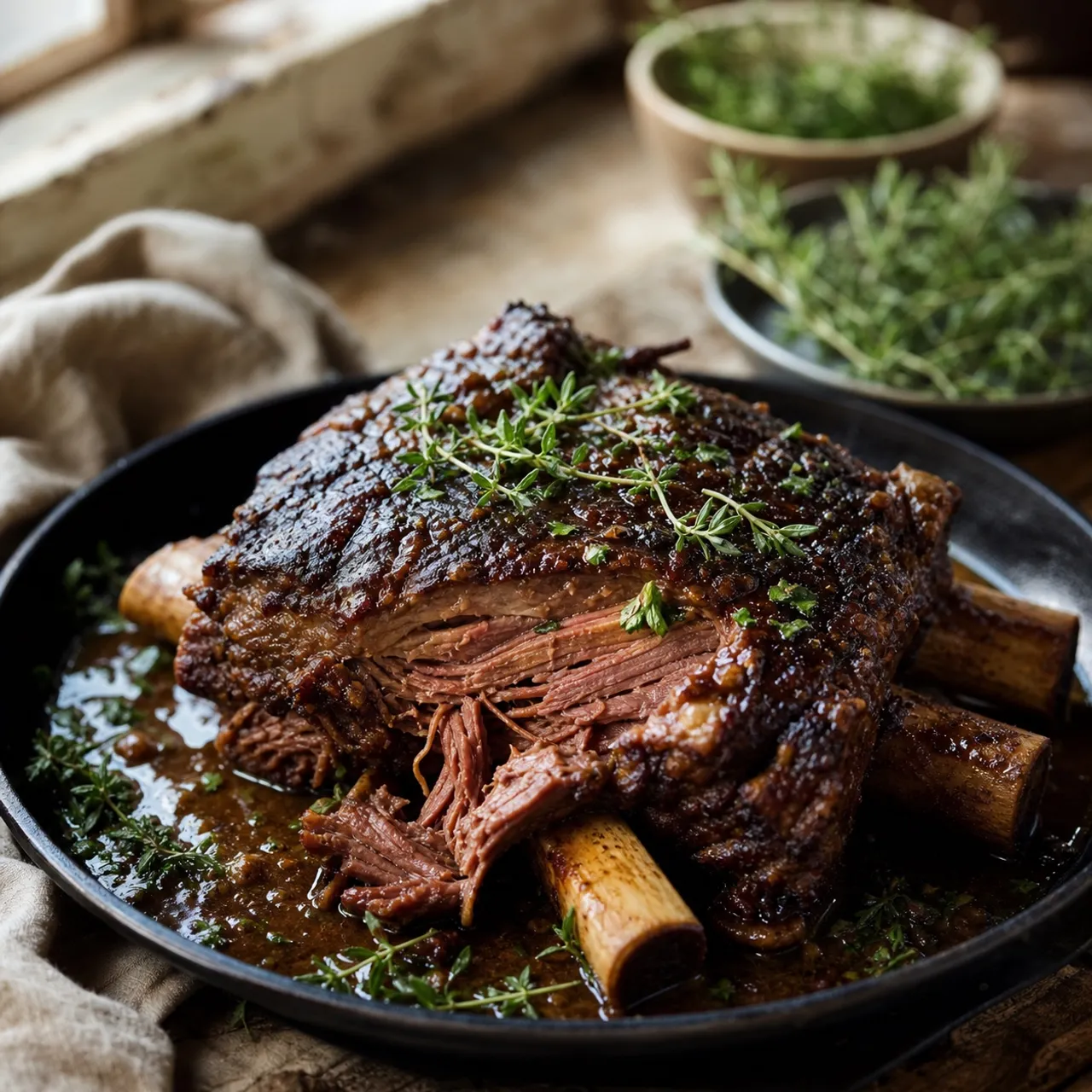
 Meat & Pork Images are for illustrative purposes only, may be inaccurate, and do not guarantee the presence or absence of specific ingredients.
 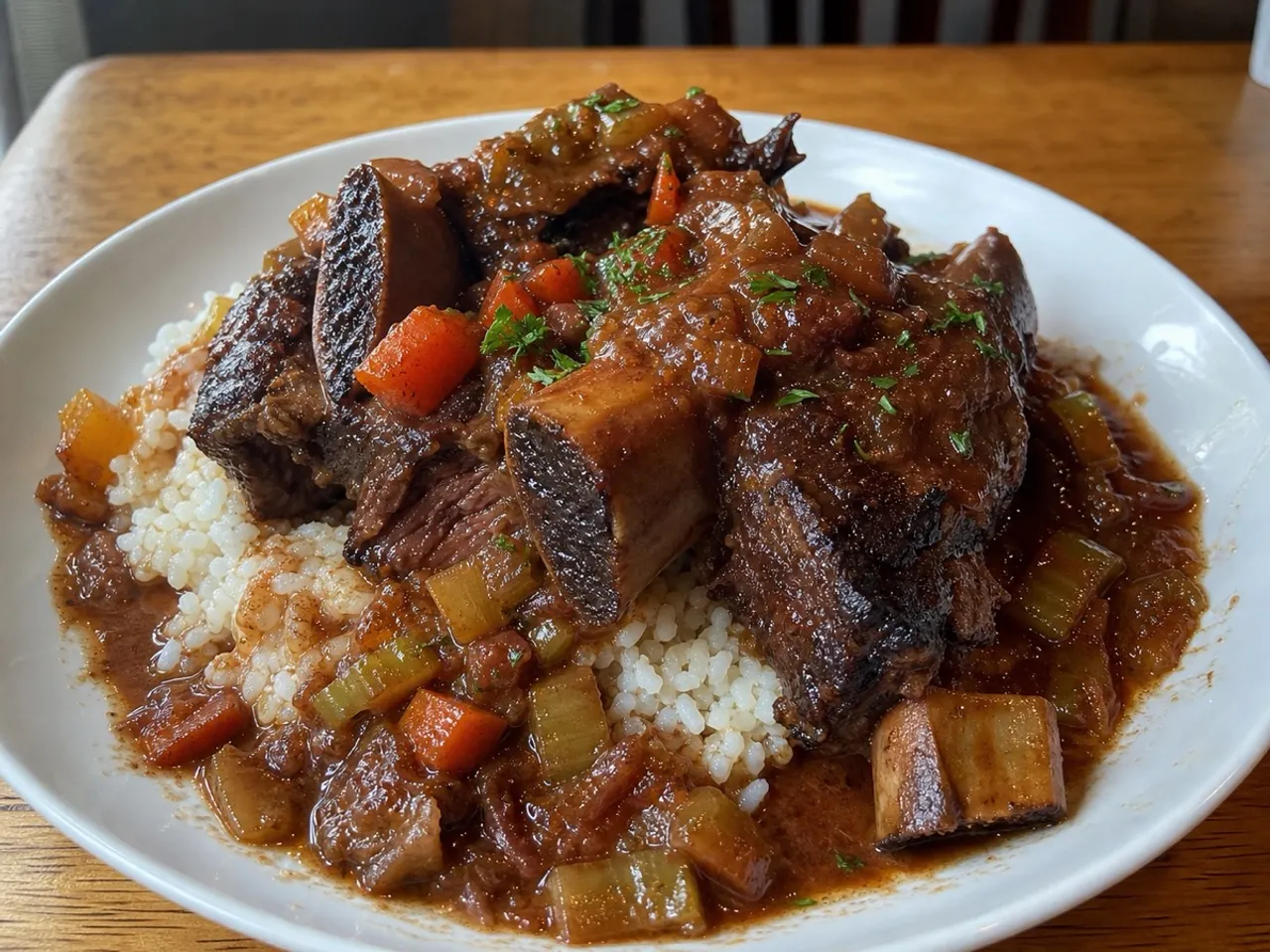 Serving Images are for illustrative purposes only, may be inaccurate, and do not guarantee the presence or absence of specific ingredients.
 Braised Beef Short Ribs
Bone-in short ribs braised in red wine and beef stock until the meat falls off the bone, finished with a silky pan sauce.
Contains common allergens
In the app, Listahan checks these against your household automatically.
Good to know
- One-pot
Matched from this dish's own ingredients and timing. Browse more: one-pot dinners
Instructions
6 steps- 1
Preheat oven to 325°F. Season short ribs with salt and pepper, then dust lightly with flour, shaking off excess.
- 2
Heat olive oil in a large Dutch oven over high heat and sear the ribs on all sides until well browned, about 8 minutes; remove and set aside.
- 3
Add onion, carrots, and celery to the pot and cook until softened, about 6 minutes. Stir in garlic and tomato paste and cook 1 minute.
- 4
Pour in the red wine and simmer 3-4 minutes to reduce slightly, scraping up browned bits. Add beef stock, bay leaves, thyme, and rosemary, then return the ribs to the pot, nestling them into the liquid.
- 5
Cover and braise in the oven for 2.5 to 3 hours, until the meat is fork-tender and pulling away from the bone.
- 6
Transfer ribs to a platter, discard bay leaves and herb stems, and skim excess fat from the sauce. Simmer the sauce on the stovetop until slightly thickened, then spoon over the ribs to serve.
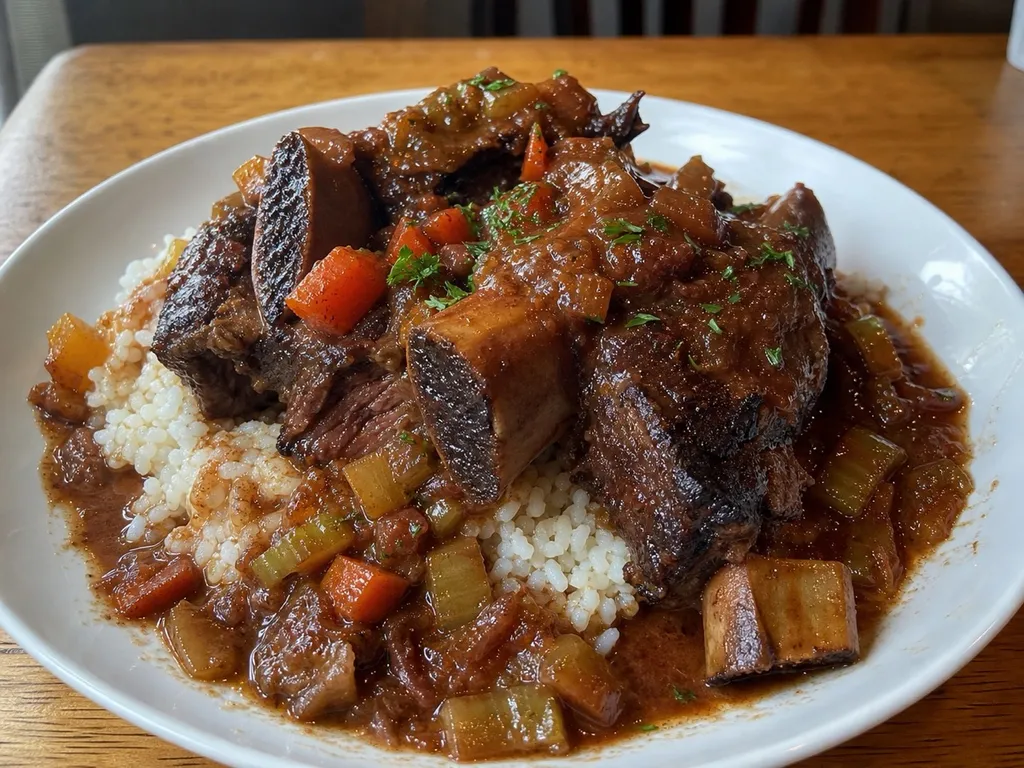 Images are for illustrative purposes only, may be inaccurate, and do not guarantee the presence or absence of specific ingredients.
 Listahan Family Score™
61/100
Works for many families
Score reflects how well this recipe fits a typical busy household. In the app, your Family Score is personalized to your household's allergens, kids, and pantry.
Nutrition
per serving1410
Calories
123 g
Protein
20 g
Carbs
79 g
Fat
Estimated per serving. Actual values depend on the brands and portions you use.
Listahan cooking guide
Chef notes & practical guide
Technique notes, ingredient swaps, serve-alongside ideas, storage guidance, and equipment for this recipe.
Cultural context
Red-wine braised short ribs sit in the same practical family as French beef braises: inexpensive, hardworking cuts cooked slowly with wine, stock, aromatics, and herbs until the connective tissue turns tender. In North American kitchens, the dish often lands between bistro comfort food and Sunday dinner, with a glossy sauce that feels special without needing fussy plating.
Listahan note
This version keeps the method classic and direct: hard sear, softened vegetables, wine reduction, then a low oven braise. The real payoff comes from taking a few minutes at the end to skim and reduce the sauce instead of serving it straight from the pot.
Technique cues
- Short ribs need deep browning before the liquid goes in; pale ribs will still get tender, but the sauce will taste flatter.
- Reducing the red wine before adding stock cooks off its raw edge and concentrates the browned bits from the pot.
- The ribs are done when a fork slides in easily and the meat pulls back from the bone, not when the timer simply runs out.
Kitchen flow
- Parallel prep
- Chop the onion, carrots, celery, and garlic while the oven preheats, then measure the wine and stock before searing starts.
- Make-ahead
- Braise the ribs a day ahead and chill them in the sauce; the fat firms on top and lifts off easily before reheating.
- Leftover move
- Pull leftover meat from the bone and fold it into buttered egg noodles, polenta, or mashed potatoes with a spoonful of reduced sauce.
- Cleanup rhythm
- Scrape the pot well during the wine step, then soak the Dutch oven after serving so the reduced sauce releases without hard scrubbing.
Ingredient brief
Role, handling, and swap guidance for each key ingredient.
Bone-in beef short ribs
Main cut
Purpose: The bone and marbling give the braise body, richness, and the pull-apart texture this dish is built around.
Handling: Pat dry, season well, and dust lightly with flour so the surface browns instead of steaming.
Adaptation: Boneless short ribs work, but they cook a little faster and give the sauce less body.
All-purpose flour
Browning aid
Purpose: A light coating helps the ribs develop a crust and gives the finished sauce a little thickness.
Handling: Shake off excess flour so it does not scorch in the oil or turn the sauce pasty.
Adaptation: You can skip it and rely on careful searing, then reduce the sauce longer at the end.
Onion, carrots, and celery
Aromatic base
Purpose: This trio sweetens and rounds out the wine and beef stock as the braise cooks.
Handling: Chop them roughly but evenly so they soften at the same pace before the liquid is added.
Adaptation: Leek can stand in for some onion, and parsnip can replace part of the carrot for a sweeter, earthier sauce.
Tomato paste
Savory concentrate
Purpose: It deepens the color and adds a roasted, slightly sweet backbone to the pan sauce.
Handling: Cook it briefly with the vegetables until it darkens a shade before pouring in the wine.
Adaptation: A small amount of canned crushed tomato can work, but the sauce will be looser and less concentrated.
Dry red wine
Braising liquid
Purpose: Wine brings acidity and depth that keep the rich beef from tasting heavy.
Handling: Simmer it for a few minutes while scraping the pot so the browned bits dissolve into the sauce.
Adaptation: Use extra beef stock with a splash of red wine vinegar if you want a less wine-forward version.
Bay leaves, fresh thyme, and fresh rosemary
Herb structure
Purpose: The herbs add a steady background aroma that suits a long braise without competing with the beef.
Handling: Leave sprigs whole so they are easy to remove before reducing the sauce.
Adaptation: Dried thyme and a small pinch of dried rosemary can work, but use less because dried rosemary can dominate.
Technique notes
- Do not crowd the ribs during searing. Work in batches if needed so each side gets a dark crust.
- Keep the braising liquid below the top of the ribs; the exposed edges brown and concentrate while the submerged parts tenderize.
- After braising, rest the ribs on a platter while the sauce reduces so the meat stays intact and the sauce can tighten separately.
Ingredient swaps
- Flourless thickening path
- Skip the flour dusting, sear the ribs carefully on a dry surface, and reduce the sauce a little longer for body.
- No-wine direction
- Use additional beef stock with a small splash of red wine vinegar; the sauce will be rounder and less complex but still balanced.
- Weeknight shortcut
- Braise until tender one day, chill overnight, then skim and reduce the sauce before a faster dinner service the next day.
- Vegetable-forward sauce
- Mash some of the cooked carrots, onion, and celery into the sauce before straining for a thicker, sweeter finish.
Serve alongside
- Creamy mashed potatoes
- Buttered egg noodles
- Soft parmesan polenta
- Roasted green beans with shallots
- Cabernet Sauvignon
- Dry hard cider
- Black tea with lemon
Serving suggestions only — check pairings for your household's allergens.
Storage & reheating
- Refrigerate the ribs with the sauce in a sealed container once cooled.
- Reheat gently on the stovetop or in a covered baking dish with a splash of stock or water until the sauce loosens.
- Freeze ribs and sauce together, thaw overnight, then simmer uncovered to bring the sauce back to a glossy consistency.
Equipment
- Large Dutch oven with lid
- Tongs for turning ribs
- Wooden spoon for scraping browned bits
- Fat separator or wide spoon for skimming
Make this household-aware
Listahan Pro checks this recipe against your household's allergens, finds pantry-aware swaps, builds the shopping list, and helps you plan the week around it.
Plan it in Listahan
Add Braised Beef Short Ribs to your week, check it against your household's allergens, and build the shopping list automatically.
More Meat & Pork recipes
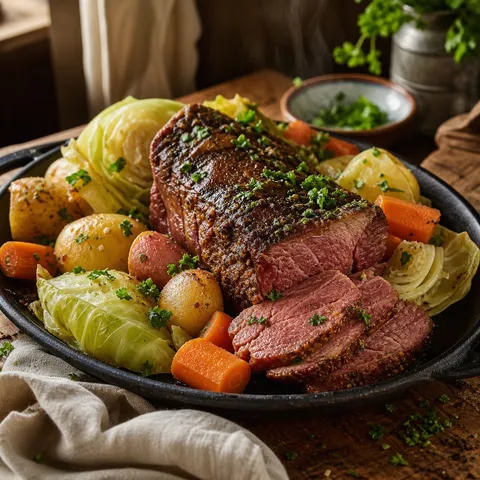 Meat & Pork Lens Verified Images are for illustrative purposes only, may be inaccurate, and do not guarantee the presence or absence of specific ingredients.
 Corned Beef and Cabbage
A classic Irish-American simmer of brined corned beef brisket with cabbage, carrots, and potatoes, served with mustard.
 Meat & Pork Lens Verified Images are for illustrative purposes only, may be inaccurate, and do not guarantee the presence or absence of specific ingredients.
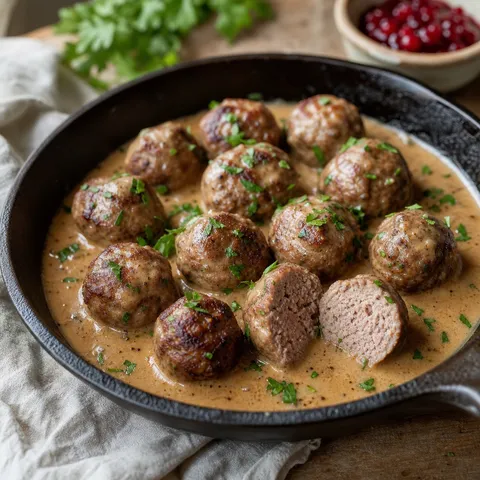
 Swedish Meatballs
Warmly spiced beef and pork meatballs in a velvety sour cream gravy, served over egg noodles with a spoonful of lingonberry jam.
 Meat & Pork Lens Verified Images are for illustrative purposes only, may be inaccurate, and do not guarantee the presence or absence of specific ingredients.
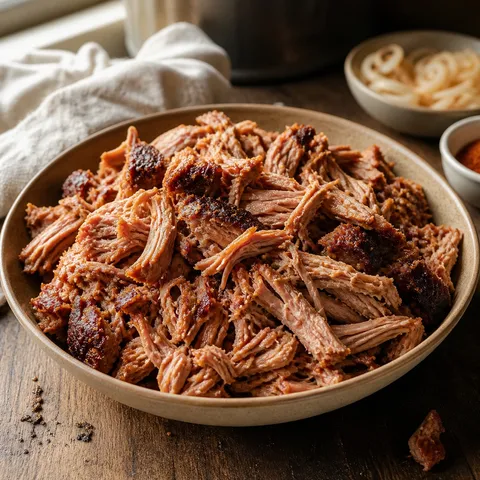
 Slow Cooker Pulled Pork
Fork-tender pork shoulder slow-cooked with a smoky-sweet spice rub until it shreds effortlessly, perfect piled on buns with barbecue sauce.