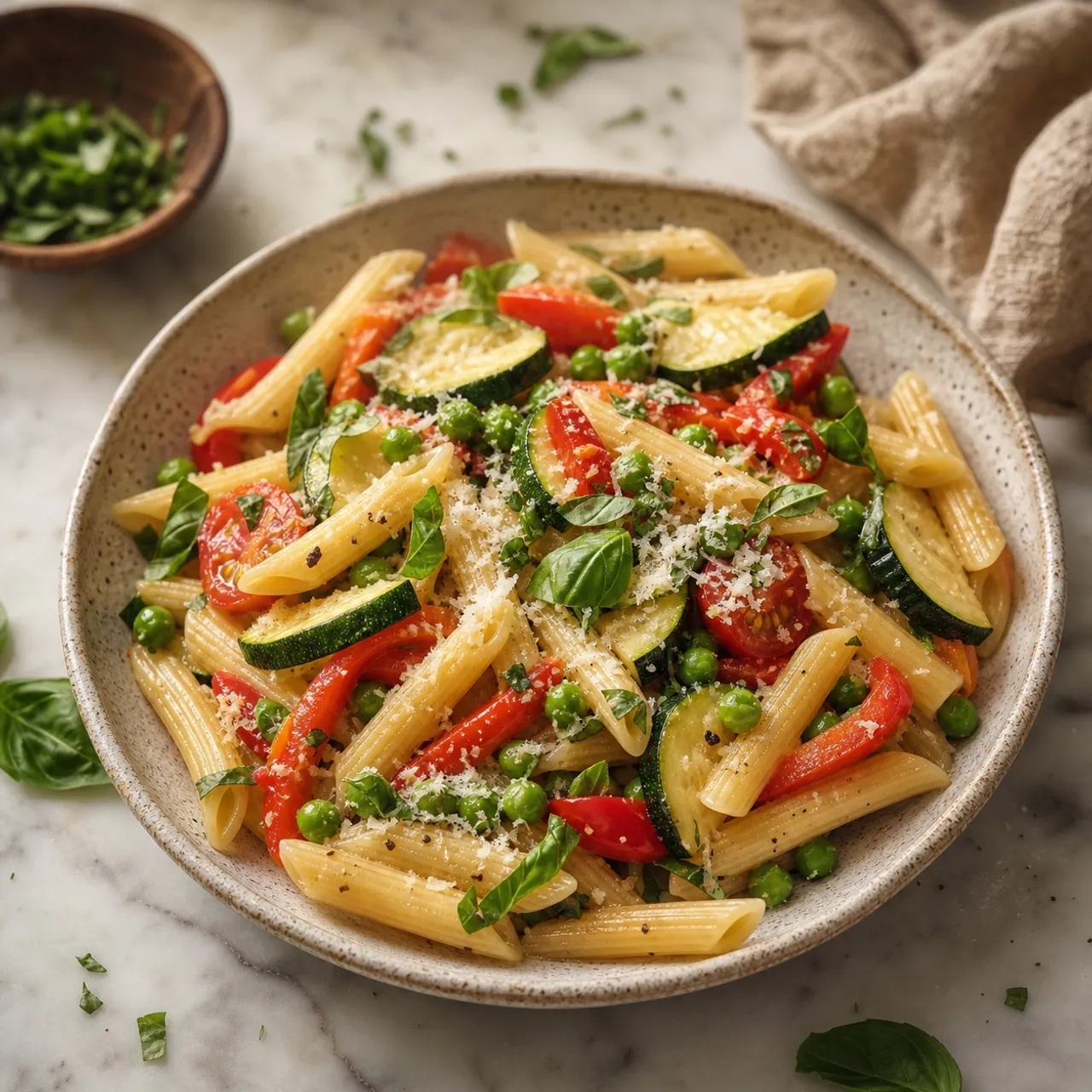
 Mediterranean Images are for illustrative purposes only, may be inaccurate, and do not guarantee the presence or absence of specific ingredients.
 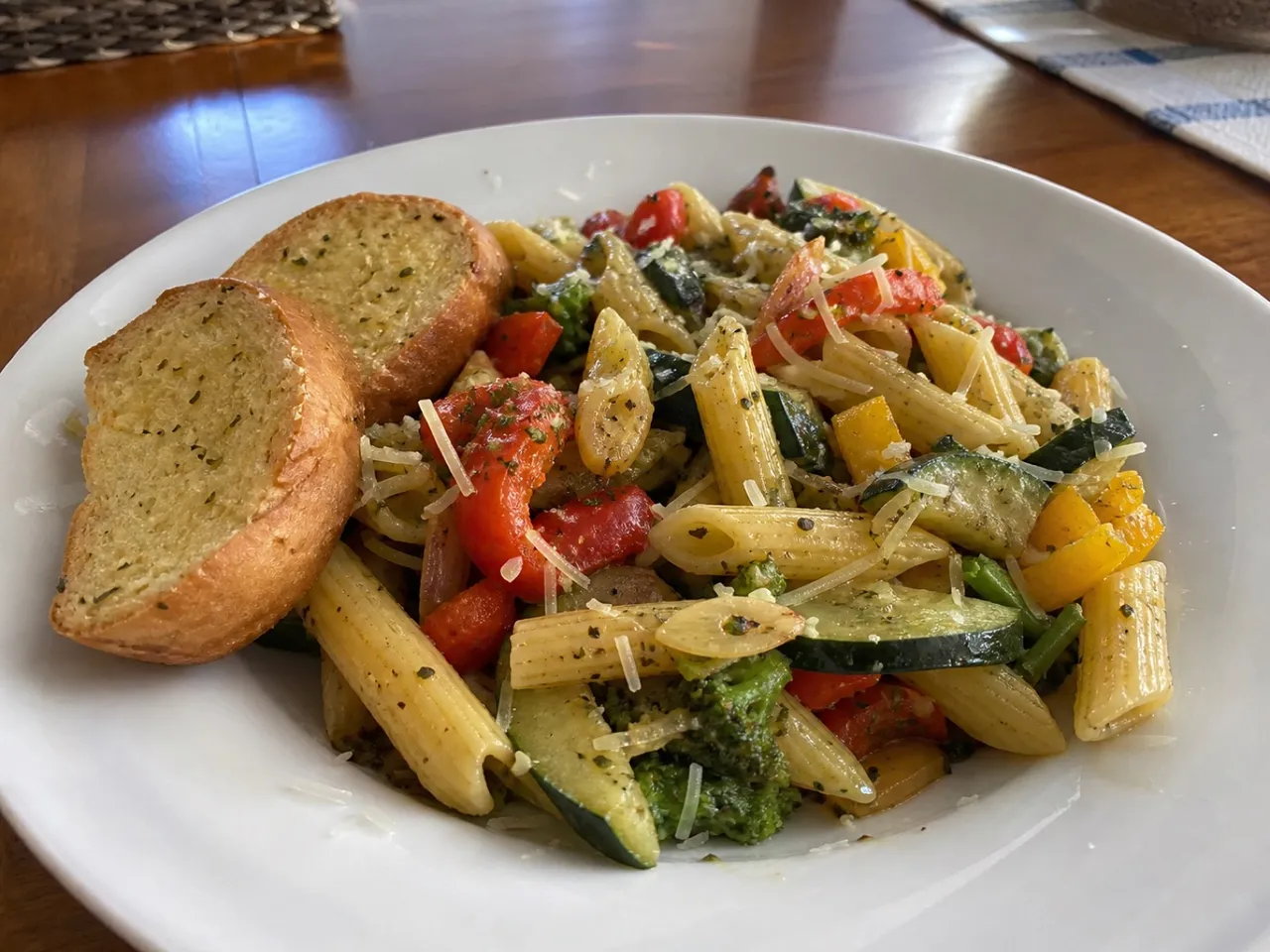 Serving Images are for illustrative purposes only, may be inaccurate, and do not guarantee the presence or absence of specific ingredients.
 Pasta Primavera
An Italian dish consisting of pasta and fresh spring vegetables.
Contains common allergens
In the app, Listahan checks these against your household automatically.
Good to know
- Ready in under 30 minutes
Matched from this dish's own ingredients and timing. Browse more: 30-minute meals
Instructions
6 steps- 1
Bring a large pot of heavily salted water to a boil. Cook the pasta according to package instructions until al dente. Reserve 1/2 cup of pasta water before draining.
- 2
While pasta cooks, heat olive oil in a large skillet over medium-high heat. Add the zucchini and red bell pepper strips, sautéing for 4-5 minutes until tender-crisp.
- 3
Add the halved cherry tomatoes, peas, and minced garlic to the skillet. Cook for another 2-3 minutes until the tomatoes soften and the garlic is fragrant.
- 4
Add the drained pasta directly to the skillet with the vegetables.
- 5
Pour in a splash of the reserved pasta water and toss everything together over low heat, allowing the starchy water to create a light sauce with the olive oil.
- 6
Remove from heat, stir in the grated parmesan cheese and fresh basil. Toss well, season with salt and pepper, and serve warm.
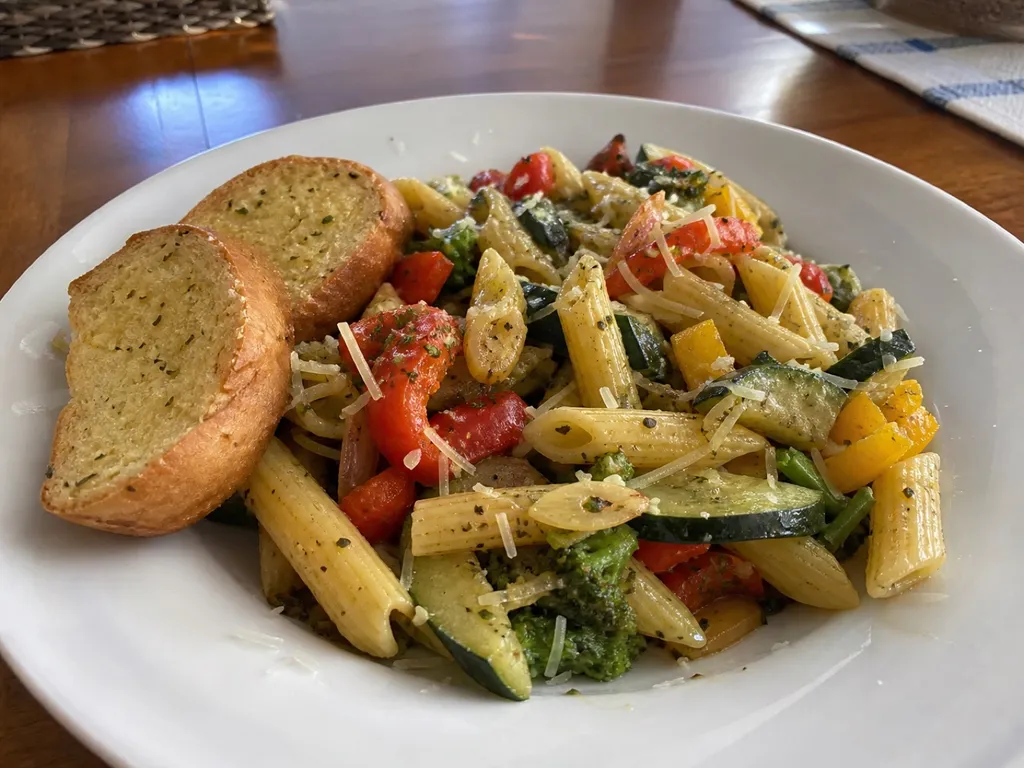 Images are for illustrative purposes only, may be inaccurate, and do not guarantee the presence or absence of specific ingredients.
 Listahan Family Score™
75/100
Good fit for most families
Score reflects how well this recipe fits a typical busy household. In the app, your Family Score is personalized to your household's allergens, kids, and pantry.
Nutrition
per serving730
Calories
25 g
Protein
100 g
Carbs
25 g
Fat
Estimated per serving. Actual values depend on the brands and portions you use.
Listahan cooking guide
Chef notes & practical guide
Technique notes, ingredient swaps, serve-alongside ideas, storage guidance, and equipment for this recipe.
Cultural context
Pasta primavera is an Italian-American creation rather than an old-country classic, popularized in 1970s New York at the restaurant Le Cirque, where it became a sensation as a lighter, vegetable-forward plate. Its name means 'spring' in Italian, a nod to the bright, just-tender vegetables that define it. The dish reads Mediterranean because it leans on the region's habit of letting good produce, olive oil, and a little cheese do the work.
Listahan note
This version keeps the vegetables crisp-tender and tosses everything with a light garlic-oil and a splash of pasta water instead of a heavy cream sauce, so the produce stays the star.
Technique cues
- Add vegetables to the pan in order of how long they take, firmest first, so everything finishes crisp-tender at the same moment instead of some going to mush.
- Save a cup of starchy pasta water before draining and add it in splashes while tossing, which emulsifies the oil into a light sauce that clings to the noodles.
- Finish off the heat with the cheese and a squeeze of lemon so the dairy stays creamy rather than seizing into clumps.
Kitchen flow
- Parallel prep
- Bring the pasta water to a boil while you slice all the vegetables, so the moment the pasta goes in you start the saute.
- Make-ahead
- Slice all the vegetables and grate the cheese a day ahead and store separately, leaving only the cooking for dinner time.
- Leftover move
- Reheat gently with a splash of water and stir in fresh lemon and a handful of arugula to revive the brightness.
- Cleanup rhythm
- The one pot and one skillet can soak while you eat, since starchy pasta residue lifts easily with warm water.
Ingredient brief
Role, handling, and swap guidance for each key ingredient.
Pasta
the base
Purpose: A medium shape with ridges or curves catches the light oil sauce and tucks small vegetable pieces into its folds.
Handling: Cook in well-salted water one minute shy of the package time so it finishes in the pan with the vegetables.
Adaptation: Use a gluten-free pasta or whole-wheat penne with no change to the method.
Zucchini
tender spring vegetable
Purpose: It cooks quickly and soaks up the garlic oil while keeping a little bite, anchoring the dish's fresh character.
Handling: Slice into half-moons or thin batons so it cooks evenly in just a few minutes.
Adaptation: Yellow summer squash or asparagus tips work the same way.
Bell pepper
sweet and color
Purpose: It adds sweetness and a snap of color that keeps the plate looking like spring on the plate.
Handling: Cut into thin strips so it softens quickly without losing its shape.
Adaptation: Cherry tomatoes added at the end give a juicier sweetness if peppers are not on hand.
Garlic
aromatic backbone
Purpose: Gently cooked garlic in olive oil becomes the quiet foundation that ties the vegetables and pasta together.
Handling: Thinly slice or mince and cook just until fragrant and pale gold, not browned.
Adaptation: A pinch of garlic powder stirred into the oil works in a pinch, though fresh is brighter.
Parmesan
savory finish
Purpose: Grated cheese melts into the pasta water to give the light sauce body and a salty, nutty depth.
Handling: Grate fresh and add off the heat so it melts smoothly instead of clumping.
Adaptation: Pecorino is sharper, or nutritional yeast gives a dairy-free savory note.
Technique notes
- Cook the vegetables hot and fast in a wide pan so they sear and stay vibrant rather than steam and go limp.
- Taste the pasta water before salting the dish, since most of the seasoning rides in on that starchy liquid.
- Toss the finished pasta vigorously for thirty seconds so the oil, water, and cheese emulsify into a glossy coat.
Ingredient swaps
- Gluten-free direction
- Swap in a corn-and-rice gluten-free pasta and reserve extra cooking water, since these shapes release less starch.
- Dairy-free option
- Skip the Parmesan and finish with nutritional yeast plus a little extra olive oil and lemon for savory lift.
- Higher-protein direction
- Add a cup of white beans or grilled chicken strips with the vegetables to make it a full meal.
Serve alongside
- Garlic bread with herb butter
- Arugula salad with lemon vinaigrette
- Marinated white bean and olive antipasto
- Chilled Pinot Grigio
- Sparkling water with lemon and basil
Serving suggestions only — check pairings for your household's allergens.
Storage & reheating
- Keeps in an airtight container in the fridge for up to three days.
- Reheat in a skillet with a splash of water over medium heat rather than the microwave, which dries the vegetables; freezing is not recommended because the produce turns watery.
Equipment
- Large pot for boiling pasta
- Wide skillet or saute pan
- Box grater or microplane
- Spider or tongs for transferring pasta
Make this household-aware
Listahan Pro checks this recipe against your household's allergens, finds pantry-aware swaps, builds the shopping list, and helps you plan the week around it.
Plan it in Listahan
Add Pasta Primavera to your week, check it against your household's allergens, and build the shopping list automatically.
More Mediterranean recipes
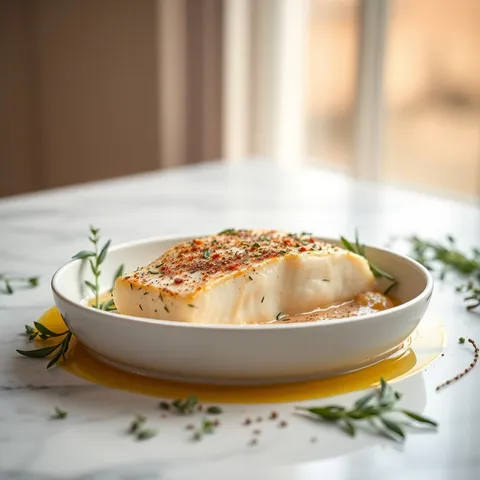 Mediterranean Lens Verified Images are for illustrative purposes only, may be inaccurate, and do not guarantee the presence or absence of specific ingredients.
 Mediterranean Baked Cod
Cod fillets baked with cherry tomatoes, Kalamata olives, and capers in garlicky olive oil, a bright one-pan Mediterranean fish dinner finished with parsley and lemon.
 Mediterranean Lens Verified Images are for illustrative purposes only, may be inaccurate, and do not guarantee the presence or absence of specific ingredients.
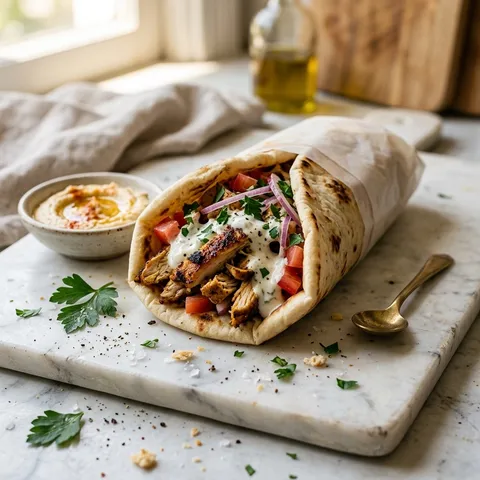
 Shawarma Wraps
Marinated, thinly sliced meat wrapped in a flatbread with vegetables.
 Mediterranean Lens Verified Images are for illustrative purposes only, may be inaccurate, and do not guarantee the presence or absence of specific ingredients.
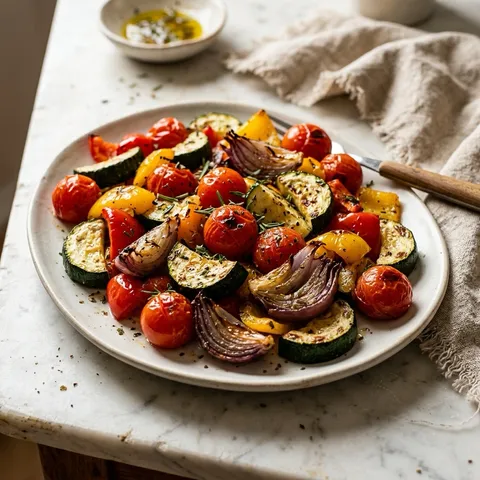
 Mediterranean Roasted Vegetables
A colorful side dish or main of caramelized oven-roasted veggies.