 Seafood Images are for illustrative purposes only, may be inaccurate, and do not guarantee the presence or absence of specific ingredients.
  Serving Images are for illustrative purposes only, may be inaccurate, and do not guarantee the presence or absence of specific ingredients.
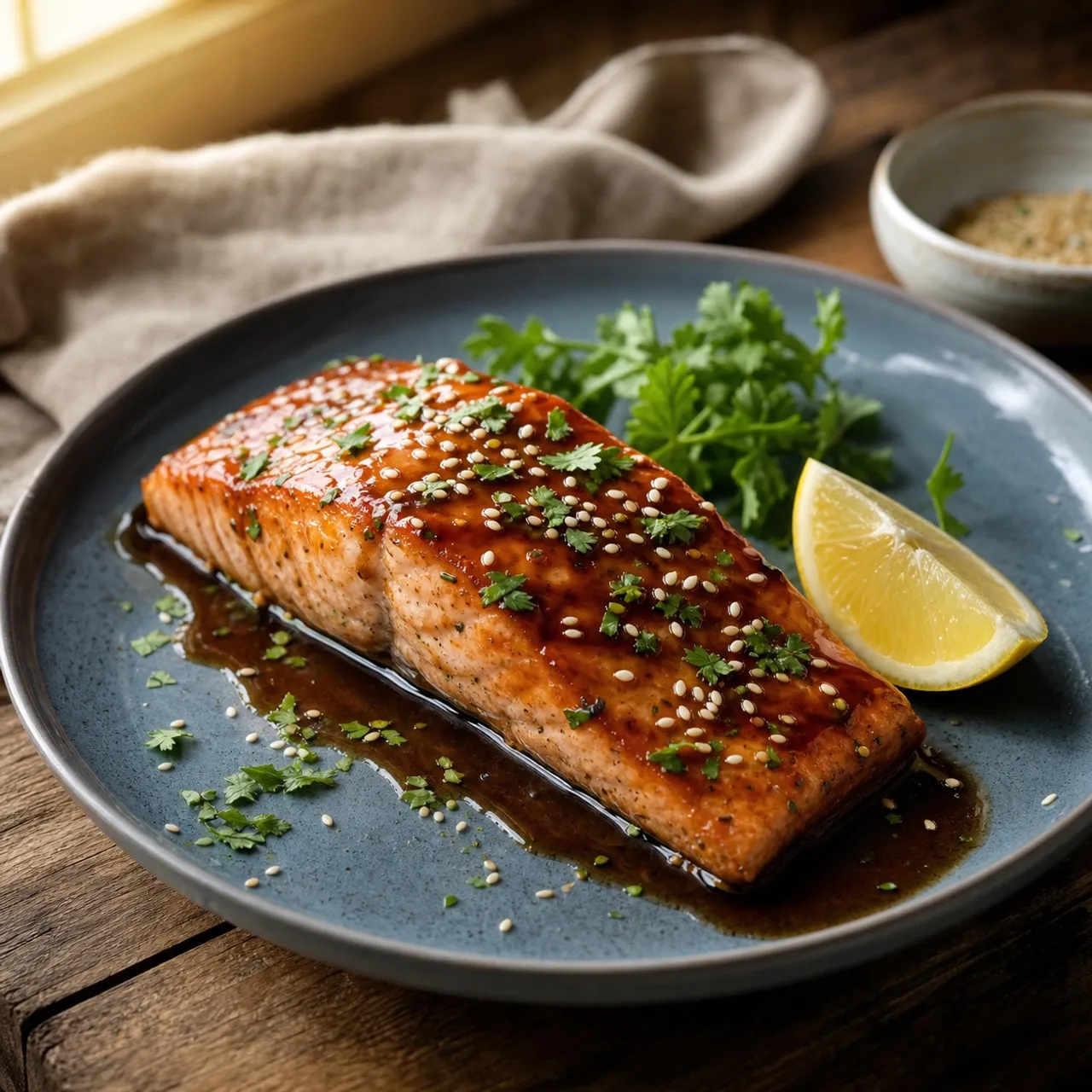
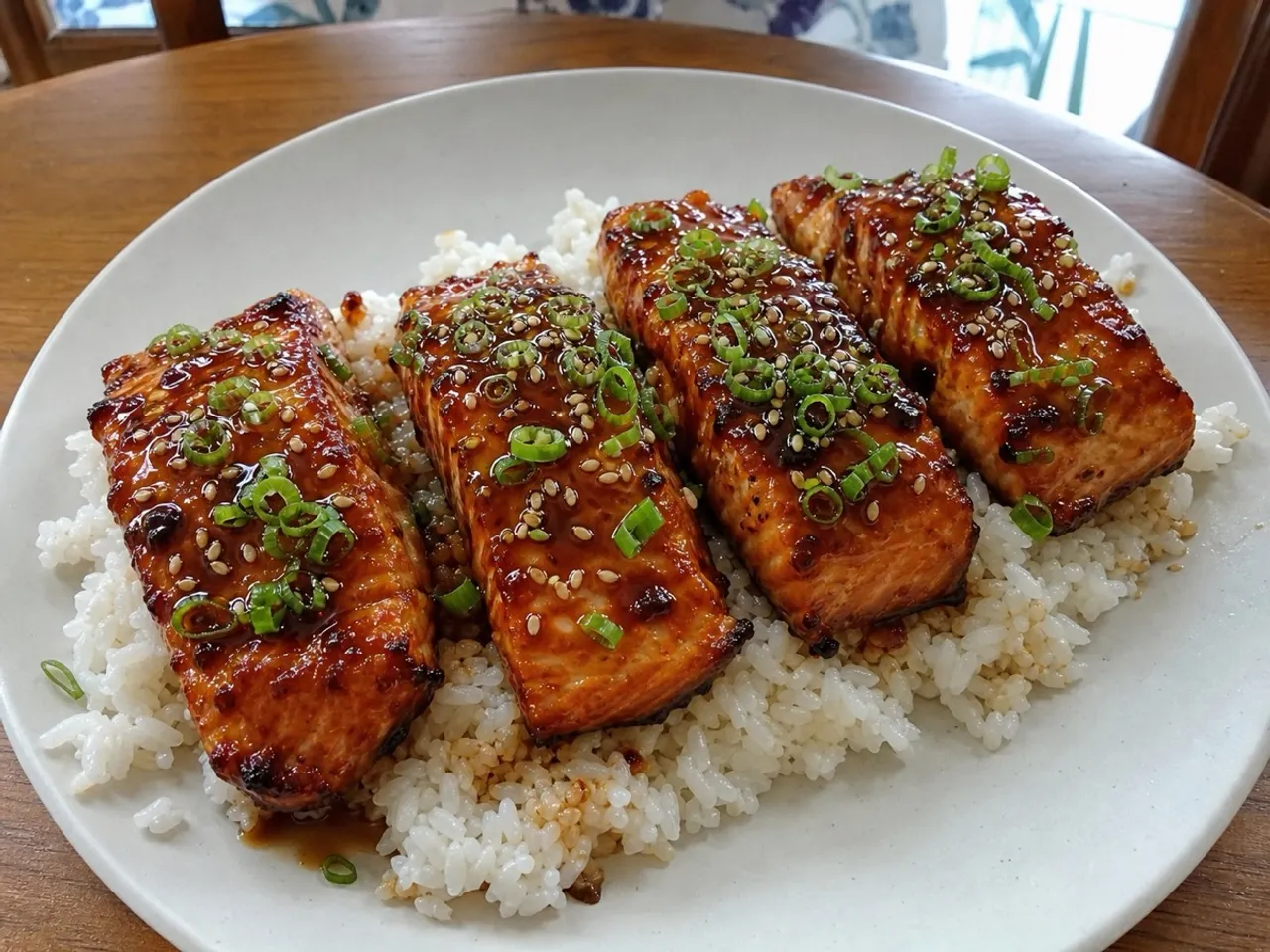
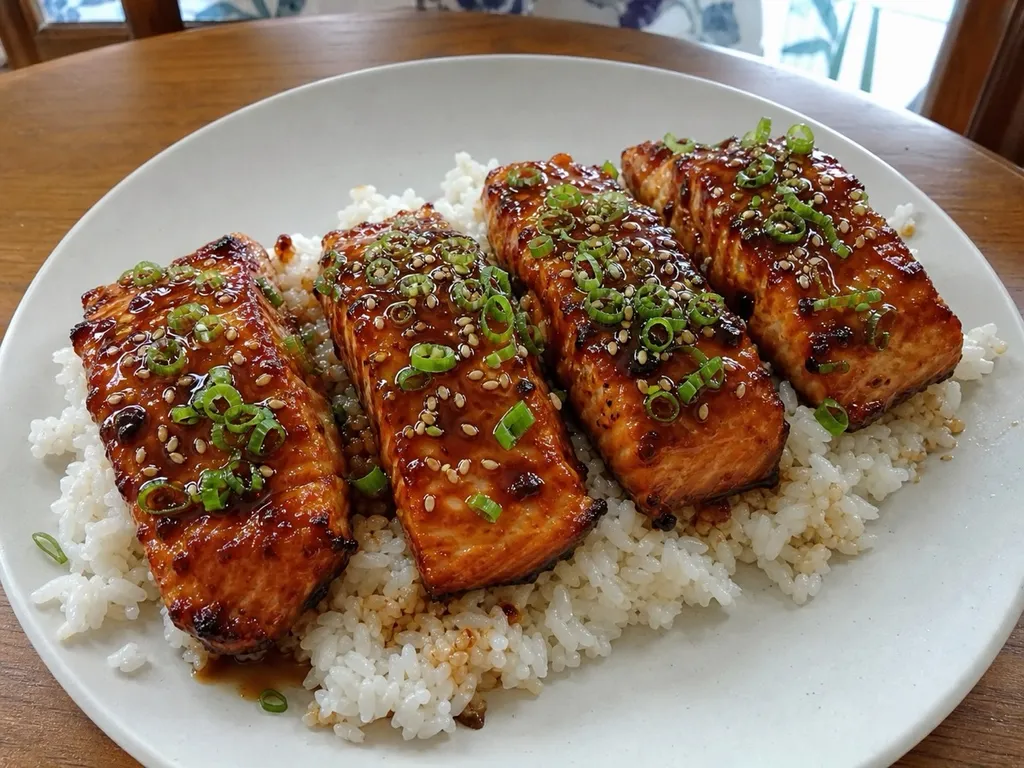
 Teriyaki Glazed Salmon
Pan-seared salmon glazed in a sweet-savory homemade teriyaki sauce, finished with sesame and scallions.
Contains common allergens
In the app, Listahan checks these against your household automatically.
Good to know
- Ready in under 30 minutes
Matched from this dish's own ingredients and timing. Browse more: 30-minute meals
Instructions
6 steps- 1
Whisk soy sauce, mirin, brown sugar, rice vinegar, garlic, and ginger in a small saucepan.
- 2
Bring to a simmer, stir in cornstarch slurry, and cook until thickened; set aside.
- 3
Heat oil in a skillet over medium-high heat and sear salmon skin-side down 4 minutes.
- 4
Flip and cook 2-3 minutes more until nearly cooked through.
- 5
Pour teriyaki glaze over salmon and simmer 1-2 minutes, spooning sauce over the top.
- 6
Garnish with sesame seeds and scallions before serving.
 Images are for illustrative purposes only, may be inaccurate, and do not guarantee the presence or absence of specific ingredients.
 Listahan Family Score™
60/100
Works for many families
Score reflects how well this recipe fits a typical busy household. In the app, your Family Score is personalized to your household's allergens, kids, and pantry.
Nutrition
per serving450
Calories
36 g
Protein
13 g
Carbs
26 g
Fat
Estimated per serving. Actual values depend on the brands and portions you use.
Listahan cooking guide
Chef notes & practical guide
Technique notes, ingredient swaps, serve-alongside ideas, storage guidance, and equipment for this recipe.
Cultural context
Teriyaki, meaning glazed and grilled, is a Japanese cooking method that became one of North America's most familiar ways to eat fish, thanks to decades of teriyaki-sauce bottles on grocery shelves. Making the glaze from scratch here keeps the sweetness in check and lets the salmon's own richness come through.
Listahan note
This version sears the salmon first and builds the glaze in the same pan, so the fish gets real color instead of just being coated in sauce.
Technique cues
- Sear the salmon skin-side down first without moving it for a full 4 minutes; that undisturbed contact is what renders the skin crisp.
- Make the glaze in a separate small pot so it can simmer to the right thickness before it ever touches the fish.
- Spoon the glaze over the salmon rather than dunking it in the pan; this keeps the top glossy without overcooking the fish in extra liquid.
Kitchen flow
- Parallel prep
- Make the glaze while the salmon sears so both finish at nearly the same time.
- Make-ahead
- The glaze can be made up to 3 days ahead and reheated gently before spooning over freshly cooked salmon.
- Leftover move
- Flake cold leftover salmon over a rice bowl with extra scallions and a drizzle of the reserved glaze.
- Cleanup rhythm
- Deglaze the skillet with a splash of water right after cooking so the sticky glaze does not harden onto the pan.
Ingredient brief
Role, handling, and swap guidance for each key ingredient.
Salmon fillets
Main protein
Purpose: Its natural fat content stands up to the sweet glaze without the dish tasting one-note.
Handling: Pat the skin very dry before searing for the best crisp.
Adaptation: Steelhead trout or arctic char both work well with the same glaze.
Soy sauce, mirin, and brown sugar
Glaze base
Purpose: This trio builds the classic teriyaki balance of salty, sweet, and savory in one saucepan.
Handling: Whisk together before heating so the sugar dissolves evenly.
Adaptation: Tamari makes it gluten-free; coconut sugar can replace brown sugar.
Fresh ginger and garlic
Aromatics
Purpose: They keep the glaze from tasting flat or purely sweet.
Handling: Grate the ginger finely so it melts into the sauce rather than leaving stringy bits.
Adaptation: Ground ginger and garlic powder work in a pinch, using about a third of the amount.
Cornstarch slurry
Thickener
Purpose: Turns the thin glaze into something that clings to the fish instead of pooling on the plate.
Handling: Mix with cold water before adding to the hot glaze to prevent clumps.
Adaptation: Arrowroot starch works the same way for a gluten-free pantry.
Technique notes
- Do not flip the salmon too early — an underdone sear will tear the skin instead of releasing it cleanly.
- Reduce the glaze until it coats the back of a spoon; a thin glaze slides right off the fish.
- Let the salmon rest a minute off the heat before serving so the glaze sets slightly and does not run off the plate.
Ingredient swaps
- Gluten-free direction
- Use tamari instead of soy sauce for a naturally gluten-free glaze.
- Lower-sugar direction
- Cut the brown sugar by half and add a splash more rice vinegar to keep the balance bright rather than syrupy.
- Sesame-free direction
- Skip the sesame oil and seeds and finish instead with a drizzle of neutral oil and extra scallions.
Serve alongside
- Steamed jasmine rice
- Sesame-dressed broccoli
- Quick-pickled cucumber salad
- Iced green tea
- Sparkling water with lime
- Dry Riesling
Serving suggestions only — check pairings for your household's allergens.
Storage & reheating
- Refrigerate leftover salmon in a sealed container for up to 2 days.
- Reheat gently in a covered skillet over low heat to keep the fish moist; microwaving toughens it slightly.
- Freezing is not recommended once glazed — the sauce separates on thawing.
Equipment
- Nonstick or well-seasoned skillet
- Small saucepan for the glaze
- Whisk
Make this household-aware
Listahan Pro checks this recipe against your household's allergens, finds pantry-aware swaps, builds the shopping list, and helps you plan the week around it.
Plan it in Listahan
Add Teriyaki Glazed Salmon to your week, check it against your household's allergens, and build the shopping list automatically.
More Seafood recipes
 Seafood Lens Verified Images are for illustrative purposes only, may be inaccurate, and do not guarantee the presence or absence of specific ingredients.
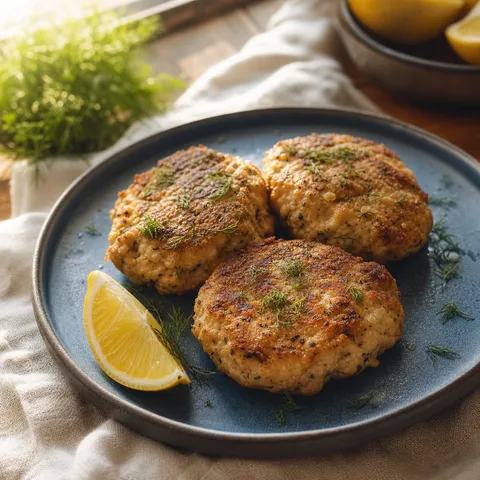
 Pan-Fried Gefilte Fish
Traditional Ashkenazi poached fish patties made from ground whitefish, served chilled with horseradish — a seder-table classic.
 Seafood Lens Verified Images are for illustrative purposes only, may be inaccurate, and do not guarantee the presence or absence of specific ingredients.
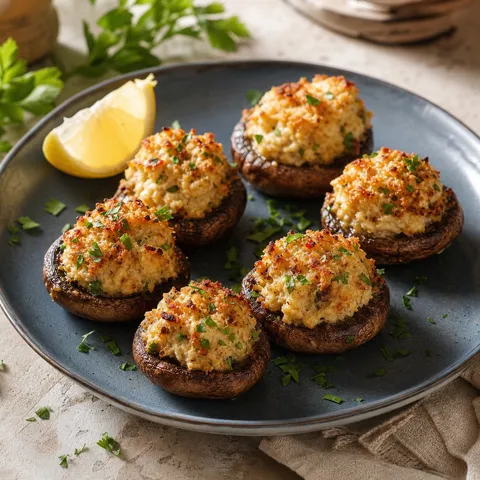
 Crab-Stuffed Mushrooms
Large mushroom caps filled with a creamy, cheesy crabmeat stuffing and baked until golden and bubbling.
 Seafood Lens Verified Images are for illustrative purposes only, may be inaccurate, and do not guarantee the presence or absence of specific ingredients.
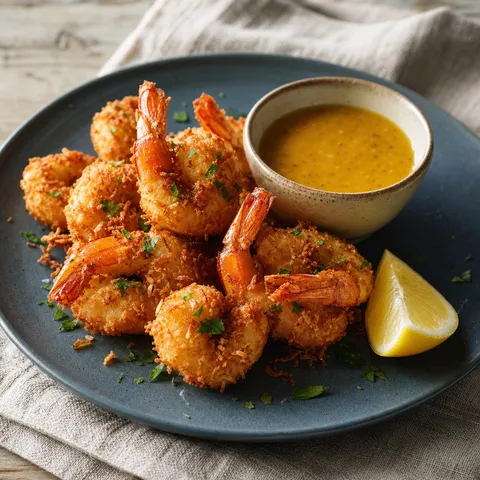
 Coconut Shrimp With Orange Mustard Sauce
Crispy beer-battered shrimp coated in coconut and fried golden, served with a sweet-and-tangy orange Dijon dipping sauce.