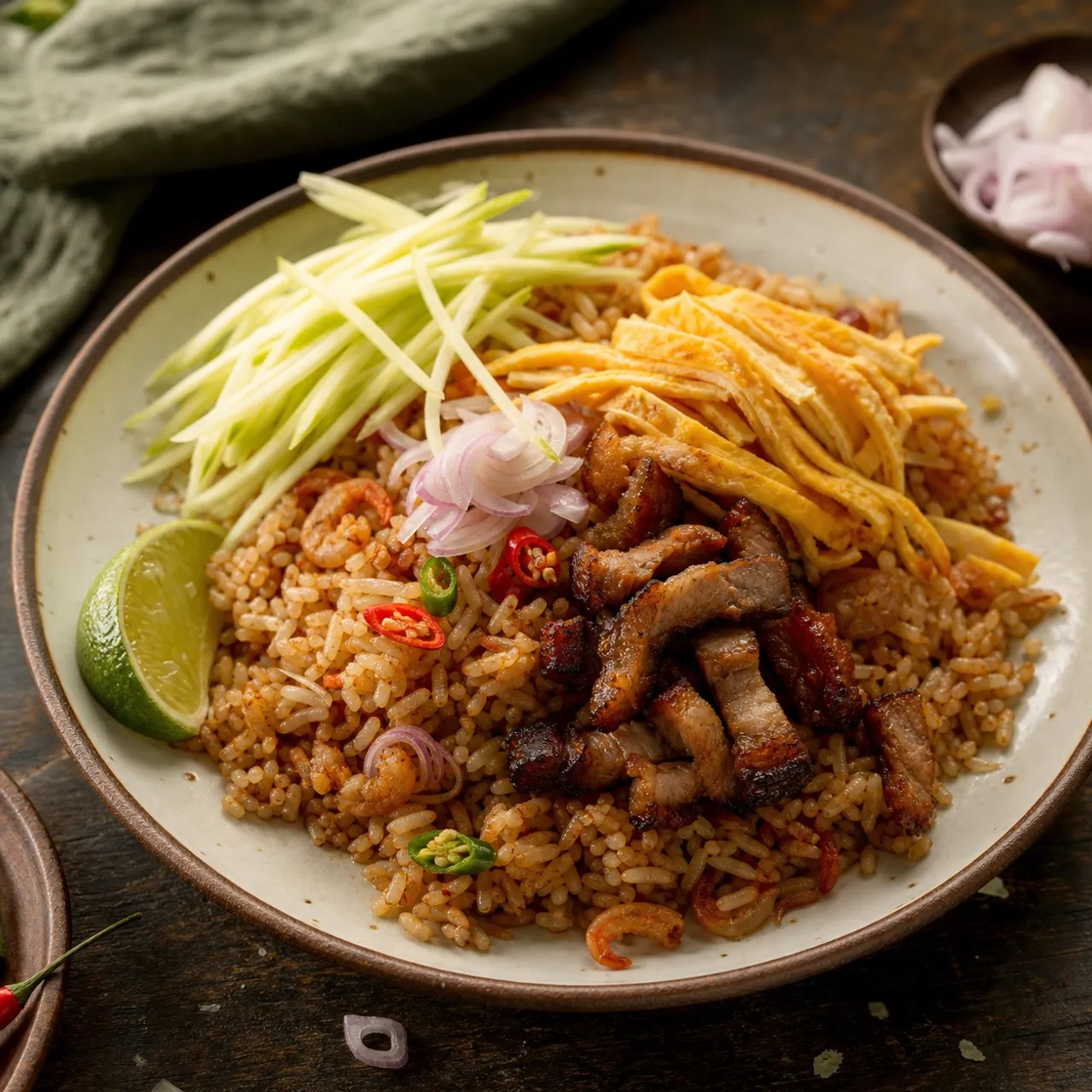
 Thai Images are for illustrative purposes only, may be inaccurate, and do not guarantee the presence or absence of specific ingredients.
 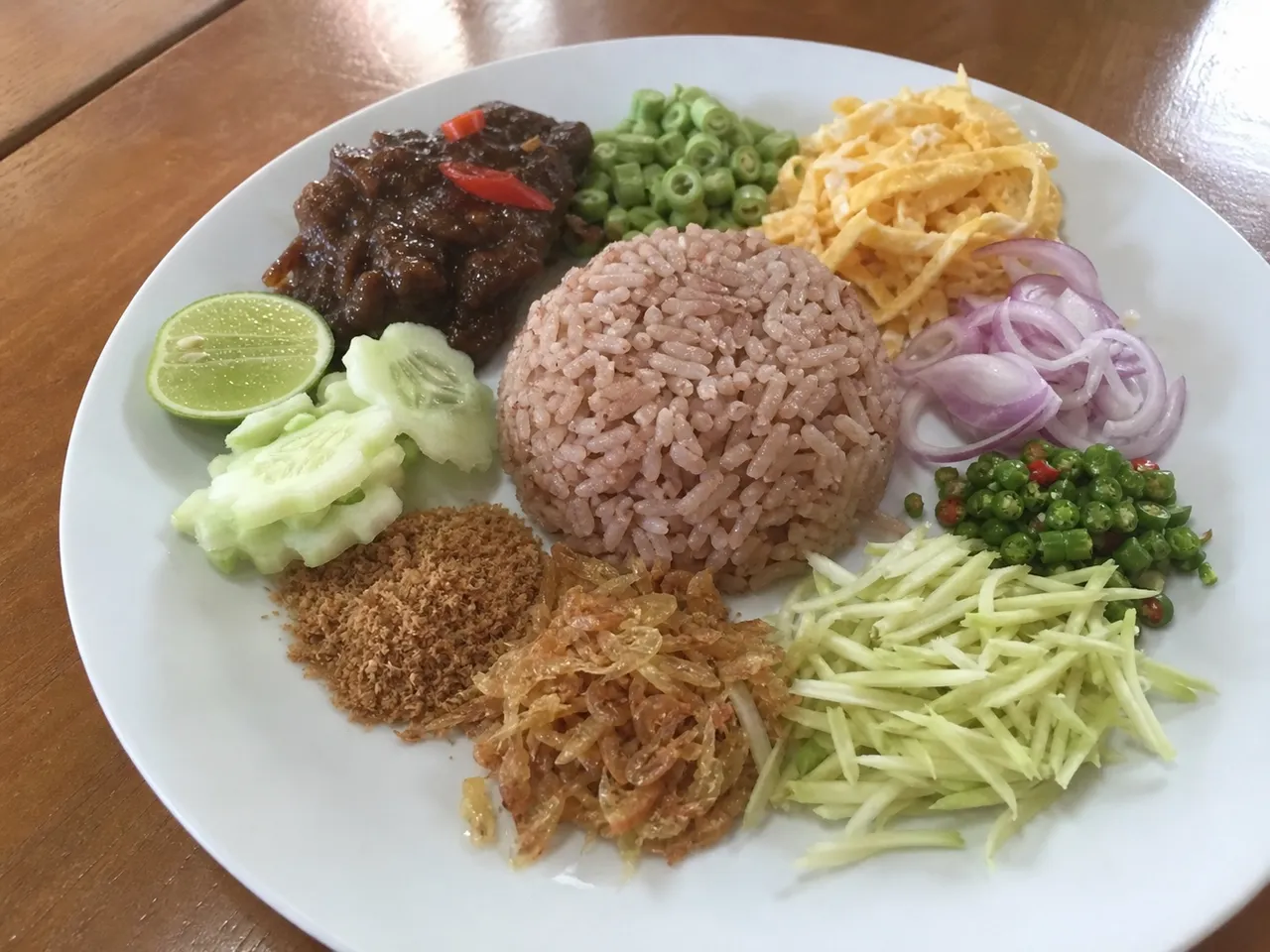 Serving Images are for illustrative purposes only, may be inaccurate, and do not guarantee the presence or absence of specific ingredients.
 Khao Kluk Kapi
Fragrant shrimp-paste fried rice mounded with shredded omelette, sweet pork, green mango, and dried shrimp — a complex Thai one-plate meal where every topping plays a role.
Contains common allergens
In the app, Listahan checks these against your household automatically.
Instructions
6 steps- 1
Dissolve the shrimp paste in 2 tablespoons water and mash it smooth, then fry it in a wok with 1 tablespoon oil over medium heat for 2 minutes until fragrant and slightly darkened.
- 2
Add the cold, day-old rice to the wok and break up any clumps, stirring constantly so every grain gets coated evenly in the shrimp paste, frying about 5 minutes until the rice turns a uniform brownish-pink and smells deeply savory.
- 3
Season the fried rice with fish sauce and a touch of palm sugar, tossing to distribute, then transfer to a large platter and mound it into a dome shape.
- 4
In a separate pan, scramble or fry the eggs into thin sheets, then slice into fine shreds and scatter over the rice.
- 5
Arrange the sweet pork slices, pounded dried shrimp, julienned green mango, and sliced shallots in separate mounds around the rice dome so each topping stays distinct.
- 6
Scatter sliced fresh chilies over the top and serve with lime wedges on the side, letting diners mix everything together at the table so the sour mango and salty rice combine only right before eating.
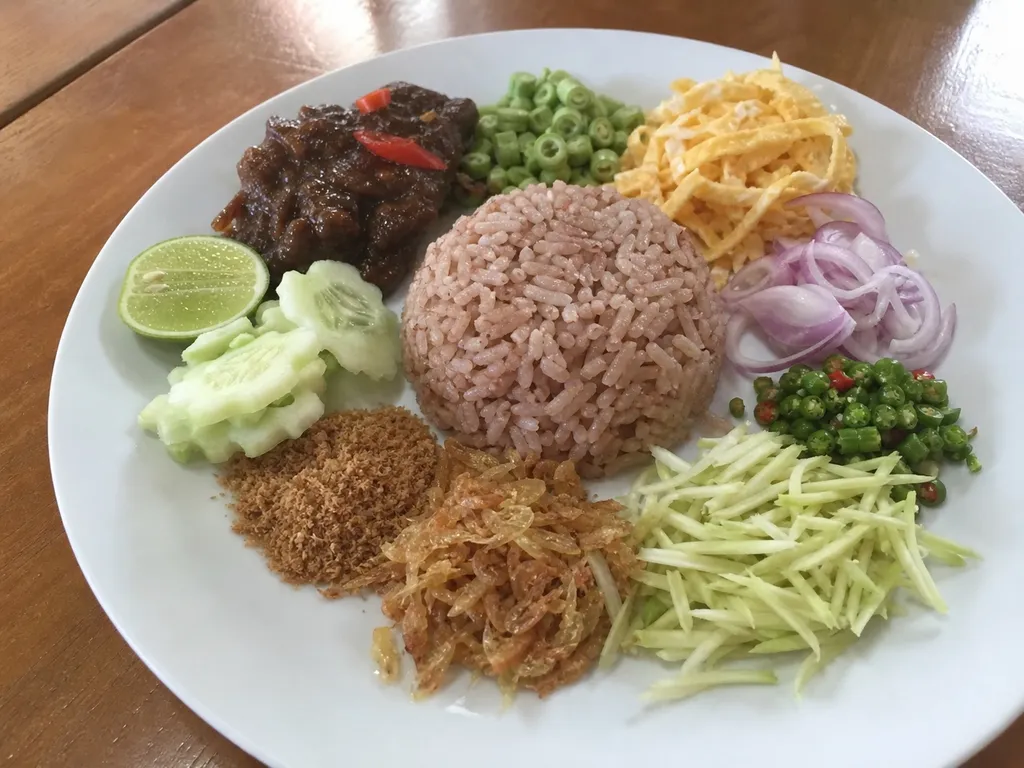 Images are for illustrative purposes only, may be inaccurate, and do not guarantee the presence or absence of specific ingredients.
 Listahan Family Score™
53/100
Works for many families
Score reflects how well this recipe fits a typical busy household. In the app, your Family Score is personalized to your household's allergens, kids, and pantry.
Nutrition
per serving810
Calories
42 g
Protein
117 g
Carbs
17 g
Fat
Estimated per serving. Actual values depend on the brands and portions you use.
Listahan cooking guide
Chef notes & practical guide
Technique notes, ingredient swaps, serve-alongside ideas, storage guidance, and equipment for this recipe.
Cultural context
Khao kluk kapi is a Central Thai composed rice plate built around kapi, the pungent fermented shrimp paste that anchors much of Thai cooking. Rice is fried with the paste until every grain is coated, then surrounded by a ring of contrasting garnishes that diners mix in themselves at the table. It is a tidy way to turn pantry staples and a few fresh extras into a balanced one-plate meal.
Listahan note
This version keeps the rice savory and lightly funky from the shrimp paste, then leans on the cool, sweet, and sour garnishes to balance it. The point is the mixing at the table, so each forkful is yours to compose.
Technique cues
- Bloom the shrimp paste in a little hot oil before adding the rice so its sharpness mellows into a rounded, savory base instead of a raw edge.
- Use cold day-old rice and break the clumps with your hands first; chilled grains fry separate and dry rather than steaming into mush.
- Keep the garnishes raw and unmixed in their own piles so each one stays distinct until the eater stirs everything together at the plate.
Kitchen flow
- Parallel prep
- While the rice fries, fry the egg ribbons and sausage in a second pan and slice the mango, shallots, and chilies so everything lands at the plate together.
- Make-ahead
- Cook the rice the day before and chill it; you can also fry the egg ribbons and sausage a few hours ahead and hold at room temperature.
- Leftover move
- Stir leftover fried rice and any cut garnishes together, fold in a fresh egg, and refry into a quick scramble-style bowl for lunch.
- Cleanup rhythm
- Wash the shrimp-paste pan promptly with hot soapy water so the aroma does not linger, and keep garnish boards separate to wipe down fast.
Ingredient brief
Role, handling, and swap guidance for each key ingredient.
shrimp paste (kapi)
savory backbone
Purpose: It carries the deep fermented umami that defines the dish and ties every grain of rice together.
Handling: Mash it smooth and fry it briefly in oil before the rice goes in.
Adaptation: A smaller amount of white miso plus a dash of fish sauce gives a milder savory base if shrimp paste is unavailable.
jasmine rice
the canvas
Purpose: Cooked and cooled, its firm separate grains take on the paste without turning sticky.
Handling: Cook a day ahead, chill, and break up clumps before frying.
Adaptation: Any leftover long-grain rice works; avoid short-grain or freshly steamed rice, which clumps.
Chinese sausage (lap cheong)
sweet-savory protein
Purpose: Its sweet cured pork flavor and gentle chew play against the funky rice.
Handling: Slice thin on the bias and pan-fry until the edges crisp and the fat renders.
Adaptation: Diced firm tofu browned in oil keeps the dish pork-free.
green mango
sour crunch garnish
Purpose: Tart, crisp slivers cut the richness and wake the whole plate up.
Handling: Peel and julienne into matchsticks just before serving so they stay crunchy.
Adaptation: Julienned tart green apple or a squeeze of lime over cucumber gives similar brightness.
egg
soft contrast
Purpose: Thin ribbons of fried egg add a mellow, rich note among the sharp garnishes.
Handling: Beat, fry into a thin omelet, then roll and slice into fine strips.
Adaptation: A soft-fried egg laid on top works just as well for a less fussy plate.
shallots
aromatic garnish
Purpose: Raw slivers add a sweet, sharp bite that ties the cool garnishes together.
Handling: Peel and slice thin; soak briefly in cold water if you want them milder.
Adaptation: Thinly sliced red onion stands in directly.
Technique notes
- Taste the rice after the paste blooms and before plating; adjust with a pinch of sugar or a squeeze of lime so the savory base reads balanced, not flat.
- Fry the egg ribbons in a wide thin layer over medium heat so they set pale and tender rather than browning, which keeps them a soft counterpoint.
- Arrange the garnishes in a color wheel around the rice; the visual order helps eaters take a little of everything in each bite.
Ingredient swaps
- Shellfish-free direction
- Replace the shrimp paste with white miso plus extra fish sauce, and swap the sausage for tofu to keep the savory depth without shellfish.
- Vegetarian direction
- Use a soy-based fermented bean paste in place of kapi, brown tofu for protein, and skip the fish sauce in favor of a splash of soy.
- Weeknight shortcut
- Buy pre-cooked rice and a rotisserie protein, then focus your effort only on blooming the paste and cutting the fresh garnishes.
Serve alongside
- sliced Thai cucumber with a pinch of salt
- a simple clear pork-and-daikon soup
- fresh long beans cut into batons
- iced Thai lime soda (manao soda)
- cold barley tea
- plain jasmine iced tea
Serving suggestions only — check pairings for your household's allergens.
Storage & reheating
- Keep the fried rice and the garnishes in separate covered containers in the fridge for up to three days so the fresh items stay crisp. Reheat the rice in a hot pan with a few drops of oil rather than the microwave to bring back the dry, separate grains, then add fresh garnishes. The fried rice base freezes for up to a month; thaw overnight and refresh in a pan.
Equipment
- a well-seasoned wok or wide nonstick skillet for the rice
- a small separate pan for the egg ribbons and sausage
- a sharp knife for fine julienne garnishes
- a wide plate that gives the garnishes room to ring the rice
Make this household-aware
Listahan Pro checks this recipe against your household's allergens, finds pantry-aware swaps, builds the shopping list, and helps you plan the week around it.
Plan it in Listahan
Add Khao Kluk Kapi to your week, check it against your household's allergens, and build the shopping list automatically.
More Thai recipes
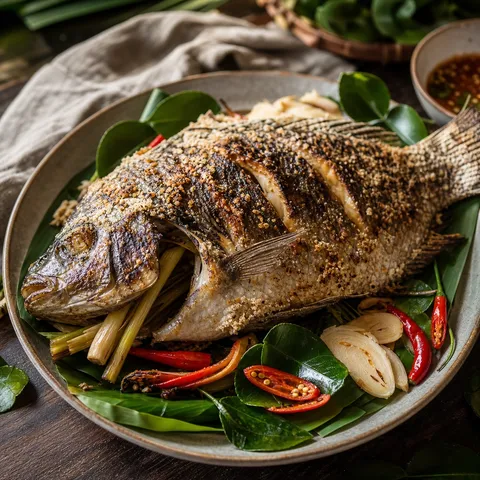 Thai Lens Verified Images are for illustrative purposes only, may be inaccurate, and do not guarantee the presence or absence of specific ingredients.
 Pla Pao
A whole salt-crusted fish stuffed with lemongrass and grilled until the skin is crackling and the flesh is silky.
 Thai Lens Verified Images are for illustrative purposes only, may be inaccurate, and do not guarantee the presence or absence of specific ingredients.
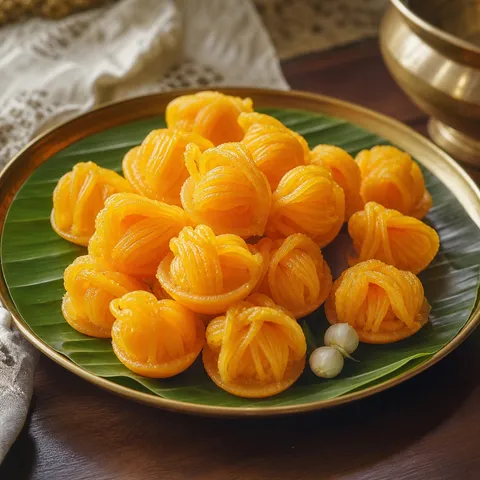
 Thong Yip
Petite golden flowers pressed from egg yolk and sugar, simmered in jasmine-scented syrup until set — a centuries-old Thai royal confection as beautiful as it is sweet.
 Thai Lens Verified Images are for illustrative purposes only, may be inaccurate, and do not guarantee the presence or absence of specific ingredients.
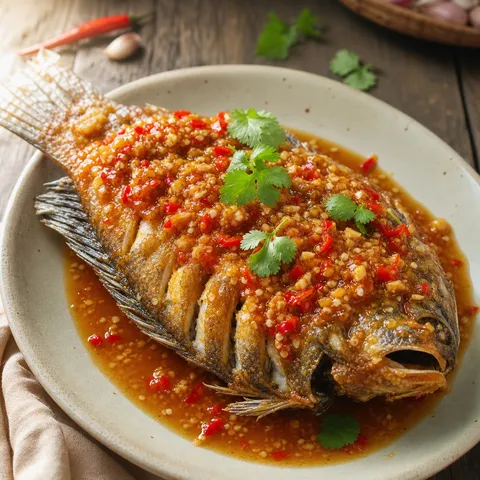
 Pla Rad Prik
Whole fish fried to a shatteringly crisp shell, then blanketed in a sticky, sweet-hot chili-tamarind sauce with garlic and basil — dramatic, punchy, and made for sharing.