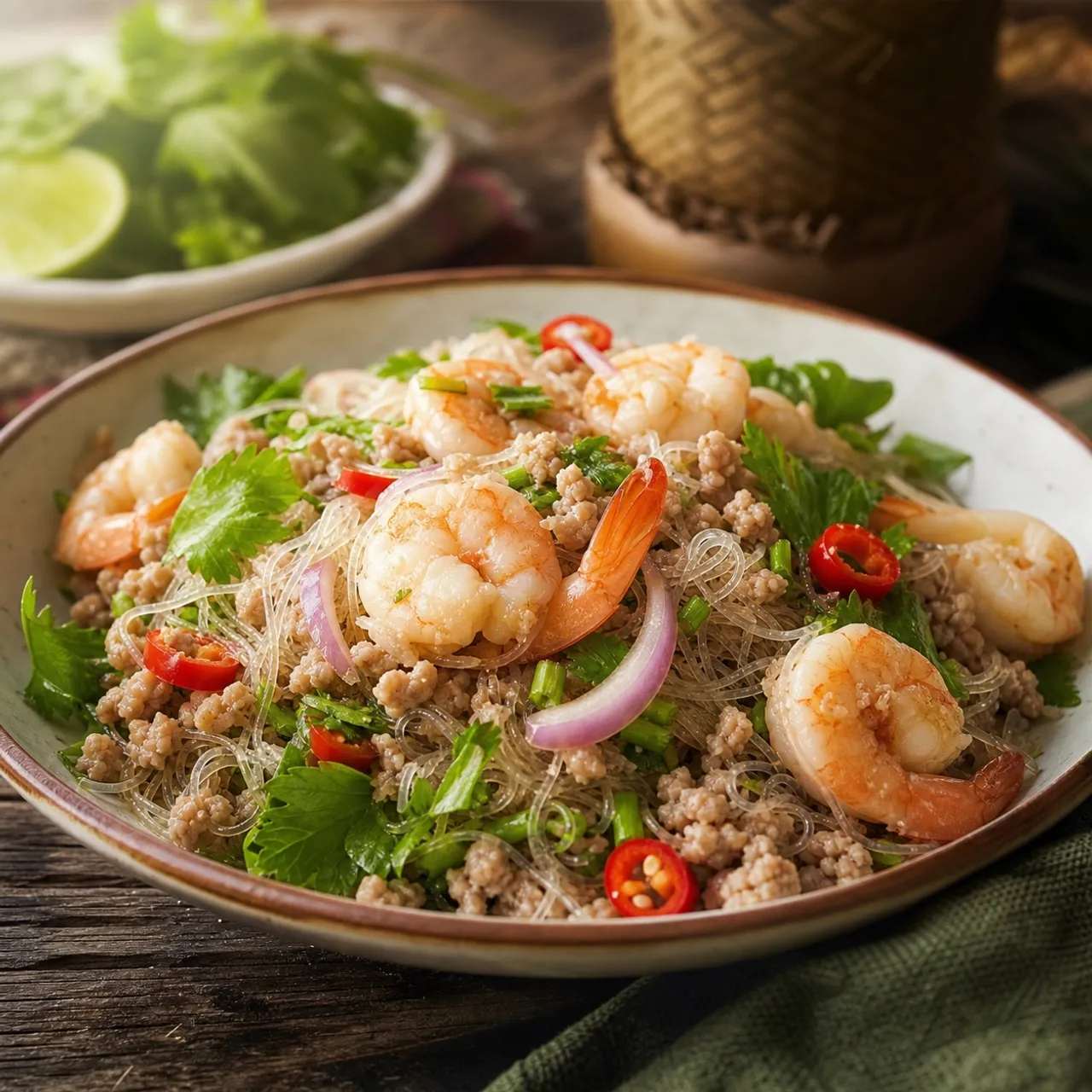
 Thai Images are for illustrative purposes only, may be inaccurate, and do not guarantee the presence or absence of specific ingredients.
 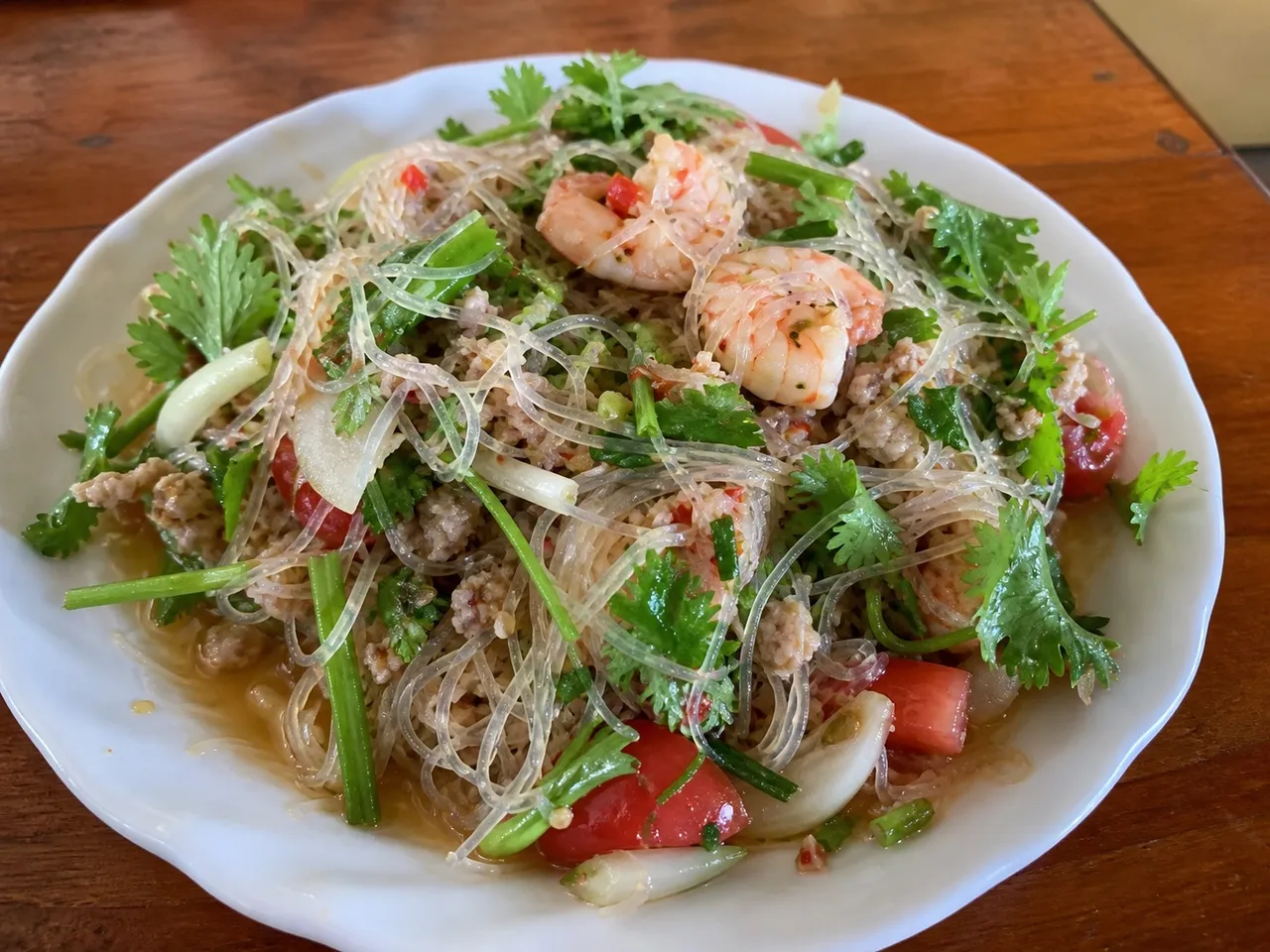 Serving Images are for illustrative purposes only, may be inaccurate, and do not guarantee the presence or absence of specific ingredients.
 Yum Woon Sen
Slippery glass noodles tossed with shrimp, minced pork, celery, and a lime-chili dressing — light, zippy, and refreshing with a clean heat that keeps you coming back.
Contains common allergens
In the app, Listahan checks these against your household automatically.
Good to know
- One-pot
- Ready in under 30 minutes
Matched from this dish's own ingredients and timing. Browse more: one-pot dinners30-minute meals
Instructions
8 steps- 1
Blanch the soaked glass noodles in boiling water for 30 to 60 seconds until just tender, then drain well and snip into shorter lengths with scissors.
- 2
In the same pot of simmering water, cook the ground pork just until it is no longer pink, then remove with a slotted spoon.
- 3
Blanch the shrimp briefly in the same water until they turn pink and opaque, careful not to overcook them, then drain.
- 4
Whisk together lime juice, fish sauce, sugar, and minced chilies in a large bowl until the sugar dissolves.
- 5
While the noodles, pork, and shrimp are still warm, toss them together in the dressing so everything absorbs the sour-salty-spicy flavor.
- 6
Add the shallots and celery and toss to combine, letting the shallots soften slightly in the residual warmth.
- 7
Taste and adjust the dressing so it is bright and clean, then fold in the cilantro just before serving.
- 8
Transfer to a plate and scatter crushed roasted peanuts over the top, serving immediately while the noodles are still slippery and cool.
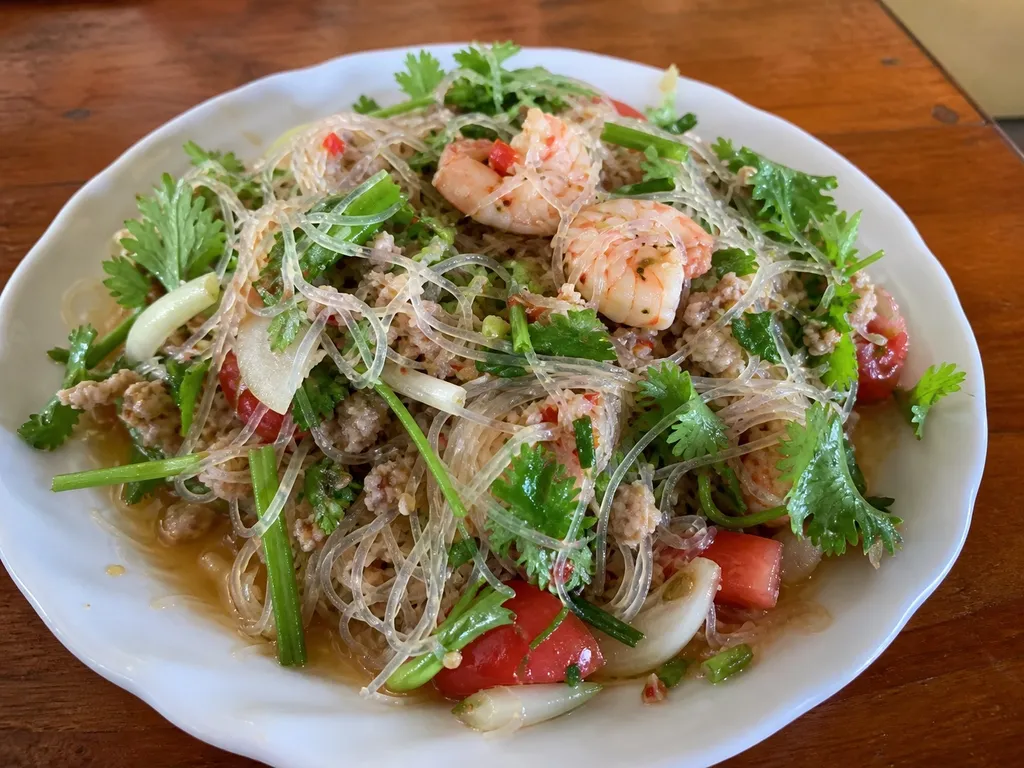 Images are for illustrative purposes only, may be inaccurate, and do not guarantee the presence or absence of specific ingredients.
 Listahan Family Score™
60/100
Works for many families
Score reflects how well this recipe fits a typical busy household. In the app, your Family Score is personalized to your household's allergens, kids, and pantry.
Nutrition
per serving330
Calories
34 g
Protein
32 g
Carbs
8 g
Fat
Estimated per serving. Actual values depend on the brands and portions you use.
Listahan cooking guide
Chef notes & practical guide
Technique notes, ingredient swaps, serve-alongside ideas, storage guidance, and equipment for this recipe.
Cultural context
Yum woon sen is a bright Thai glass-noodle salad from the broad family of yum (tangy salads) that anchor a Thai table alongside rice and curry. It pairs slippery mung-bean noodles with minced pork, shrimp, and a fistful of herbs, all bound by a fish-sauce, lime, and chili dressing eaten warm or at room temperature. The dish reads as light because the noodles are nearly clear, but the dressing carries the full sweet-salty-sour-hot balance Thai cooks chase in every yum.
Listahan note
This version keeps the dressing assertive and the noodles just barely cooked so they stay springy instead of mushy. It treats the protein as flexible, so a family can lean pork-only, shrimp-only, or both.
Technique cues
- Soak the glass noodles in warm water only until pliable, then finish them in the hot dressing so they soak up flavor instead of plain water.
- Mix the lime juice in at the very end off the heat, since boiling lime turns its brightness flat and slightly bitter.
- Toss the herbs in by hand at the last second so the celery, cilantro, and green onion stay crisp rather than wilting into the warm noodles.
Kitchen flow
- Parallel prep
- Soak the noodles and squeeze the lime while the pork and shrimp poach in one pot of water.
- Make-ahead
- Mix the dressing and poach the proteins a day ahead, then toss everything together just before eating.
- Leftover move
- Fold leftovers into a lettuce wrap or pile onto rice, refreshing with a squeeze of lime.
- Cleanup rhythm
- One pot poaches both proteins, so you mainly rinse a bowl and the cutting board afterward.
Ingredient brief
Role, handling, and swap guidance for each key ingredient.
glass noodles
main starch
Purpose: Mung-bean noodles turn translucent and slippery, giving the salad its signature clear, light body.
Handling: Soak in warm water until just bendable, then drain and snip into manageable lengths with scissors.
Adaptation: Thin rice vermicelli works in a pinch, though it absorbs more dressing and softens faster.
ground pork
protein base
Purpose: Quickly poached minced pork adds savory depth and clings to the noodles without weighing them down.
Handling: Simmer in a little water, breaking it into small crumbles so no large clumps form.
Adaptation: Ground chicken or crumbled firm tofu keeps the same texture for a lighter or vegetarian bowl.
shrimp
second protein
Purpose: Sweet, briny shrimp give the salad a coastal richness that balances the sharp dressing.
Handling: Peel and devein, then poach in the same water as the pork just until pink and curled.
Adaptation: Sliced squid or extra pork covers a shellfish allergy without losing the protein heft.
fish sauce
salty backbone
Purpose: Fish sauce delivers the deep umami saltiness that defines a Thai yum dressing.
Handling: Whisk with lime juice and a little sugar, then taste and adjust before dressing the noodles.
Adaptation: Light soy sauce plus a pinch of salt gives a vegetarian, fish-free version of the same savory note.
lime juice
acid
Purpose: Fresh lime is the sour pillar that makes the whole salad taste alive and clean.
Handling: Squeeze just before serving and stir in off the heat to protect its brightness.
Adaptation: Bottled lime works but use a touch less, as it tends to read sharper and more one-note.
Thai chilies
heat
Purpose: Fresh bird's-eye chilies bring the floral heat that lifts the sweet and sour notes.
Handling: Mince finely and start with half, adding more after a taste since potency varies.
Adaptation: A milder serrano or a spoon of chili flakes lets you dial the heat down for kids.
Technique notes
- Dress the warm noodles first and let them sit two minutes before adding herbs, so the flavor sets without steaming the greens.
- Reserve a spoon of the poaching liquid to loosen the salad if the noodles tighten as they cool.
- Build the dressing to taste sharper than you think in the bowl, since the bland noodles will mute it once tossed.
Ingredient swaps
- Shellfish-free direction
- Drop the shrimp and double the pork or add poached chicken for the same protein-rich salad.
- Vegetarian direction
- Swap fish sauce for light soy and use crumbled tofu and chopped mushrooms in place of meat.
- Lower-sodium direction
- Cut the fish sauce by a third and make up the savor with extra lime and a little more chili.
Serve alongside
- Steamed jasmine rice
- Tom yum goong
- Grilled pork skewers (moo ping)
- Sticky rice
- Thai iced tea
- Chilled lemongrass water
- Singha-style lager
Serving suggestions only — check pairings for your household's allergens.
Storage & reheating
- Keep leftovers in the fridge up to two days, though the noodles soften noticeably after the first day. Refresh cold with a squeeze of lime and a pinch of sugar rather than reheating. Freezing is not recommended, as the glass noodles turn gummy on thaw.
Equipment
- Large mixing bowl
- Fine-mesh strainer
- Sharp paring knife
- Kitchen scissors
Make this household-aware
Listahan Pro checks this recipe against your household's allergens, finds pantry-aware swaps, builds the shopping list, and helps you plan the week around it.
Plan it in Listahan
Add Yum Woon Sen to your week, check it against your household's allergens, and build the shopping list automatically.
More Thai recipes
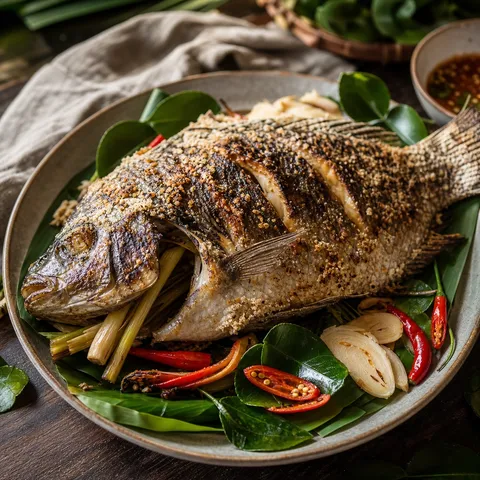 Thai Lens Verified Images are for illustrative purposes only, may be inaccurate, and do not guarantee the presence or absence of specific ingredients.
 Pla Pao
A whole salt-crusted fish stuffed with lemongrass and grilled until the skin is crackling and the flesh is silky.
 Thai Lens Verified Images are for illustrative purposes only, may be inaccurate, and do not guarantee the presence or absence of specific ingredients.
 Thong Yip
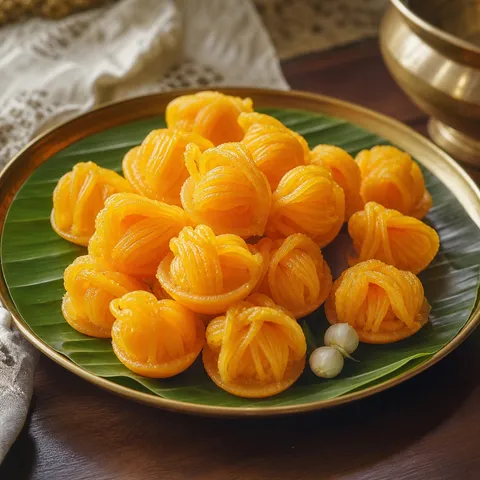
Petite golden flowers pressed from egg yolk and sugar, simmered in jasmine-scented syrup until set — a centuries-old Thai royal confection as beautiful as it is sweet.
 Thai Lens Verified Images are for illustrative purposes only, may be inaccurate, and do not guarantee the presence or absence of specific ingredients.
 Pla Rad Prik
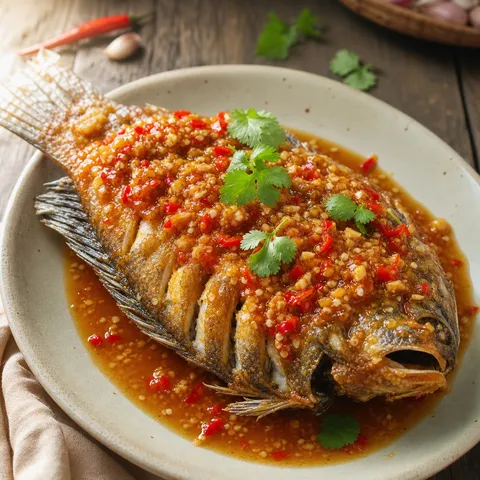
Whole fish fried to a shatteringly crisp shell, then blanketed in a sticky, sweet-hot chili-tamarind sauce with garlic and basil — dramatic, punchy, and made for sharing.