 Vietnamese Images are for illustrative purposes only, may be inaccurate, and do not guarantee the presence or absence of specific ingredients.
  Serving Images are for illustrative purposes only, may be inaccurate, and do not guarantee the presence or absence of specific ingredients.
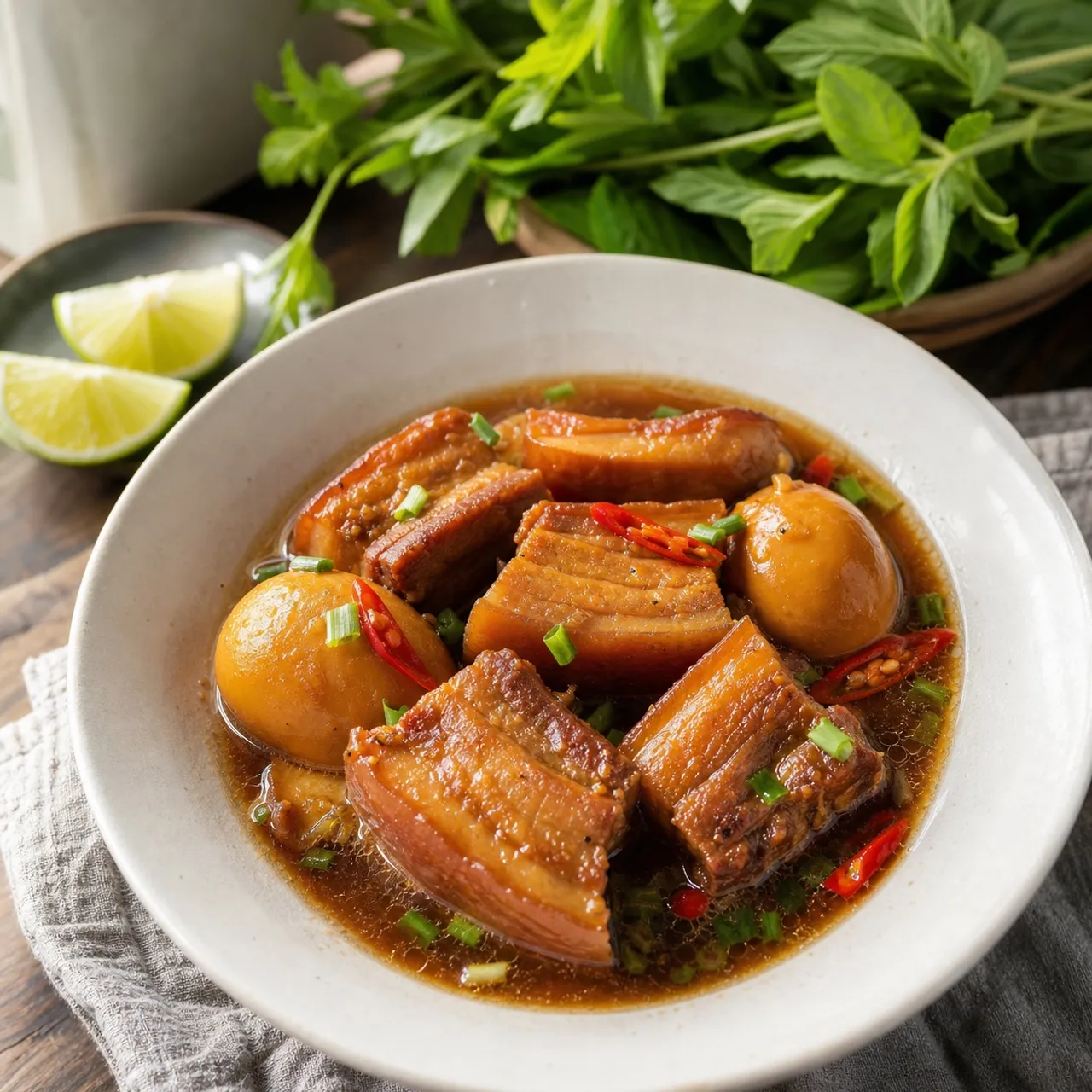
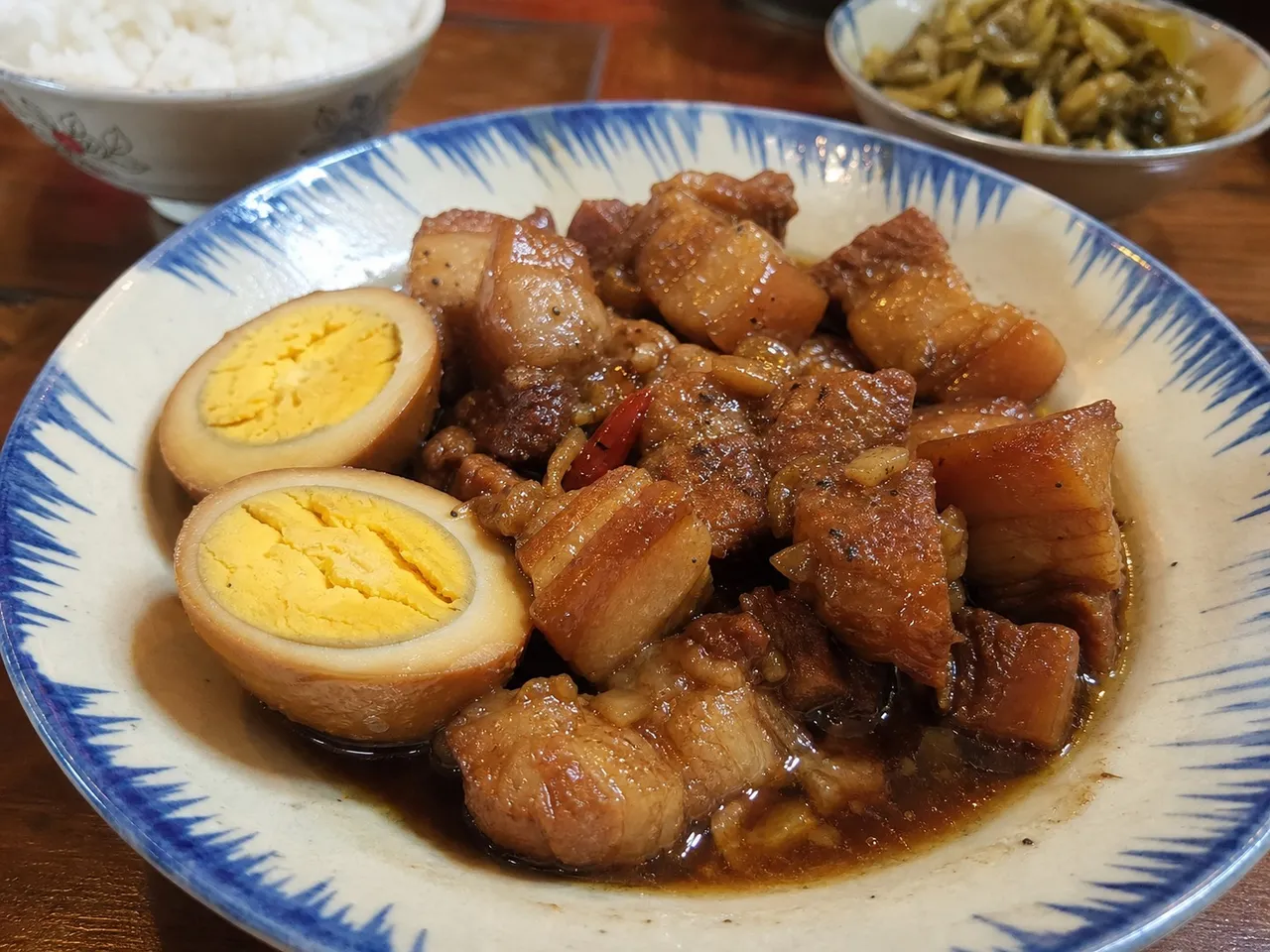
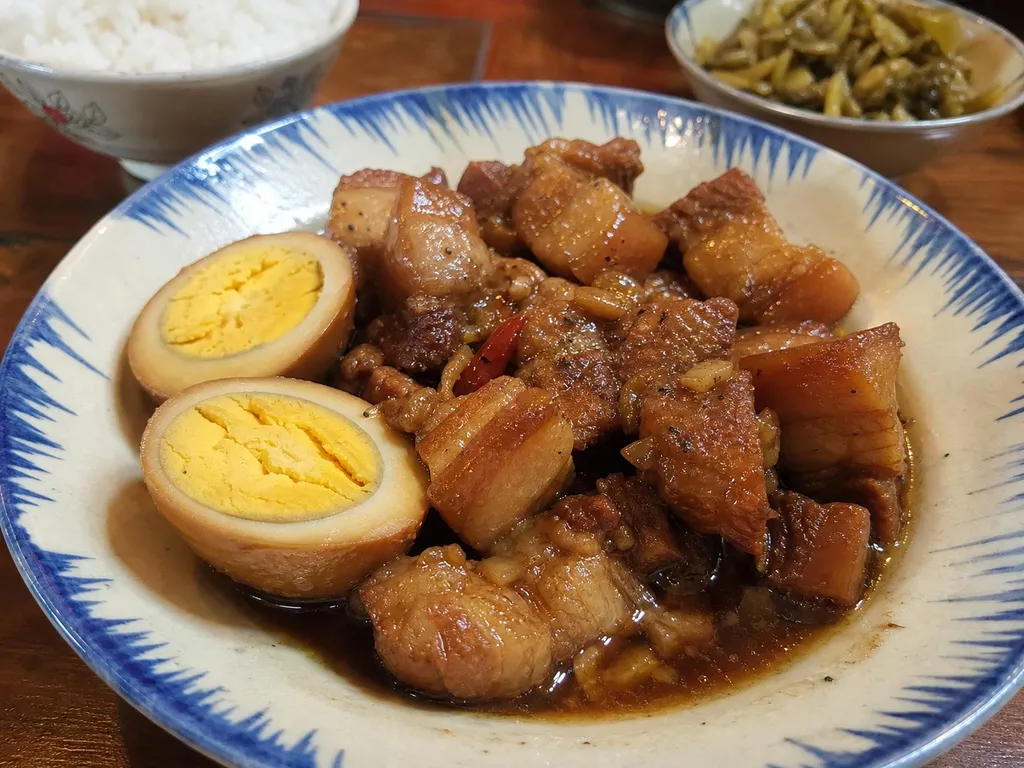
 Thịt Kho Tàu (Caramelized Pork and Eggs)
Meltingly tender pork belly and hard-boiled eggs braised in a rich, sweet, and savory coconut juice caramel, perfect over steamed rice.
Contains common allergens
In the app, Listahan checks these against your household automatically.
Good to know
- One-pot
Matched from this dish's own ingredients and timing. Browse more: one-pot dinners
Instructions
6 steps- 1
Blanch Pork: Parboil the pork belly chunks in boiling water for 3 minutes to remove impurities. Drain, rinse under cold water, and pat completely dry.
- 2
Marinate: Toss the cleaned pork with the minced garlic, shallot, black pepper, and 1 tbsp of fish sauce. Let sit for 20 minutes.
- 3
Make Caramel Sauce: In a heavy-bottomed pot over medium heat, melt 2 tbsp of sugar with 1 tbsp of water until it reaches a dark amber color.
- 4
Brown Pork: Add the marinated pork to the caramel in the pot, stirring well so every piece is coated in the dark caramel. Cook for 5 minutes until the edges begin to brown.
- 5
Braise: Pour in the fresh coconut water and the remaining fish sauce. Bring to a boil, then immediately lower the heat to a very gentle simmer. Cover and braise for 1 hour, skimming fat occasionally.
- 6
Add Eggs: Gently drop the hard-boiled eggs into the pot, ensuring they are submerged in the liquid. Simmer uncovered for another 30 minutes until the pork is fork-tender and the eggs are stained a beautiful brown color. Serve with rice.
 Images are for illustrative purposes only, may be inaccurate, and do not guarantee the presence or absence of specific ingredients.
 Listahan Family Score™
68/100
Works for many families
Score reflects how well this recipe fits a typical busy household. In the app, your Family Score is personalized to your household's allergens, kids, and pantry.
Nutrition
per serving665
Calories
59 g
Protein
12 g
Carbs
42 g
Fat
Estimated per serving. Actual values depend on the brands and portions you use.
Listahan cooking guide
Chef notes & practical guide
Technique notes, ingredient swaps, serve-alongside ideas, storage guidance, and equipment for this recipe.
Cultural context
Thịt kho tàu is a Vietnamese home braise closely tied to family meals and often made in larger pots for Tết, when food that reheats well matters. The southern-style versions many North American cooks know use coconut water for a gentle sweetness, while the dark color comes from caramelized sugar and fish sauce rather than a thick bottled sauce.
Listahan note
This version keeps the braise focused: clean the pork first, build a dark caramel, then let coconut water and fish sauce do the quiet work. The eggs go in later so they stain and season without turning rubbery.
Technique cues
- Dry the blanched pork well before it touches the caramel. Extra surface moisture can make the caramel seize and keep the pork from browning cleanly.
- Take the sugar to dark amber, not pale gold. The finished sauce should taste rounded and slightly bittersweet, which keeps the coconut water from reading as plain sweetness.
- A very gentle simmer matters for pork belly. Hard boiling can tighten the meat and make the fat feel greasy instead of soft.
Kitchen flow
- Parallel prep
- Boil and peel the eggs while the pork marinates, then start rice during the final uncovered simmer.
- Make-ahead
- Cook the braise fully, chill it in its sauce, and reheat gently; the eggs and pork take on more color after resting.
- Leftover move
- Slice leftover pork and egg over hot rice with a spoonful of sauce and quick cucumber or pickled carrots on the side.
- Cleanup rhythm
- Rinse the blanching pot right away, then keep a bowl near the stove for skimmed fat during the braise.
Ingredient brief
Role, handling, and swap guidance for each key ingredient.
Pork belly
Main braising meat
Purpose: Pork belly gives the dish its soft layers of meat and fat, and it can handle a long simmer without drying out.
Handling: Cut into large 2-inch cubes so the pieces stay intact after braising.
Adaptation: Pork shoulder gives a meatier, less fatty pot, but it will not have the same silky texture.
Hard-boiled eggs
Braised companion
Purpose: The eggs soak up the salty-sweet braising liquid and make the dish feel complete over rice.
Handling: Peel them carefully and lower them in gently so the whites stay smooth.
Adaptation: Quail eggs work for smaller bites and stain quickly, but they need less time in the pot.
Fresh coconut water
Braising liquid
Purpose: It brings gentle sweetness and a light coconut aroma without making the sauce creamy.
Handling: Add it after the pork is coated in caramel so it dissolves the browned sugar into the braise.
Adaptation: Unsweetened boxed coconut water can work; avoid coconut milk here because it changes the sauce completely.
Fish sauce
Salt and savory backbone
Purpose: Fish sauce seasons the pork deeply and balances the caramel's sweetness.
Handling: Use a small amount in the marinade, then add the rest to the braising liquid for even seasoning.
Adaptation: A lighter fish sauce gives a softer finish; a stronger one may need a slightly smaller pour.
Sugar
Caramel base
Purpose: Caramelized sugar gives thịt kho tàu its deep color and faint bitter edge.
Handling: Melt it with a little water and watch closely once it starts changing color.
Adaptation: Granulated white sugar is easiest to control; palm sugar adds a deeper molasses note and can darken faster.
Minced garlic and minced shallot
Aromatic marinade
Purpose: They perfume the pork before braising and give the sauce a cooked, savory base.
Handling: Keep the mince fine so it clings to the pork and disperses into the sauce.
Adaptation: Extra shallot can soften the garlic bite, while extra garlic makes the braise more assertive.
Technique notes
- When adding pork to the caramel, stir steadily and expect a little bubbling. The goal is to coat the meat before the caramel hardens in one spot.
- Skim lightly, not obsessively. Removing every bit of fat can leave the sauce thin, but clearing the foamy bits makes the finish cleaner.
- Add the eggs only after the pork has had a head start. They need time to color, but they do not need the full braise.
Ingredient swaps
- Gluten-free direction
- Use a fish sauce labeled gluten-free and keep the rest of the braise built from the same pork, eggs, coconut water, sugar, garlic, shallot, and pepper.
- Leaner pork path
- Use pork shoulder instead of pork belly and braise until tender; the sauce will be less glossy, so do not reduce it too hard.
- Weeknight shortcut
- Use already-boiled eggs and boxed unsweetened coconut water, but keep the blanching and caramel steps because they shape the final taste.
- Less sweet direction
- Caramelize the full sugar amount for color, then use a drier coconut water and reduce the sauce less at the end.
Serve alongside
- Steamed jasmine rice
- Pickled carrot and daikon
- Cucumber wedges with herbs
- Canh cải xanh
- Iced jasmine tea
- Fresh lime soda
- Cold coconut water
Serving suggestions only — check pairings for your household's allergens.
Storage & reheating
- Refrigerate the pork and eggs with enough sauce to keep the pieces coated.
- Reheat gently on the stovetop with a splash of water until the sauce loosens and the pork is hot.
- Freeze the pork in sauce without the eggs, then thaw overnight and add freshly boiled eggs when reheating.
Equipment
- Heavy-bottomed pot
- Tongs or a wide spoon
- Small saucepan for eggs
- Fine skimmer or shallow spoon
Make this household-aware
Listahan Pro checks this recipe against your household's allergens, finds pantry-aware swaps, builds the shopping list, and helps you plan the week around it.
Plan it in Listahan
Add Thịt Kho Tàu (Caramelized Pork and Eggs) to your week, check it against your household's allergens, and build the shopping list automatically.
More Vietnamese recipes
 Vietnamese Lens Verified Images are for illustrative purposes only, may be inaccurate, and do not guarantee the presence or absence of specific ingredients.
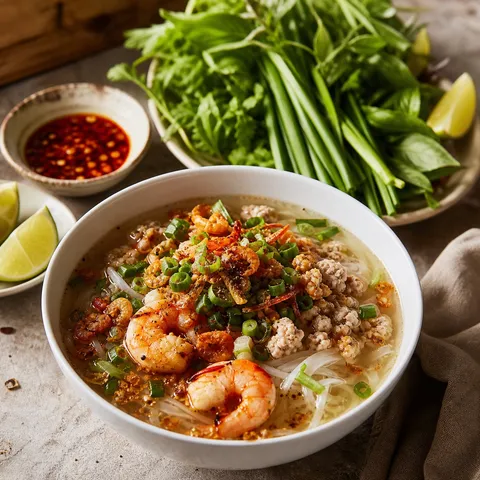
 Hủ Tiếu (Pork and Seafood Noodle Soup)
A Vietnamese pork-bone broth noodle soup loaded with ground pork, shrimp, and dried shrimp over chewy tapioca noodles, finished with garlic chives and fried garlic.
 Vietnamese Lens Verified Images are for illustrative purposes only, may be inaccurate, and do not guarantee the presence or absence of specific ingredients.
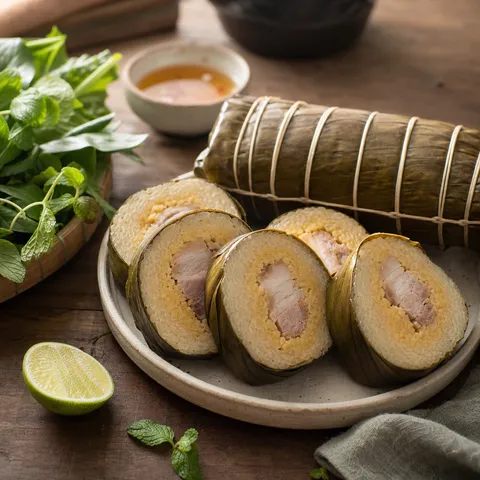
 Bánh Tét (Cylindrical Sticky Rice Cake)
The Southern equivalent of Bánh Chưng, rolled into a cylinder.
 Vietnamese Lens Verified Images are for illustrative purposes only, may be inaccurate, and do not guarantee the presence or absence of specific ingredients.
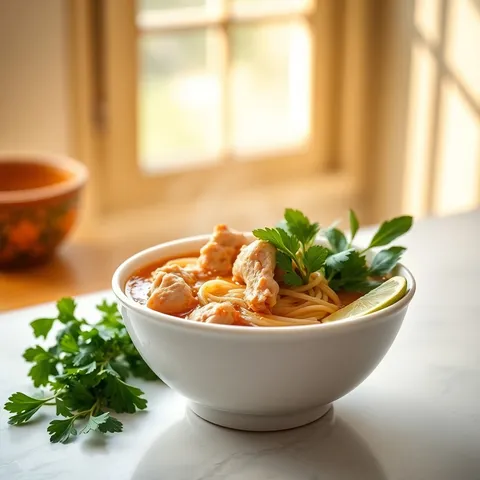
 Phở Gà (Chicken Noodle Soup)
Chicken version of the famous Phở, with a lighter chicken broth.