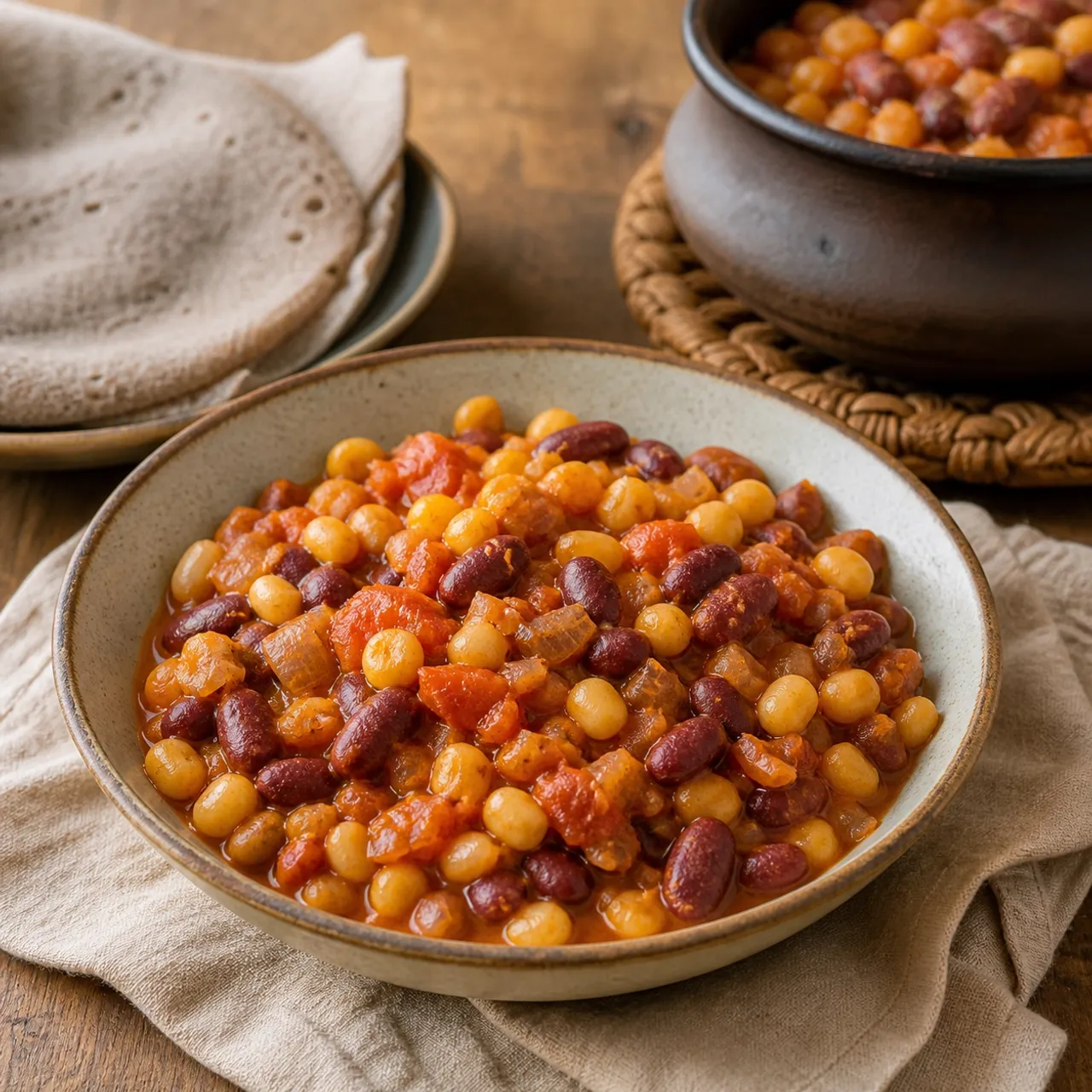
 East African Images are for illustrative purposes only, may be inaccurate, and do not guarantee the presence or absence of specific ingredients.
 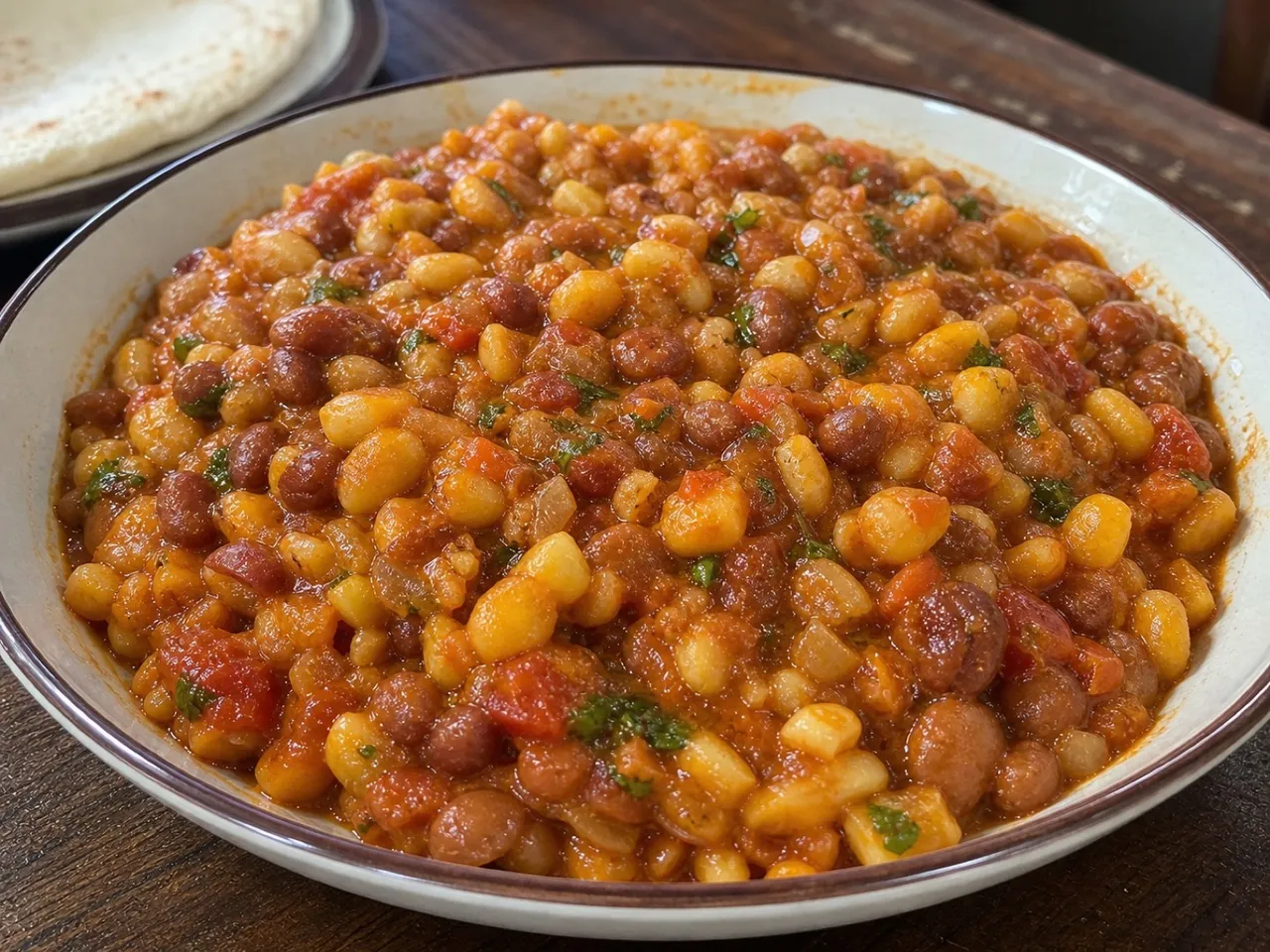 Serving Images are for illustrative purposes only, may be inaccurate, and do not guarantee the presence or absence of specific ingredients.
 Githeri
Hearty Kenyan staple of whole maize and beans boiled together until tender, then sautéed with tomato and onion into a simple, sustaining everyday meal.
No common allergens detected
Based on this recipe's ingredient list. Always verify with your own brands and labels.
Instructions
8 steps- 1
Drain the soaked maize and beans and combine in a large pot with fresh water to cover by a few inches.
- 2
Bring to a boil, then reduce heat and simmer for 1.5 to 2 hours, topping up water as needed, until both the maize and beans are fully tender.
- 3
Drain, reserving a cup of the cooking liquid, and set the maize and beans aside.
- 4
In a separate pan, heat the oil over medium heat and saute the onion for 5 to 7 minutes until golden.
- 5
Add the garlic and cook for 1 minute, then add the tomatoes and curry powder if using, cooking for 5 to 7 minutes until the tomatoes break down into a thick sauce.
- 6
Add the cooked maize and beans to the pan, along with a splash of the reserved cooking liquid, and stir to combine.
- 7
Simmer uncovered for 10 to 15 minutes, stirring occasionally, until everything is well coated and heated through.
- 8
Season with salt to taste and serve warm as a filling, everyday one-pot meal.
 Images are for illustrative purposes only, may be inaccurate, and do not guarantee the presence or absence of specific ingredients.
 Listahan Family Score™
74/100
Good fit for most families
Score reflects how well this recipe fits a typical busy household. In the app, your Family Score is personalized to your household's allergens, kids, and pantry.
Nutrition
per serving55
Calories
4 g
Protein
10 g
Carbs
0 g
Fat
Estimated per serving. Actual values depend on the brands and portions you use.
Listahan cooking guide
Chef notes & practical guide
Technique notes, ingredient swaps, serve-alongside ideas, storage guidance, and equipment for this recipe.
Cultural context
Githeri is one of Kenya's most enduring staple dishes, originating with the Kikuyu, Embu, and Meru communities of the central highlands, where maize and beans have been intercropped for centuries. The combination of whole maize and legumes predates colonialism and reflects an agricultural tradition of growing complementary crops together. Today githeri crosses all economic lines in Kenya, appearing as school-lunch staples, street food, and home cooking in virtually every region.
Listahan note
This version adds a simple tomato-onion-cumin sofrito that transforms the boiled grain-and-bean base into a saucy, flavor-forward one-pot meal rather than a plain porridge.
Technique cues
- Soaking the dried maize and beans overnight is non-negotiable; dried whole maize kernels are extremely dense and require a full 8-to-12 hours of soaking before they will cook to a tender, fully chewable texture in a reasonable amount of time.
- Cook the maize and beans separately if possible, or add the beans 30 to 45 minutes after the maize since beans generally cook faster and can become mushy while the maize is still firm.
- Build the tomato sofrito until the tomatoes have completely broken down and the oil begins to separate around the edges of the pan before adding the cooked grains; this concentrates sweetness and eliminates raw tomato sharpness.
Kitchen flow
- Parallel prep
- Start the maize and beans boiling first (they need the most time), then dice the onion, tomatoes, and garlic for the sofrito while the grains cook.
- Make-ahead
- Githeri tastes better on day two after the flavors meld; cook the full batch and reheat portions throughout the week.
- Leftover move
- Stir leftover githeri into a pan with a beaten egg and a handful of greens for a quick hash-style skillet breakfast.
- Cleanup rhythm
- One large pot for the grains and one skillet for the sofrito are the only major items; combine them into the pot at the end to reduce washing.
Ingredient brief
Role, handling, and swap guidance for each key ingredient.
1.5 cups dried whole maize kernels (soaked overnight)
primary starch and body
Purpose: Whole dried maize kernels are the backbone of the dish, providing a chewy, corn-forward bite that defines githeri's texture and keeps you full for hours.
Handling: Drain and rinse after soaking, then cover with fresh cold water before cooking; the soaking water contains gas-producing oligosaccharides that are better discarded.
Adaptation: Canned hominy (rinsed) can stand in if you skip the overnight soak, though it is softer and less chewy than properly cooked dried maize.
1.5 cups dried red kidney beans (soaked overnight)
protein and creaminess
Purpose: Kidney beans contribute protein, a creamy interior, and a subtle earthiness that balances the starchiness of the maize.
Handling: Soak separately from the maize so you can drain and rinse both independently, then cook together or in stages depending on how quickly each softens.
Adaptation: Pinto beans or black beans work as direct substitutes with a similar creamy texture when fully cooked.
2 ripe tomatoes (chopped)
acidity and sauce base
Purpose: Tomatoes break down into the cooking liquid, providing acidity and a light sauce that coats the grains and beans rather than leaving them dry.
Handling: Chop roughly since they will cook down completely; no need to seed or peel.
Adaptation: One tablespoon of tomato paste plus a quarter cup of water gives a more concentrated, slightly deeper sauce when fresh tomatoes are out of season.
1/2 tsp ground cumin
earthy aromatic warmth
Purpose: Cumin provides the warm, faintly smoky undertone that distinguishes githeri from a plain bean-and-corn porridge.
Handling: Add to the oil alongside the onions before the garlic so it toasts briefly in the fat and blooms its flavor.
Adaptation: A pinch of curry powder gives a more complex spice note and is a common household variation across Nairobi.
Technique notes
- Test the maize by pressing a kernel between your fingernails; it should yield completely without resistance before you add it to the sofrito, because it will not soften further once it hits the acidic tomatoes.
- Add a pinch of baking soda to the soaking water (not the cooking water) to speed up bean rehydration, then rinse well before cooking to remove any soapy residue.
- Season in stages: lightly salt the boiling water for the grains, then taste and adjust again after adding the sofrito, since the tomatoes and evaporation concentrate the salt level as the dish finishes.
Ingredient swaps
- Vegan direction
- The dish is naturally vegan as written; use vegetable broth in place of water for the boiling stage to deepen the flavor.
- Gluten-free direction
- All ingredients are naturally gluten-free; verify your cumin is from a dedicated gluten-free facility if cross-contamination is a concern.
- Shortcut option
- Use canned kidney beans (rinsed) and canned hominy to cut total cook time from about 2 hours to under 30 minutes.
Serve alongside
- steamed white rice to extend the meal for a large family
- simple kachumbari (diced tomato, red onion, cilantro, and lime juice)
- sliced avocado with a squeeze of lemon
- sukuma wiki (sauteed collard greens with garlic and tomato)
- cold mango juice
- milky masala chai
Serving suggestions only — check pairings for your household's allergens.
Storage & reheating
- Refrigerate in an airtight container for up to 4 days; the grains continue to absorb liquid and the dish thickens overnight.
- Reheat in a saucepan over medium-low heat with a splash of water, stirring occasionally to loosen the texture.
- Freeze cooled githeri in portioned containers for up to 2 months; thaw overnight in the refrigerator and reheat gently.
Equipment
- large heavy-bottomed pot (5-quart minimum)
- medium skillet for the sofrito
- wooden spoon
- colander
Make this household-aware
Listahan Pro checks this recipe against your household's allergens, finds pantry-aware swaps, builds the shopping list, and helps you plan the week around it.
Plan it in Listahan
Add Githeri to your week, check it against your household's allergens, and build the shopping list automatically.
More East African recipes
 East African Lens Verified Images are for illustrative purposes only, may be inaccurate, and do not guarantee the presence or absence of specific ingredients.
 Viazi Karai
A Zanzibari street favorite of soft boiled potatoes coated in a turmeric-yellow batter and deep-fried until crackling, served with fiery tamarind sauce.
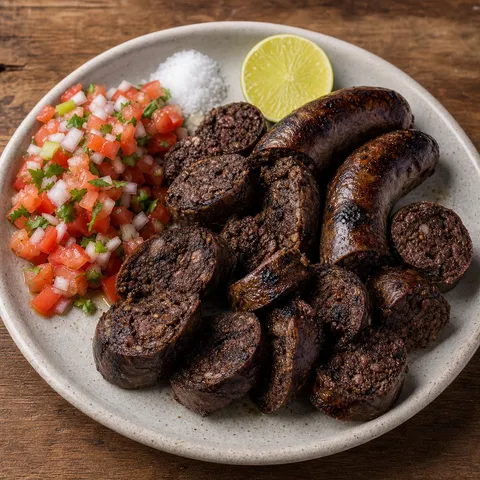 East African Lens Verified Images are for illustrative purposes only, may be inaccurate, and do not guarantee the presence or absence of specific ingredients.
 Mutura
Kenyan spiced blood sausage stuffed with meat, onion, and herbs, then grilled until the casing crisps and snaps — a bold, smoky roadside delicacy.
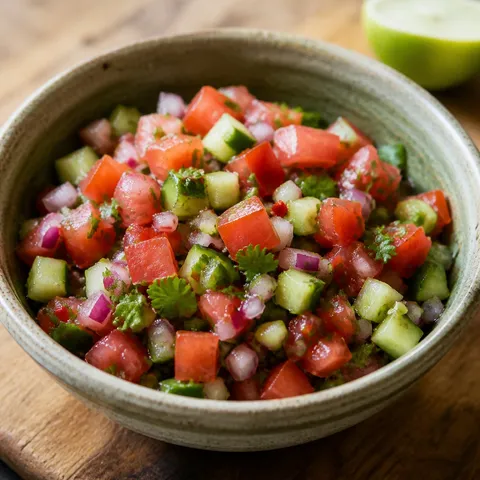 East African Lens Verified Images are for illustrative purposes only, may be inaccurate, and do not guarantee the presence or absence of specific ingredients.
 Kachumbari
Bright, refreshing salad of ripe tomatoes and sharp raw onion, spiked with chili and lime — the cool, crisp counterpoint to rich East African grills.