 East African Images are for illustrative purposes only, may be inaccurate, and do not guarantee the presence or absence of specific ingredients.
 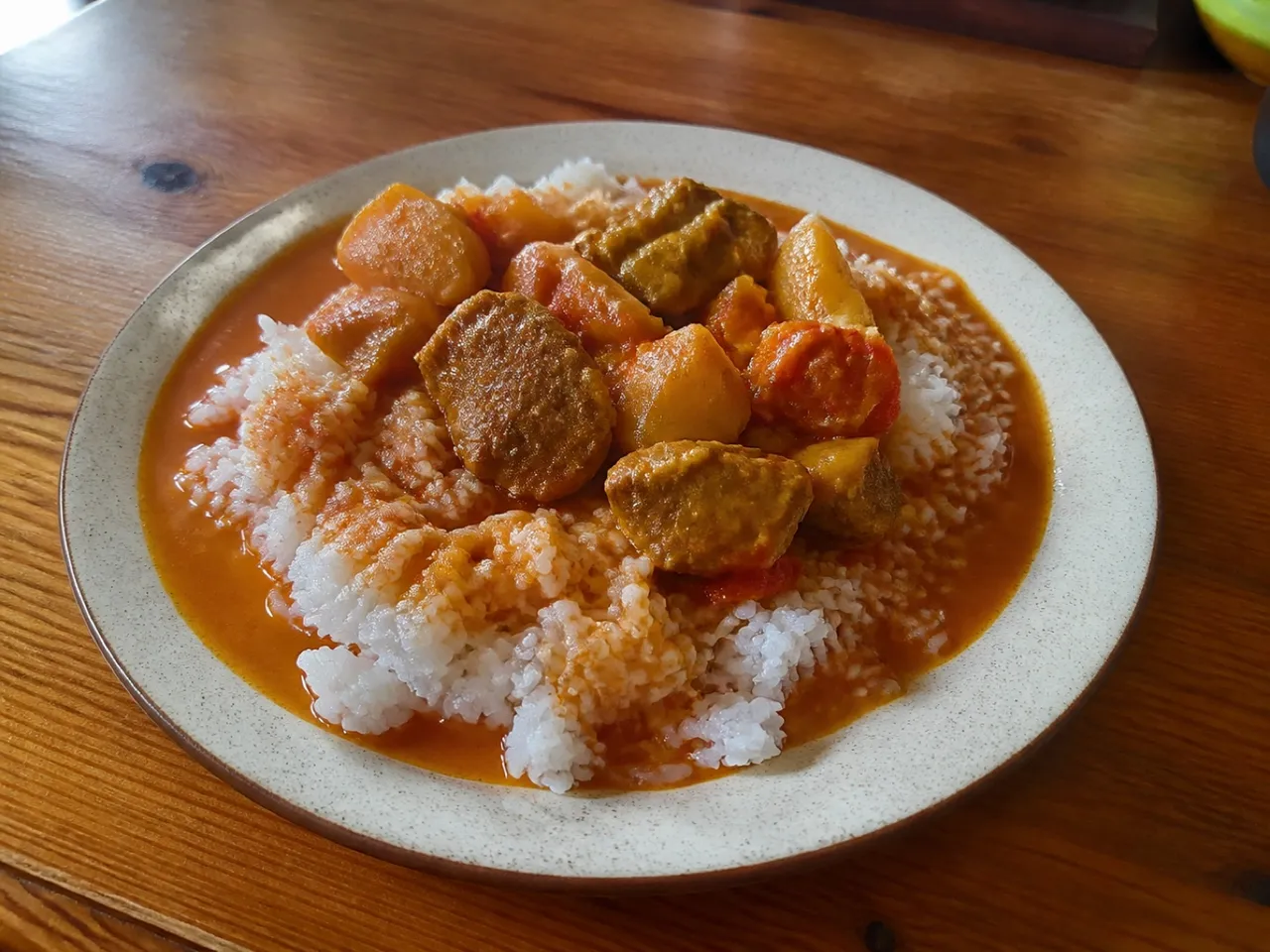 Serving Images are for illustrative purposes only, may be inaccurate, and do not guarantee the presence or absence of specific ingredients.
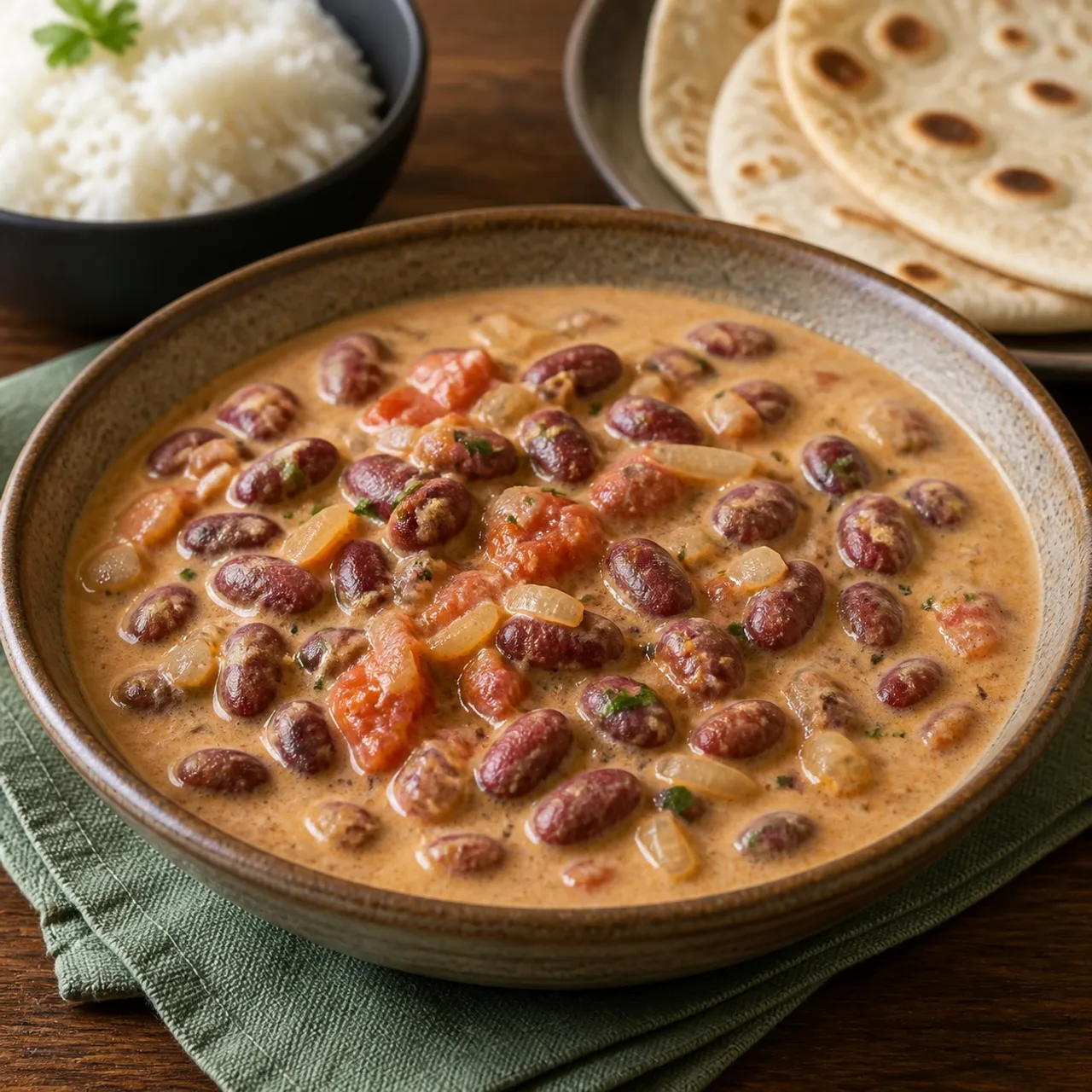
 Maharage ya Nazi
Plump red beans simmered low and slow in spiced coconut milk until the sauce is thick, creamy, and warmly fragrant — a coastal East African staple.
No common allergens detected
Based on this recipe's ingredient list. Always verify with your own brands and labels.
Instructions
6 steps- 1
If using dried beans, boil them in plenty of water for 45-60 minutes until completely tender, then drain.
- 2
In a large saucepan, heat the vegetable oil over medium heat. Sauté the diced onions until soft and golden (about 5 minutes).
- 3
Add the chopped tomatoes and curry powder, cooking until the tomatoes break down and release their juices.
- 4
Add the cooked kidney beans and salt, stirring to coat them in the tomato mixture.
- 5
Pour in the coconut milk. Bring to a gentle simmer, then reduce heat to low.
- 6
Simmer uncovered for 15-20 minutes, stirring occasionally, until the sauce thickens and the beans have absorbed the rich coconut flavor.
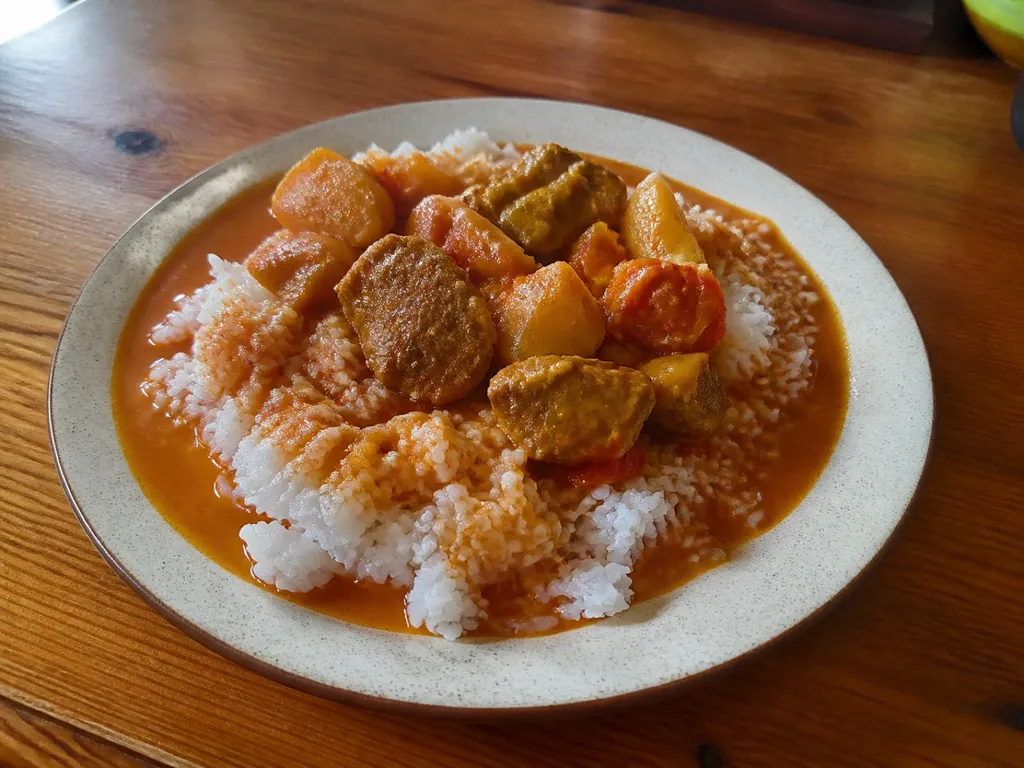 Images are for illustrative purposes only, may be inaccurate, and do not guarantee the presence or absence of specific ingredients.
 Listahan Family Score™
75/100
Good fit for most families
Score reflects how well this recipe fits a typical busy household. In the app, your Family Score is personalized to your household's allergens, kids, and pantry.
Nutrition
per serving195
Calories
9 g
Protein
26 g
Carbs
7 g
Fat
Estimated per serving. Actual values depend on the brands and portions you use.
Listahan cooking guide
Chef notes & practical guide
Technique notes, ingredient swaps, serve-alongside ideas, storage guidance, and equipment for this recipe.
Cultural context
Maharage ya Nazi, kidney beans in coconut milk, is a cornerstone of Swahili Coast cooking found across coastal Kenya and Tanzania, where Indian Ocean trade routes fused Bantu bean cultivation with Arab spice traditions and South Asian coconut-milk techniques. The dish is one of the most common everyday proteins along the coast and is served at both humble weekday meals and celebratory spreads. For a North American cook it reads as a deeply comforting, plant-based stew that needs only steamed rice to become a complete, satisfying meal.
Listahan note
This version is built around canned kidney beans for weeknight speed, but the coconut milk is used generously so the braise becomes a rich, clinging sauce rather than a thin soup.
Technique cues
- Cook the onion slowly in oil until it is deeply golden and soft before adding tomatoes and spice — this caramelization step builds the savory backbone that the coconut milk will then amplify; rushing it produces a flat, slightly raw-tasting sauce.
- Add coconut milk off the heat or after reducing the flame, then bring it to a very gentle simmer rather than a full boil — aggressive heat breaks the emulsion, causing the fat to separate and the sauce to look greasy and curdled.
- Lightly mash 20-30% of the beans against the side of the pot with a wooden spoon before adding the coconut milk; the released starch thickens the sauce naturally without any added flour or cornstarch.
Kitchen flow
- Parallel prep
- Start the Wali wa Nazi (coconut rice) at the same time — the beans simmer for 15-20 minutes while the rice steams, and both finish together.
- Make-ahead
- The stew improves after a day in the refrigerator as the spices deepen; make it up to 2 days ahead and reheat gently over low heat, adding a splash of water if it has thickened too much.
- Leftover move
- Thin leftovers with a little vegetable broth to make a hearty soup, or serve cold as a room-temperature bean salad with a squeeze of lime and fresh cilantro.
- Cleanup rhythm
- One pot from start to finish; deglaze with the coconut milk while the pot is still warm to loosen any caramelized bits before the pot cools.
Ingredient brief
Role, handling, and swap guidance for each key ingredient.
2 cups dried kidney beans (soaked overnight) or 2 cans kidney beans (rinsed)
primary protein and body
Purpose: Kidney beans hold their shape through the braise while releasing starch that thickens the coconut sauce.
Handling: If using canned, rinse thoroughly to remove excess sodium and any canning liquid that would muddy the coconut flavor.
Adaptation: Black beans or borlotti (cranberry) beans work well; red lentils cook faster but will break down into a smoother, thicker stew.
1 can (400ml) coconut milk
braising liquid and primary flavor
Purpose: Full-fat coconut milk provides the fat and sweetness that balance the earthy beans and savory onion-tomato base.
Handling: Shake the can well before opening; add it after the aromatics are fully cooked to prevent scorching the sugars.
Adaptation: Coconut cream produces a richer, thicker sauce; light coconut milk works but the finished dish will be thinner.
1 red onion (diced)
aromatic base
Purpose: Red onion has enough sweetness to caramelize well while providing the savory depth the dish needs.
Handling: Dice medium-fine so the onion softens evenly; larger chunks will remain chewy in the finished sauce.
Adaptation: Yellow onion is a direct substitute with a slightly more neutral flavor.
2 tomatoes (chopped)
acidity and color
Purpose: Fresh tomatoes provide acidity that cuts the richness of the coconut milk and brightens the overall flavor.
Handling: Chop roughly — they will break down during cooking — and add after the onion is golden.
Adaptation: Half a can of diced tomatoes (about 200g, drained) works when fresh tomatoes are out of season.
1 tsp curry powder
spice blend
Purpose: Curry powder reflects the South Asian influence on Swahili Coast cuisine and provides warmth without excessive heat.
Handling: Add to the onion-tomato mixture and stir for 30-60 seconds over medium heat to bloom the spices before adding liquid.
Adaptation: Substitute equal parts ground turmeric, cumin, and coriander plus a pinch of cayenne for a more customizable spice profile.
Technique notes
- Taste for salt only after adding the coconut milk — canned beans already carry sodium, and the coconut milk will mellow the saltiness of the aromatics, so the final seasoning call is always at the end.
- For a more authentic coastal flavor, add a kaffir lime leaf or a bruised stalk of lemongrass with the coconut milk and remove before serving.
- If the sauce is thinner than you like at the end, turn the heat to medium and cook uncovered for 5-7 minutes while stirring occasionally — it reduces quickly because of the high coconut-fat content.
Ingredient swaps
- Vegan direction
- Already vegan when made with vegetable oil; no substitutions needed.
- Gluten-free direction
- Already gluten-free; confirm your curry powder brand is certified GF if that is a concern.
- Nut-free direction
- For tree-nut-sensitive households (coconut is classified as a tree nut), substitute full-fat oat milk or cashew-free coconut alternative; the dish will lose its signature flavor but remain safe.
- Lower-sodium
- Use no-salt-added canned beans and rinse twice; taste before adding any additional salt to the finished dish.
Serve alongside
- Wali wa Nazi (coconut rice)
- kachumbari (Kenyan tomato and onion relish with fresh lime)
- chapati flatbread for scooping
- steamed spinach or sauteed collard greens
- fresh passion fruit juice or passion fruit lemonade
- cold ginger and lemon tea
Serving suggestions only — check pairings for your household's allergens.
Storage & reheating
- Refrigerate in an airtight container for up to 4 days; the sauce thickens as it cools.
- Reheat over low heat with a splash of water or vegetable broth, stirring to prevent the bottom from scorching.
- Freeze for up to 2 months in portioned containers; thaw overnight in the refrigerator and reheat gently.
Equipment
- Large heavy-bottomed skillet or Dutch oven (at least 3-quart)
- Wooden spoon for stirring and mashing beans
- Can opener
- Fine-mesh strainer for draining and rinsing canned beans
Make this household-aware
Listahan Pro checks this recipe against your household's allergens, finds pantry-aware swaps, builds the shopping list, and helps you plan the week around it.
Plan it in Listahan
Add Maharage ya Nazi to your week, check it against your household's allergens, and build the shopping list automatically.
More East African recipes
 East African Lens Verified Images are for illustrative purposes only, may be inaccurate, and do not guarantee the presence or absence of specific ingredients.
 Viazi Karai
A Zanzibari street favorite of soft boiled potatoes coated in a turmeric-yellow batter and deep-fried until crackling, served with fiery tamarind sauce.
 East African Lens Verified Images are for illustrative purposes only, may be inaccurate, and do not guarantee the presence or absence of specific ingredients.
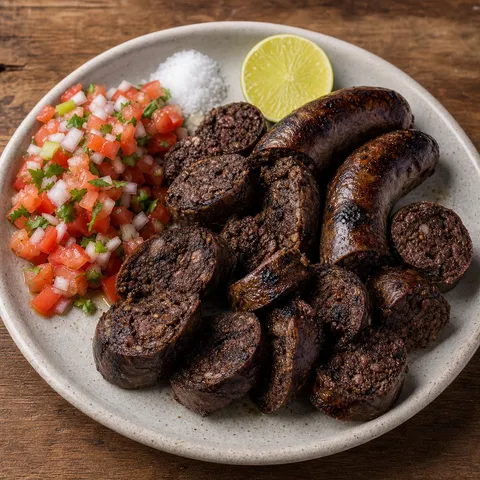
 Mutura
Kenyan spiced blood sausage stuffed with meat, onion, and herbs, then grilled until the casing crisps and snaps — a bold, smoky roadside delicacy.
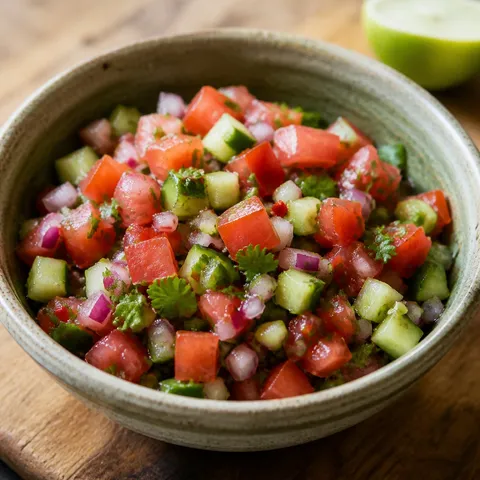 East African Lens Verified Images are for illustrative purposes only, may be inaccurate, and do not guarantee the presence or absence of specific ingredients.
 Kachumbari
Bright, refreshing salad of ripe tomatoes and sharp raw onion, spiked with chili and lime — the cool, crisp counterpoint to rich East African grills.