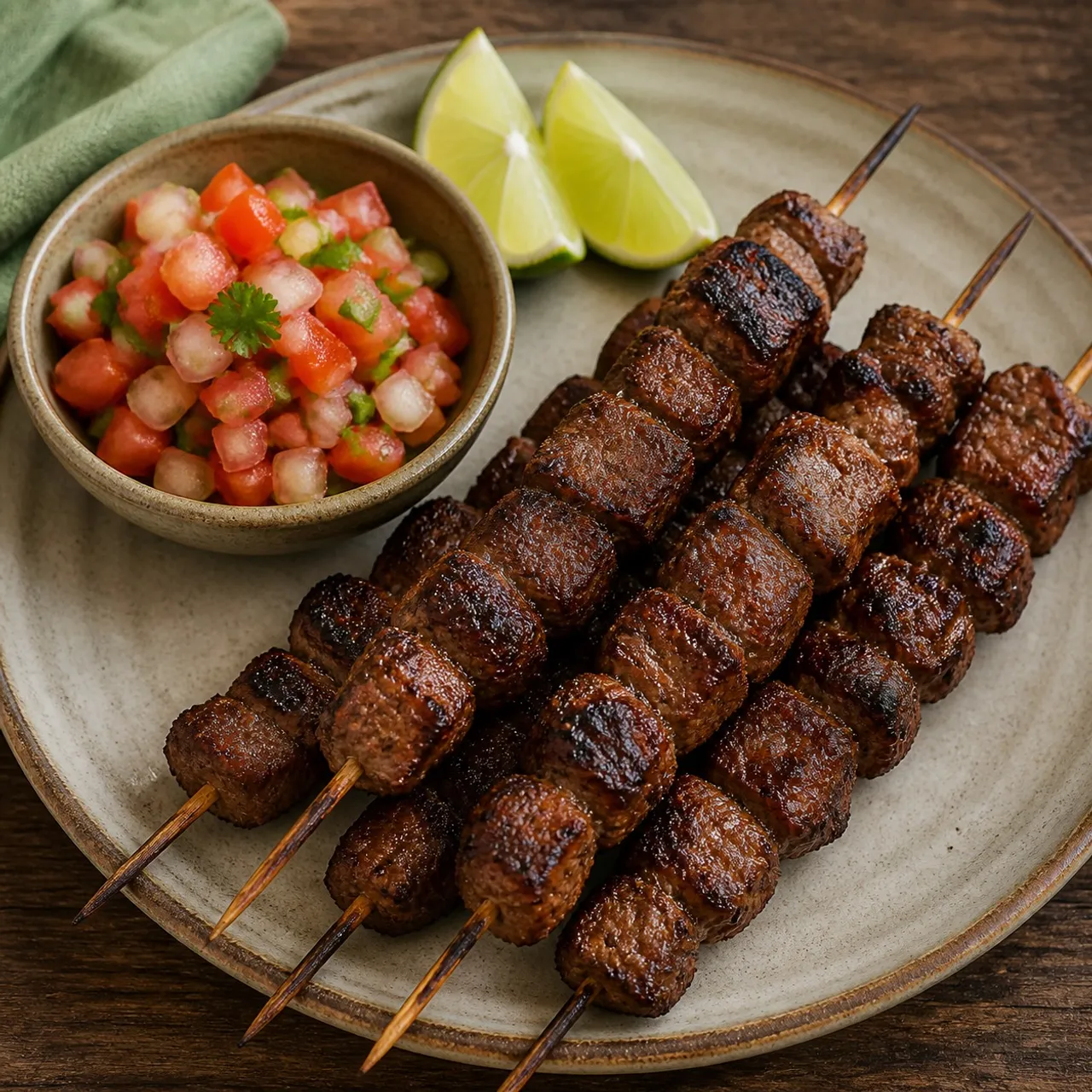
 East African Images are for illustrative purposes only, may be inaccurate, and do not guarantee the presence or absence of specific ingredients.
 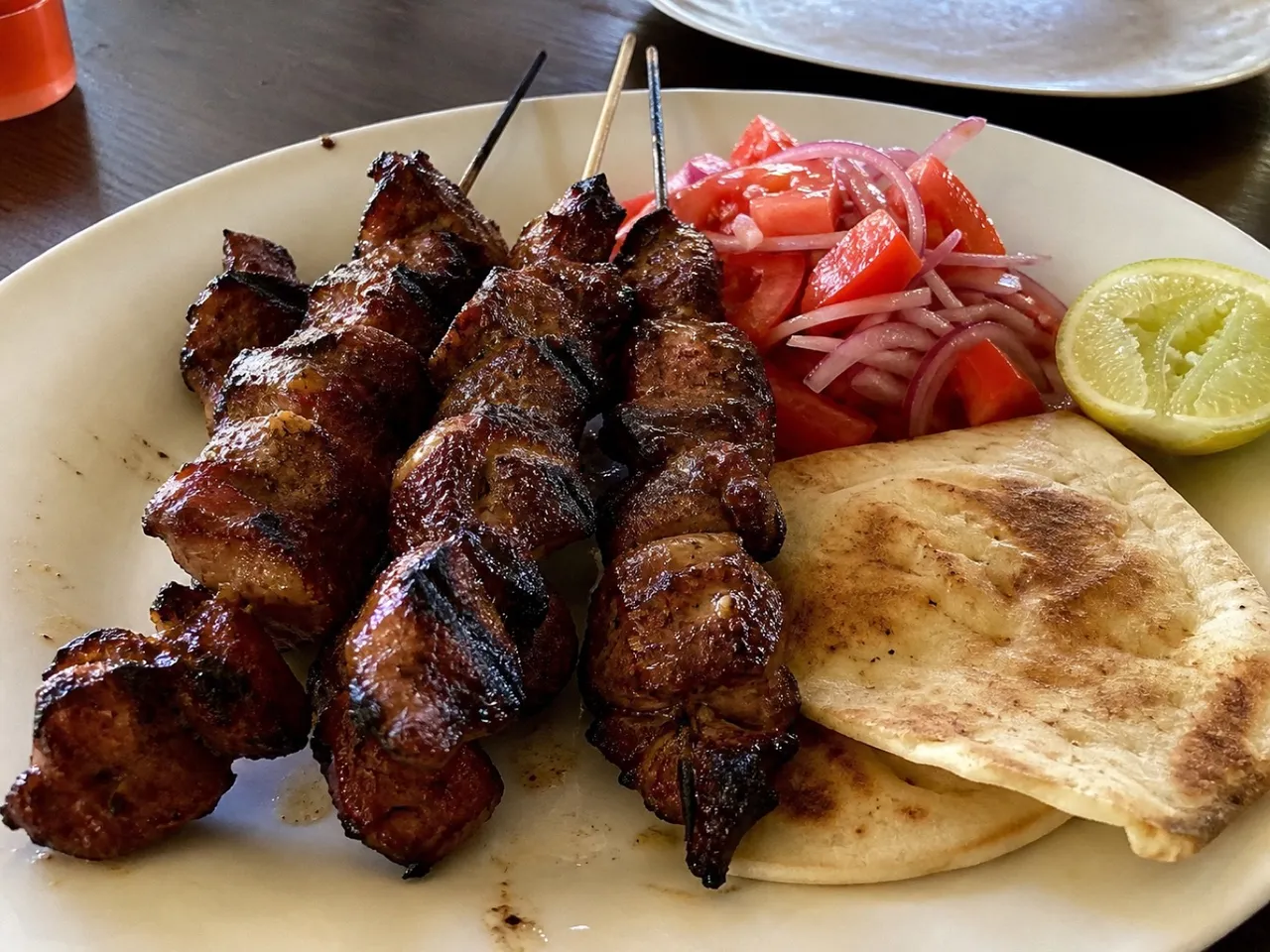 Serving Images are for illustrative purposes only, may be inaccurate, and do not guarantee the presence or absence of specific ingredients.
 Mshikaki
Tanzanian marinated meat skewers — rubbed with coconut, lime, and spices, then grilled over charcoal for a sweet-smoky char that's deeply coastal in character.
No common allergens detected
Based on this recipe's ingredient list. Always verify with your own brands and labels.
Instructions
7 steps- 1
In a bowl, whisk together the coconut milk, lime juice, garlic, ginger, cumin, coriander, cinnamon, cloves, oil, and salt to make the marinade.
- 2
Add the meat cubes and toss thoroughly to coat, then cover and marinate in the refrigerator for at least 1 hour, ideally overnight.
- 3
Thread the marinated meat onto skewers, leaving a small gap between each piece for even cooking.
- 4
Prepare a charcoal grill and let the coals burn down to a steady medium-high heat.
- 5
Grill the skewers, turning every 2 to 3 minutes and basting with leftover marinade, for 10 to 12 minutes until the exterior is charred and caramelized while the inside stays juicy.
- 6
Check a thicker piece for doneness, cutting in slightly if needed; beef should be cooked to your preference, goat should be tender throughout.
- 7
Rest the skewers for a few minutes, then serve hot with a squeeze of fresh lime, often alongside kachumbari or chips.
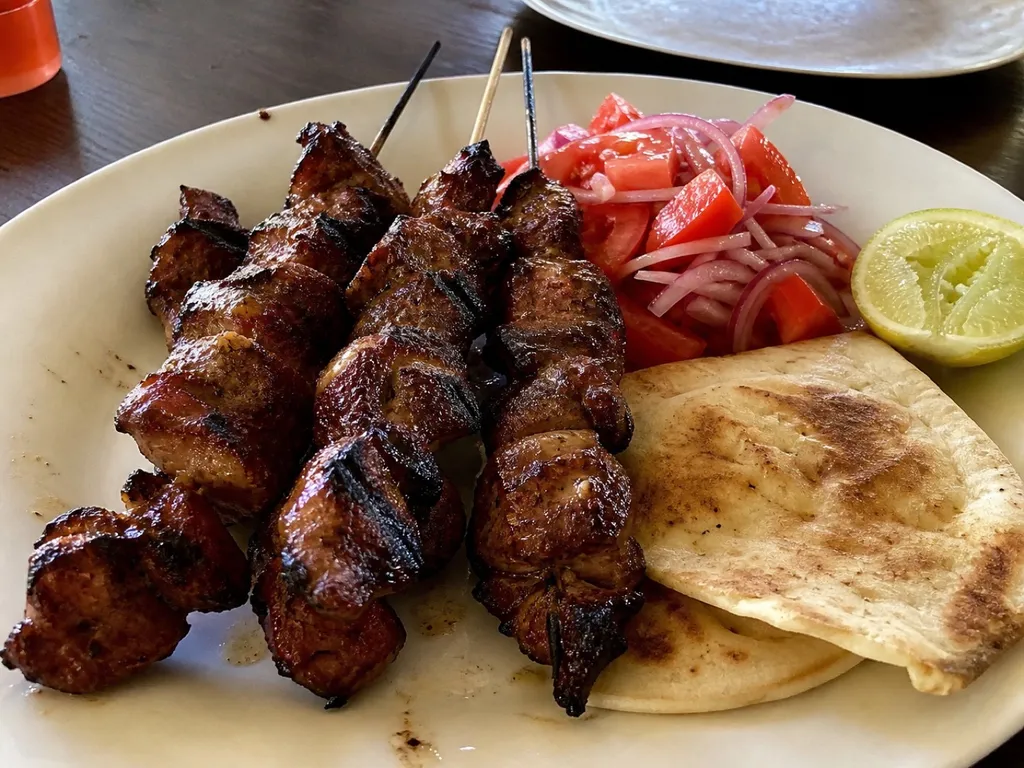 Images are for illustrative purposes only, may be inaccurate, and do not guarantee the presence or absence of specific ingredients.
 Listahan Family Score™
70/100
Good fit for most families
Score reflects how well this recipe fits a typical busy household. In the app, your Family Score is personalized to your household's allergens, kids, and pantry.
Nutrition
per serving440
Calories
45 g
Protein
2 g
Carbs
26 g
Fat
Estimated per serving. Actual values depend on the brands and portions you use.
Listahan cooking guide
Chef notes & practical guide
Technique notes, ingredient swaps, serve-alongside ideas, storage guidance, and equipment for this recipe.
Cultural context
Mshikaki are marinated grilled meat skewers from the Swahili coast of Tanzania and Kenya, particularly popular in Dar es Salaam and Mombasa. The name derives from the Swahili word for skewer, and the dish reflects the Indian Ocean spice trade influence that shaped coastal East African cooking: cumin, ginger, garlic, and lime are layered over beef in a marinade that also uses green papaya as a natural tenderizer. Mshikaki are sold at roadside barbecue stands called 'mchomaji' stalls throughout the coast, typically from late afternoon through the night.
Listahan note
This version uses green papaya paste as the tenderizer, which is essential for achieving the characteristic tender-yet-charred bite that separates mshikaki from ordinary beef skewers.
Technique cues
- Green papaya paste contains papain, a proteolytic enzyme that breaks down muscle fibers in beef; limit the marinating time to 2 to 4 hours maximum because overnight marination with papaya paste makes the meat mealy and soft rather than tender.
- Grill over very high direct heat and resist moving the skewers for the first 2 minutes so a proper char crust forms; the Maillard reaction on the exterior creates the smoky, caramelized flavor that defines the dish and seals in moisture.
- Squeeze fresh lime juice over the skewers the moment they come off the grill, not before; acid added during grilling steams the surface and prevents charring, while post-grill lime brightens the charred spice crust.
Kitchen flow
- Parallel prep
- Skewer the marinated beef while the grill preheats; the 15-to-20 minute preheat overlaps with the final assembly.
- Make-ahead
- Marinate the beef cubes for up to 4 hours in advance and refrigerate; skewer just before grilling to prevent the meat from sliding off softened skewers.
- Leftover move
- Slide leftover mshikaki off the skewers and chop into a chapati wrap with raw onion, tomato, and chili sauce for a quick lunch.
- Cleanup rhythm
- Soak wooden skewers in the marinating bowl before discarding; clean the grill grates while still hot immediately after cooking.
Ingredient brief
Role, handling, and swap guidance for each key ingredient.
1.5 lbs beef sirloin (cut into 1-inch cubes)
primary protein
Purpose: Sirloin has enough intramuscular fat to stay moist over high heat without needing a sauce, while its firm texture holds up on the skewer without falling apart.
Handling: Cut against the grain into even 1-inch cubes so each piece grills at the same rate; larger pieces char outside before cooking through.
Adaptation: Beef tenderloin is more tender but more expensive; boneless lamb shoulder is an excellent traditional alternative.
3 tbsp green papaya paste (tenderizer)
enzymatic tenderizer
Purpose: Raw green papaya contains papain enzymes that actively break down tough muscle fibers in beef, which is what gives mshikaki its distinctively tender interior under a charred crust.
Handling: Grate raw green (unripe) papaya on the fine side of a box grater to make the paste; 3 tablespoons is roughly a golf-ball-sized piece of papaya.
Adaptation: A ripe kiwi fruit (mashed) contains actinidin, a similar enzyme, and works as a tenderizer substitute in equal quantity.
1 tbsp grated ginger
warmth and aromatic base
Purpose: Fresh ginger provides the backbone of the Swahili spice profile alongside cumin and garlic, contributing warmth and a slight sharpness to the marinade.
Handling: Grate on a microplane rather than mincing for a finer paste that distributes evenly through the marinade without leaving fibrous strands on the meat.
Adaptation: Ground ginger (1 teaspoon) is a weaker substitute; increase to 1.5 teaspoons and add an extra squeeze of lime to compensate for the lost freshness.
2 tbsp fresh lime juice
acidity and brightness
Purpose: Lime juice brightens the spice marinade and, when applied post-grill, cuts through the charred richness and lifts the finished skewer.
Handling: Use freshly squeezed rather than bottled lime juice for a cleaner, more vivid acidity; roll the lime on the countertop before cutting to release more juice.
Adaptation: Lemon juice is a direct substitute with a slightly less floral, more straightforward acidity.
1 tsp ground cumin
earthy aromatic warmth
Purpose: Cumin provides the dominant warm, slightly smoky note in the spice profile that characterizes the Swahili coast marinade style.
Handling: Toast in a dry pan for 30 seconds before measuring if using pre-ground cumin, or use freshly ground cumin seeds for a more vivid, less stale flavor.
Adaptation: A pinch of ground coriander combined with cumin gives a more layered spice note common in East African coastal cooking.
Technique notes
- Soak wooden skewers in water for at least 30 minutes before threading meat to prevent them from charring through and snapping on the grill.
- Leave a small gap between each cube on the skewer rather than packing them tightly; gaps allow heat to circulate around all sides of each cube for even char.
- Do not marinate in a reactive metal bowl (aluminum or copper); the lime juice and papaya enzyme will react with the metal and impart an off-flavor to the meat.
Ingredient swaps
- Gluten-free direction
- All ingredients are naturally gluten-free; verify that any store-bought papaya paste or spice blends do not contain added starch or anti-caking agents.
- Lower-heat option
- If a grill is unavailable, broil on the top rack of the oven at maximum broil setting for 4 to 5 minutes per side, rotating once, for a comparable char.
- Chicken variation
- Boneless skinless chicken thighs (cut into 1-inch pieces) work well in the same marinade; reduce marinating time to 1 to 2 hours maximum since chicken absorbs the papain faster than beef.
Serve alongside
- kachumbari (finely diced tomato, onion, cilantro, and lime salad)
- chapati flatbread for wrapping
- ugali (firm maize porridge) as a neutral starch
- roasted corn on the cob with chili butter
- fresh cold tamarind juice
- cold Kilimanjaro lager
Serving suggestions only — check pairings for your household's allergens.
Storage & reheating
- Refrigerate cooked mshikaki (off the skewers) in an airtight container for up to 2 days.
- Reheat in a cast iron skillet over high heat for 2 to 3 minutes to restore the charred exterior; avoid the microwave which makes the crust soggy.
- Raw marinated beef can be refrigerated on skewers for up to 4 hours but should not be frozen after marinating with papaya paste, as the enzyme continues to break down the protein.
Equipment
- charcoal grill or gas grill
- metal or pre-soaked wooden skewers
- microplane or fine grater for ginger
- tongs for rotating skewers
Make this household-aware
Listahan Pro checks this recipe against your household's allergens, finds pantry-aware swaps, builds the shopping list, and helps you plan the week around it.
Plan it in Listahan
Add Mshikaki to your week, check it against your household's allergens, and build the shopping list automatically.
More East African recipes
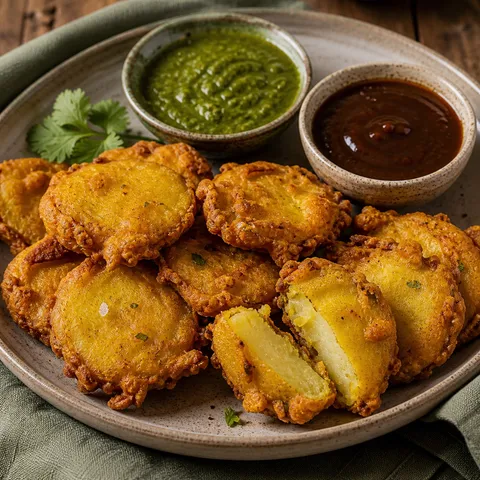 East African Lens Verified Images are for illustrative purposes only, may be inaccurate, and do not guarantee the presence or absence of specific ingredients.
 Viazi Karai
A Zanzibari street favorite of soft boiled potatoes coated in a turmeric-yellow batter and deep-fried until crackling, served with fiery tamarind sauce.
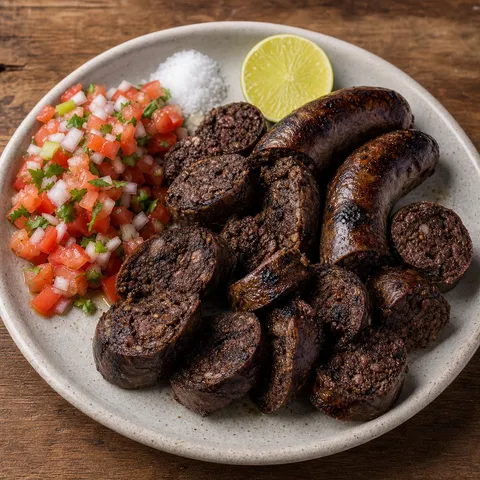 East African Lens Verified Images are for illustrative purposes only, may be inaccurate, and do not guarantee the presence or absence of specific ingredients.
 Mutura
Kenyan spiced blood sausage stuffed with meat, onion, and herbs, then grilled until the casing crisps and snaps — a bold, smoky roadside delicacy.
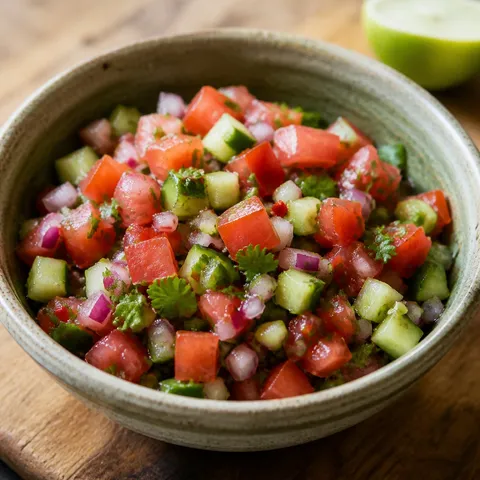 East African Lens Verified Images are for illustrative purposes only, may be inaccurate, and do not guarantee the presence or absence of specific ingredients.
 Kachumbari
Bright, refreshing salad of ripe tomatoes and sharp raw onion, spiked with chili and lime — the cool, crisp counterpoint to rich East African grills.