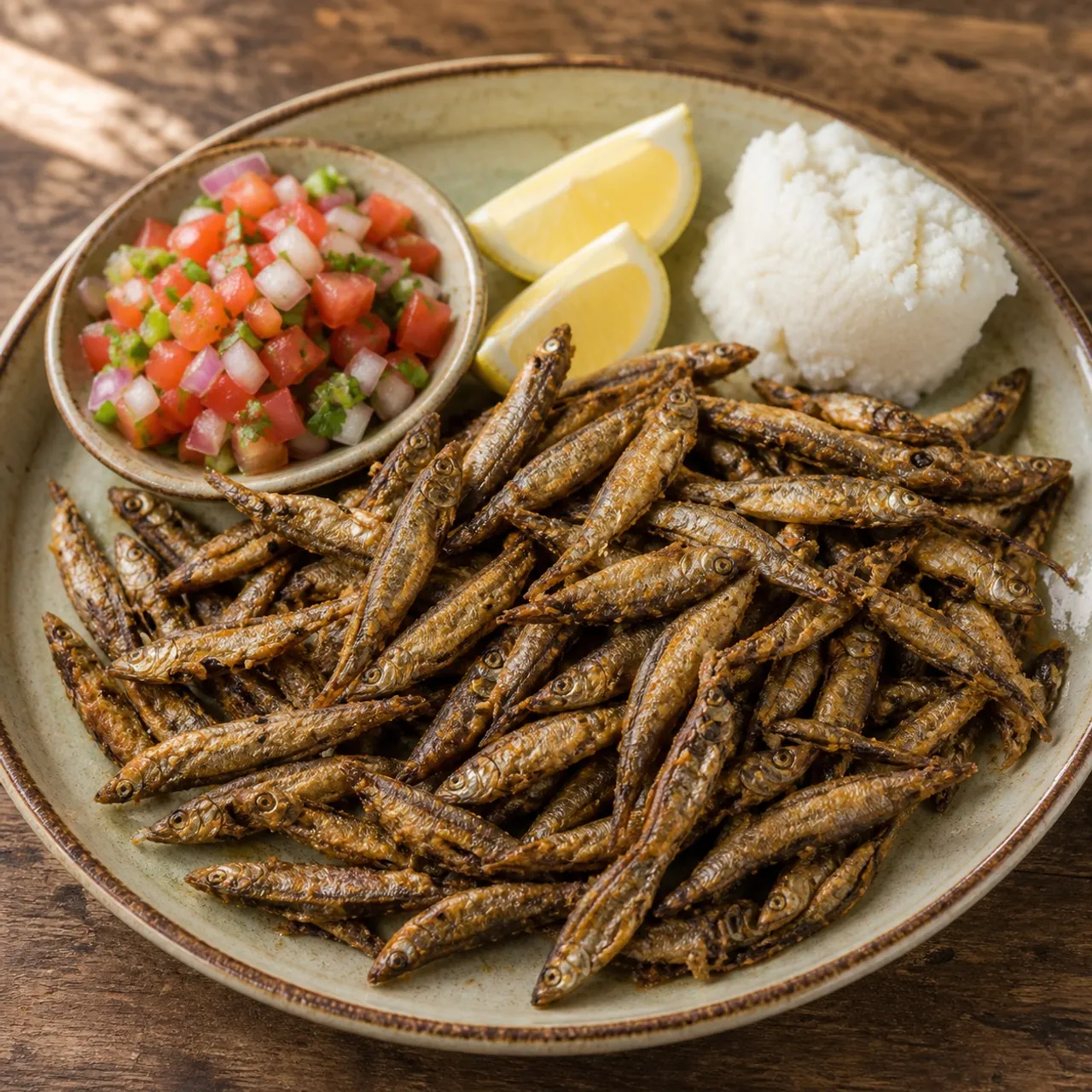
 East African Images are for illustrative purposes only, may be inaccurate, and do not guarantee the presence or absence of specific ingredients.
 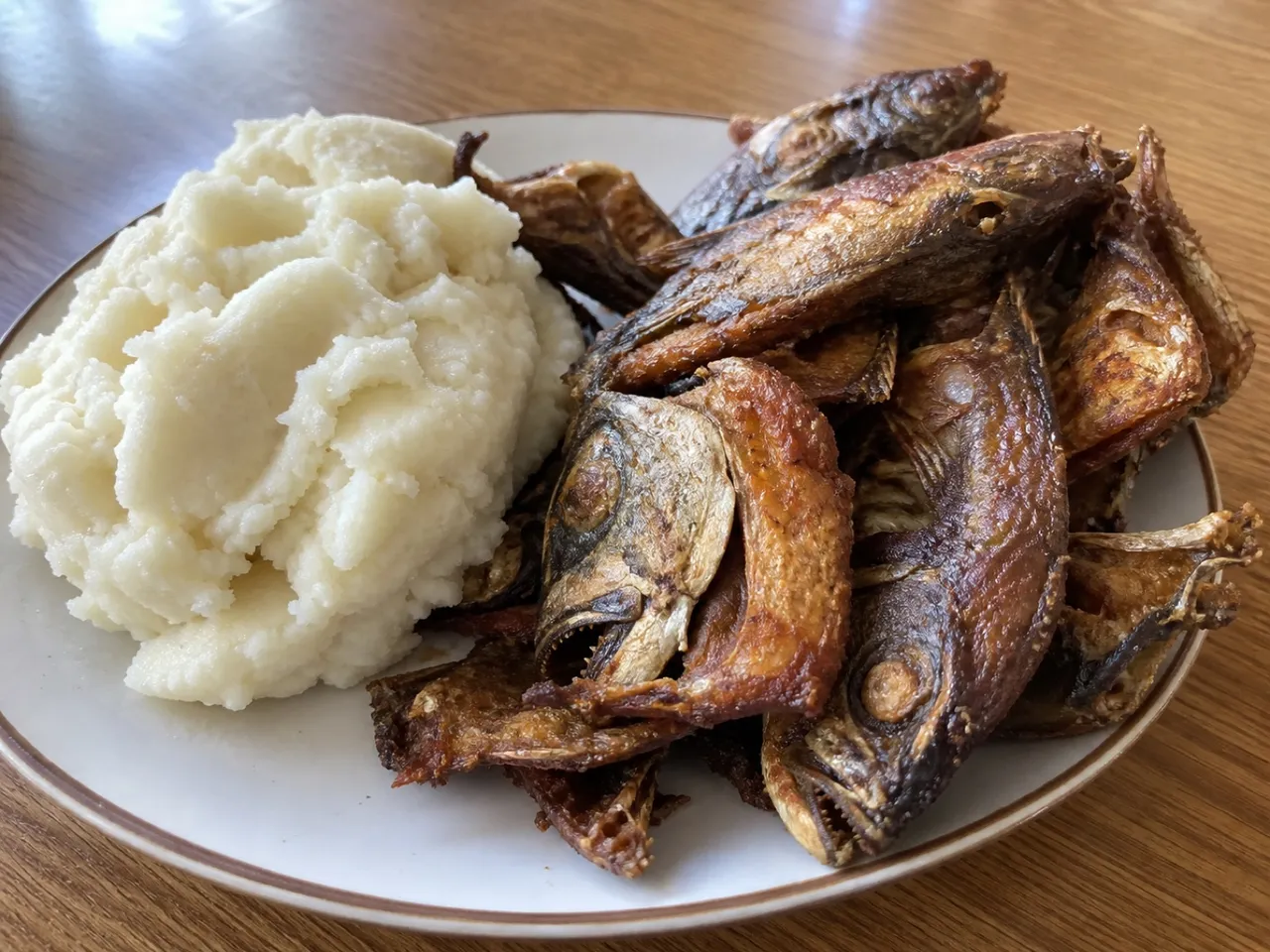 Serving Images are for illustrative purposes only, may be inaccurate, and do not guarantee the presence or absence of specific ingredients.
 Ndagala
Tiny Lake Tanganyika sardines fried until crispy and golden, eaten whole — nutty, intensely savory, and rich in flavor. A beloved regional delicacy.
Contains common allergens
In the app, Listahan checks these against your household automatically.
Good to know
- Crispy
- Ready in under 30 minutes
Matched from this dish's own ingredients and timing. Browse more: crispy recipes30-minute meals
Instructions
7 steps- 1
Rinse the dried ndagala under cold water to remove excess sand or debris, then pat completely dry with paper towels.
- 2
If desired, toss the fish lightly in flour or cornmeal seasoned with a little salt to help them crisp.
- 3
Heat the oil in a heavy skillet over medium-high heat until shimmering and a test piece sizzles immediately on contact.
- 4
Fry the ndagala in batches, without overcrowding the pan, for 3 to 4 minutes, turning once, until golden brown and crackling crisp.
- 5
Remove with a slotted spoon and drain on paper towels.
- 6
Season immediately with salt while still hot.
- 7
Serve piled on a plate with lime wedges, eaten whole as a snack or alongside ugali.
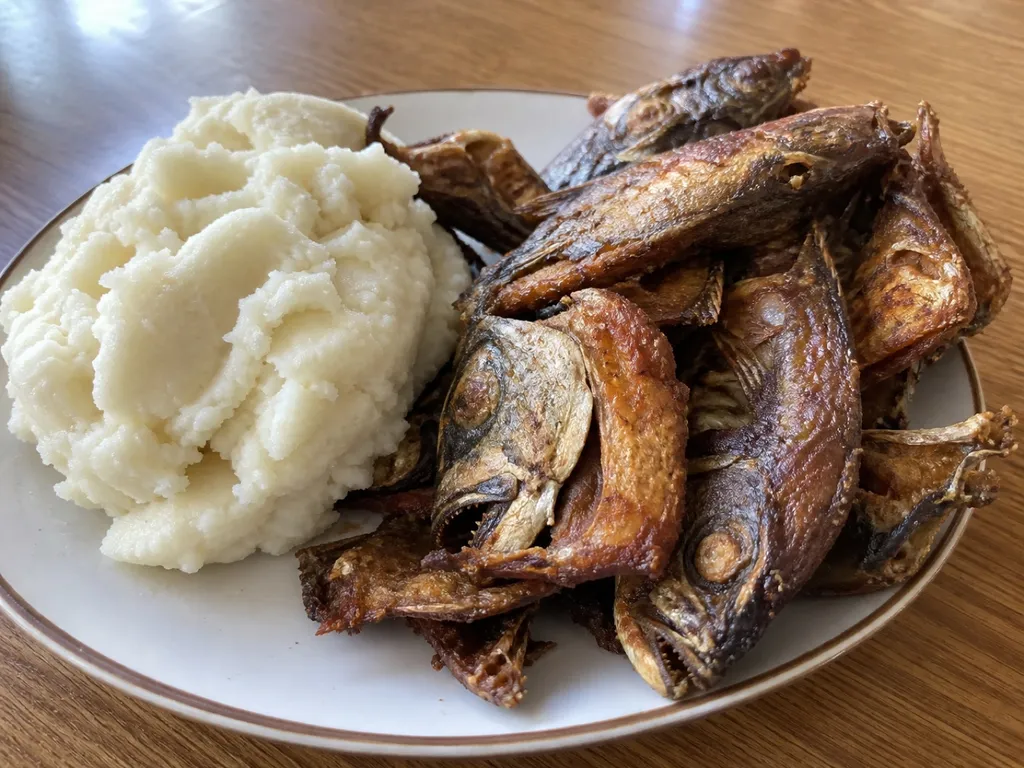 Images are for illustrative purposes only, may be inaccurate, and do not guarantee the presence or absence of specific ingredients.
 Listahan Family Score™
70/100
Good fit for most families
Score reflects how well this recipe fits a typical busy household. In the app, your Family Score is personalized to your household's allergens, kids, and pantry.
Nutrition
per serving480
Calories
0 g
Protein
0 g
Carbs
55 g
Fat
Estimated per serving. Actual values depend on the brands and portions you use.
Listahan cooking guide
Chef notes & practical guide
Technique notes, ingredient swaps, serve-alongside ideas, storage guidance, and equipment for this recipe.
Cultural context
Ndagala are tiny silver dagaa fish native to Lake Tanganyika and Lake Victoria in East Africa, sun-dried and traded throughout Tanzania, Uganda, the Democratic Republic of Congo, and Zambia as an affordable, shelf-stable protein source. They have been a critical food security resource in the Great Lakes region for centuries, providing nutrition to landlocked communities far from any coast. When fried or sauteed, they develop a deeply savory, almost nutty flavor similar to dried anchovies used in Southeast Asian cooking.
Listahan note
This version fries the ndagala until very crisp before adding aromatics, which removes excess moisture and concentrates their umami flavor into a satisfying, versatile side dish.
Technique cues
- Ndagala cook very quickly because of their small size and low moisture content; use medium rather than high heat to crisp them evenly without burning, as burned small fish turn acrid rather than bitter-savory.
- Soaking dried ndagala in cold water for 10-15 minutes before cooking reduces their saltiness and allows them to puff slightly, resulting in a less brittle, more evenly crisped final texture.
- The fish should be fully dry before going into the hot oil; water on the surface causes violent spattering and steaming, which makes them soft rather than crisp.
Kitchen flow
- Parallel prep
- Soak the fish while prepping any aromatics (diced tomato, onion, chili) that will be added after frying.
- Make-ahead
- Fried ndagala keep well in an airtight container at room temperature for up to 2 days; reheat briefly in a dry skillet to restore crispness.
- Leftover move
- Add leftover fried ndagala to a pot of beans or stewed greens as a savory seasoning element rather than eating them plain.
- Cleanup rhythm
- Strain the frying oil through a fine mesh strainer while still warm to remove fish debris; store for reuse in the same week.
Ingredient brief
Role, handling, and swap guidance for each key ingredient.
Ndagala (small fish)
primary protein
Purpose: These dried tiny fish are the entire substance of the dish, providing intense umami, protein, and crunch when properly fried.
Handling: Rinse under cold water, pick out any debris, and spread on a clean towel to dry completely before frying.
Adaptation: Dried whitebait, dried anchovies (Japanese niboshi or Korean myulchi), or dried shrimp offer a similar concentrated savory flavor and texture.
oil
frying medium
Purpose: Enough oil to shallow-fry the fish ensures they crisp evenly on all sides rather than steaming or burning on one side.
Handling: Use a neutral oil with a high smoke point; heat it until a single fish sizzles immediately when dropped in.
Adaptation: No meaningful substitution needed; any neutral high-heat cooking oil works.
salt
seasoning adjustment
Purpose: Dried ndagala are already quite salty from the drying process; salt is used for final adjustment only, often none is needed.
Handling: Taste the fish after crisping before adding any additional salt.
Adaptation: No substitution necessary.
Technique notes
- Fry in small batches so the fish can move freely in the oil and crisp individually rather than steaming in a crowded pan.
- A handful of sliced tomato, onion, and fresh chili fried together after the fish are removed from the oil makes a quick sauce to toss the crisped fish in before serving.
- Serve immediately after tossing with any aromatics; ndagala lose their crispness within 10-15 minutes of contact with any moisture from tomatoes or sauce.
Ingredient swaps
- Lower sodium direction
- Extend the soak to 30 minutes, changing the water once, to draw out more of the fish's natural salt before frying.
- Vegetarian direction
- The dish does not have a direct plant-based equivalent, but fried salted edamame with nutritional yeast approximates a savory, crunchy protein side.
Serve alongside
- ugali (stiff maize porridge)
- sukuma wiki (braised collard greens with tomato and onion)
- steamed white rice with a squeeze of lemon
- cold Kenyan lager
- freshly squeezed lemon water
Serving suggestions only — check pairings for your household's allergens.
Storage & reheating
- Fried ndagala keep in an airtight container at room temperature for up to 2 days.
- Reheat in a dry skillet over medium heat for 1-2 minutes to restore crispness before serving.
- Uncooked dried ndagala keep in a sealed container in a cool, dry place for several months.
Equipment
- wide skillet or wok for shallow frying
- fine mesh strainer or spider for removing fish from oil
- paper towels for draining
Make this household-aware
Listahan Pro checks this recipe against your household's allergens, finds pantry-aware swaps, builds the shopping list, and helps you plan the week around it.
Plan it in Listahan
Add Ndagala to your week, check it against your household's allergens, and build the shopping list automatically.
More East African recipes
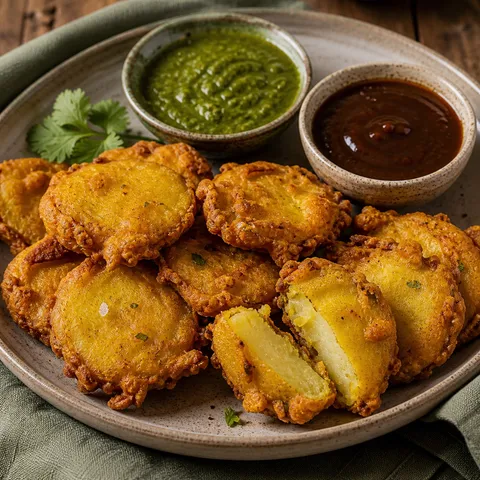 East African Lens Verified Images are for illustrative purposes only, may be inaccurate, and do not guarantee the presence or absence of specific ingredients.
 Viazi Karai
A Zanzibari street favorite of soft boiled potatoes coated in a turmeric-yellow batter and deep-fried until crackling, served with fiery tamarind sauce.
 East African Lens Verified Images are for illustrative purposes only, may be inaccurate, and do not guarantee the presence or absence of specific ingredients.
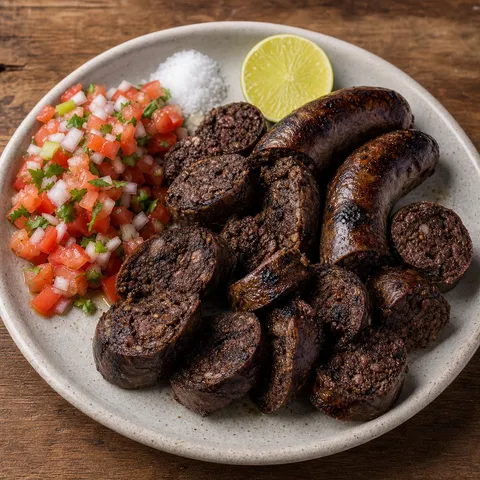
 Mutura
Kenyan spiced blood sausage stuffed with meat, onion, and herbs, then grilled until the casing crisps and snaps — a bold, smoky roadside delicacy.
 East African Lens Verified Images are for illustrative purposes only, may be inaccurate, and do not guarantee the presence or absence of specific ingredients.
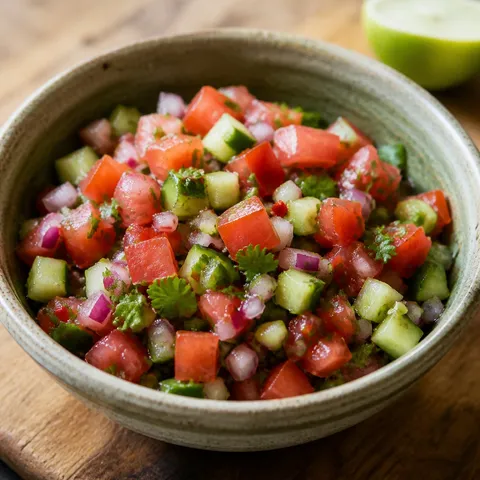
 Kachumbari
Bright, refreshing salad of ripe tomatoes and sharp raw onion, spiked with chili and lime — the cool, crisp counterpoint to rich East African grills.