 Indonesian & Malaysian Images are for illustrative purposes only, may be inaccurate, and do not guarantee the presence or absence of specific ingredients.
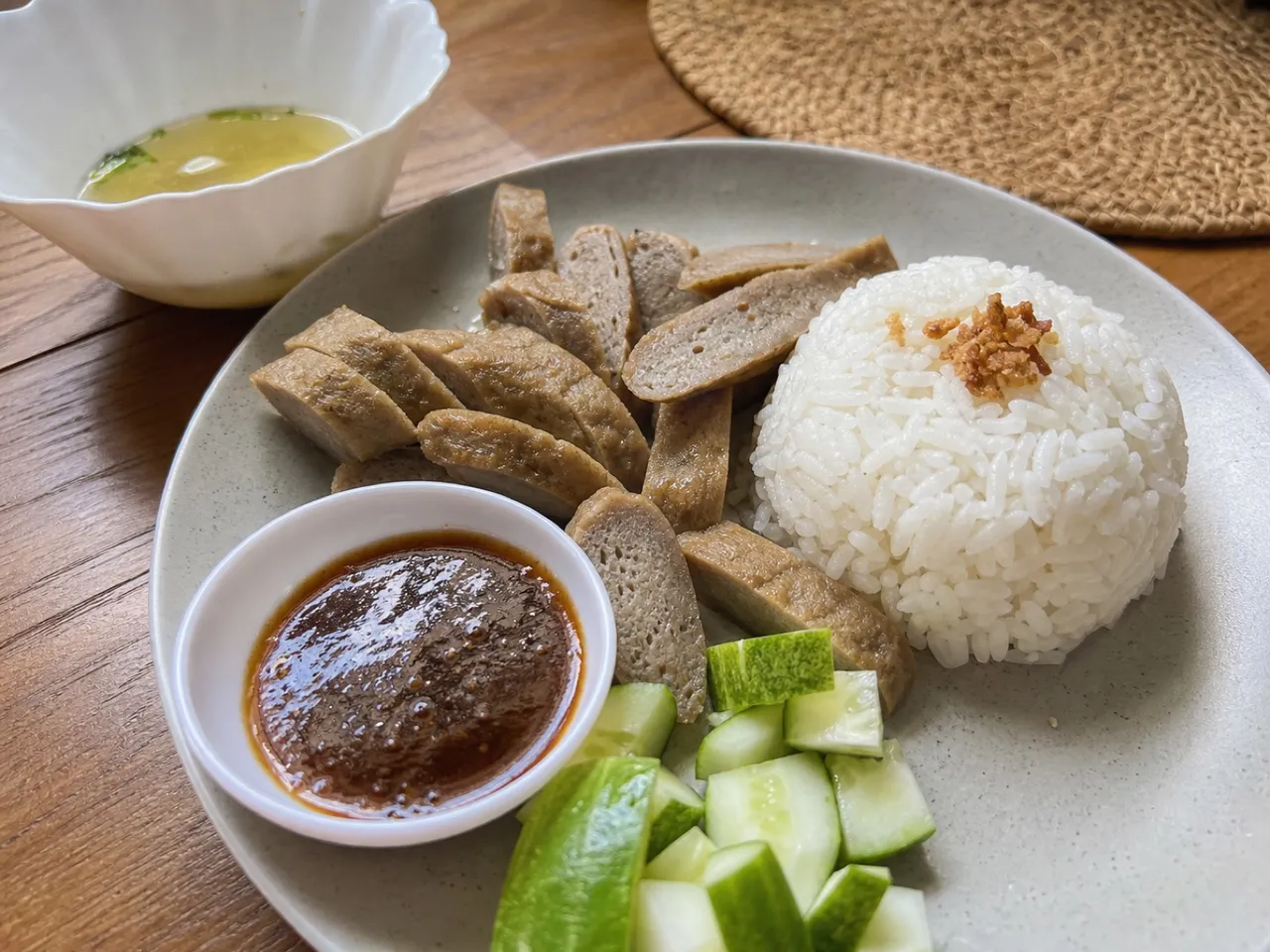 Serving Images are for illustrative purposes only, may be inaccurate, and do not guarantee the presence or absence of specific ingredients.
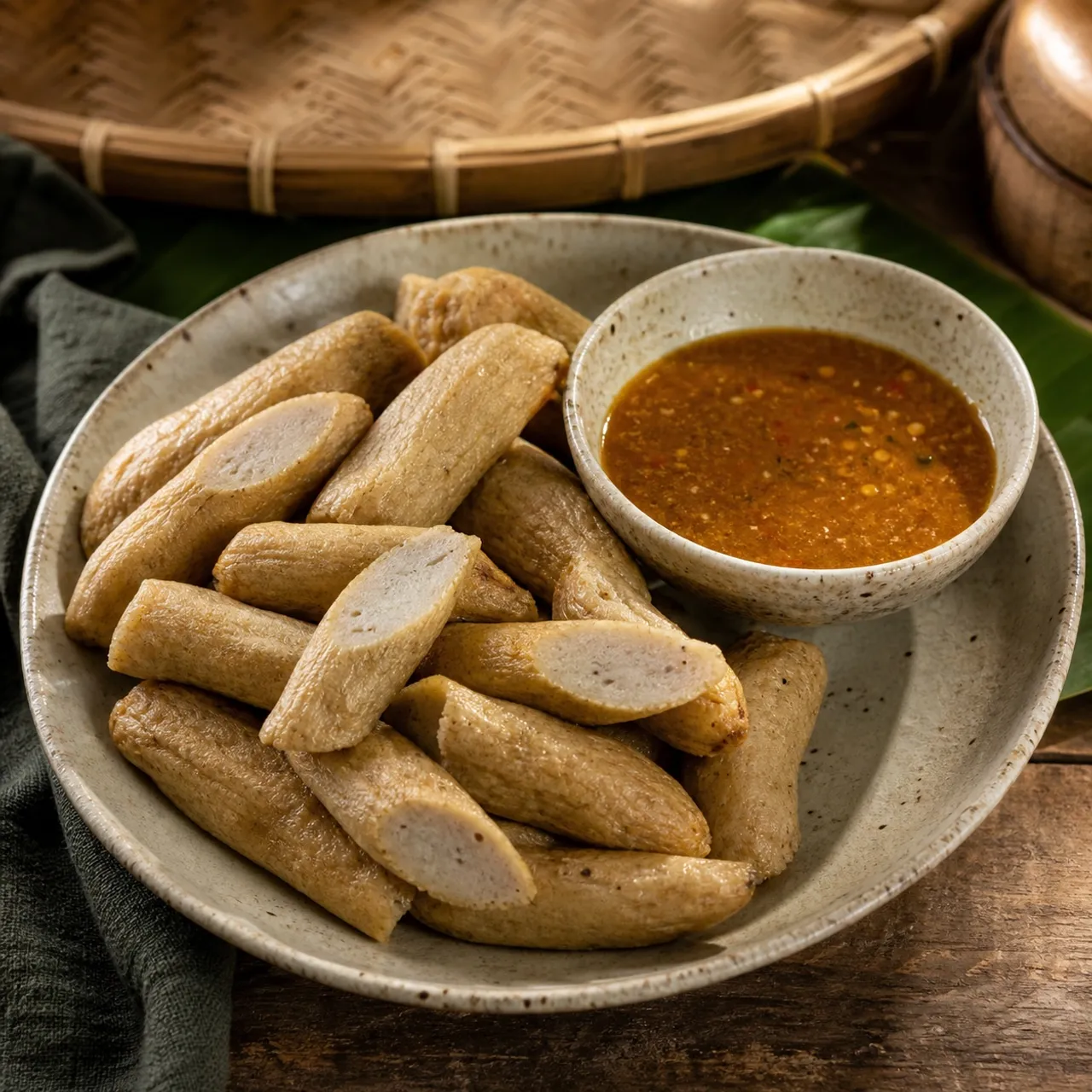
Keropok Lekor
Terengganu fish sausage — chewy, lightly smoky, and ocean-fresh, deep-fried until golden and served with a tangy chili dip.
Contains common allergens
In the app, Listahan checks these against your household automatically.
Good to know
- Crispy
Matched from this dish's own ingredients and timing. Browse more: crispy recipes
Instructions
6 steps- 1
In a bowl, mix the minced fish with the salt, sugar, and white pepper until well combined.
- 2
Gradually work in the sago flour and cold water, kneading until you have a smooth, slightly sticky dough that holds together.
- 3
Dust your hands with extra flour and roll the mixture into long, finger-thick logs, about 6 inches long.
- 4
Bring a large pot of water to a gentle boil and cook the logs in batches until they float and firm up, 8 to 10 minutes; remove and let cool completely.
- 5
Slice the cooled logs into thin ovals.
- 6
Heat oil to 350 F (175 C) and deep-fry the slices in batches until golden and crisp, 2 to 3 minutes; drain on paper towels and serve with chili sauce.
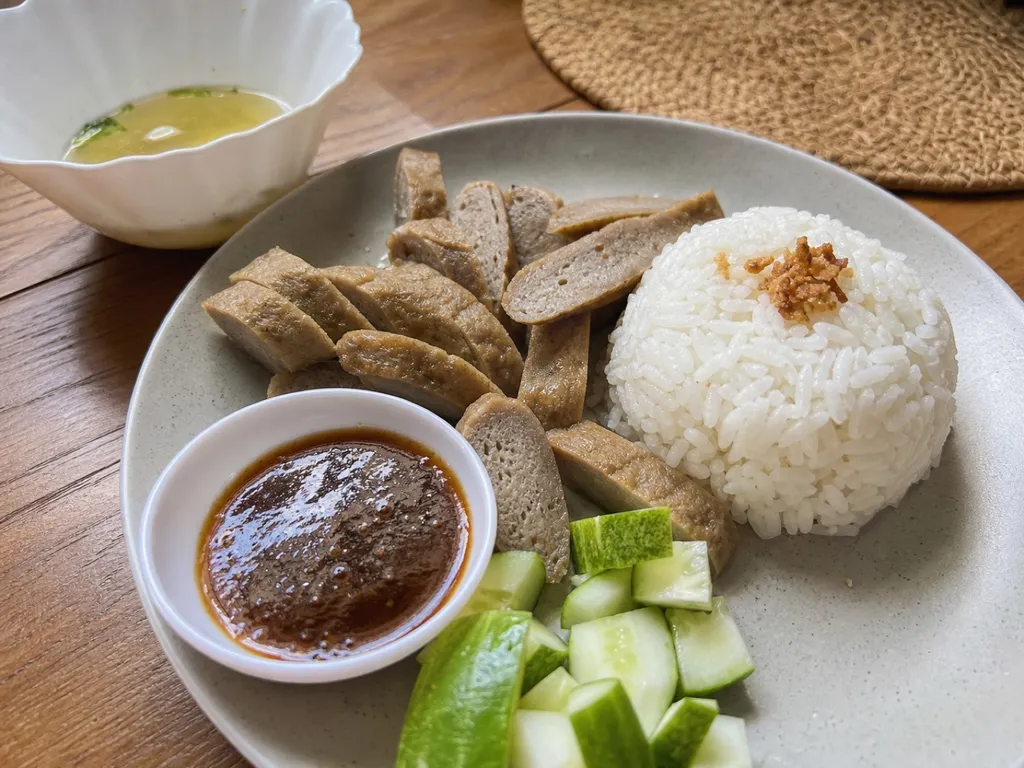 Images are for illustrative purposes only, may be inaccurate, and do not guarantee the presence or absence of specific ingredients.
Listahan Family Score™
63/100
Works for many families
Score reflects how well this recipe fits a typical busy household. In the app, your Family Score is personalized to your household's allergens, kids, and pantry.
Nutrition
per serving190
Calories
16 g
Protein
24 g
Carbs
3 g
Fat
Estimated per serving. Actual values depend on the brands and portions you use.
Listahan cooking guide
Chef notes & practical guide
Technique notes, ingredient swaps, serve-alongside ideas, storage guidance, and equipment for this recipe.
Cultural context
Keropok Lekor is a fish sausage-cracker from the east coast of Malaysia — specifically Kelantan and Terengganu — where the South China Sea yields an abundance of ikan tamban (sardine-like fish) that coastal communities have traditionally pounded with sago flour into chewy logs. The name means 'chewy cracker' and captures the two forms in which it is sold: fresh-boiled and chewy (lekor) or sliced thin and deep-fried into crackers (keping). It is the quintessential east coast roadside snack, and vendors along Pantai Batu Buruk in Terengganu are considered the benchmark for quality.
Listahan note
This version makes the boiled-chewy style of keropok lekor using widely available mild white fish and tapioca starch, and gives an option for pan-frying slices into crackers.
Technique cues
- The fish paste must be pounded or processed until completely smooth and slightly sticky — a paste with visible fish chunks will produce a crumbly, coarse keropok that falls apart when sliced.
- Boil the formed logs in simmering (not boiling) water; vigorous boiling causes the exterior to set before the interior cooks through and can split the logs along their length.
- Do not overcook the boiled stage — remove once they float and have been boiling for 3 minutes; the interior should be just firm, not rubbery.
Kitchen flow
- Parallel prep
- Bring the poaching water to a simmer while forming the logs; form them quickly since the paste is easier to shape cold.
- Make-ahead
- Boiled keropok lekor logs keep refrigerated for up to 3 days; slice and pan-fry or re-boil to order.
- Leftover move
- Slice cold keropok lekor into rounds and deep-fry at 375 F for 3-4 minutes until golden — this is the keping (cracker) version sold alongside the fresh logs.
- Cleanup rhythm
- The fish paste bowl and your hands need immediate rinsing in cold water — fish paste dries onto surfaces quickly and is more stubborn to remove once dry.
Ingredient brief
Role, handling, and swap guidance for each key ingredient.
mild white fish fillet
protein and flavor base
Purpose: Freshly ground white fish — ideally mackeral or Spanish mackerel for its mild sweetness — is the defining ingredient and what makes keropok lekor distinct from generic fish cake.
Handling: Chill the fish until very cold before processing; cold fish paste holds together better and gives a firmer, smoother result.
Adaptation: Pollock, cod, or tilapia are accessible alternatives with minimal flavor difference.
sago flour or tapioca starch
binder and chew texture
Purpose: Sago or tapioca starch is what gives keropok lekor its signature chewiness — wheat flour or cornstarch cannot replicate the elastic, springy bite.
Handling: Add gradually to the fish paste while mixing; too much starch too quickly creates lumps.
Adaptation: Tapioca starch is the same thing as cassava starch and is widely available; cornstarch produces a softer, less springy result.
salt
seasoning and paste activator
Purpose: Salt not only seasons the keropok but activates the proteins in the fish paste, causing them to bond and create the elastic texture that defines a well-made keropok.
Handling: Add early in the mixing process and knead the paste for 2-3 minutes after adding so the proteins develop properly.
Adaptation: No substitute; salt is functional, not merely flavoring.
white pepper
mild seasoning spice
Purpose: White pepper is the standard spice in Malaysian fish cakes and provides gentle heat that does not overpower the clean fish flavor.
Handling: Grind finely and add directly to the fish paste with the salt during mixing.
Adaptation: Black pepper at half the quantity can substitute though it adds visible specks to the otherwise pale paste.
Technique notes
- A pinch of white pepper and a small amount of sugar in the paste is the standard Terengganu seasoning that balances the fish's natural brininess.
- For the cracker version, slice boiled logs as thin as 3mm — the thinner the slice, the crispier the cracker; thick slices fry up chewy rather than shattering.
- Dip sauce matters: a simple blend of chili sauce with a splash of calamansi lime is the classic accompaniment and takes 30 seconds to mix.
Ingredient swaps
- Gluten-free direction
- The recipe is naturally gluten-free when tapioca starch is used; verify the dipping sauce contains no wheat.
- Lower-sodium direction
- Reduce salt by 20 percent and serve with a low-sodium dipping sauce; the salt is partly structural so do not reduce by more than a third.
Serve alongside
- Chili sauce with calamansi (dipping sauce)
- Sliced cucumber sticks
- Fried tofu puffs
- Iced lime juice (air limau)
- Sirap bandung (rose syrup milk)
Serving suggestions only — check pairings for your household's allergens.
Storage & reheating
- Store boiled keropok lekor in an airtight container in the refrigerator for up to 3 days.
- Re-boil for 2 minutes to reheat or pan-fry slices in a little oil — do not microwave as the texture becomes rubbery.
Equipment
- Food processor or blender for a smooth fish paste
- Large pot for poaching
- Wet hands or plastic wrap for shaping the logs cleanly
Make this household-aware
Listahan Pro checks this recipe against your household's allergens, finds pantry-aware swaps, builds the shopping list, and helps you plan the week around it.
Plan it in Listahan
Add Keropok Lekor to your week, check it against your household's allergens, and build the shopping list automatically.
More Indonesian & Malaysian recipes
 Indonesian & Malaysian Lens Verified Images are for illustrative purposes only, may be inaccurate, and do not guarantee the presence or absence of specific ingredients.
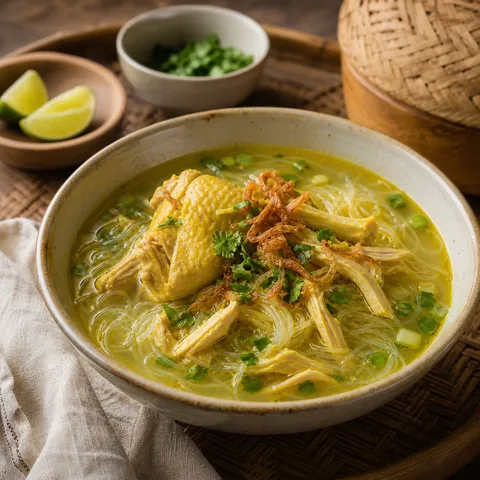
Soto Ayam
A golden, turmeric-spiced Indonesian chicken soup with glass noodles, crispy shallots, and lime — light, herbal, and deeply comforting.
 Indonesian & Malaysian Lens Verified Images are for illustrative purposes only, may be inaccurate, and do not guarantee the presence or absence of specific ingredients.
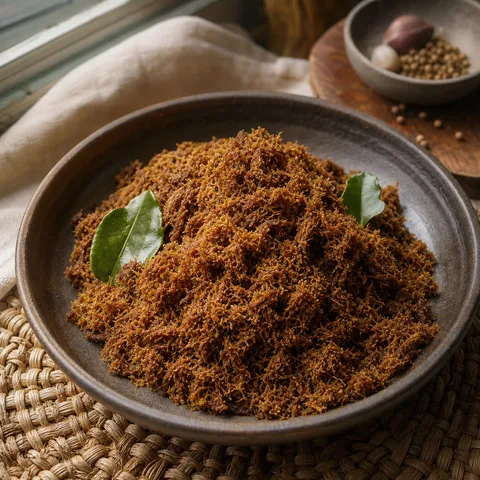
Beef Serunding
Dry-fried spiced beef floss toasted with coconut and lemongrass until golden and fragrant — a rich, crumbly condiment that transforms plain rice.
 Indonesian & Malaysian Lens Verified Images are for illustrative purposes only, may be inaccurate, and do not guarantee the presence or absence of specific ingredients.
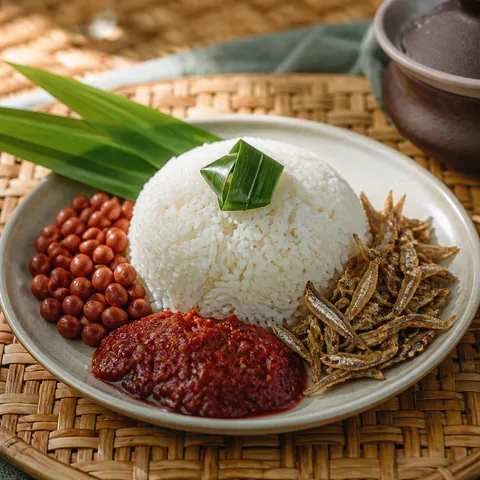
Nasi Lemak
Malaysia's national comfort dish — fragrant coconut rice paired with sambal, crispy anchovies, roasted peanuts, and a soft-boiled egg.