 Thai Images are for illustrative purposes only, may be inaccurate, and do not guarantee the presence or absence of specific ingredients.
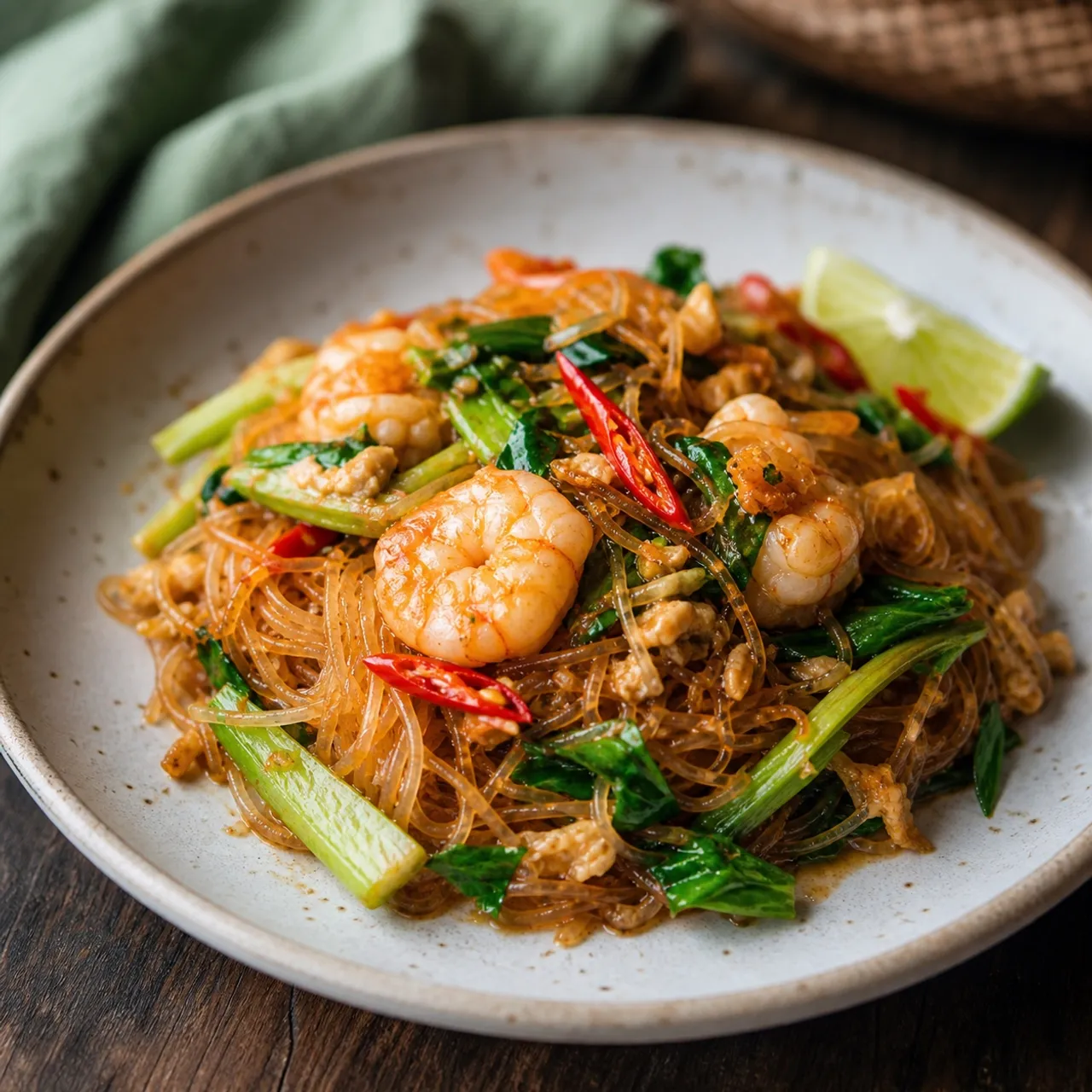
 Pad Woon Sen
A light, savory stir-fry of springy glass noodles tossed with egg, vegetables, and a garlicky soy sauce.
Contains common allergens
In the app, Listahan checks these against your household automatically.
Good to know
- Ready in under 30 minutes
Matched from this dish's own ingredients and timing. Browse more: 30-minute meals
Instructions
5 steps- 1
Soak the glass noodles in warm water for 10 minutes until soft and pliable, then drain well and set aside.
- 2
Heat the oil in a wok over high heat, add the garlic and ground pork, and stir-fry for 3-4 minutes until the pork is no longer pink and lightly browned.
- 3
Push the pork to one side, crack in the eggs, scramble them briefly, then fold everything together.
- 4
Add the drained noodles, oyster sauce, soy sauce, and sugar, tossing constantly for 2-3 minutes so the noodles absorb the sauce and turn glossy.
- 5
Stir in the napa cabbage and green onions, cook for another minute until just wilted, then serve immediately while hot.
Listahan Family Score™
64/100
Works for many families
Score reflects how well this recipe fits a typical busy household. In the app, your Family Score is personalized to your household's allergens, kids, and pantry.
Nutrition
per serving830
Calories
50 g
Protein
75 g
Carbs
36 g
Fat
Estimated per serving. Actual values depend on the brands and portions you use.
Listahan cooking guide
Chef notes & practical guide
Technique notes, ingredient swaps, serve-alongside ideas, storage guidance, and equipment for this recipe.
Cultural context
Pad woon sen is a Thai glass noodle stir-fry with strong Chinese-Thai roots, built around quick wok cooking, eggs, vegetables, and a savory sauce that clings to the noodles. Woon sen are the clear, springy bean thread noodles used in soups, salads, and everyday stir-fries across Thailand. The dish is common in home kitchens because it stretches a small amount of meat with noodles and vegetables without feeling heavy.
Listahan note
This version keeps the stir-fry compact for two servings and focuses on noodle texture: soak until pliable, drain well, then toss hard enough for the sauce to coat every strand. The pork and egg make it substantial, while the cabbage and green onions keep the finish light.
Technique cues
- Drain the soaked glass noodles thoroughly. Extra water in the wok dilutes the oyster sauce and makes the noodles steam instead of turning glossy.
- Scramble the eggs just until softly set before folding them into the pork. They will finish cooking as the noodles are tossed.
- Add the napa cabbage near the end so it wilts but still has a little bite. Fully softened cabbage can make this stir-fry taste flat.
Kitchen flow
- Parallel prep
- Soak the noodles first, then mince garlic, chop vegetables, and measure sauces while they soften.
- Make-ahead
- Cut the cabbage and green onions and mix the oyster sauce, soy sauce, and sugar in a small bowl before cooking.
- Leftover move
- Rewarm leftovers with a splash of water and tuck them into lettuce leaves with cucumber for a quick lunch.
- Cleanup rhythm
- Rinse the noodle bowl while the pork browns, then soak the wok right after serving before the sauce dries.
Ingredient brief
Role, handling, and swap guidance for each key ingredient.
Dried glass noodles (bean thread)
Noodle base
Purpose: They turn clear and springy after soaking, then absorb the savory sauce without becoming heavy.
Handling: Soak in warm water until flexible, then drain well and cut once or twice if the strands are very long.
Adaptation: Thin rice noodles cook differently and give a softer, less bouncy texture.
Ground pork
Savory protein
Purpose: It browns quickly and spreads flavor through the noodles in small, satisfying pieces.
Handling: Break it up well in the hot wok so it browns instead of clumping.
Adaptation: Ground chicken or turkey makes a lighter-tasting version and may need a little extra oil to stay juicy.
Eggs
Rich binder
Purpose: They add soft curds that catch sauce and make the stir-fry feel complete.
Handling: Push the pork aside before adding the eggs so they can set against the hot pan.
Adaptation: Skip the eggs for a cleaner noodle-and-vegetable texture, adding a little more pork or cabbage if desired.
Garlic
Aromatic base
Purpose: Minced garlic gives the oil its first layer of flavor before the pork goes in.
Handling: Keep it moving once it hits the wok because minced garlic can brown fast over high heat.
Adaptation: Sliced garlic gives a gentler flavor and is less likely to burn.
Oyster sauce and soy sauce
Savory sauce base
Purpose: Oyster sauce brings body and sweetness, while soy sauce adds salt and color.
Handling: Measure them before cooking so the noodles can be tossed quickly once they hit the wok.
Adaptation: Use mushroom stir-fry sauce in place of oyster sauce for a different savory profile.
Napa cabbage and green onions
Fresh vegetable finish
Purpose: They add crunch, sweetness, and a fresh edge against the pork and noodles.
Handling: Cut the green onions into longer pieces so they stay visible and do not disappear into the noodles.
Adaptation: Green cabbage works but needs a little more time; bok choy gives a juicier finish.
Technique notes
- Use high heat once everything is ready. Pad woon sen depends on quick tossing, not a long simmer.
- If the noodles clump, lift and separate them with tongs while tossing instead of pressing them flat against the pan.
- Taste before serving. Glass noodles can absorb sauce unevenly, so a final toss matters more than adding extra sauce too early.
Ingredient swaps
- Wheat-free direction
- Use tamari labeled gluten-free instead of soy sauce and choose an oyster sauce or mushroom stir-fry sauce with the ingredient profile you need.
- Vegetable boost
- Add thin carrot matchsticks or mushrooms with the cabbage so they cook quickly and do not water down the noodles.
- Pork swap
- Use ground chicken for a milder version, but let it brown well and add a small splash of oil if the pan looks dry.
- Noodle control
- Cut very long soaked noodles with kitchen scissors so they toss more evenly and are easier to serve.
Serve alongside
- Thai cucumber salad
- Tom yum soup
- Gai lan with garlic
- Mango slices with sticky rice
- Thai iced tea
- Lime soda water
- Cold jasmine tea
Serving suggestions only — check pairings for your household's allergens.
Storage & reheating
- Refrigerate leftovers in a sealed container for up to 3 days; the noodles will firm up as they chill.
- Reheat in a skillet or microwave with a splash of water, tossing until the noodles loosen and turn glossy again.
- Freeze only if needed; thaw overnight and reheat gently, knowing the glass noodles may soften and break more easily.
Equipment
- Wok or large skillet
- Tongs or long chopsticks
- Mixing bowl for soaking noodles
- Kitchen scissors
Make this household-aware
Listahan Pro checks this recipe against your household's allergens, finds pantry-aware swaps, builds the shopping list, and helps you plan the week around it.
Plan it in Listahan
Add Pad Woon Sen to your week, check it against your household's allergens, and build the shopping list automatically.
More Thai recipes
 Thai Lens Verified Images are for illustrative purposes only, may be inaccurate, and do not guarantee the presence or absence of specific ingredients.
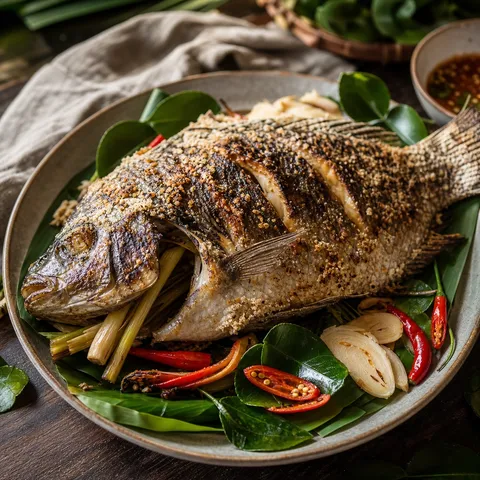
 Pla Pao
A whole salt-crusted fish stuffed with lemongrass and grilled until the skin is crackling and the flesh is silky.
 Thai Lens Verified Images are for illustrative purposes only, may be inaccurate, and do not guarantee the presence or absence of specific ingredients.
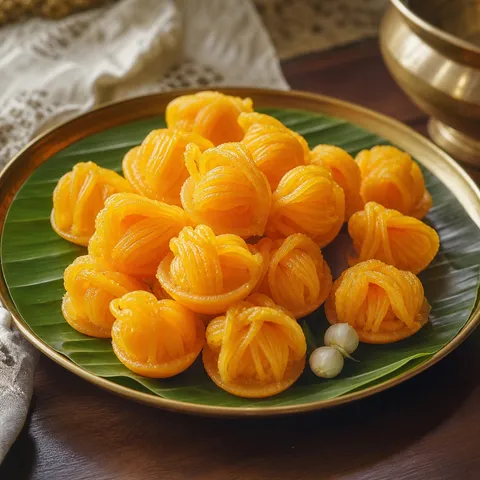
 Thong Yip
Petite golden flowers pressed from egg yolk and sugar, simmered in jasmine-scented syrup until set — a centuries-old Thai royal confection as beautiful as it is sweet.
 Thai Lens Verified Images are for illustrative purposes only, may be inaccurate, and do not guarantee the presence or absence of specific ingredients.
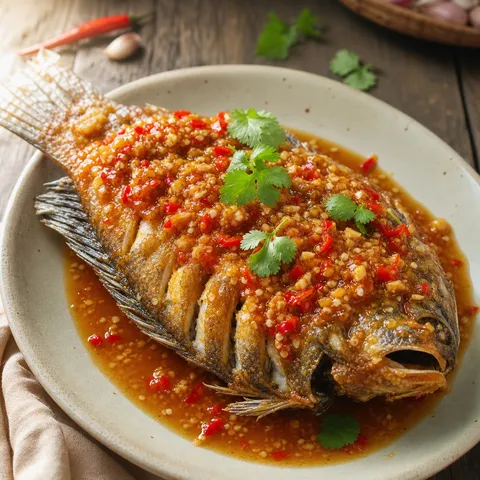
 Pla Rad Prik
Whole fish fried to a shatteringly crisp shell, then blanketed in a sticky, sweet-hot chili-tamarind sauce with garlic and basil — dramatic, punchy, and made for sharing.