 Food Lens Images are for illustrative purposes only, may be inaccurate, and do not guarantee the presence or absence of specific ingredients.
 Food Lens · Recipe ingredients
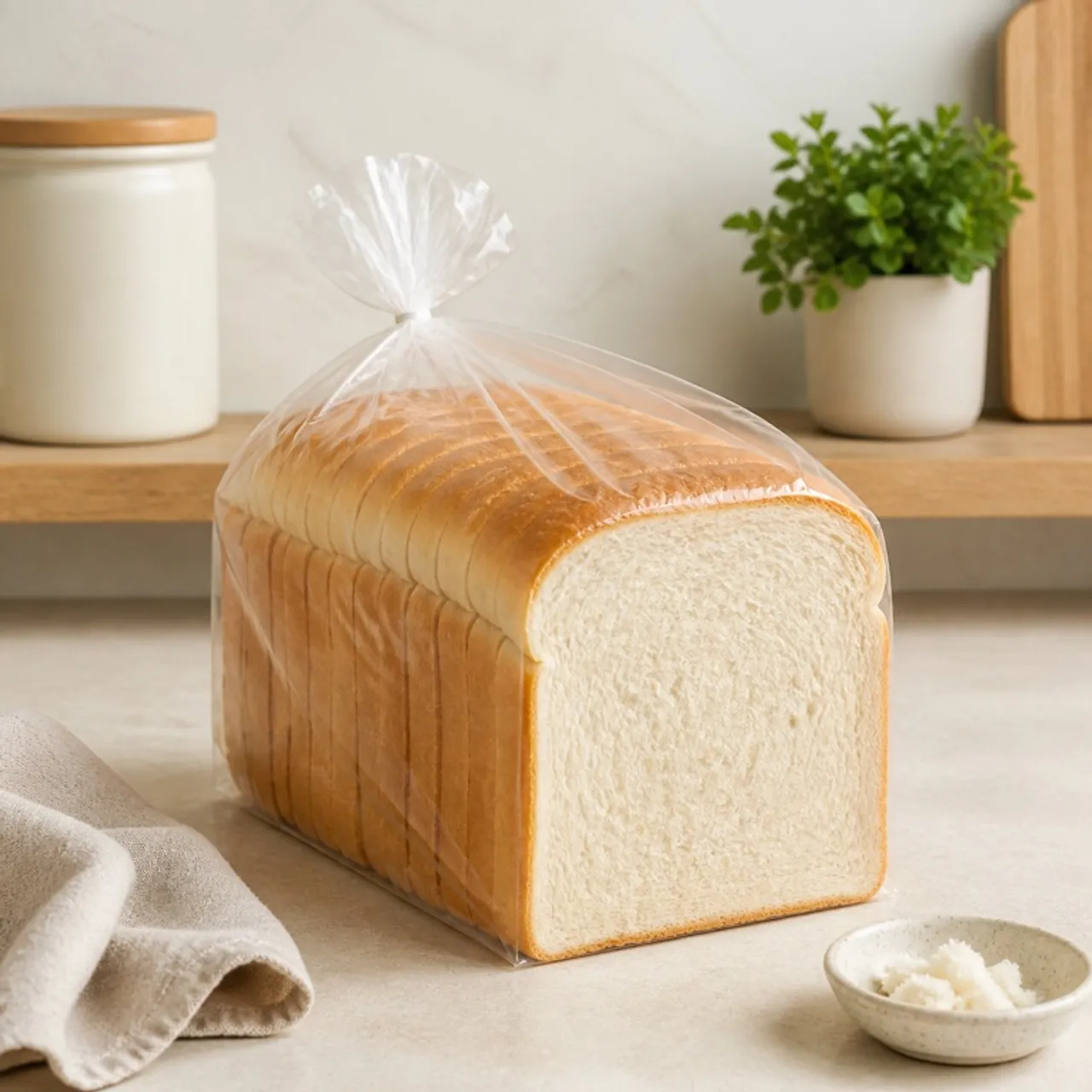
Sandwich Bread
Mild, slightly sweet, and neutral with a pillowy, even crumb and thin soft crust; whole wheat varieties add a nuttier, more complex flavor.
Lens VerifiedSandwich bread is soft, pre-sliced bread sold in loaf format, designed for everyday sandwiches and toast. It has a tender, even crumb, a thin crust, and a neutral flavor that makes it a versatile carrier for savory and sweet fillings alike. White sandwich bread and whole wheat are the two most common varieties found in virtually every grocery store worldwide.
Where it comes from
The humble sliced loaf that gave birth to a phrase — sandwich bread arrived in 1928 as a modern convenience and never left, becoming the quiet backbone of a billion school lunches.
Varieties — White sandwich bread (enriched, soft, mild), whole wheat (denser, nuttier, more fiber), multigrain, sourdough sandwich loaves, brioche-style (richer, slightly sweet), and potato bread (very soft, slightly sweet) are all common loaf formats.
The packaged sliced sandwich loaf is one of the most universal grocery items in the world — found from American supermarkets to Japanese convenience stores (shokupan) to British corner shops.
In a modern kitchen — Day-old sandwich bread is ideal for French toast and bread pudding, and stale slices make the best breadcrumbs — toast them first, then pulse in a food processor.
Buying it
Look for loaves with a fresh, yeasty smell and soft feel through the packaging. Check the 'best by' date and choose the freshest available. Store sealed at room temperature for up to a week, or freeze for up to 3 months.
Storing it
Keep sandwich bread in its original bag or a bread box at room temperature, sealed to keep it from drying out. Watch for mould spots, especially in warm or humid kitchens, and freeze extra slices if you won't finish the loaf within about a week.
Keeps about 1 year in the pantry.
Out of sandwich bread? Good swaps
- sourdough (sliced) — Tangier and denser; adds character to sandwiches but changes the flavor profile
- ciabatta or focaccia — Heartier texture; better for pressed or toasted sandwiches than soft ones
General cooking guidance — always check the labels on the products you use. Listahan’s allergen checks run automatically when you plan a recipe in the app. Not medical advice.
Recipes that use sandwich bread
Common questions about sandwich bread
What can I use instead of sandwich bread?
Good swaps include sourdough (sliced), ciabatta or focaccia. Each behaves a little differently — see the swaps above for notes, and always check labels for allergens.
How do I store sandwich bread?
Keep sandwich bread in its original bag or a bread box at room temperature, sealed to keep it from drying out. Watch for mould spots, especially in warm or humid kitchens, and freeze extra slices if you won't finish the loaf within about a week. It keeps about 1 year in the pantry.
More recipe ingredients
See all


Make sandwich bread about your kitchen — with Listahan Pro
Everything above is free, forever. Pro adds the Household Lens — the same food, seen for your family:
-
Checked for each member
Flags sandwich bread per person against your household's allergies and school rules — not just a generic "contains" tag.
-
Pantry-aware
Knows whether you already have it, what is running low, and the best swap from what is in your kitchen tonight.
-
What it costs near you
A real price from the Presyo community index, so you can plan the budget — not guess.
-
Your household memory
Who likes it, plus your own private notes — brand, where you keep it, who skips it.
Allergen safety is always free — Pro adds the automation, never the safety.
Cook with sandwich bread — safely
Plan a recipe in Listahan and the household allergen check runs automatically — every plan, every swap, every lunchbox. Safety is never paywalled.