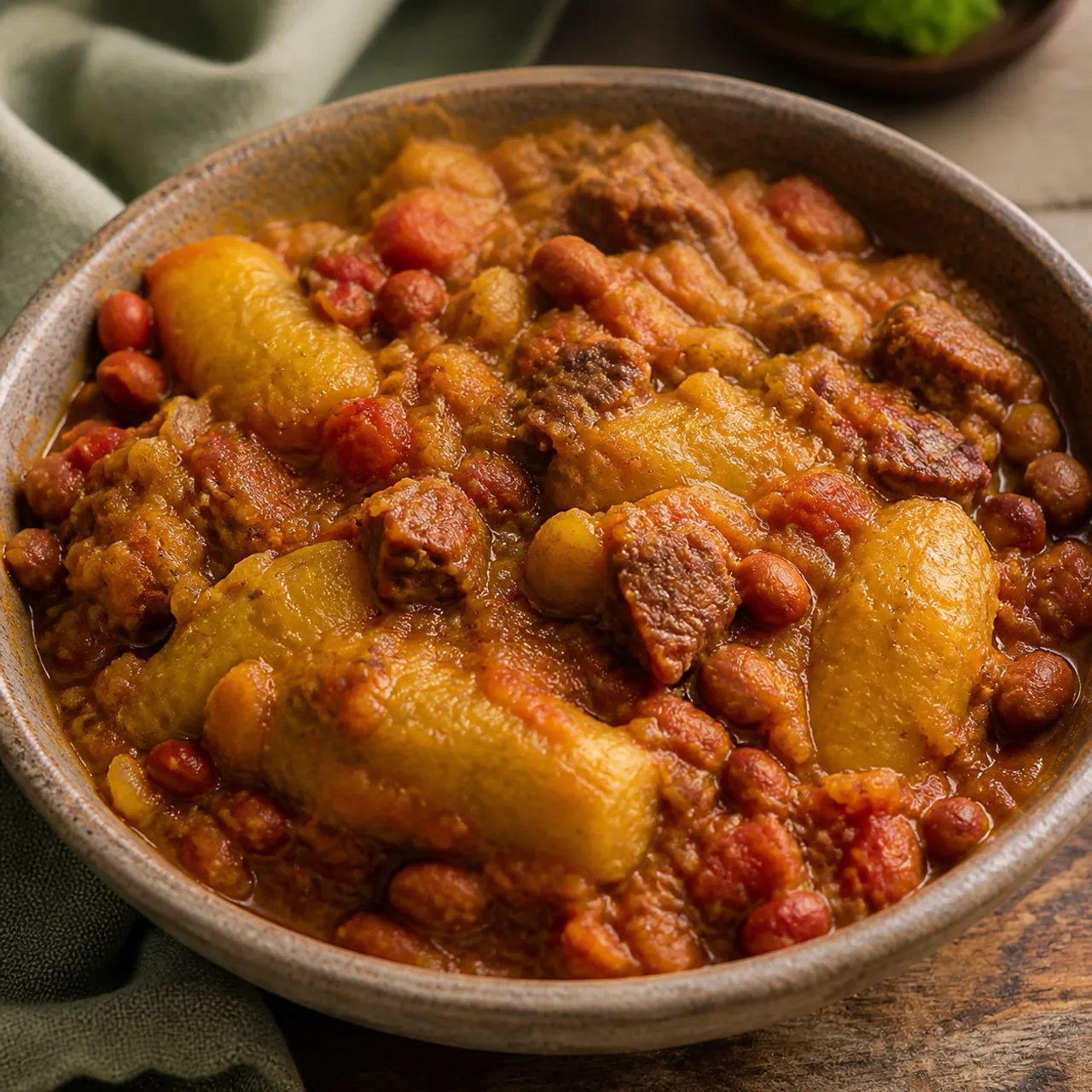
 East African Images are for illustrative purposes only, may be inaccurate, and do not guarantee the presence or absence of specific ingredients.
 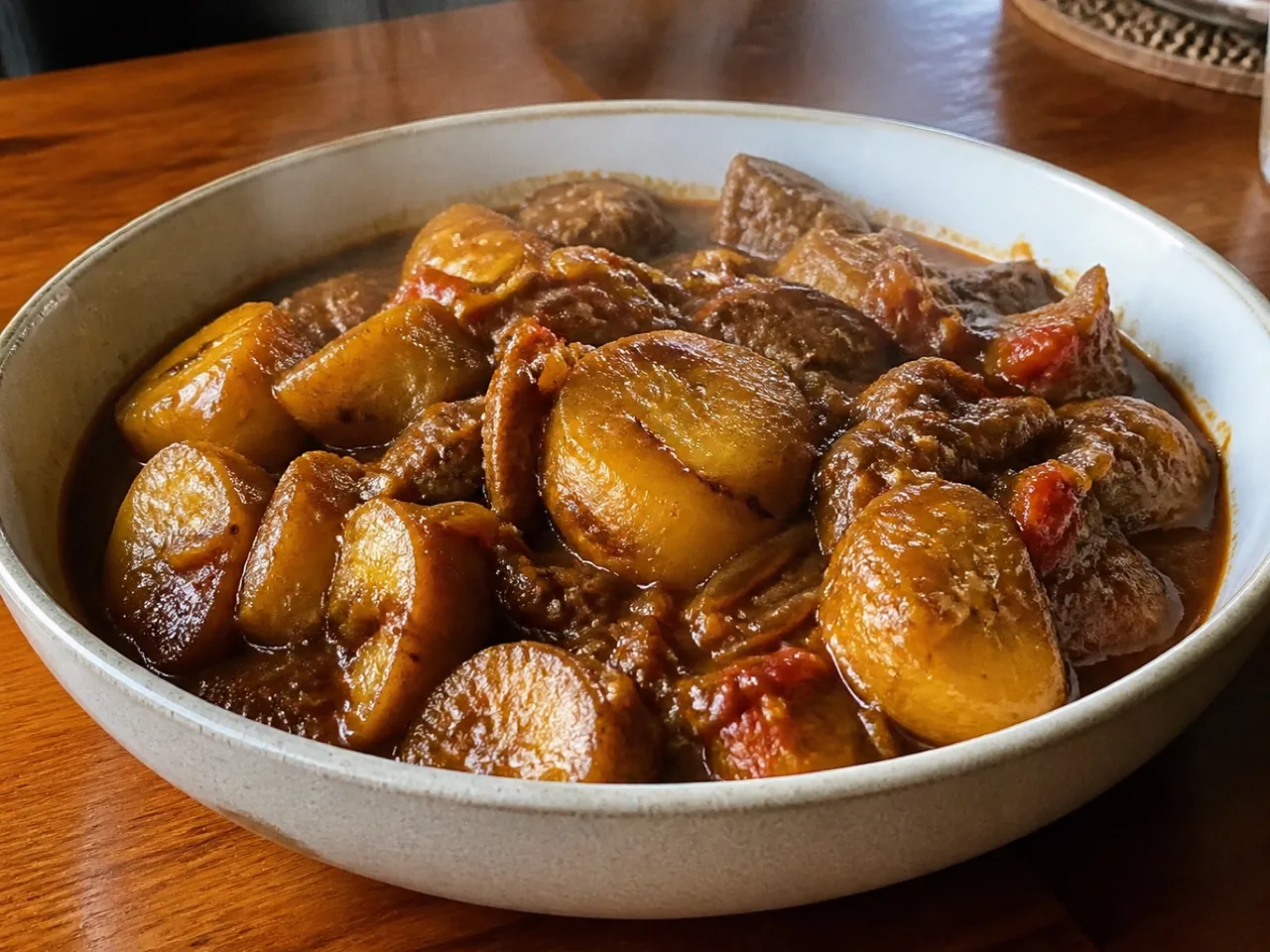 Serving Images are for illustrative purposes only, may be inaccurate, and do not guarantee the presence or absence of specific ingredients.
 Katogo
Ugandan banana and offal one-pot — chunks of matoke simmered with tripe or beef in a savory tomato broth until everything is tender and deeply flavored.
No common allergens detected
Based on this recipe's ingredient list. Always verify with your own brands and labels.
Good to know
- One-pot
Matched from this dish's own ingredients and timing. Browse more: one-pot dinners
Instructions
7 steps- 1
If using tripe, rinse well and simmer in a pot of water for 45 minutes to 1 hour until tender, then drain and cut into bite-sized pieces; if using beef, this step is not needed.
- 2
Heat the oil in a large pot over medium heat and saute the onion for 5 to 7 minutes until softened and golden.
- 3
Add the garlic and ginger and cook for 1 minute, then stir in the curry powder and cook for 30 seconds until fragrant.
- 4
Add the tomatoes and cook, mashing them down, for 5 minutes until they break into a thick sauce.
- 5
Add the tripe or beef and stir to coat in the sauce, then pour in the stock or water and bring to a simmer.
- 6
Add the matoke chunks, cover, and simmer over low heat for 30 to 40 minutes, stirring occasionally, until the bananas are tender and starting to break down and thicken the broth.
- 7
Season with salt to taste, mashing some of the matoke against the pot to thicken further, and serve hot as a hearty one-pot meal.
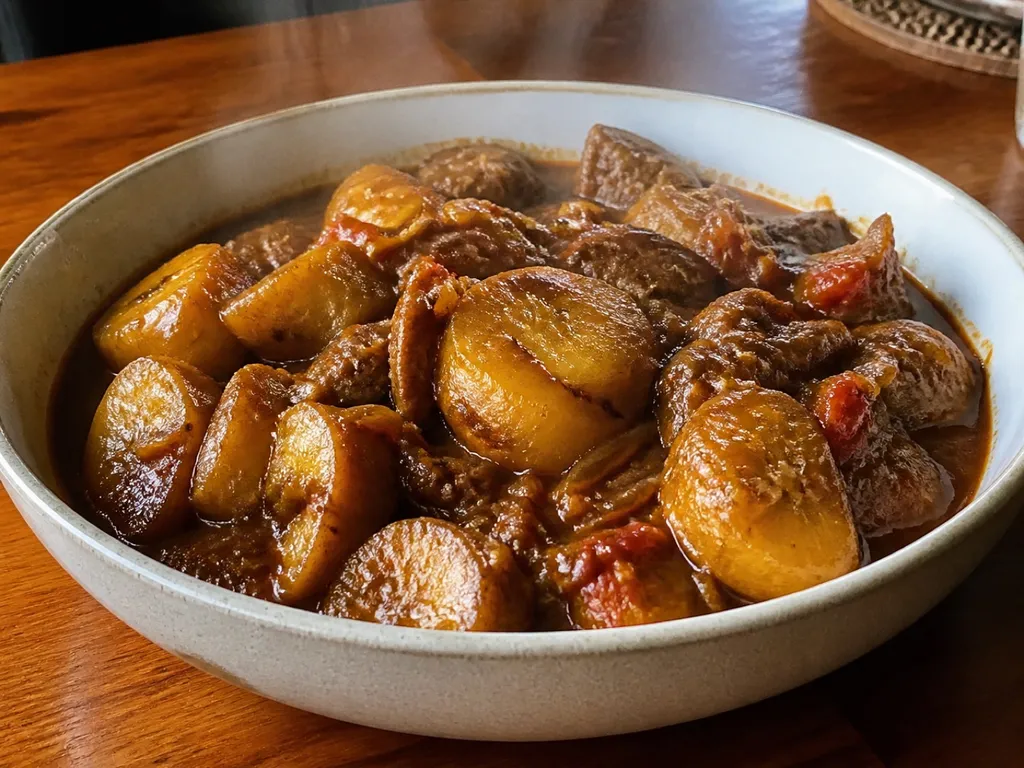 Images are for illustrative purposes only, may be inaccurate, and do not guarantee the presence or absence of specific ingredients.
 Listahan Family Score™
71/100
Good fit for most families
Score reflects how well this recipe fits a typical busy household. In the app, your Family Score is personalized to your household's allergens, kids, and pantry.
Nutrition
per serving325
Calories
33 g
Protein
2 g
Carbs
19 g
Fat
Estimated per serving. Actual values depend on the brands and portions you use.
Listahan cooking guide
Chef notes & practical guide
Technique notes, ingredient swaps, serve-alongside ideas, storage guidance, and equipment for this recipe.
Cultural context
Katogo is a Ugandan breakfast or brunch dish that combines matoke (green cooking bananas) with a protein — beef, offal, or beans — stewed together until the banana absorbs the cooking juices. The name simply means 'mixture' in Luganda, reflecting its flexible, resourceful character. In central Uganda it is the morning meal of choice, sold at roadside eateries before 9 a.m. and considered more sustaining than porridge for a full day of work.
Listahan note
This version focuses on the beef-and-tomato combination that is most accessible to North American cooks, building the sauce around the matoke so the bananas cook in the meat juices rather than separately.
Technique cues
- Matoke must be kept covered with water or the cooking lid until just before serving, as the flesh oxidizes quickly to a gray color once exposed to air; this is purely cosmetic but worth managing.
- Brown the beef in batches in a dry or lightly oiled pot before adding tomatoes; the fond that builds from searing contributes the deep savory base that the matoke will absorb as it steams.
- Matoke is done when a fork slides in without resistance but the pieces hold their shape; it should be tender like a cooked potato, not falling apart or mushy.
Kitchen flow
- Parallel prep
- Peel and chunk the matoke and keep it in cold water while the beef browns; have diced onion and tomato ready before starting the pot.
- Make-ahead
- The beef and tomato base can be cooked a day ahead and refrigerated; add the matoke and finish cooking when reheating, as pre-cooked matoke becomes starchy and dense.
- Leftover move
- Mash leftover katogo roughly with a fork and fry in a lightly oiled pan to make crispy patties for a next-morning breakfast.
- Cleanup rhythm
- One heavy pot handles everything; deglaze with a little water right after serving while still warm to loosen any stuck bits.
Ingredient brief
Role, handling, and swap guidance for each key ingredient.
Matoke
starchy base
Purpose: Green cooking bananas have a starchy, potato-like texture that soaks up the beef and tomato braising liquid as they cook, creating a single cohesive dish.
Handling: Peel under cold running water or wearing gloves, as the sap from green bananas stains skin; cut into chunks and keep submerged in water until ready to use.
Adaptation: Green plantains are the closest substitute and cook the same way; green unripe regular bananas will work but are smaller and less starchy.
beef
protein and flavor builder
Purpose: Beef provides both the protein and the braising liquid that the matoke absorbs; cheaper cuts with some connective tissue work better here than lean cuts.
Handling: Cut into 1.5-inch cubes and pat dry before browning to develop a proper sear.
Adaptation: Bone-in goat pieces or lamb shoulder work well with the same technique and are closer to the traditional Ugandan version.
tomatoes
sauce base and acid
Purpose: Tomatoes provide the liquid and acidity that tenderizes the beef and keeps the sauce from being too heavy.
Handling: Dice ripe tomatoes or use a 14-ounce can of crushed tomatoes; add after browning the beef and onion so they can break down into the sauce.
Adaptation: Canned whole peeled tomatoes crushed by hand work equally well and are more consistent year-round than fresh.
Technique notes
- Once the matoke goes into the pot, reduce heat to low and cook covered; the steam inside the pot finishes the bananas more gently than boiling in liquid, keeping them intact.
- Season in layers: salt the beef before browning, adjust again when the tomatoes go in, and taste a final time just before serving once the matoke has absorbed the juices.
- A few drops of groundnut oil stirred in at the very end adds a nutty finish that is common in Ugandan home cooking and rounds out the acidity of the tomatoes.
Ingredient swaps
- Bean version
- Replace beef with two cans of kidney beans added with the tomatoes for a vegan katogo that is equally filling.
- Offal-free option
- Use boneless beef chuck rather than organ meat if the traditional tripe or heart version is not to your taste.
Serve alongside
- avocado slices with a squeeze of lemon
- plain steamed rice for soaking up extra sauce
- sliced raw onion and fresh tomato salad with vinegar
- black tea with milk and sugar in the East African style
- fresh-pressed passion fruit juice
Serving suggestions only — check pairings for your household's allergens.
Storage & reheating
- Refrigerate leftovers in an airtight container for up to 3 days; the flavors deepen overnight.
- Reheat gently on the stovetop over low heat with a splash of water to prevent the matoke from drying out.
- Not ideal for freezing, as the matoke texture becomes grainy after thawing.
Equipment
- large heavy-bottomed pot or Dutch oven with a tight-fitting lid
- wooden spoon
- sharp knife and cutting board
Make this household-aware
Listahan Pro checks this recipe against your household's allergens, finds pantry-aware swaps, builds the shopping list, and helps you plan the week around it.
Plan it in Listahan
Add Katogo to your week, check it against your household's allergens, and build the shopping list automatically.
More East African recipes
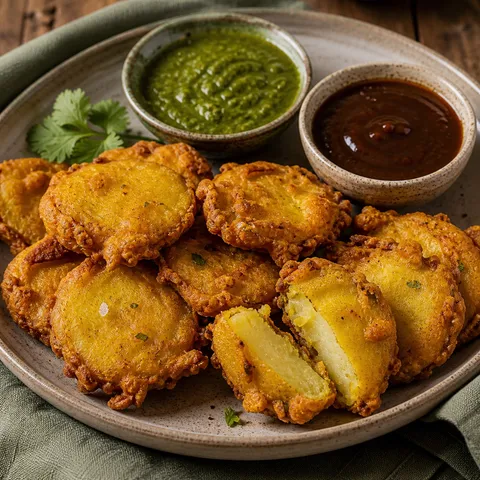 East African Lens Verified Images are for illustrative purposes only, may be inaccurate, and do not guarantee the presence or absence of specific ingredients.
 Viazi Karai
A Zanzibari street favorite of soft boiled potatoes coated in a turmeric-yellow batter and deep-fried until crackling, served with fiery tamarind sauce.
 East African Lens Verified Images are for illustrative purposes only, may be inaccurate, and do not guarantee the presence or absence of specific ingredients.
 Mutura
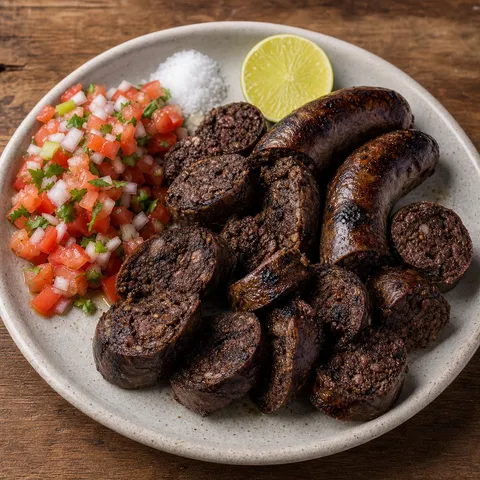
Kenyan spiced blood sausage stuffed with meat, onion, and herbs, then grilled until the casing crisps and snaps — a bold, smoky roadside delicacy.
 East African Lens Verified Images are for illustrative purposes only, may be inaccurate, and do not guarantee the presence or absence of specific ingredients.
 Kachumbari
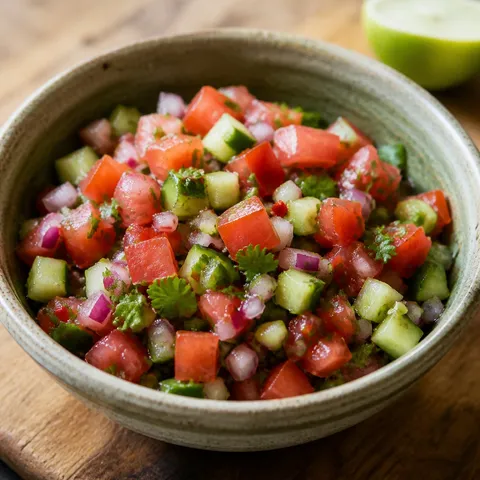
Bright, refreshing salad of ripe tomatoes and sharp raw onion, spiked with chili and lime — the cool, crisp counterpoint to rich East African grills.