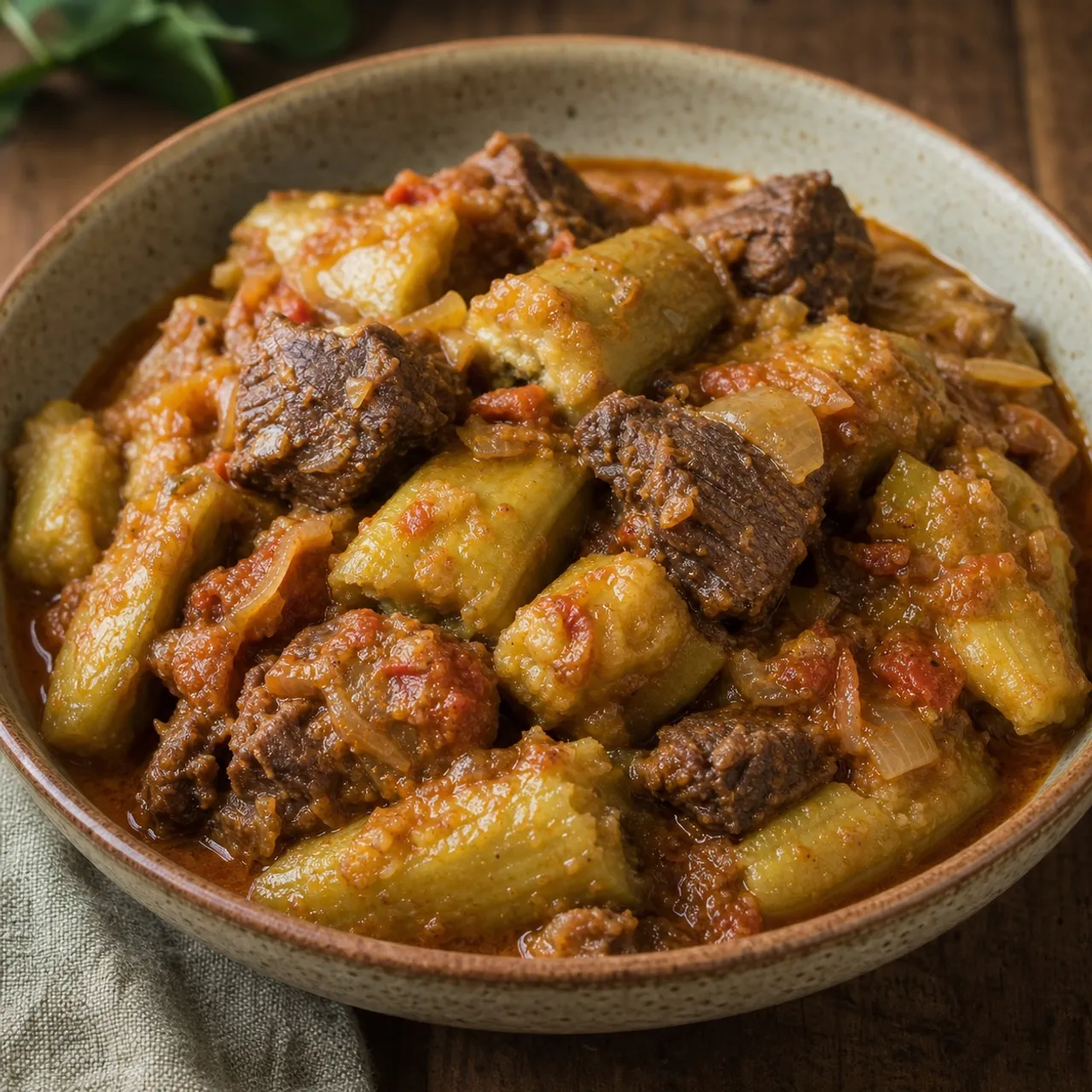
 East African Images are for illustrative purposes only, may be inaccurate, and do not guarantee the presence or absence of specific ingredients.
 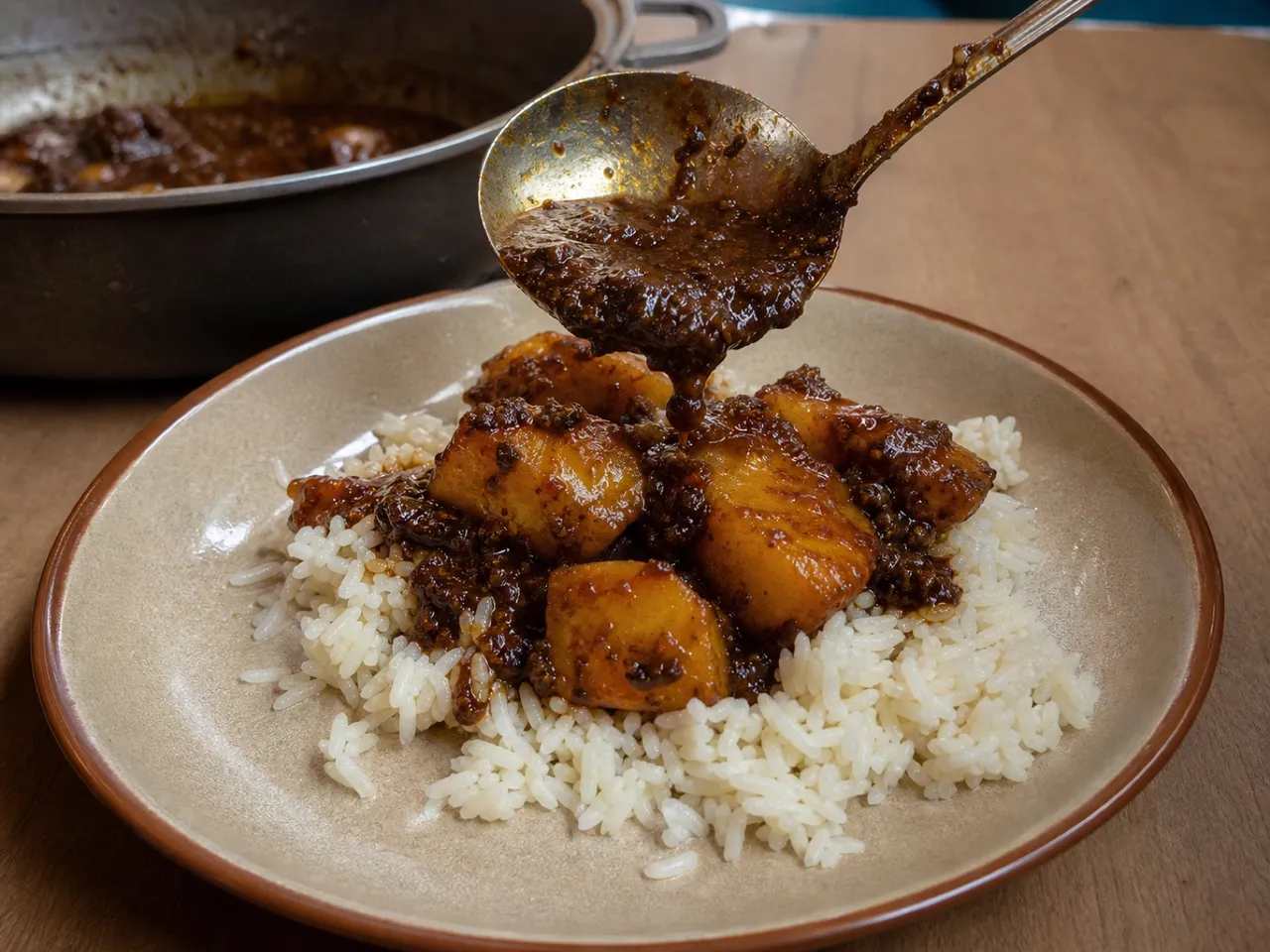 Serving Images are for illustrative purposes only, may be inaccurate, and do not guarantee the presence or absence of specific ingredients.
 Ndizi Nyama
Rich East African stew of sweet plantains and braised beef or goat, cooked down with tomatoes and spices until the banana melts into a silky, savory sauce.
No common allergens detected
Based on this recipe's ingredient list. Always verify with your own brands and labels.
Good to know
- One-pot
Matched from this dish's own ingredients and timing. Browse more: one-pot dinners
Instructions
8 steps- 1
Heat the oil in a large pot over medium heat and brown the beef or goat pieces in batches, about 5 minutes per batch, then set aside.
- 2
In the same pot, saute the onion for 5 to 7 minutes until golden, then add the garlic and ginger and cook for 1 minute.
- 3
Stir in the curry powder and cook for 30 seconds, then add the tomatoes and cook for 5 minutes, mashing them down into a thick base.
- 4
Return the meat to the pot, pour in the stock, and bring to a simmer.
- 5
Cover and cook over low heat for 30 to 35 minutes until the meat is nearly tender.
- 6
Add the sliced plantains, nestling them into the sauce, and continue simmering uncovered for 15 to 20 minutes until the plantains are soft and beginning to melt into the sauce, thickening it.
- 7
Season with salt to taste, gently stirring so the plantains break down slightly without turning to mush.
- 8
Serve hot, the sauce silky and lightly sweet from the plantain.
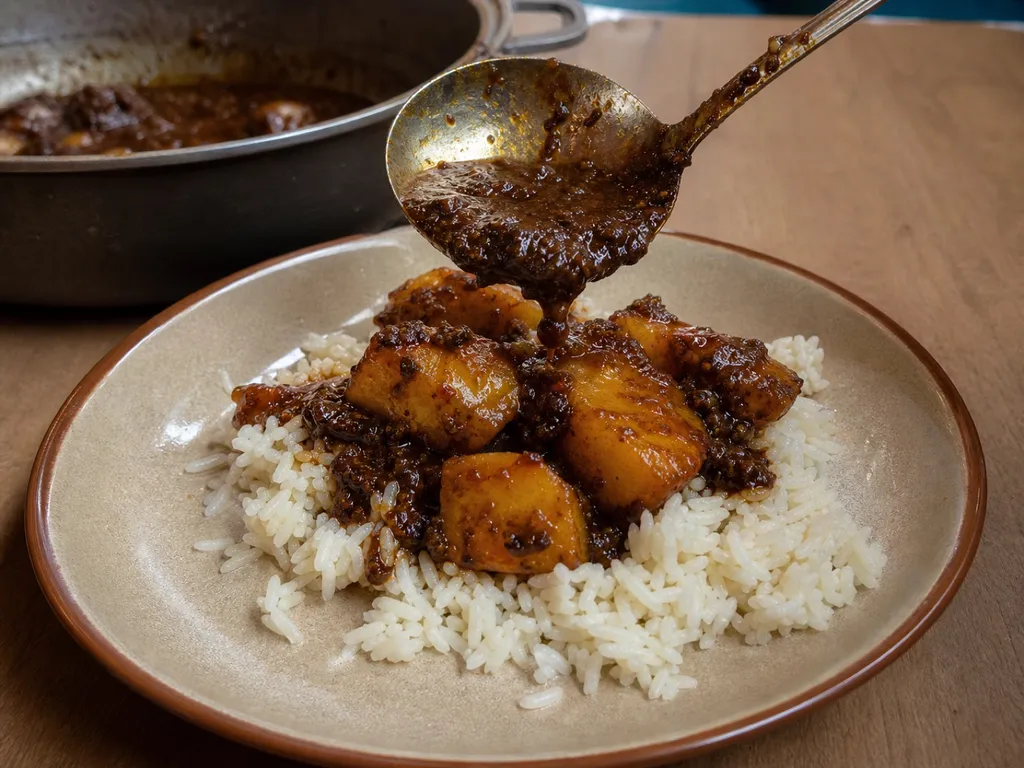 Images are for illustrative purposes only, may be inaccurate, and do not guarantee the presence or absence of specific ingredients.
 Listahan Family Score™
71/100
Good fit for most families
Score reflects how well this recipe fits a typical busy household. In the app, your Family Score is personalized to your household's allergens, kids, and pantry.
Nutrition
per serving515
Calories
32 g
Protein
60 g
Carbs
18 g
Fat
Estimated per serving. Actual values depend on the brands and portions you use.
Listahan cooking guide
Chef notes & practical guide
Technique notes, ingredient swaps, serve-alongside ideas, storage guidance, and equipment for this recipe.
Cultural context
Ndizi Nyama translates directly from Swahili as 'plantains and meat' and is a signature stew of Tanzania's coastal and interior cooking traditions. The pairing of semi-ripe plantains with beef reflects the agricultural reality of Tanzania's fertile regions where plantains are a primary carbohydrate crop, sometimes replacing rice or ugali entirely. The dish appears throughout the East African Swahili belt from Tanzania to Mozambique, with regional variations in spice intensity and the ripeness of the plantains used.
Listahan note
This version uses semi-ripe (yellow with some black spots) plantains, which hold their shape during braising while absorbing the savory broth rather than dissolving into it the way fully ripe plantains would.
Technique cues
- Brown the beef in batches rather than all at once; crowding the pan drops the temperature and causes the meat to steam rather than sear, which prevents the deep brown fond from forming on the pan bottom that gives the stew its richness.
- Add the plantains only in the last 20 to 25 minutes of simmering; they cook much faster than beef and will dissolve completely if added at the start, turning the stew into a thick paste rather than a braise with distinct chunks.
- The stew is done when the sauce has reduced enough to lightly coat a spoon and the plantain chunks have a tender, creamy interior while still holding their shape; this balance is the textural signature of the dish.
Kitchen flow
- Parallel prep
- Brown the beef in the pot first, then dice the onions, tomatoes, and garlic while the fond develops; everything is ready to build the sauce immediately after the beef is seared.
- Make-ahead
- Braise the beef through the sauce-building stage up to a day ahead and refrigerate; add the plantains and finish the last 25 minutes when ready to serve.
- Leftover move
- Mash leftover plantain chunks into the sauce and serve over rice for a thicker, porridge-like stew the next day.
- Cleanup rhythm
- One Dutch oven or heavy pot handles searing, braising, and finishing; deglaze promptly while still hot to make washing easier.
Ingredient brief
Role, handling, and swap guidance for each key ingredient.
1 lb beef stew meat (cubed)
primary protein and richness
Purpose: Braised beef provides collagen-rich cooking liquid that becomes the sauce's body and a savory counterpoint to the sweet, starchy plantain.
Handling: Pat dry before browning; moisture on the surface prevents searing and reduces the fond that builds the sauce's depth.
Adaptation: Bone-in goat meat is the traditional alternative and produces a deeper, more complex sauce; add 30 minutes of extra braising time.
4 semi-ripe plantains (peeled and cut into 2-inch chunks)
starchy body and sweetness
Purpose: Semi-ripe plantains have just enough sugar to caramelize slightly in the braising liquid while retaining their structure through the cooking time.
Handling: Choose plantains that are yellow with some black spots; all-yellow plantains are still too starchy and all-black are too soft.
Adaptation: Unripe (green) bananas are the most traditional substitute and produce a firmer, less sweet result; peel under cold running water since the sap stains.
3 ripe tomatoes (chopped)
acidity and sauce base
Purpose: Ripe tomatoes break down into the braising liquid, providing the acidity that balances the sweetness of the plantains and the richness of the beef.
Handling: Chop roughly; they will dissolve completely during the braising time and do not need to be seeded or peeled.
Adaptation: One 14-ounce can of whole peeled tomatoes (crushed by hand) works identically and is more reliable when fresh tomatoes are out of season.
1 tsp ground coriander
warm aromatic depth
Purpose: Coriander provides a citrusy, slightly floral warmth that is characteristic of Swahili coastal spice profiles and bridges the sweetness of the plantain with the savory beef.
Handling: Add to the oil with the onions at the start of cooking so it blooms in the fat and distributes through the sauce evenly.
Adaptation: A pinch of curry powder (1/4 teaspoon) is a common household substitute that adds more complexity but shifts the flavor profile toward South Asian-influenced Swahili cooking.
2 cups beef broth
braising liquid
Purpose: Broth provides the liquid medium for braising the beef to tenderness and forms the base of the finished sauce.
Handling: Use low-sodium broth so you can control the final salt level once the liquid reduces.
Adaptation: Water with a beef bouillon cube dissolved in it is a standard substitute across East African home cooking.
Technique notes
- Deglaze the pot with a splash of broth immediately after searing the beef to lift the fond before the onions go in; that browned layer is where most of the dish's deep flavor lives.
- Taste the sauce before adding the plantains and adjust seasoning at that point; once the plantains are in, the starch they release will mellow the salt, so seasoning slightly aggressively before is intentional.
- If the sauce reduces too quickly before the beef is tender, add broth in quarter-cup increments rather than water to maintain flavor concentration.
Ingredient swaps
- Gluten-free direction
- All ingredients are naturally gluten-free; verify the broth brand for hidden gluten if cross-contamination is a concern.
- Vegan direction
- Replace beef with large chunks of firm eggplant or jackfruit and use vegetable broth; brown the jackfruit or eggplant in the oil before building the sauce.
- Lower-cost option
- Bone-in chicken thighs can substitute for beef stew meat and cook fully tender in about 35 minutes instead of 90, making this a much faster weeknight version.
Serve alongside
- steamed basmati rice to soak up the sauce
- simple kachumbari (tomato, onion, and lime salad)
- chapati flatbread for scooping
- ugali (firm maize porridge) as a traditional starch
- cold passion fruit juice
- warm spiced chai tea
Serving suggestions only — check pairings for your household's allergens.
Storage & reheating
- Refrigerate in an airtight container for up to 3 days; the plantains will soften further and partially dissolve into the sauce, which thickens it pleasantly.
- Reheat over low heat in a covered saucepan, adding a splash of broth or water if the sauce has thickened too much.
- Freeze the beef and sauce portion without the plantains for up to 2 months; add fresh plantains when reheating for the best texture.
Equipment
- Dutch oven or heavy-bottomed pot (4-quart or larger)
- wooden spoon for deglazing
- cutting board and chef's knife
- ladle for serving
Make this household-aware
Listahan Pro checks this recipe against your household's allergens, finds pantry-aware swaps, builds the shopping list, and helps you plan the week around it.
Plan it in Listahan
Add Ndizi Nyama to your week, check it against your household's allergens, and build the shopping list automatically.
More East African recipes
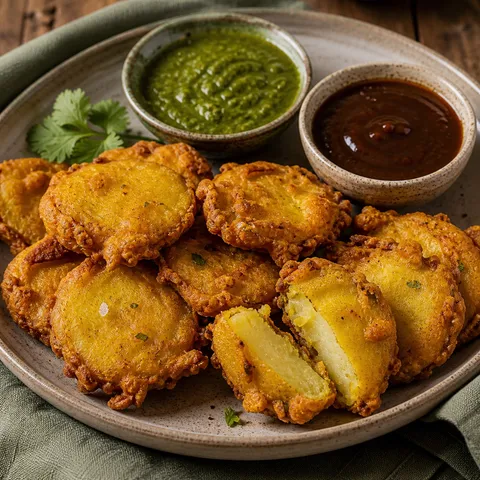 East African Lens Verified Images are for illustrative purposes only, may be inaccurate, and do not guarantee the presence or absence of specific ingredients.
 Viazi Karai
A Zanzibari street favorite of soft boiled potatoes coated in a turmeric-yellow batter and deep-fried until crackling, served with fiery tamarind sauce.
 East African Lens Verified Images are for illustrative purposes only, may be inaccurate, and do not guarantee the presence or absence of specific ingredients.
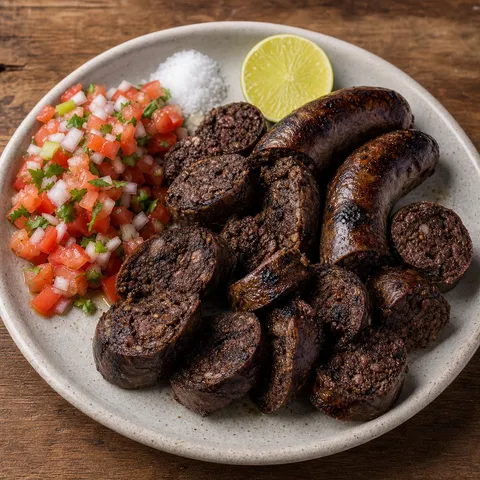
 Mutura
Kenyan spiced blood sausage stuffed with meat, onion, and herbs, then grilled until the casing crisps and snaps — a bold, smoky roadside delicacy.
 East African Lens Verified Images are for illustrative purposes only, may be inaccurate, and do not guarantee the presence or absence of specific ingredients.
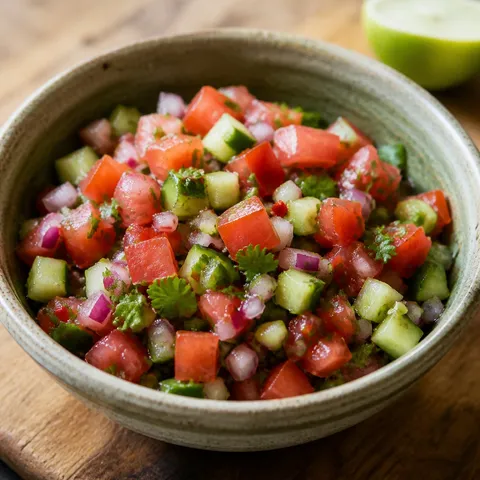
 Kachumbari
Bright, refreshing salad of ripe tomatoes and sharp raw onion, spiked with chili and lime — the cool, crisp counterpoint to rich East African grills.