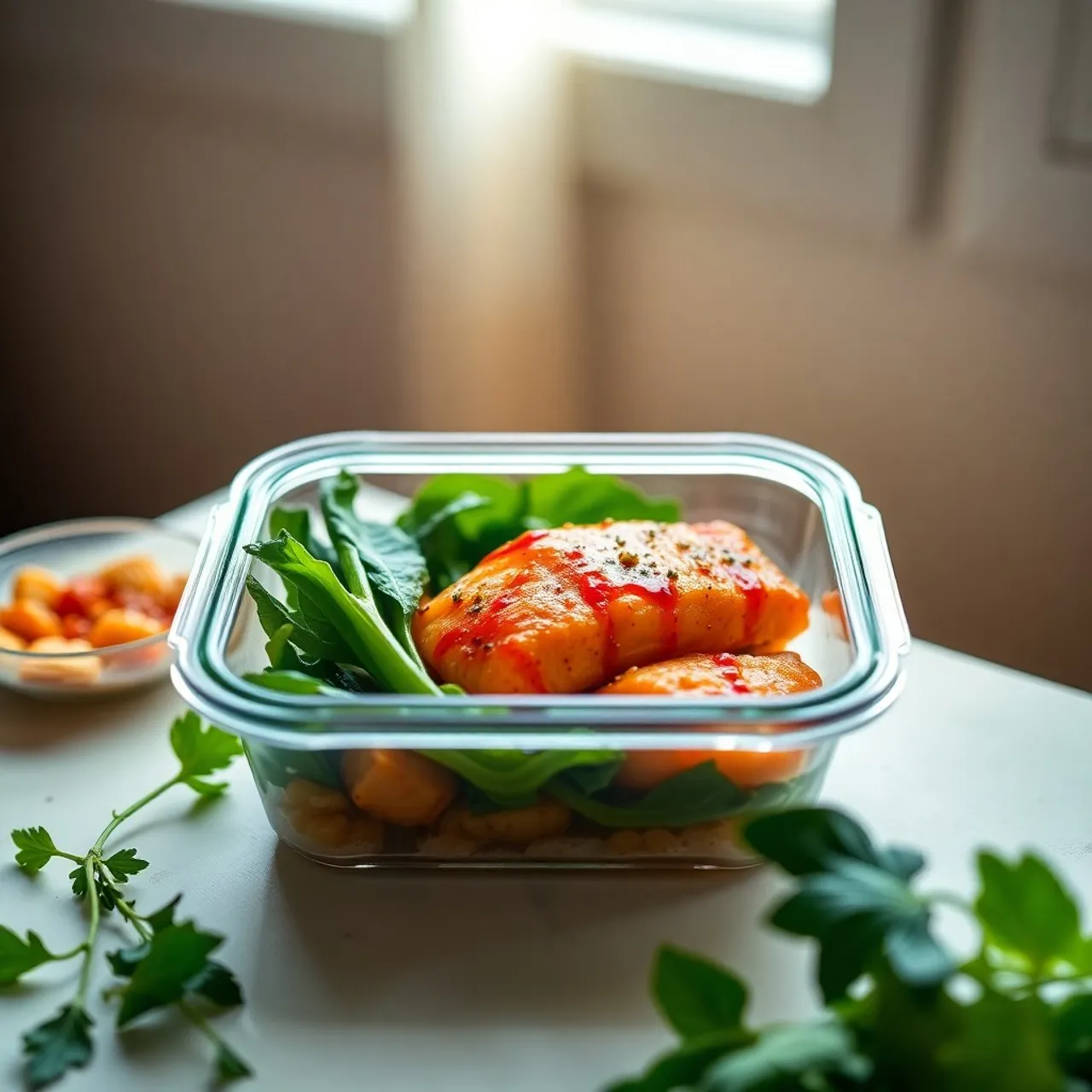
 Meal Prep Images are for illustrative purposes only, may be inaccurate, and do not guarantee the presence or absence of specific ingredients.
 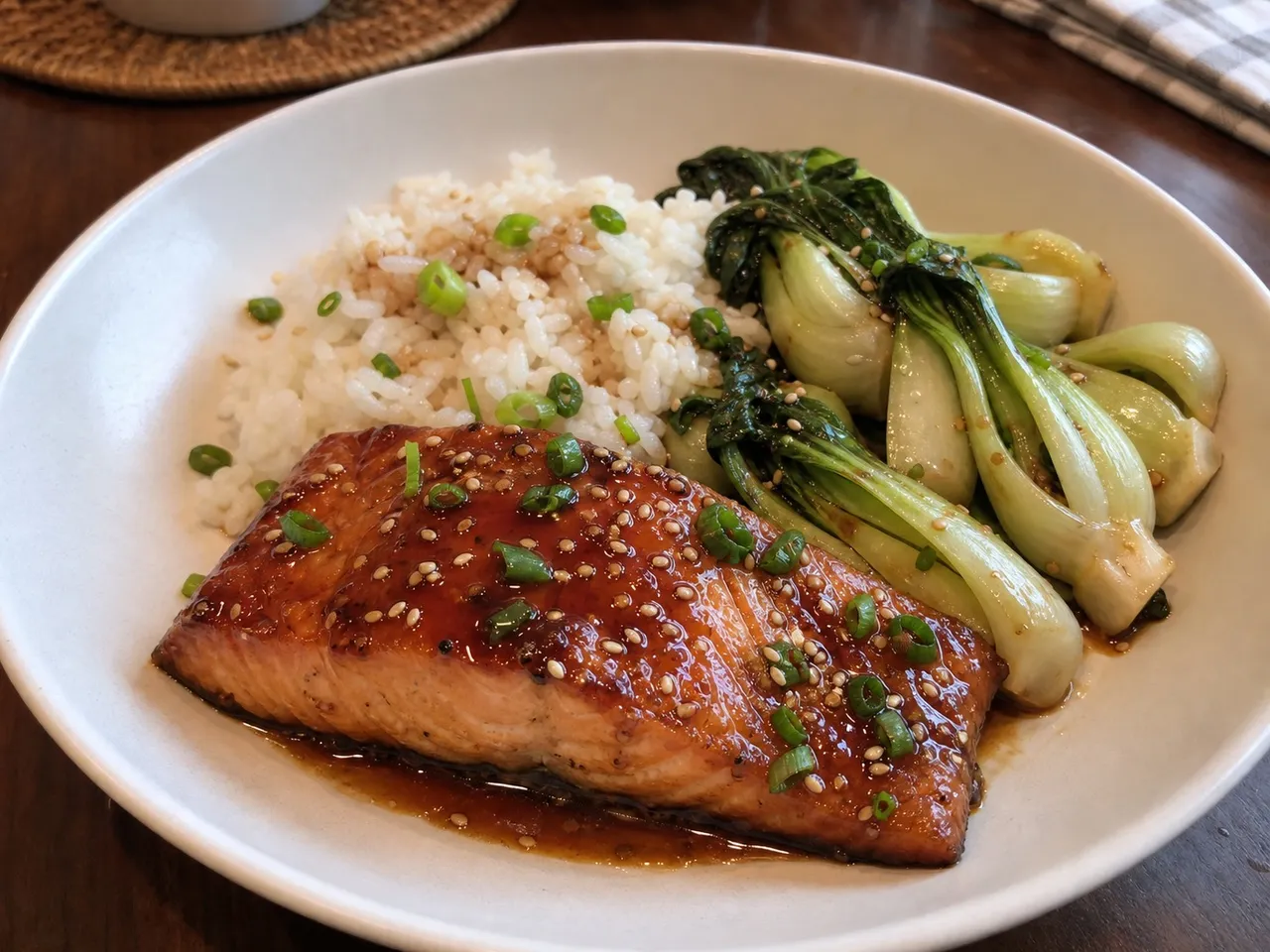 Serving Images are for illustrative purposes only, may be inaccurate, and do not guarantee the presence or absence of specific ingredients.
 Soy-Ginger Glazed Salmon with Baby Bok Choy
A delicate and flavorful pescatarian meal featuring a sweet and savory glaze over flaky salmon.
Contains common allergens
In the app, Listahan checks these against your household automatically.
Good to know
- Ready in under 30 minutes
Matched from this dish's own ingredients and timing. Browse more: 30-minute meals
Instructions
6 steps- 1
In a small bowl, whisk together the soy sauce, maple syrup, rice vinegar, and grated ginger to create the glaze.
- 2
Place the salmon fillets in a shallow dish and pour half of the glaze over them. Marinate at room temperature for 10 minutes.
- 3
Preheat the oven to 400°F (200°C) and line a baking sheet with foil. Place the salmon fillets skin-side down on the foil.
- 4
Bake the salmon for 10-12 minutes. In the last 3 minutes of cooking, brush the remaining glaze over the top of the fillets.
- 5
While the salmon bakes, place the halved baby bok choy in a steamer basket over boiling water. Steam for 3-4 minutes until the stems are tender and leaves are wilted.
- 6
Arrange one salmon fillet and two halves of baby bok choy into each meal prep container. Garnish the salmon with a sprinkle of sesame seeds.
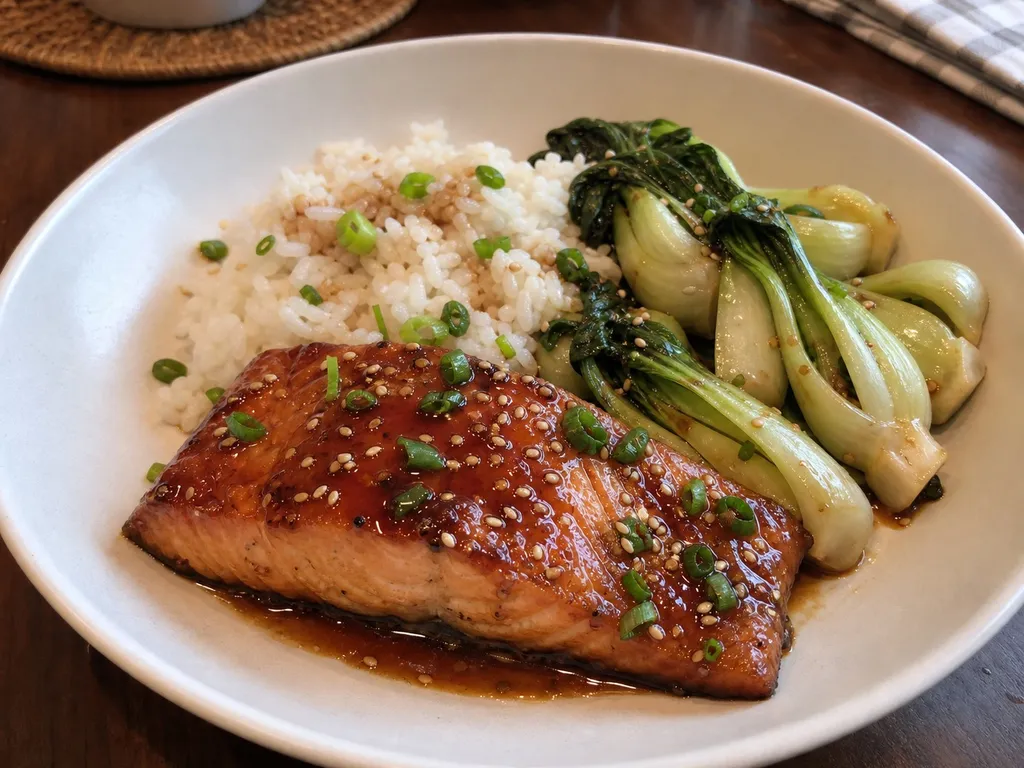 Images are for illustrative purposes only, may be inaccurate, and do not guarantee the presence or absence of specific ingredients.
 Listahan Family Score™
60/100
Works for many families
Score reflects how well this recipe fits a typical busy household. In the app, your Family Score is personalized to your household's allergens, kids, and pantry.
Nutrition
per serving365
Calories
35 g
Protein
1 g
Carbs
23 g
Fat
Estimated per serving. Actual values depend on the brands and portions you use.
Listahan cooking guide
Chef notes & practical guide
Technique notes, ingredient swaps, serve-alongside ideas, storage guidance, and equipment for this recipe.
Cultural context
The pairing of salmon with soy and ginger reflects the deep influence of Japanese and Chinese cooking techniques on Pacific Northwest and California cuisine, where salmon has been a cornerstone ingredient for Indigenous and settler communities alike for centuries. Teriyaki-style glazing of salmon became mainstream in North American home cooking in the 1990s alongside the sushi boom, which reframed raw and minimally cooked fish as desirable rather than unfamiliar. Baby bok choy, a Cantonese vegetable widely available in Asian grocery stores across North America, became the natural green pairing because it cooks in under 5 minutes and its mild flavor does not compete with the salty-sweet glaze.
Listahan note
This version bakes the salmon skin-side down on parchment for a no-flip technique that lets the glaze build on the surface without any risk of the fillet breaking apart.
Technique cues
- Brush the glaze on the salmon in two thin layers with a 3-minute resting period between each application rather than one thick coat; layering builds a more complex, sticky surface that does not run off or pool.
- Halve the baby bok choy lengthwise and sear cut-side down in a hot skillet with a touch of sesame oil for 2 minutes without moving before flipping; the flat caramelized face is far more flavorful than bok choy that is simply boiled or steamed.
- Remove the salmon from the oven when the center is still slightly translucent, carry-over heat will finish it in 3 minutes of resting and the texture will be silky rather than the chalky dryness that comes from an extra 5 minutes in the oven.
Kitchen flow
- Parallel prep
- Make the glaze and set the salmon to marinate while the rice cooks; sear the bok choy in the last 5 minutes of salmon baking time so everything is ready simultaneously.
- Make-ahead
- The soy-ginger glaze keeps in the refrigerator for up to 1 week; make a double batch and use the remainder as a stir-fry sauce or salad dressing mid-week.
- Leftover move
- Flake cold salmon over a warm bowl of soba noodles with sesame dressing and the leftover bok choy for an instant noodle bowl that requires no reheating of the fish.
- Cleanup rhythm
- Use parchment paper on the baking sheet to catch any glaze drips; the soy-sugar glaze is sticky and burns onto bare sheet pans permanently if not caught.
Ingredient brief
Role, handling, and swap guidance for each key ingredient.
salmon fillets
omega-3 rich protein centerpiece
Purpose: Salmon's natural fat content keeps it moist and flavorful even after refrigeration, making it one of the best fish for meal prep.
Handling: Bring to room temperature for 15 minutes before baking so the fillet cooks evenly from edge to center without overcooking the exterior.
Adaptation: Steelhead trout is nearly identical to salmon in flavor and fat content and often less expensive; miso-glazed black cod is a premium alternative with an even silkier texture.
soy sauce
salt and umami base of the glaze
Purpose: Provides the deep savory base that the sweeteners and ginger build upon to create the teriyaki-style profile.
Handling: Use low-sodium soy sauce since the glaze reduces by half during baking, concentrating the saltiness significantly.
Adaptation: Tamari gives an identical flavor with a gluten-free certification; coconut aminos offer a milder, slightly sweeter alternative.
fresh ginger
warm, spicy aromatic
Purpose: Provides the sharp, clean heat that cuts through the richness of the salmon fat and gives the glaze its distinctive Asian character.
Handling: Grate on a microplane rather than mincing so the fiber stays out of the smooth glaze; use the pulpy side of the grater to extract both juice and flavor.
Adaptation: Ginger paste from a tube works well for convenience; ground ginger loses the fresh heat quickly and should be used only in a pinch.
honey or brown sugar
caramelizing sweetener
Purpose: Sugar creates the glossy lacquer that makes a teriyaki glaze visually appealing and prevents the soy from tasting flat and one-dimensional.
Handling: Warm honey slightly so it mixes smoothly with the soy sauce without clumping around the ginger pieces.
Adaptation: Maple syrup gives a slightly earthier sweetness; rice syrup gives a more neutral sweetness that allows the soy and ginger to dominate.
baby bok choy
mild, crunchy green vegetable
Purpose: Provides a slightly bitter, mineral note that balances the sweet-salty glaze and a tender-crisp texture that holds up after refrigeration.
Handling: Halve lengthwise, wash between the leaves where grit collects, and shake dry before searing so the water does not cause the oil to spit.
Adaptation: Broccolini, gai lan (Chinese broccoli), or sugar snap peas all pair well with the soy-ginger glaze and reheat cleanly.
Technique notes
- A quarter teaspoon of toasted sesame oil added to the finished glaze off heat perfumes the sauce in a way that cooking destroys; it is a finishing oil, not a cooking oil.
- Score the salmon skin with a sharp knife in three diagonal cuts before glazing; the cuts allow the glaze to penetrate into the flesh rather than sitting only on the surface.
- Let the glazed salmon cool completely before placing in containers; warm salmon continues to steam after the lid closes and the moisture condenses and washes away the glaze.
Ingredient swaps
- Gluten-free direction
- Use tamari or certified gluten-free soy sauce; all other ingredients in this recipe are naturally gluten-free.
- Lower-sodium direction
- Use coconut aminos which contain about a third of the sodium of soy sauce and balance with a slightly larger amount of fresh ginger and lime juice.
- Allergen note
- This recipe contains fish (salmon) and soy; for a fish-free version use the same glaze on chicken thighs with a 10-minute increase in baking time.
Serve alongside
- steamed jasmine rice or short-grain rice
- edamame with sea salt
- chilled cucumber sesame salad
- chilled green tea or hojicha
- sparkling water with yuzu or lemon
Serving suggestions only — check pairings for your household's allergens.
Storage & reheating
- Refrigerate salmon and bok choy containers for up to 3 days; salmon quality is best within the first 2 days, so plan these containers for Monday and Tuesday of the week.
- Cooked salmon can be frozen for up to 2 months but texture softens on thawing; consider freezing raw portions and glazing fresh for best results. Reheat gently in a covered skillet with a splash of water rather than the microwave.
Equipment
- parchment-lined rimmed baking sheet
- small skillet for searing bok choy
- microplane grater for ginger and garlic
- pastry brush for glaze application
Make this household-aware
Listahan Pro checks this recipe against your household's allergens, finds pantry-aware swaps, builds the shopping list, and helps you plan the week around it.
Plan it in Listahan
Add Soy-Ginger Glazed Salmon with Baby Bok Choy to your week, check it against your household's allergens, and build the shopping list automatically.
More Meal Prep recipes
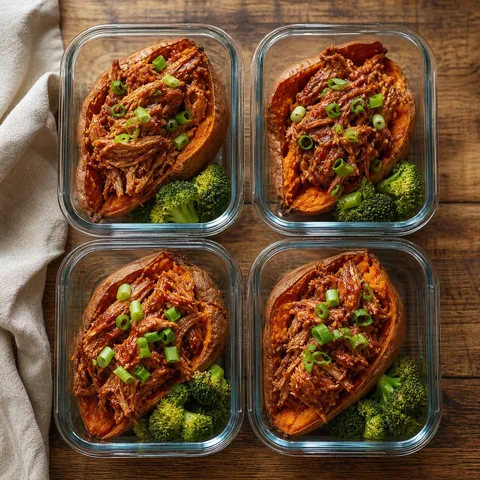 Meal Prep Lens Verified Images are for illustrative purposes only, may be inaccurate, and do not guarantee the presence or absence of specific ingredients.
 BBQ Pulled Pork Stuffed Sweet Potatoes
A hearty, smoky, and sweet combination that balances protein and complex carbohydrates perfectly.
 Meal Prep Lens Verified Images are for illustrative purposes only, may be inaccurate, and do not guarantee the presence or absence of specific ingredients.
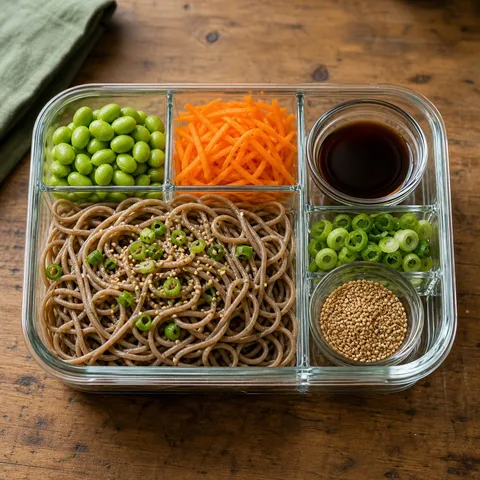
 Soba Noodle Salad
Buckwheat soba noodles tossed in a sesame-ginger dressing with edamame, shredded carrots, and scallions — nutty, refreshing, and endlessly satisfying served cold.
 Meal Prep Lens Verified Images are for illustrative purposes only, may be inaccurate, and do not guarantee the presence or absence of specific ingredients.
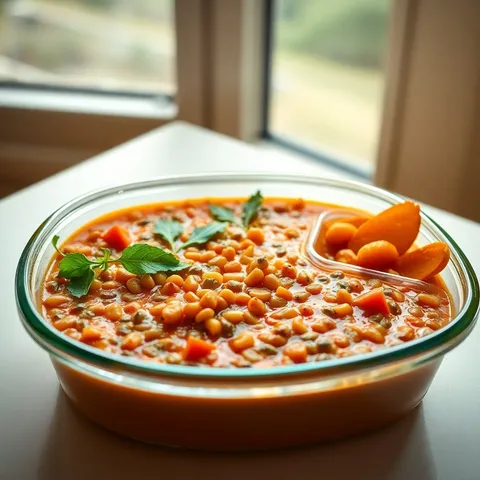
 Rustic French Lentil Soup
A deeply nourishing and earthy soup that is rich in plant-based protein and freezes exceptionally well.