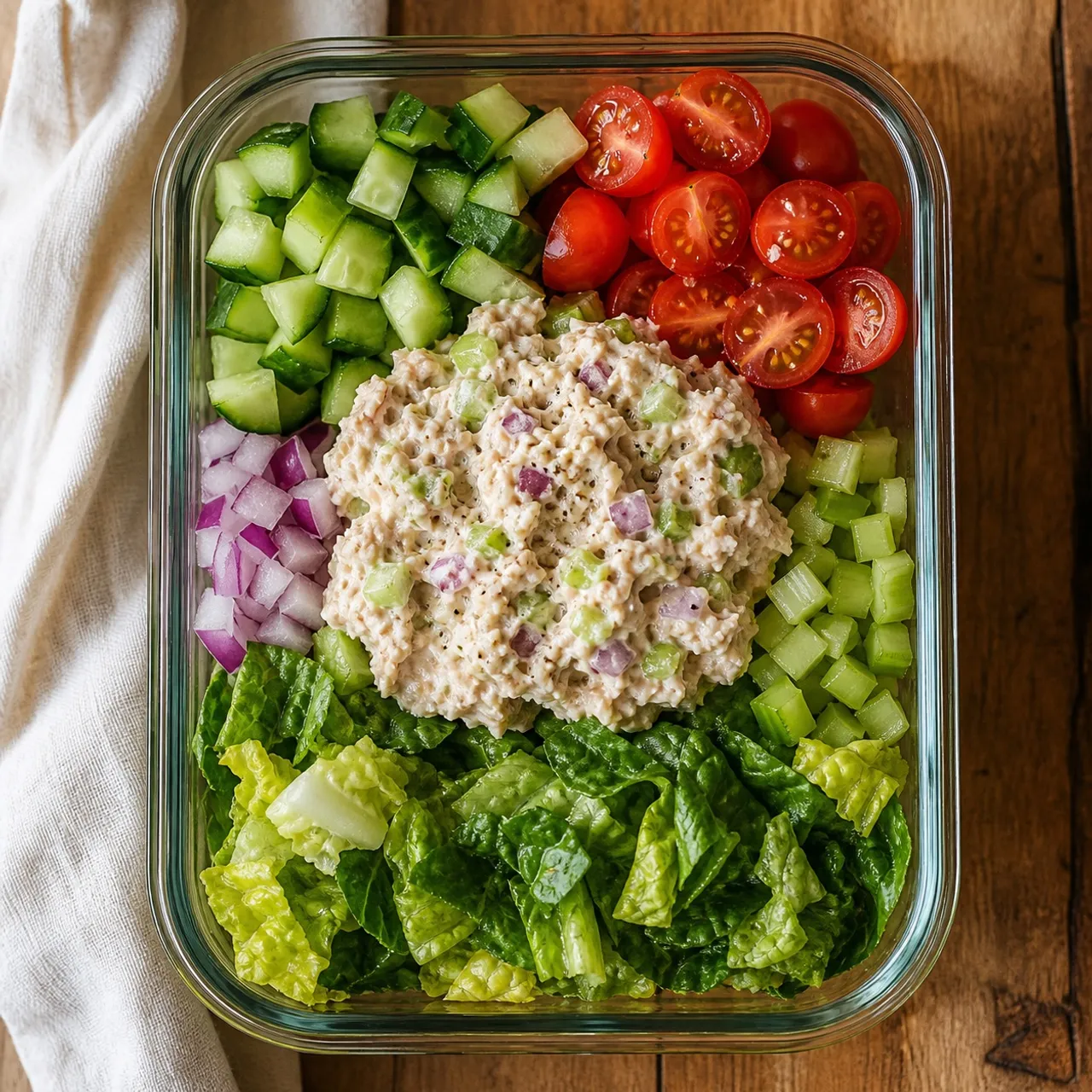
 Meal Prep Images are for illustrative purposes only, may be inaccurate, and do not guarantee the presence or absence of specific ingredients.
 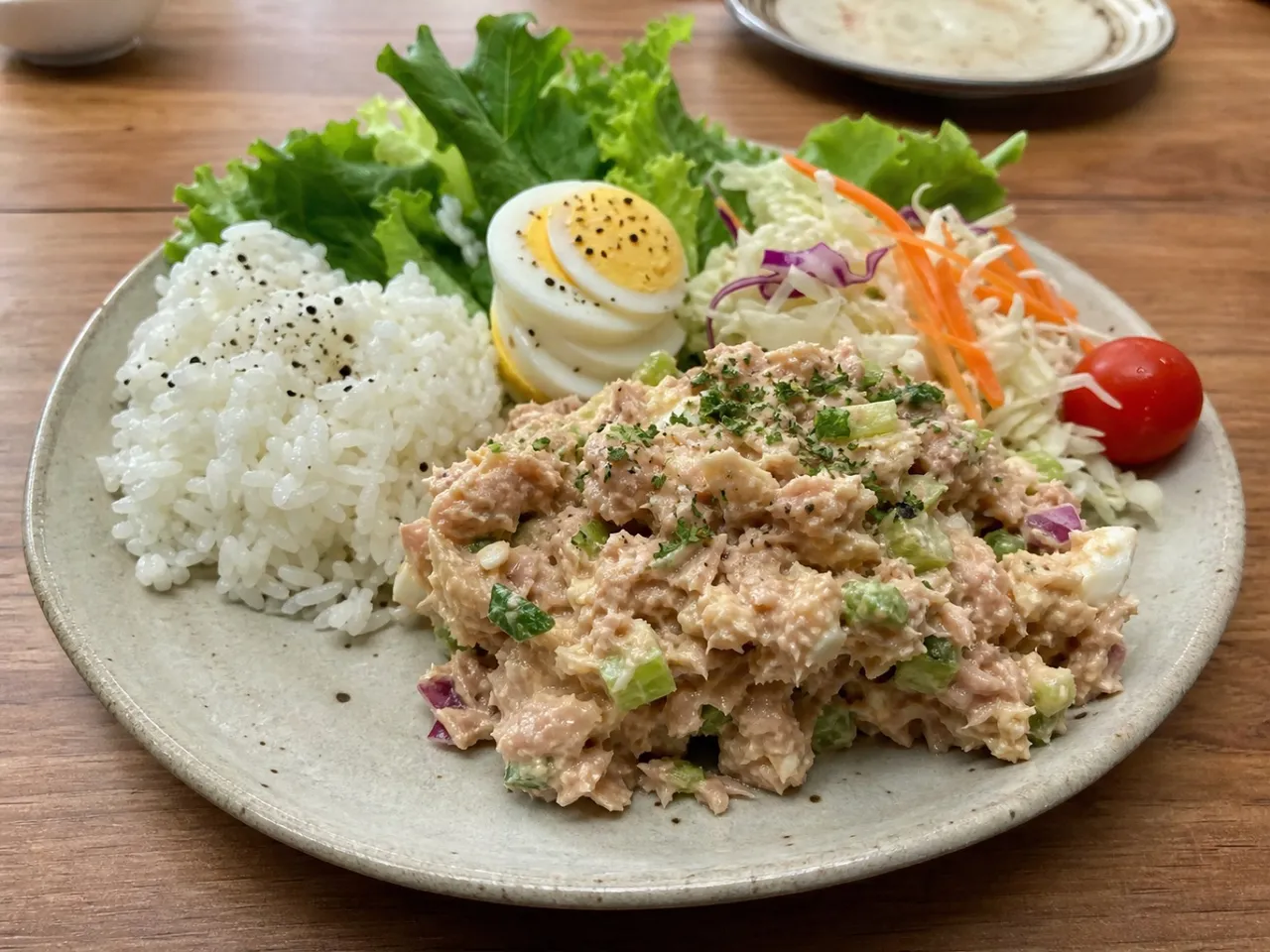 Serving Images are for illustrative purposes only, may be inaccurate, and do not guarantee the presence or absence of specific ingredients.
 Tuna Salad Jars
Flaky albacore tuna layered with crisp greens, cherry tomatoes, and lemon-herb dressing in a portable jar — fresh, protein-rich, and ready to grab-and-go.
Contains common allergens
In the app, Listahan checks these against your household automatically.
Good to know
- Ready in under 30 minutes
Matched from this dish's own ingredients and timing. Browse more: 30-minute meals
Instructions
7 steps- 1
Stir mayonnaise, Greek yogurt, lemon juice, and black pepper in a bowl.
- 2
Fold in drained tuna, celery, and red onion until evenly coated.
- 3
Divide the tuna mixture among the bottoms of 4 wide-mouth jars.
- 4
Layer tomatoes and cucumber over the tuna to create a moisture barrier.
- 5
Pack romaine on top, leaving a little space so the jar can be shaken.
- 6
Keep chilled and shake into a bowl just before eating.
- 7
Refrigerate up to 4 days; the dressing-on-the-bottom layering keeps the romaine from wilting until you shake the jar right before eating.
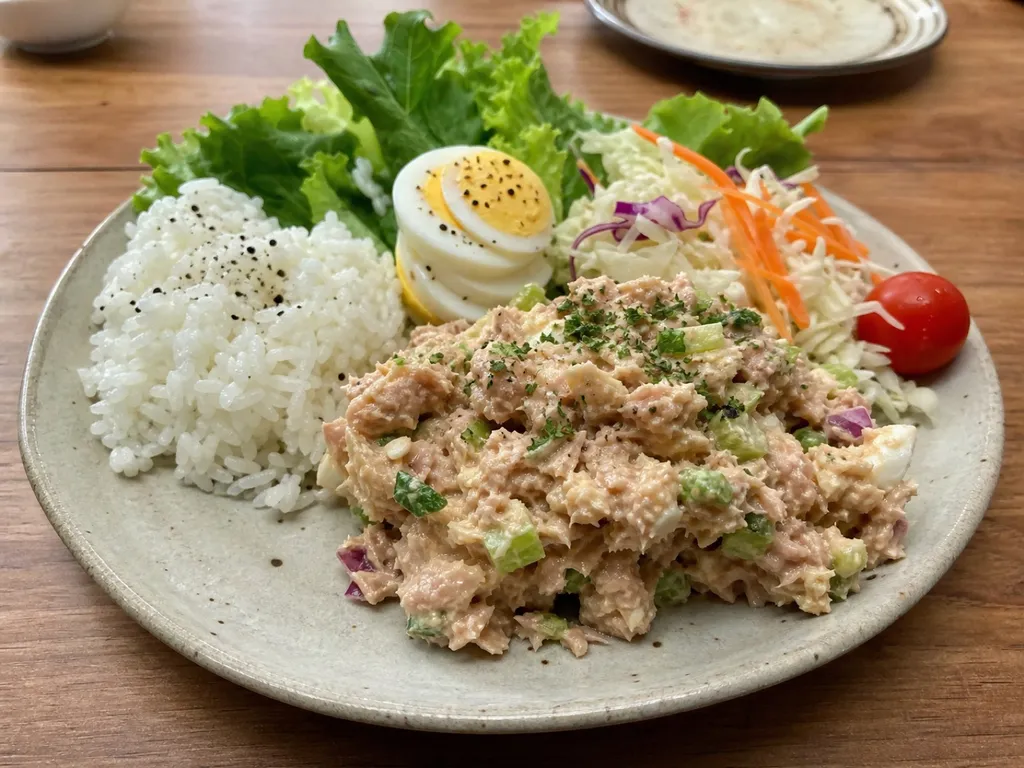 Images are for illustrative purposes only, may be inaccurate, and do not guarantee the presence or absence of specific ingredients.
 Listahan Family Score™
56/100
Works for many families
Score reflects how well this recipe fits a typical busy household. In the app, your Family Score is personalized to your household's allergens, kids, and pantry.
Nutrition
per serving325
Calories
21 g
Protein
3 g
Carbs
25 g
Fat
Estimated per serving. Actual values depend on the brands and portions you use.
Listahan cooking guide
Chef notes & practical guide
Technique notes, ingredient swaps, serve-alongside ideas, storage guidance, and equipment for this recipe.
Cultural context
Layered jar salads gained traction in American meal prep culture during the 2010s as a practical solution to the soggy-lunch problem: dressing goes in first, delicate greens last, so the salad stays crisp for days. Tuna salad jars draw on the classic American tuna-celery-mayo combination that has been a lunchbox staple since canned tuna became affordable pantry goods in the early 20th century. The mason jar format turns a humble sandwich filling into a portable, portion-controlled weekday lunch that keeps well in the refrigerator.
Listahan note
This version layers crunchy vegetables below the tuna mix to protect the greens and deliver textural contrast in every forkful.
Technique cues
- Drain canned tuna thoroughly and press it between paper towels before mixing; residual liquid dilutes the dressing and turns the filling watery by day two.
- Pour dressing into the jar before any other ingredient so it pools at the bottom away from the greens, then add hard vegetables, tuna mix, and finally lettuce on top.
- Let the assembled jar sit upright in the refrigerator rather than on its side so the dressing stays separated until you are ready to shake and eat.
Kitchen flow
- Parallel prep
- While the tuna mixture chills, slice all vegetables and portion the dressing into jars so assembly becomes an assembly line taking under 10 minutes.
- Make-ahead
- Fully assembled jars keep in the refrigerator for up to 4 days; the dressing-at-the-bottom method is essential to prevent soggy greens.
- Leftover move
- Leftover tuna mix makes an excellent toast topper or stuffed-avocado filling if the greens in the jar have wilted.
- Cleanup rhythm
- Mix tuna in one bowl and rinse it immediately; jars rinse cleanly with hot water after eating, so the weekly cleanup is minimal.
Ingredient brief
Role, handling, and swap guidance for each key ingredient.
canned tuna in water
primary protein
Purpose: Canned tuna delivers lean protein with no cooking required, making it the backbone of a genuinely quick prep.
Handling: Drain fully, press dry, and flake with a fork before combining with the dressing.
Adaptation: Canned salmon or canned chickpeas work in the same proportions for a pescatarian or plant-based version.
celery
crunch element
Purpose: Celery provides a cool, watery crunch that keeps the filling from feeling dense and heavy.
Handling: Slice thinly on the diagonal so the pieces nestle compactly in the jar.
Adaptation: Diced fennel gives a similar crunch with a subtle anise note if celery is unavailable.
mayonnaise
binder and fat
Purpose: Mayo holds the tuna mixture together and carries the seasoning evenly through every bite.
Handling: Use full-fat mayo for best texture and mix it with a squeeze of lemon before combining.
Adaptation: Plain Greek yogurt cuts fat and adds tang; use a 50-50 blend with mayo to keep the mixture from being too thin.
Dijon mustard
flavor sharpener
Purpose: A small amount of mustard lifts the richness of the mayo and ties the filling together without overpowering the fish.
Handling: Whisk into the mayo before adding the tuna so it distributes evenly.
Adaptation: Whole-grain mustard adds texture and a slightly milder bite.
romaine lettuce
top layer and base
Purpose: Romaine is sturdy enough to sit on top of the jar for four days without wilting the way baby spinach would.
Handling: Tear or chop into bite-sized pieces and make sure leaves are completely dry before packing.
Adaptation: Shredded cabbage or kale holds up equally well and adds extra crunch.
Technique notes
- Add a thin layer of cherry tomatoes or cucumber rounds directly above the dressing layer; their natural juiciness keeps that zone flavorful without soaking upward.
- Season the tuna mix more aggressively than you think necessary because cold mutes flavor, and the salad will be eaten straight from the refrigerator.
- Use wide-mouth quart jars rather than standard-mouth; they are easier to pack tightly and far easier to empty with a fork at the office.
Ingredient swaps
- Egg-free direction
- Replace mayonnaise with mashed ripe avocado mixed with lemon juice for a creamy, egg-free binder with healthful fats.
- Lower-sodium direction
- Choose tuna packed in water with no salt added and use a light hand with pickles or capers, which are the main sodium contributors in this recipe.
- Higher-protein direction
- Add a halved hard-boiled egg per jar, nestled between the vegetable layer and the tuna, to push the protein well over 30 grams per serving.
Serve alongside
- Whole-grain crackers
- Sliced cucumber rounds
- Fresh fruit cup with melon and berries
- Sparkling water with lemon
- Unsweetened iced green tea
Serving suggestions only — check pairings for your household's allergens.
Storage & reheating
- Keep jars sealed and upright in the refrigerator for up to 4 days; do not freeze assembled jars because the greens and mayonnaise will break down on thawing.
- If the dressing has migrated up during storage, place the jar in the fridge for 10 minutes before opening to let it settle back to the bottom.
Equipment
- Wide-mouth quart mason jars with lids
- Fine-mesh strainer for draining tuna thoroughly
- Chef's knife and cutting board for uniform vegetable slicing
Make this household-aware
Listahan Pro checks this recipe against your household's allergens, finds pantry-aware swaps, builds the shopping list, and helps you plan the week around it.
Plan it in Listahan
Add Tuna Salad Jars to your week, check it against your household's allergens, and build the shopping list automatically.
More Meal Prep recipes
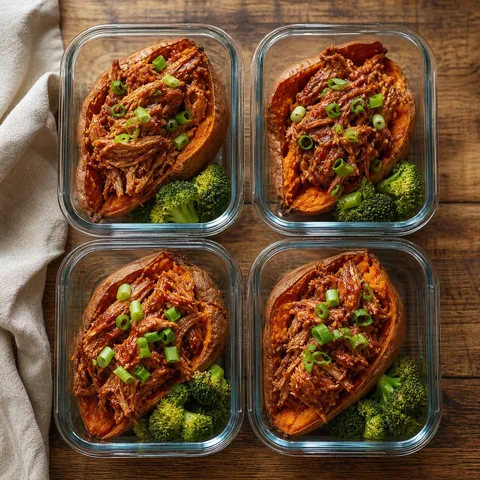 Meal Prep Lens Verified Images are for illustrative purposes only, may be inaccurate, and do not guarantee the presence or absence of specific ingredients.
 BBQ Pulled Pork Stuffed Sweet Potatoes
A hearty, smoky, and sweet combination that balances protein and complex carbohydrates perfectly.
 Meal Prep Lens Verified Images are for illustrative purposes only, may be inaccurate, and do not guarantee the presence or absence of specific ingredients.
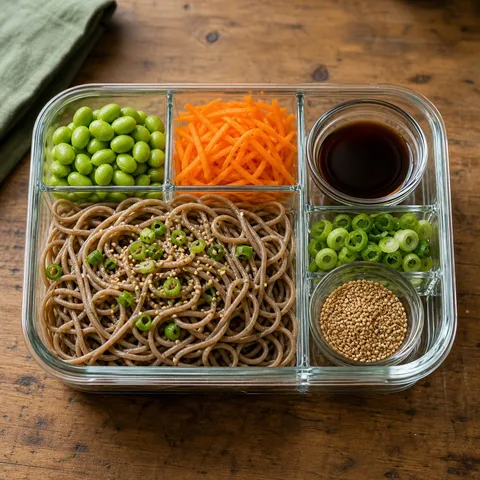
 Soba Noodle Salad
Buckwheat soba noodles tossed in a sesame-ginger dressing with edamame, shredded carrots, and scallions — nutty, refreshing, and endlessly satisfying served cold.
 Meal Prep Lens Verified Images are for illustrative purposes only, may be inaccurate, and do not guarantee the presence or absence of specific ingredients.
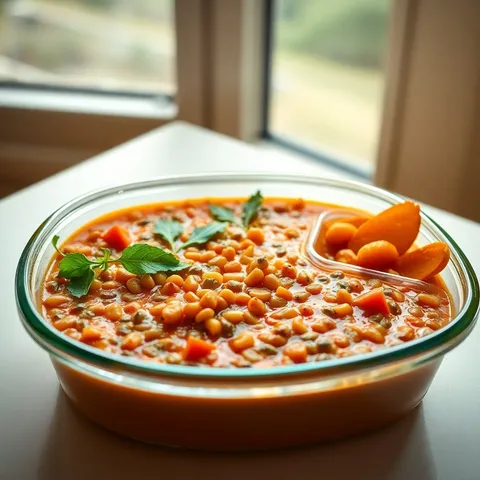
 Rustic French Lentil Soup
A deeply nourishing and earthy soup that is rich in plant-based protein and freezes exceptionally well.