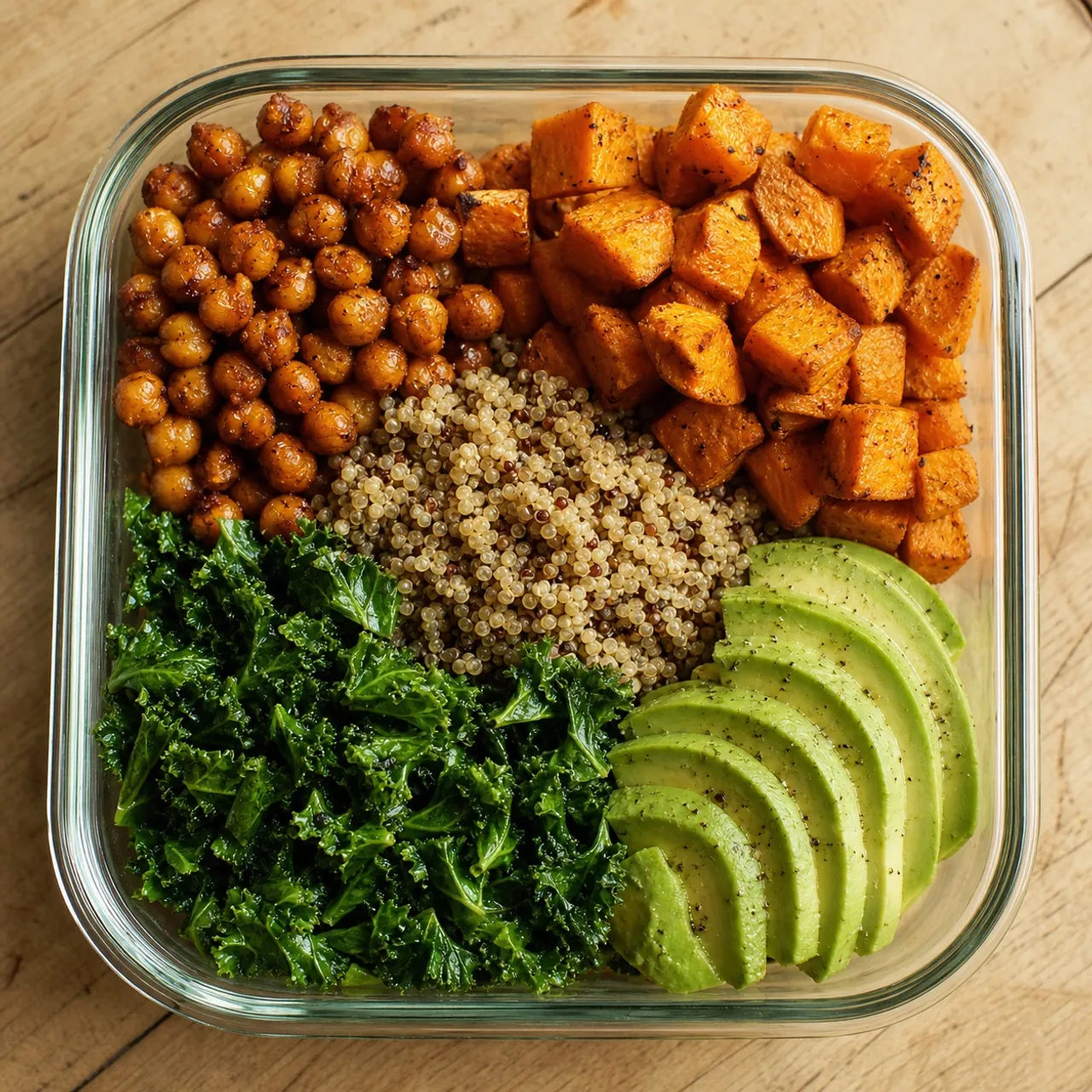
 Meal Prep Images are for illustrative purposes only, may be inaccurate, and do not guarantee the presence or absence of specific ingredients.
 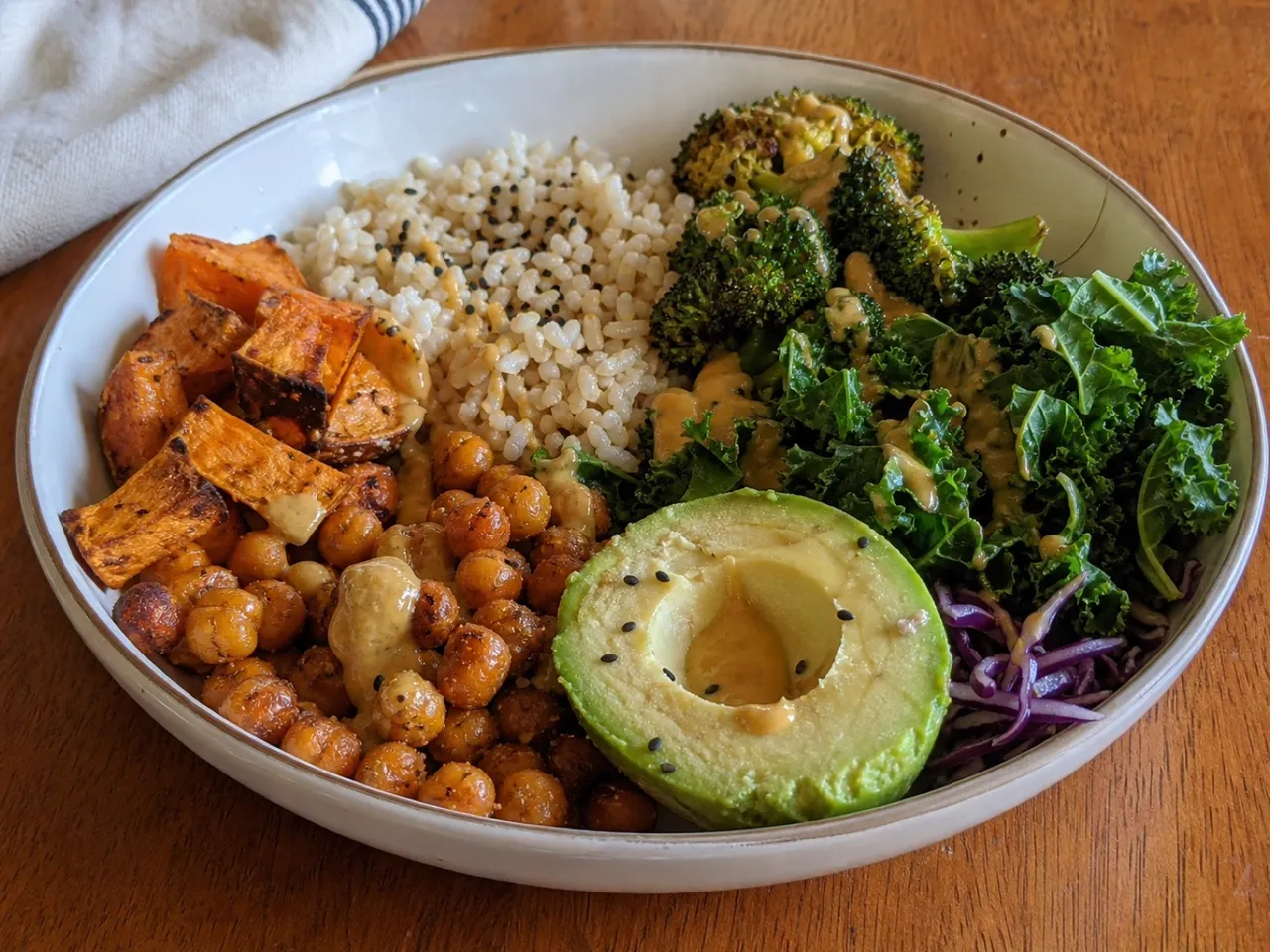 Serving Images are for illustrative purposes only, may be inaccurate, and do not guarantee the presence or absence of specific ingredients.
 Vegan Buddha Bowl
A nourishing base of grains topped with roasted sweet potato, crunchy chickpeas, shredded kale, avocado, and tahini dressing — colorful, balanced, and deeply satisfying.
Contains common allergens
In the app, Listahan checks these against your household automatically.
Instructions
6 steps- 1
Preheat the oven to 425°F. Toss the sweet potato and chickpeas separately, each with 1 tbsp olive oil, smoked paprika, cumin, salt, and pepper.
- 2
Spread on a sheet pan and roast 20-25 minutes, stirring once, until the sweet potato is tender and the chickpeas are crisp.
- 3
Meanwhile, combine quinoa and water in a saucepan, bring to a boil, then cover and simmer 15 minutes until the water is absorbed; fluff with a fork.
- 4
Massage the chopped kale with a pinch of salt for 1 minute to soften it.
- 5
Whisk the tahini, lemon juice, and 1-2 tbsp water until pourable to make the dressing.
- 6
Divide quinoa and kale among 4 containers, top with roasted sweet potato, chickpeas, and avocado; pack the tahini dressing separately and drizzle on just before eating. Refrigerate up to 4 days.
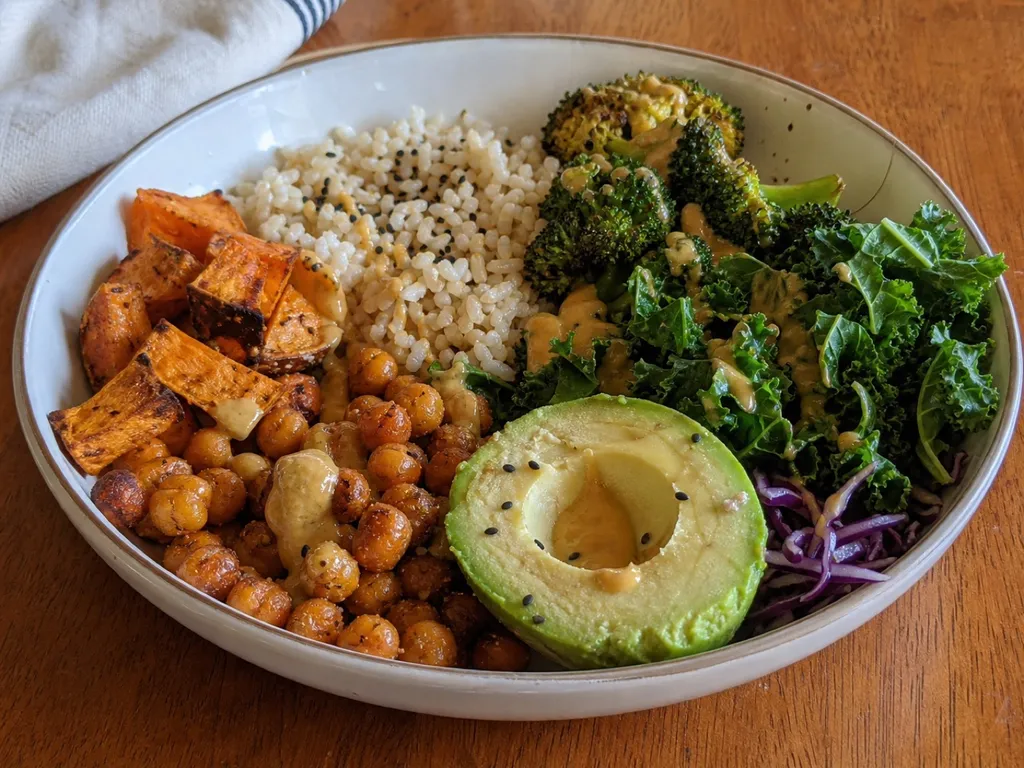 Images are for illustrative purposes only, may be inaccurate, and do not guarantee the presence or absence of specific ingredients.
 Listahan Family Score™
65/100
Works for many families
Score reflects how well this recipe fits a typical busy household. In the app, your Family Score is personalized to your household's allergens, kids, and pantry.
Nutrition
per serving445
Calories
16 g
Protein
62 g
Carbs
16 g
Fat
Estimated per serving. Actual values depend on the brands and portions you use.
Listahan cooking guide
Chef notes & practical guide
Technique notes, ingredient swaps, serve-alongside ideas, storage guidance, and equipment for this recipe.
Cultural context
The term 'Buddha bowl' entered the North American food lexicon in the early 2010s, referring to a bowl piled high with grains, roasted vegetables, legumes, and sauce, the rounded dome of ingredients said to resemble a full belly. The concept draws loosely on the Japanese practice of nutritionally balanced, one-bowl eating and on the ancient Buddhist monastic tradition of collecting diverse offerings in a single bowl. Despite the name's vague origins, the Buddha bowl format succeeded in mainstream food culture because it provides a nutritionally complete, visually appealing meal that adapts to nearly any dietary restriction.
Listahan note
This version prioritizes contrasting textures in every bowl, pairing roasted vegetables with raw greens, creamy tahini dressing with crunchy seeds, so no two bites are identical.
Technique cues
- Roast each vegetable component separately on different sections of the sheet pan, or on separate pans, since different vegetables need different roasting times and should not be crowded or they steam instead of caramelize.
- Cook the grain in well-seasoned stock rather than water; unseasoned grains are the most common reason a Buddha bowl tastes bland despite colorful toppings.
- Make the tahini dressing a little thinner than you think necessary and store it separately; it thickens in the refrigerator and will seize up over the grains if poured on before storage.
Kitchen flow
- Parallel prep
- Roast the vegetables and chickpeas in the oven while the grain simmers on the stovetop and the dressing is whisked together, so all four elements are ready simultaneously.
- Make-ahead
- All roasted components and cooked grain keep refrigerated for up to 5 days; assemble bowls with greens no more than 3 days ahead to keep them crisp.
- Leftover move
- Leftover roasted vegetables can be blended with stock to make a smooth soup, or scrambled into eggs for a quick breakfast hash.
- Cleanup rhythm
- Line sheet pans with parchment before roasting so the vegetables lift off cleanly; the pans wipe out without soaking and the parchment goes in the compost.
Ingredient brief
Role, handling, and swap guidance for each key ingredient.
farro or brown rice
hearty grain base
Purpose: Whole grains provide sustained energy and a nutty flavor that complements roasted vegetables and creamy tahini dressing.
Handling: Cook in vegetable stock with a bay leaf and a pinch of turmeric for color and flavor beyond neutral starch.
Adaptation: Quinoa is faster-cooking and adds complete protein; white rice produces a lighter, more neutral base.
chickpeas
plant protein and texture
Purpose: Crispy roasted chickpeas deliver protein, fiber, and a satisfying crunch that keeps the bowl from feeling too soft.
Handling: Rinse, drain, and dry the chickpeas thoroughly before roasting; moisture is the enemy of crispiness.
Adaptation: White beans roasted until golden provide the same protein with a creamier interior and slightly thinner skin.
sweet potato
sweet roasted vegetable
Purpose: Roasted sweet potato provides natural sweetness and caramelization that contrasts with the savory tahini dressing.
Handling: Cube evenly at half-inch pieces so they roast at the same rate without some burning while others remain hard.
Adaptation: Roasted butternut squash or golden beets provide similar sweetness and vibrant color.
tahini
dressing base
Purpose: Tahini creates a rich, nutty, plant-based dressing that ties all the bowl components together.
Handling: Stir the tahini jar thoroughly before measuring as the oil separates; blend with lemon juice and garlic plus water to your desired consistency.
Adaptation: Miso-ginger dressing or almond butter dressing provides a different flavor profile with the same creamy base.
kale or mixed greens
fresh leafy component
Purpose: Raw greens provide a cooling contrast to warm roasted vegetables and add iron and fiber to the bowl.
Handling: Massage kale with a few drops of lemon juice and olive oil before packing to soften it slightly and remove the raw bitter edge.
Adaptation: Baby spinach needs no massage and wilts pleasantly under warm roasted vegetables.
Technique notes
- A finishing drizzle of sriracha or chili oil over the assembled bowl provides heat and visual appeal that elevates the presentation from weekday-practical to restaurant-adjacent.
- Sprinkle dukkah, a Middle Eastern nut-and-spice blend, or everything bagel seasoning over the bowl as a garnish; the toasted spices add complexity that no single dressing can provide.
- Add a soft-boiled egg to each non-vegan version of the bowl for an additional protein source and a visually dramatic element when halved and placed on top.
Ingredient swaps
- Nut-free and sesame-free direction
- Replace tahini dressing with a lemon-herb vinaigrette using olive oil, lemon, garlic, and Dijon mustard for a bright, allergen-friendly alternative.
- Higher-protein direction
- Double the chickpea portion and add a quarter block of marinated and baked extra-firm tofu to each bowl to push protein over 20 grams.
- Grain-free direction
- Replace the grain base with cauliflower rice or additional greens for a lower-carbohydrate version that is still satisfying.
Serve alongside
- Miso soup with silken tofu
- Warm pita bread with hummus
- Pickled beet and radish salad
- Turmeric golden milk latte
- Sparkling water with cucumber and mint
Serving suggestions only — check pairings for your household's allergens.
Storage & reheating
- Roasted components and cooked grains keep refrigerated for up to 5 days when stored separately; store tahini dressing in a small jar and add to each bowl at serving time.
- Do not freeze assembled Buddha bowls; roasted vegetables become mushy on thawing, though the cooked grain freezes well for up to 3 months.
Equipment
- Two rimmed sheet pans for roasting multiple vegetables simultaneously
- Small blender or whisk for emulsifying tahini dressing
- Wide, shallow meal prep containers that display the layered components attractively
Make this household-aware
Listahan Pro checks this recipe against your household's allergens, finds pantry-aware swaps, builds the shopping list, and helps you plan the week around it.
Plan it in Listahan
Add Vegan Buddha Bowl to your week, check it against your household's allergens, and build the shopping list automatically.
More Meal Prep recipes
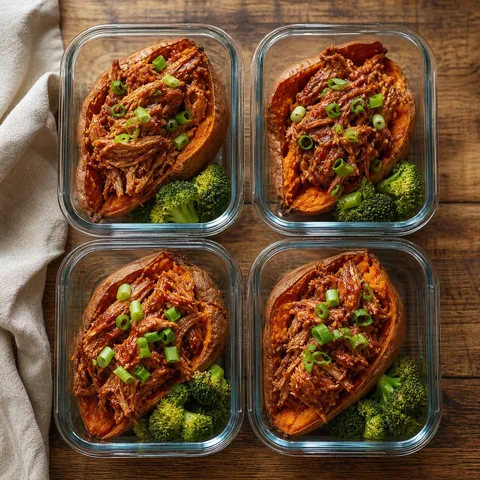 Meal Prep Lens Verified Images are for illustrative purposes only, may be inaccurate, and do not guarantee the presence or absence of specific ingredients.
 BBQ Pulled Pork Stuffed Sweet Potatoes
A hearty, smoky, and sweet combination that balances protein and complex carbohydrates perfectly.
 Meal Prep Lens Verified Images are for illustrative purposes only, may be inaccurate, and do not guarantee the presence or absence of specific ingredients.
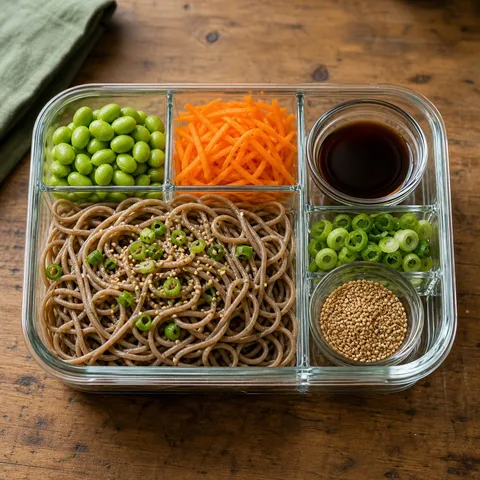
 Soba Noodle Salad
Buckwheat soba noodles tossed in a sesame-ginger dressing with edamame, shredded carrots, and scallions — nutty, refreshing, and endlessly satisfying served cold.
 Meal Prep Lens Verified Images are for illustrative purposes only, may be inaccurate, and do not guarantee the presence or absence of specific ingredients.
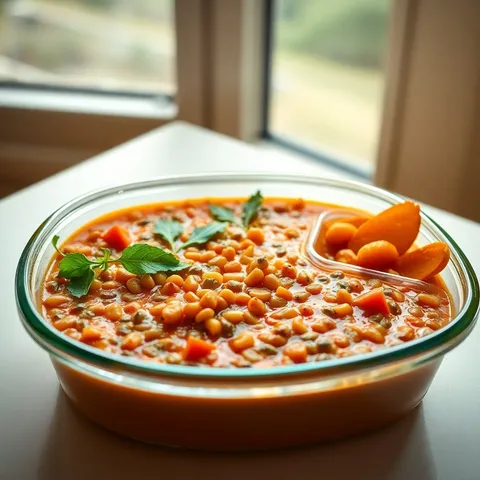
 Rustic French Lentil Soup
A deeply nourishing and earthy soup that is rich in plant-based protein and freezes exceptionally well.