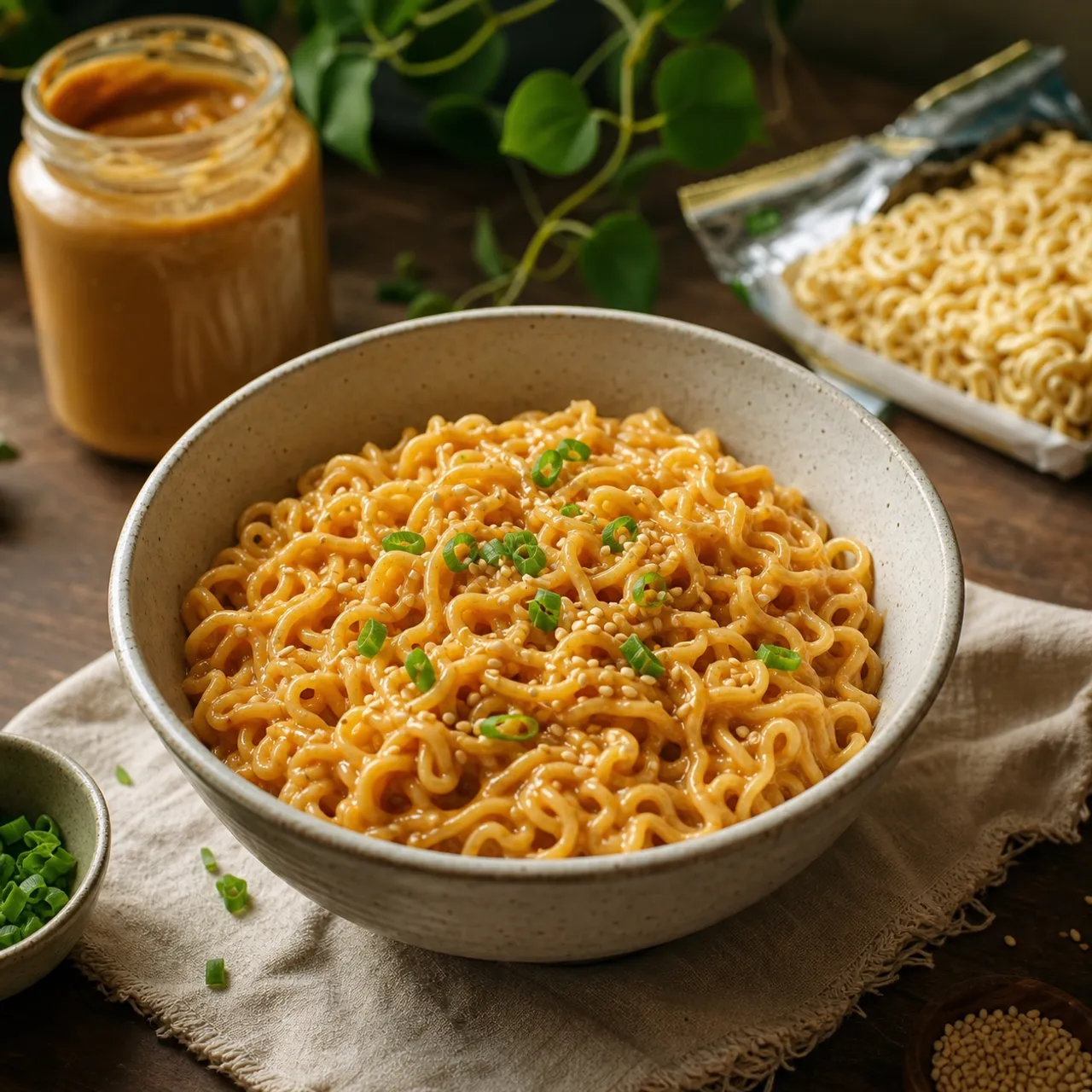
 Pantry & Instant Images are for illustrative purposes only, may be inaccurate, and do not guarantee the presence or absence of specific ingredients.
 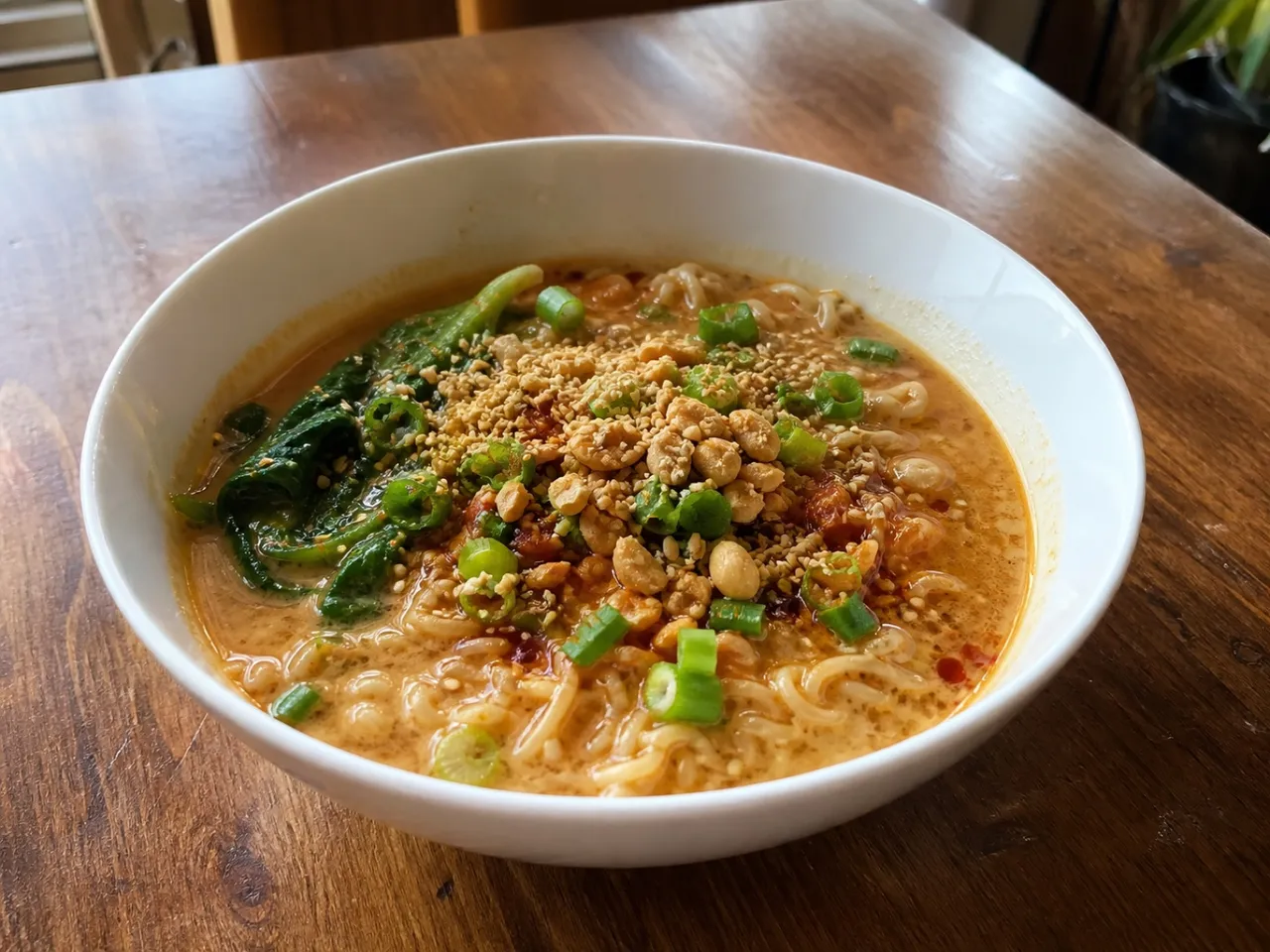 Serving Images are for illustrative purposes only, may be inaccurate, and do not guarantee the presence or absence of specific ingredients.
 Peanut Butter Ramen
Instant ramen noodles tossed in a silky peanut-sesame sauce with a hit of chili and soy — the ultimate Thai-inspired 10-minute comfort bowl.
Contains common allergens
In the app, Listahan checks these against your household automatically.
Good to know
- Ready in under 30 minutes
Matched from this dish's own ingredients and timing. Browse more: 30-minute meals
Instructions
6 steps- 1
Boil 2 cups of water in a small pot. Add the ramen noodles (discard the seasoning packet or save it for another use) and cook for 3 minutes until tender.
- 2
While the noodles cook, add the creamy peanut butter, soy sauce, and sriracha to a medium serving bowl.
- 3
Before draining the noodles, carefully scoop out 2-3 tablespoons of the hot noodle cooking water and whisk it into the peanut butter mixture until it becomes a smooth, glossy sauce.
- 4
Drain the cooked noodles thoroughly in a colander.
- 5
Transfer the hot noodles immediately into the bowl with the peanut sauce.
- 6
Toss the noodles vigorously until they are completely coated in the sauce. Garnish with sesame seeds if desired.
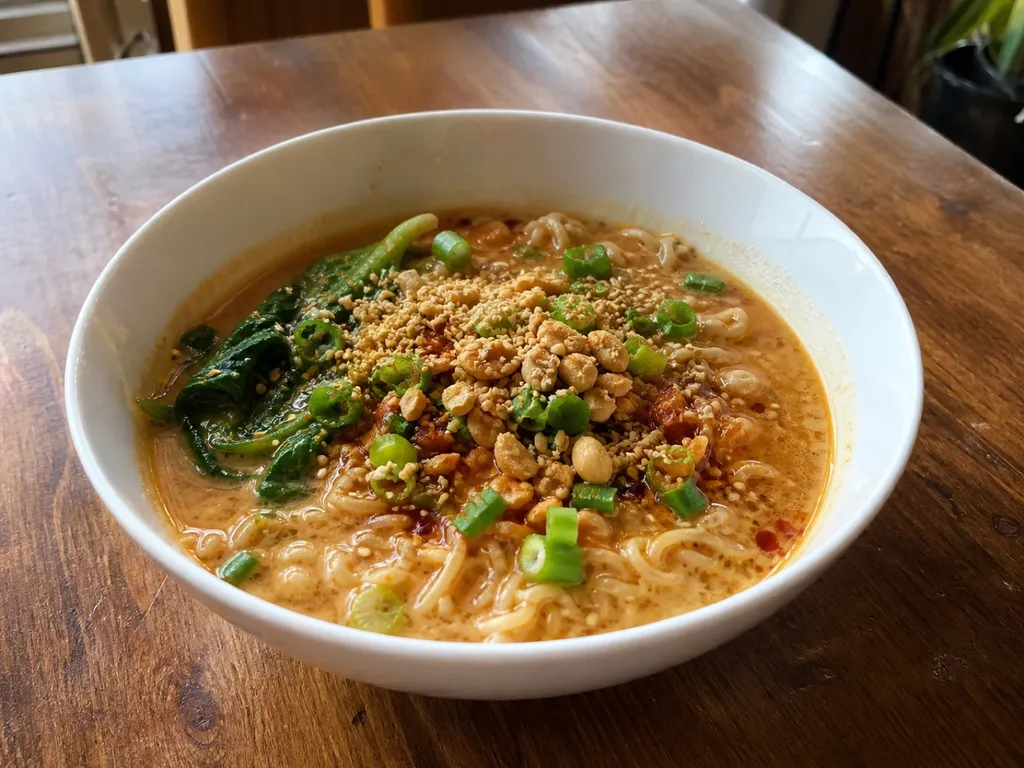 Images are for illustrative purposes only, may be inaccurate, and do not guarantee the presence or absence of specific ingredients.
 Listahan Family Score™
69/100
Works for many families
Score reflects how well this recipe fits a typical busy household. In the app, your Family Score is personalized to your household's allergens, kids, and pantry.
Nutrition
per serving55
Calories
2 g
Protein
2 g
Carbs
4 g
Fat
Estimated per serving. Actual values depend on the brands and portions you use.
Listahan cooking guide
Chef notes & practical guide
Technique notes, ingredient swaps, serve-alongside ideas, storage guidance, and equipment for this recipe.
Cultural context
This is a pantry-shelf riff that pushes instant ramen toward a peanut-sesame noodle dish, melting peanut butter into the noodles' own hot water rather than treating the peanut butter as a topping stirred on at the end.
Listahan note
This version melts the peanut butter into a splash of the hot cooking water first, since dropping it straight onto drained noodles just leaves a stiff, unmixed lump.
Technique cues
- Peanut butter melts into a hot liquid far more evenly when it's first whisked into a small ladle of the hot noodle water, rather than dropped straight onto the noodles, where it clumps into a stiff lump.
- Reserving a splash of the starchy cooking water before draining gives you something to loosen the peanut sauce with if it turns too thick once mixed in.
- Soy sauce and sriracha go in after the peanut butter has fully melted and smoothed out; adding them earlier makes it harder to judge how salty or spicy the sauce has actually become.
- Sesame seeds toasted briefly in a dry pan before scattering on top smell noticeably nuttier than seeds added straight from the jar.
Kitchen flow
- Parallel prep
- Prep any side dishes while Peanut Butter Ramen finishes with the pack instant ramen — the hands-off cook time is the window to use. Everything else is quick — the boil is the one step that takes real time.
- Make-ahead
- Peanut Butter Ramen reheats well, so cooking it a day ahead and finishing it just before serving is a reasonable way to spread out the work. This one leans on the pack instant ramen. Plan around the boil; that's the slow part.
- Leftover move
- Leftover Peanut Butter Ramen reheats well covered on the stove or in the oven with a splash of liquid; avoid the microwave, which can dry out a dish reheated this way faster than a covered, gentler reheat. This one leans on the pack instant ramen. Everything else is quick — the boil is the one step that takes real time.
- Cleanup rhythm
- Deglaze the pan used for Peanut Butter Ramen with a splash of water or broth right after cooking — it lifts the browned bits before they dry on and saves scrubbing later. This one leans on the pack instant ramen. The boil step is what sets the pace here.
Ingredient brief
Role, handling, and swap guidance for each key ingredient.
1 pack instant ramen
Flavor support
Purpose: pack instant ramen supports the balance of Peanut Butter Ramen and should taste integrated.
Handling: Prep before heat is high so the cooking step can move without rushing.
Adaptation: Use the closest fresh equivalent and expect a modest shift in flavor or texture.
2 tbsp creamy peanut butter
Richness and texture
Purpose: tbsp creamy peanut butter rounds the texture and helps the dish feel complete.
Handling: Prep before heat is high so the cooking step can move without rushing.
Adaptation: Use unsweetened dairy-free alternatives only where they still provide enough fat and body.
1 tbsp soy sauce
Seasoning backbone
Purpose: tbsp soy sauce gives the dish its recognizable flavor direction.
Handling: Prep before heat is high so the cooking step can move without rushing.
Adaptation: Use a certified gluten-free alternative when needed and expect a small texture change.
1 tsp sriracha
Flavor support
Purpose: tsp sriracha supports the balance of Peanut Butter Ramen and should taste integrated.
Handling: Prep before heat is high so the cooking step can move without rushing.
Adaptation: Use the closest fresh equivalent and expect a modest shift in flavor or texture.
1 tsp sesame seeds
Flavor support
Purpose: tsp sesame seeds supports the balance of Peanut Butter Ramen and should taste integrated.
Handling: Prep before heat is high so the cooking step can move without rushing.
Adaptation: Use the closest fresh equivalent and expect a modest shift in flavor or texture.
Technique notes
- Skip or use only half of the seasoning packet that comes with the ramen, since soy sauce and sriracha already carry plenty of salt on their own.
- Toss the noodles in the peanut sauce right after draining, while they're still hot enough to help the sauce cling evenly.
- A squeeze of lime or a splash of rice vinegar at the end brightens what is otherwise a rich, one-note sauce.
Ingredient swaps
- Gluten-free direction
- Replace the soy sauce with tamari or a certified gluten-free soy sauce — check that any other packaged ingredients here are labeled gluten-free too. This one leans on the sriracha.
- Dairy-free direction
- Swap the creamy peanut butter for a neutral dairy-free butter or oil and a full-fat plant milk (oat or coconut work best for body) — the texture shifts slightly but the dish holds together. This one leans on the sriracha.
- Nut-aware direction
- Leave out the creamy peanut butter or replace it with toasted seeds (sunflower or pumpkin) for a similar crunch without the tree-nut or peanut risk. This one leans on the sriracha.
- Lower-sodium direction
- Use a low-sodium or no-salt-added version of the soy sauce, then season to taste with fresh herbs, citrus, or vinegar at the end instead of more salt. This one leans on the sriracha.
Serve alongside
- Steamed rice
- Cucumber salad
- Roasted vegetables
- Pickled vegetables
- Iced tea
- Sparkling water with citrus
Serving suggestions only — check pairings for your household's allergens.
Storage & reheating
- Refrigerate in a sealed container for up to 4 days.
- Reheat gently with a splash of water, broth, milk, or sauce as appropriate.
- Freeze up to 2 months when the texture is braised, baked, or stew-like.
Equipment
- Dutch oven or soup pot
- Wooden spoon
- Ladle
Make this household-aware
Listahan Pro checks this recipe against your household's allergens, finds pantry-aware swaps, builds the shopping list, and helps you plan the week around it.
Plan it in Listahan
Add Peanut Butter Ramen to your week, check it against your household's allergens, and build the shopping list automatically.
More Pantry & Instant recipes
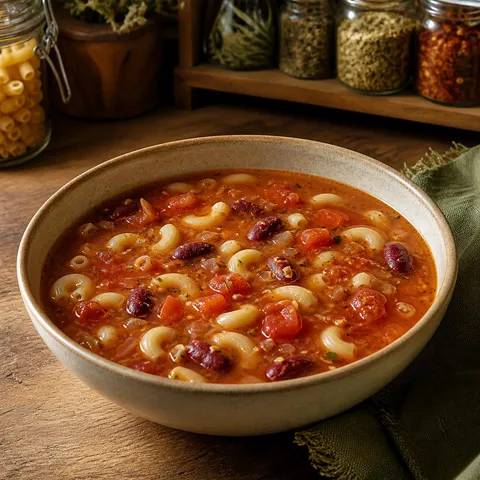 Pantry & Instant Lens Verified Images are for illustrative purposes only, may be inaccurate, and do not guarantee the presence or absence of specific ingredients.
 Pantry Minestrone
A steaming bowlful of canned tomatoes, white beans, pasta, and herbs simmered into a nourishing Italian soup that warms you from the first spoonful.
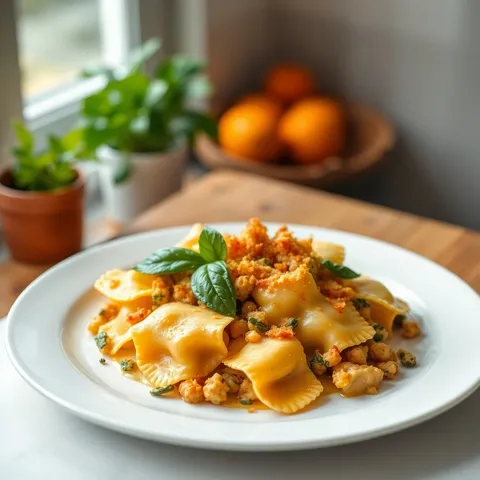 Pantry & Instant Lens Verified Images are for illustrative purposes only, may be inaccurate, and do not guarantee the presence or absence of specific ingredients.
 Canned Ravioli Bake
Pillowy canned ravioli layered with marinara and bubbling mozzarella, baked until golden — an easy weeknight upgrade that feels like a proper Italian dinner.
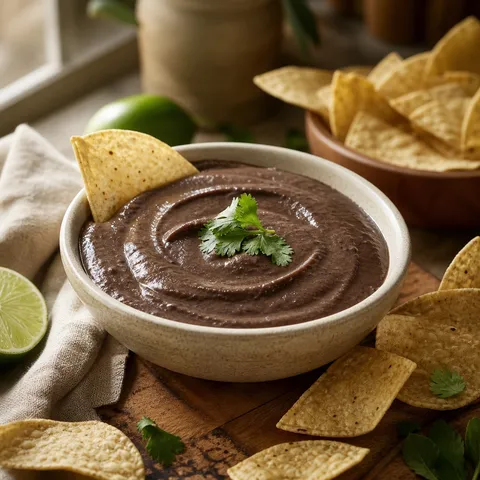 Pantry & Instant Lens Verified Images are for illustrative purposes only, may be inaccurate, and do not guarantee the presence or absence of specific ingredients.
 Black Bean Dip
Smooth, smoky black beans blended with cumin, lime, and a hint of jalapeño — scoopable, creamy, and satisfying enough to anchor a whole snack spread.