 Food Lens Images are for illustrative purposes only, may be inaccurate, and do not guarantee the presence or absence of specific ingredients.
 Food Lens · Pantry
Ramen
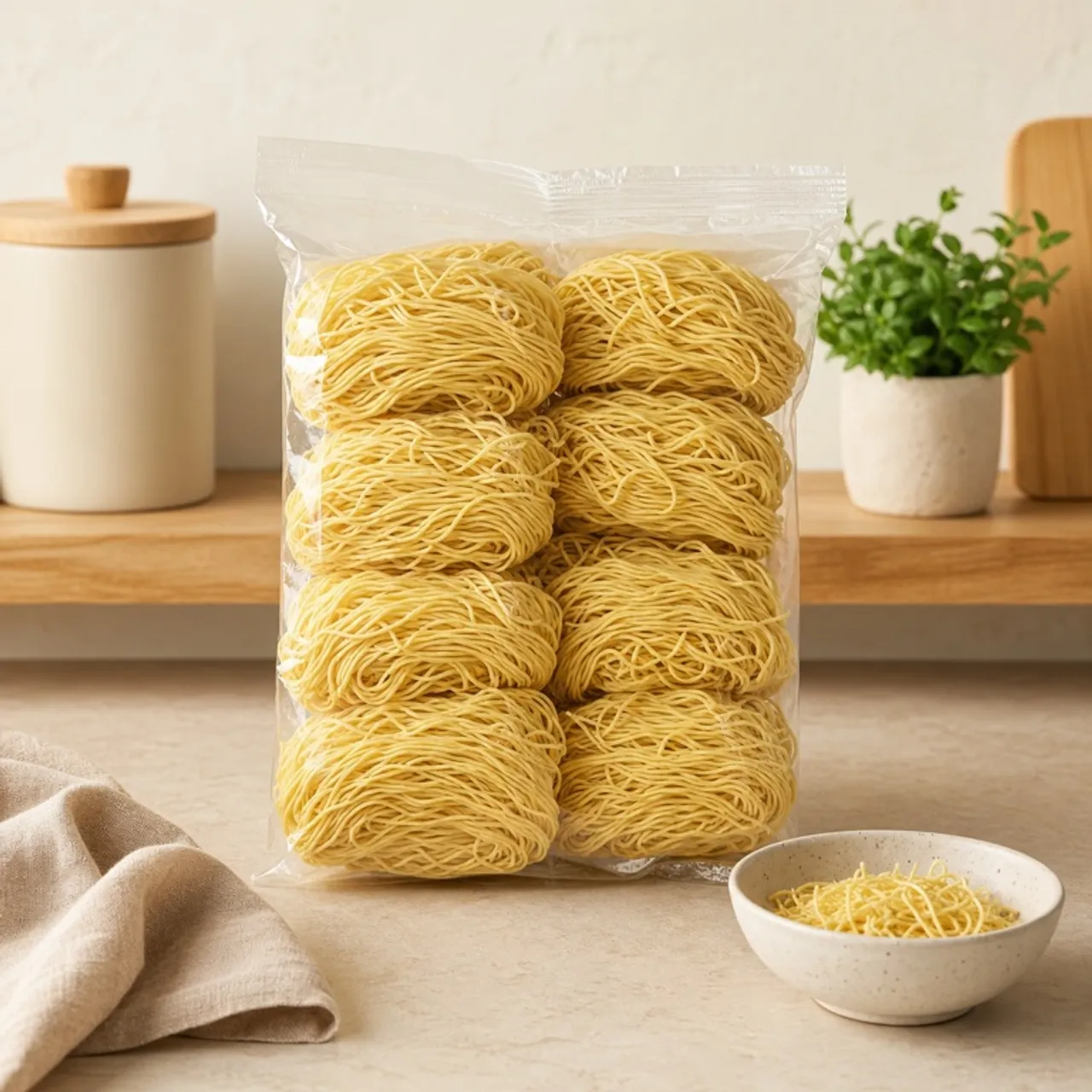
The noodle itself is springy, chewy, and slightly alkaline with a yellow color; the flavor of the complete dish depends entirely on the broth — from delicate and clear (shio) to intensely rich and milky (tonkotsu) to complex and fermented (miso).
Lens VerifiedRamen is both a Japanese wheat noodle and the name of the iconic noodle soup that's built around it — a dish of Chinese origin that Japan transformed into something entirely its own over the 20th century. The combination of a carefully constructed broth, springy alkaline noodles, and thoughtfully chosen toppings has made ramen one of the most obsessed-over and globally beloved dishes of modern times.
Where it comes from
A Chinese immigrant dish that Japan adopted, transformed, and made its own over a century — ramen is now so definitively Japanese that it has its own museums, its own pilgrimage routes, and its own vocabulary.
Varieties — The four major regional styles are shoyu (Tokyo-style soy sauce broth), shio (Hakodate-style salt broth, the lightest and most delicate), miso (Sapporo-style, hearty and nutty), and tonkotsu (Hakata/Fukuoka-style, creamy pork bone broth). Each city in Japan often has its own distinct variation.
Japan has dedicated ramen museums, ramen-only restaurants (called ramen-ya), and a culinary culture around ramen that approaches obsession. Regional ramen rivalries are taken seriously, and ramen masters spend decades perfecting single recipes. Instant ramen, meanwhile, is one of the best-selling food products in human history.
In a modern kitchen — Good instant ramen is a better base than most people realize — discard the seasoning packet, make a quick tare from soy sauce, mirin, and garlic, and serve with a soft-boiled egg and scallions.
Buying it
For fresh ramen noodles, look for them in the refrigerated section of Asian grocery stores — the noodles should be a yellow-tan color from the alkaline water (kansui) used in production. For dry ramen, Sun Noodle brand (if available) is the gold standard. Instant ramen ranges from workable (Shin Ramyun, Sapporo Ichiban) to extraordinary (Nissin Black, MyKuali).
Storing it
Store dry noodles and seasoning packets in a sealed bag or container in a cool, dry pantry. They stay fine well past printed dates but taste stale if exposed to air or moisture.
Keeps about 1 year in the pantry.
Out of ramen? Good swaps
- Fresh udon — Thicker and chewier; works in miso and shoyu broths when ramen noodles aren't available
- Spaghetti with a pinch of baking soda — Simmering spaghetti in baking soda water mimics the alkaline quality of ramen noodles — a home hack that genuinely works
General cooking guidance — always check the labels on the products you use. Listahan’s allergen checks run automatically when you plan a recipe in the app. Not medical advice.
Recipes that use ramen
Common questions about ramen
What can I use instead of ramen?
Good swaps include Fresh udon, Spaghetti with a pinch of baking soda. Each behaves a little differently — see the swaps above for notes, and always check labels for allergens.
How do I store ramen?
Store dry noodles and seasoning packets in a sealed bag or container in a cool, dry pantry. They stay fine well past printed dates but taste stale if exposed to air or moisture. It keeps about 1 year in the pantry.
More pantry
See all


Make ramen about your kitchen — with Listahan Pro
Everything above is free, forever. Pro adds the Household Lens — the same food, seen for your family:
-
Checked for each member
Flags ramen per person against your household's allergies and school rules — not just a generic "contains" tag.
-
Pantry-aware
Knows whether you already have it, what is running low, and the best swap from what is in your kitchen tonight.
-
What it costs near you
A real price from the Presyo community index, so you can plan the budget — not guess.
-
Your household memory
Who likes it, plus your own private notes — brand, where you keep it, who skips it.
Allergen safety is always free — Pro adds the automation, never the safety.
Cook with ramen — safely
Plan a recipe in Listahan and the household allergen check runs automatically — every plan, every swap, every lunchbox. Safety is never paywalled.