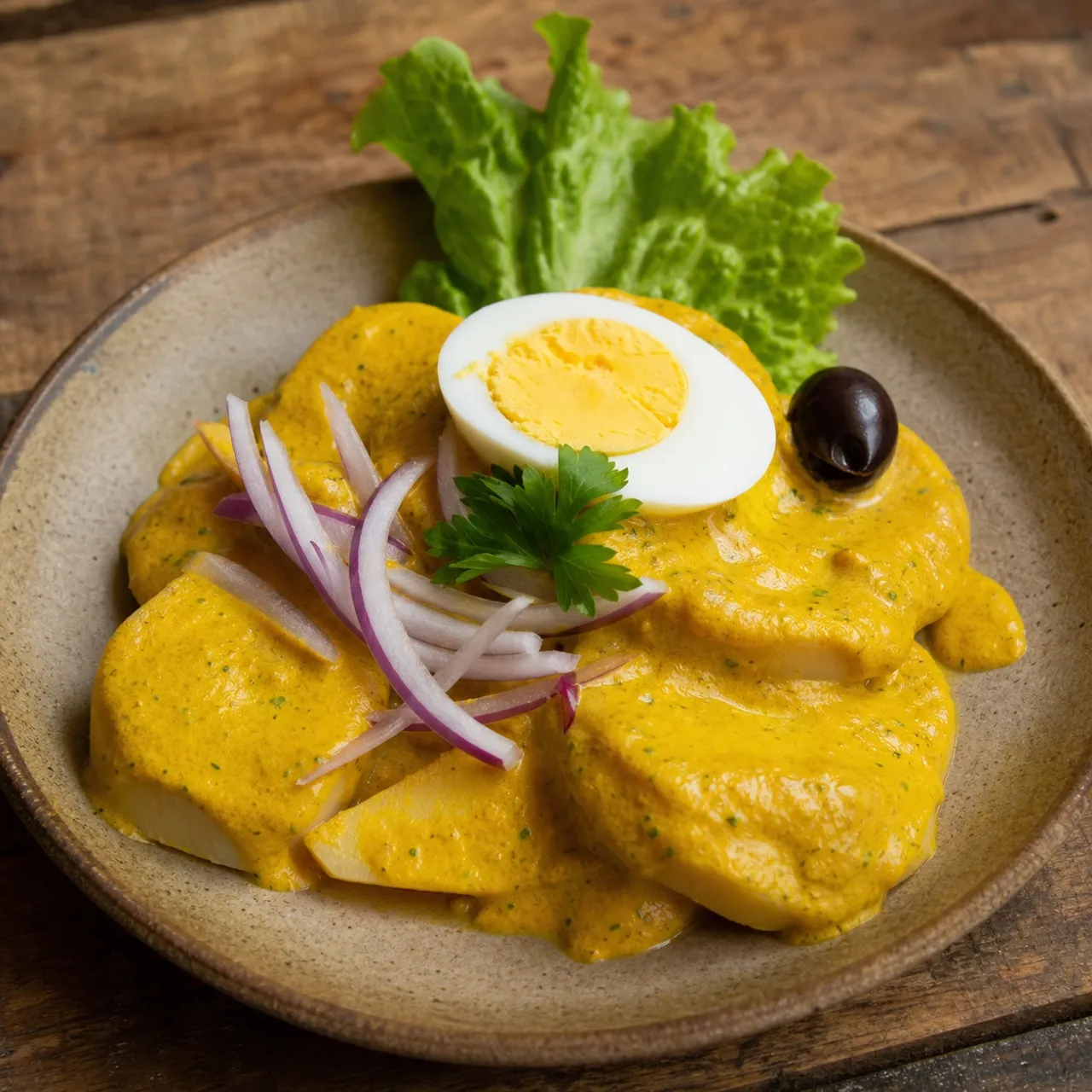
 Peruvian Images are for illustrative purposes only, may be inaccurate, and do not guarantee the presence or absence of specific ingredients.
 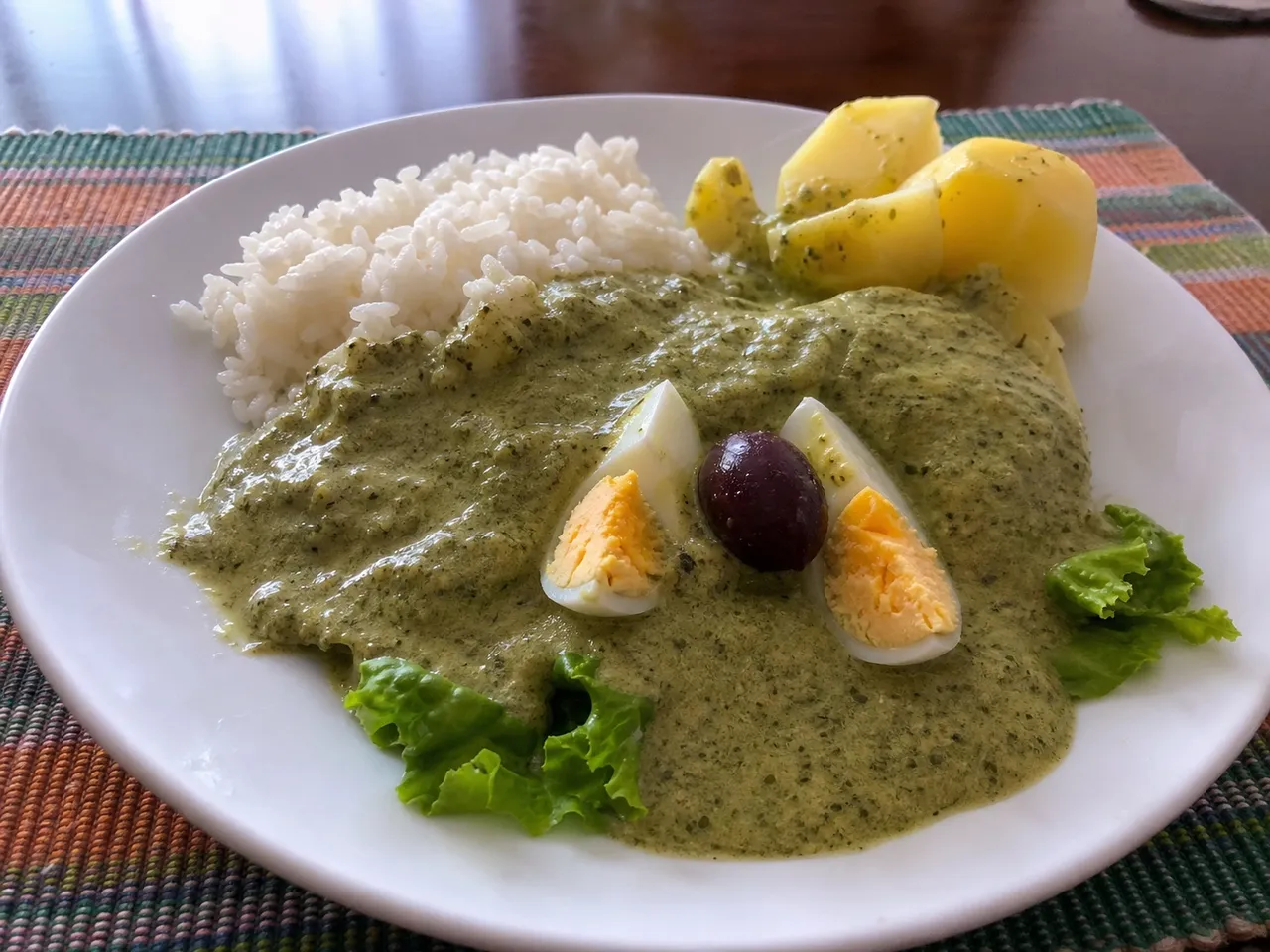 Serving Images are for illustrative purposes only, may be inaccurate, and do not guarantee the presence or absence of specific ingredients.
 Ocopa Arequipeña (Potatoes in Spicy Huacatay Sauce)
Boiled yellow potatoes smothered in a creamy, herbaceous sauce of huacatay, aji amarillo, and peanuts, a colorful Arequipa appetizer.
Contains common allergens
In the app, Listahan checks these against your household automatically.
Good to know
- Ready in under 30 minutes
Matched from this dish's own ingredients and timing. Browse more: 30-minute meals
Instructions
6 steps- 1
Sauté the onion and garlic in oil until softened, then let cool slightly.
- 2
Blend the sautéed onion and garlic with huacatay leaves, peanuts, aji amarillo paste, torn bread, evaporated milk, and queso fresco until smooth and creamy.
- 3
Season the sauce with salt to taste.
- 4
Slice the boiled potatoes and arrange on a serving platter.
- 5
Pour the ocopa sauce generously over the potatoes.
- 6
Garnish with hard-boiled egg slices and black olives before serving.
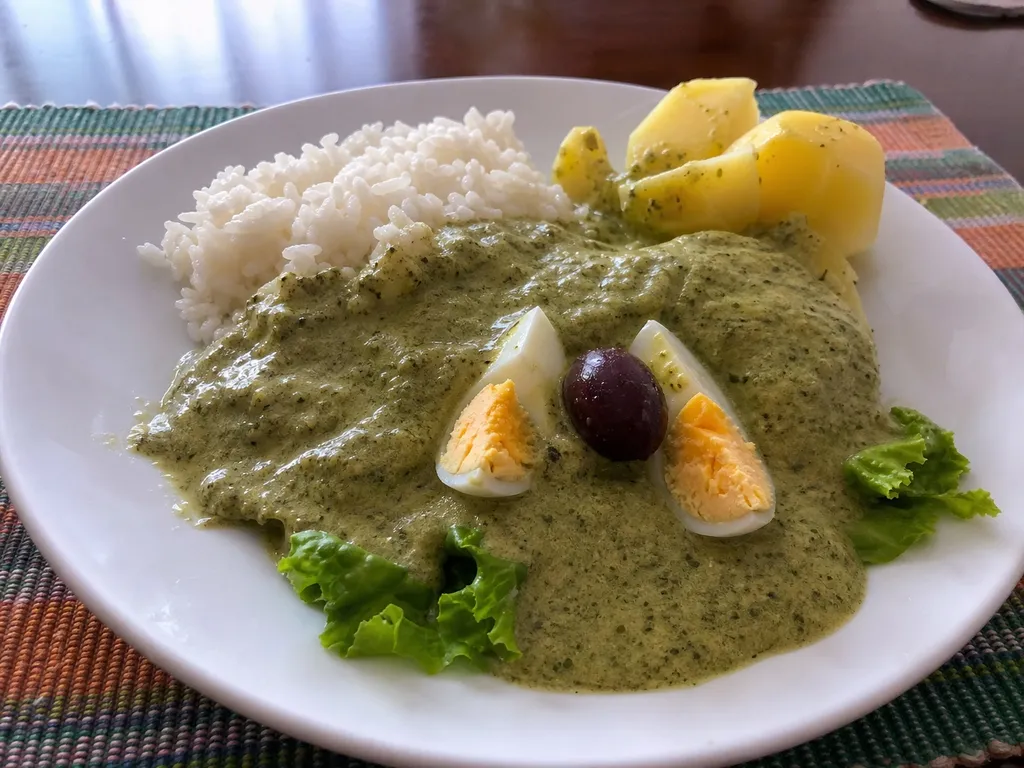 Images are for illustrative purposes only, may be inaccurate, and do not guarantee the presence or absence of specific ingredients.
 Listahan Family Score™
62/100
Works for many families
Score reflects how well this recipe fits a typical busy household. In the app, your Family Score is personalized to your household's allergens, kids, and pantry.
Nutrition
per serving405
Calories
12 g
Protein
56 g
Carbs
16 g
Fat
Estimated per serving. Actual values depend on the brands and portions you use.
Listahan cooking guide
Chef notes & practical guide
Technique notes, ingredient swaps, serve-alongside ideas, storage guidance, and equipment for this recipe.
Cultural context
Ocopa comes from Arequipa in southern Peru, where huacatay, a black mint-like herb unique to the Andes, defines the local cooking style the way basil defines Italian food. The dish predates causa as a way of dressing up boiled potatoes, adapted from colonial-era Spanish sauces once peanuts and bread were folded in to thicken it. It is often confused with the yellow, aji-forward huancaina sauce, but ocopa's green color and herbal depth come from huacatay, not just chile.
Listahan note
This version blends peanuts and torn bread into the sauce for body and creaminess while letting huacatay stay the dominant flavor, rather than letting the peanuts take over.
Technique cues
- Huacatay's aroma fades once blended and exposed to air, so blend the sauce close to serving time rather than making it far ahead, to keep it vividly herbal instead of muted.
- Sauteing the onion and garlic before blending them into the sauce deepens the savory base and keeps the finished sauce from tasting raw.
- The torn bread's job is purely textural, thickening the sauce to a coatable consistency without diluting the huacatay flavor the way adding more milk would.
Kitchen flow
- Parallel prep
- Boil the potatoes while sauteing the onion and garlic and gathering the sauce ingredients for the blender.
- Make-ahead
- Potatoes can be boiled and refrigerated a day ahead, but the sauce is best blended fresh close to serving.
- Leftover move
- Store the sauce separately and spoon it over freshly steamed potatoes rather than reheating potatoes already coated in sauce.
- Cleanup rhythm
- The blender is the main vessel to wash; rinse it right after blending before the peanut oil has a chance to set.
Ingredient brief
Role, handling, and swap guidance for each key ingredient.
huacatay (black mint) leaves
defining herb
Purpose: its licorice-tarragon-mint flavor is what separates ocopa from other Peruvian potato sauces and cannot be faked by mint alone
Handling: strip the leaves from the stems and discard the woody stems before blending
Adaptation: a mint and cilantro blend approximates the color and freshness but loses huacatay's anise-like depth; frozen huacatay paste from a Latin market is worth seeking out.
aji amarillo paste
background heat and color
Purpose: it gives the sauce its warm undertone and characteristic golden hue beneath the green herb
Handling: whisk the paste before measuring since it separates in the jar
Adaptation: a seeded fresh yellow chile pureed with a little oil gives fresher heat; canned aji amarillo works but tastes milder.
roasted peanuts
body and richness
Purpose: peanuts give ocopa its silky, nutty backbone and distinguish it from other potato sauces
Handling: use unsalted roasted peanuts so the final seasoning stays controllable
Adaptation: raw peanuts toasted dry in a skillet taste fresher; sunflower seed butter works for a nut-free version but changes the classic flavor.
queso fresco
dairy tang
Purpose: it adds a mild tang and creaminess that rounds out the peanuts and huacatay
Handling: crumble it before blending so it incorporates smoothly into the sauce
Adaptation: farmer's cheese or a mild feta rinsed under water both work as a substitute.
evaporated milk
creamy base
Purpose: it thins the sauce to a pourable consistency while adding richness
Handling: shake the can well before opening to recombine the milk solids
Adaptation: unsweetened oat milk works for a dairy-free version, though the sauce will be thinner and less rich.
yellow potatoes
the canvas
Purpose: Peru's waxy yellow potatoes hold their shape and have a naturally buttery flavor that pairs with the sauce
Handling: boil whole with the skins on so they don't waterlog, then peel while still warm
Adaptation: Yukon Gold potatoes are the closest widely available substitute.
Technique notes
- Straining the blended sauce through a coarse strainer catches fibrous huacatay stems for a silkier texture, though it is optional for a more rustic result.
- Serve the potatoes warm and the sauce cool, the traditional contrast, rather than heating the sauce or serving everything hot.
- If the sauce seizes up and looks too thick after refrigeration, loosen it with a spoonful of extra evaporated milk before serving.
Ingredient swaps
- Nut-free direction
- Swap the peanuts for toasted pumpkin seeds or sunflower seed butter; the sauce loses some richness but keeps its color and heat.
- Dairy-free option
- Use unsweetened oat milk in place of the evaporated milk and swap the queso fresco for a spoonful of cashew cream.
- Milder heat
- Use half the aji amarillo paste and add a pinch of smoked paprika for color without the same level of spice.
Serve alongside
- Peruvian salsa criolla
- boiled corn on the cob
- causa limeña
- white rice
- chicha morada (purple corn drink)
- a Peruvian pisco sour
- sparkling water with lime
Serving suggestions only — check pairings for your household's allergens.
Storage & reheating
- Sauce keeps in an airtight container in the fridge for up to 3 days.
- Serve chilled or at room temperature rather than reheating, which can dull the huacatay flavor.
- Freezing is not recommended, since the dairy and bread base separates on thawing.
Equipment
- blender
- medium saucepan for boiling potatoes
- fine-mesh strainer
- skillet for sauteing onion and garlic
Make this household-aware
Listahan Pro checks this recipe against your household's allergens, finds pantry-aware swaps, builds the shopping list, and helps you plan the week around it.
Plan it in Listahan
Add Ocopa Arequipeña (Potatoes in Spicy Huacatay Sauce) to your week, check it against your household's allergens, and build the shopping list automatically.
More Peruvian recipes
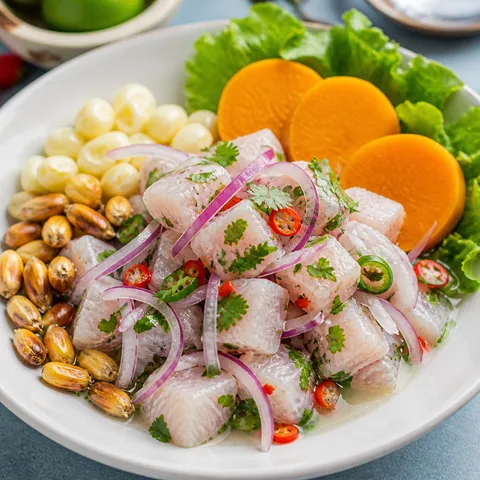 Peruvian Lens Verified Images are for illustrative purposes only, may be inaccurate, and do not guarantee the presence or absence of specific ingredients.
 Ceviche de Pescado
The iconic dish of Peru—exquisitely fresh, raw white fish "cooked" purely by the acidity of freshly squeezed lime juice, infused with chili heat and red onion bite.
 Peruvian Lens Verified Images are for illustrative purposes only, may be inaccurate, and do not guarantee the presence or absence of specific ingredients.
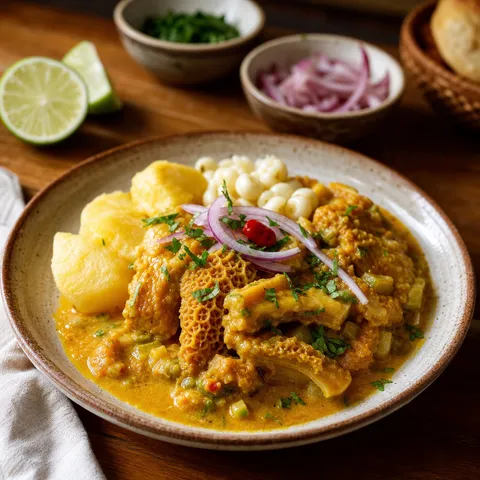
 Cau Cau (Peruvian Tripe Stew)
A hearty yellow stew of tender beef tripe and potatoes simmered in aji amarillo and mint, spooned over rice for a classic home-style meal.
 Peruvian Lens Verified Images are for illustrative purposes only, may be inaccurate, and do not guarantee the presence or absence of specific ingredients.
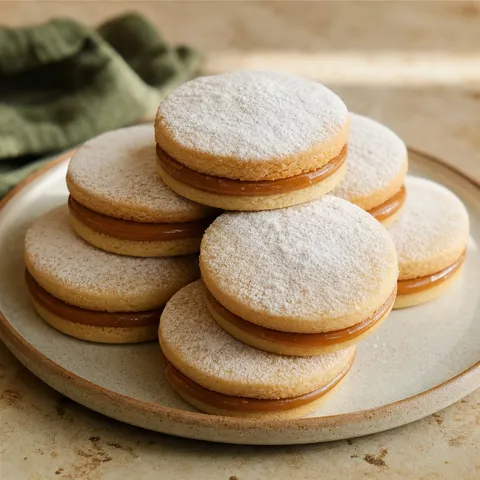
 Alfajores (Peruvian Dulce de Leche Sandwich Cookies)
Delicate, crumbly shortbread cookies sandwiched with rich dulce de leche and dusted with powdered sugar, a favorite Peruvian teatime treat.