 Vegetables & Sides Images are for illustrative purposes only, may be inaccurate, and do not guarantee the presence or absence of specific ingredients.
  Serving Images are for illustrative purposes only, may be inaccurate, and do not guarantee the presence or absence of specific ingredients.
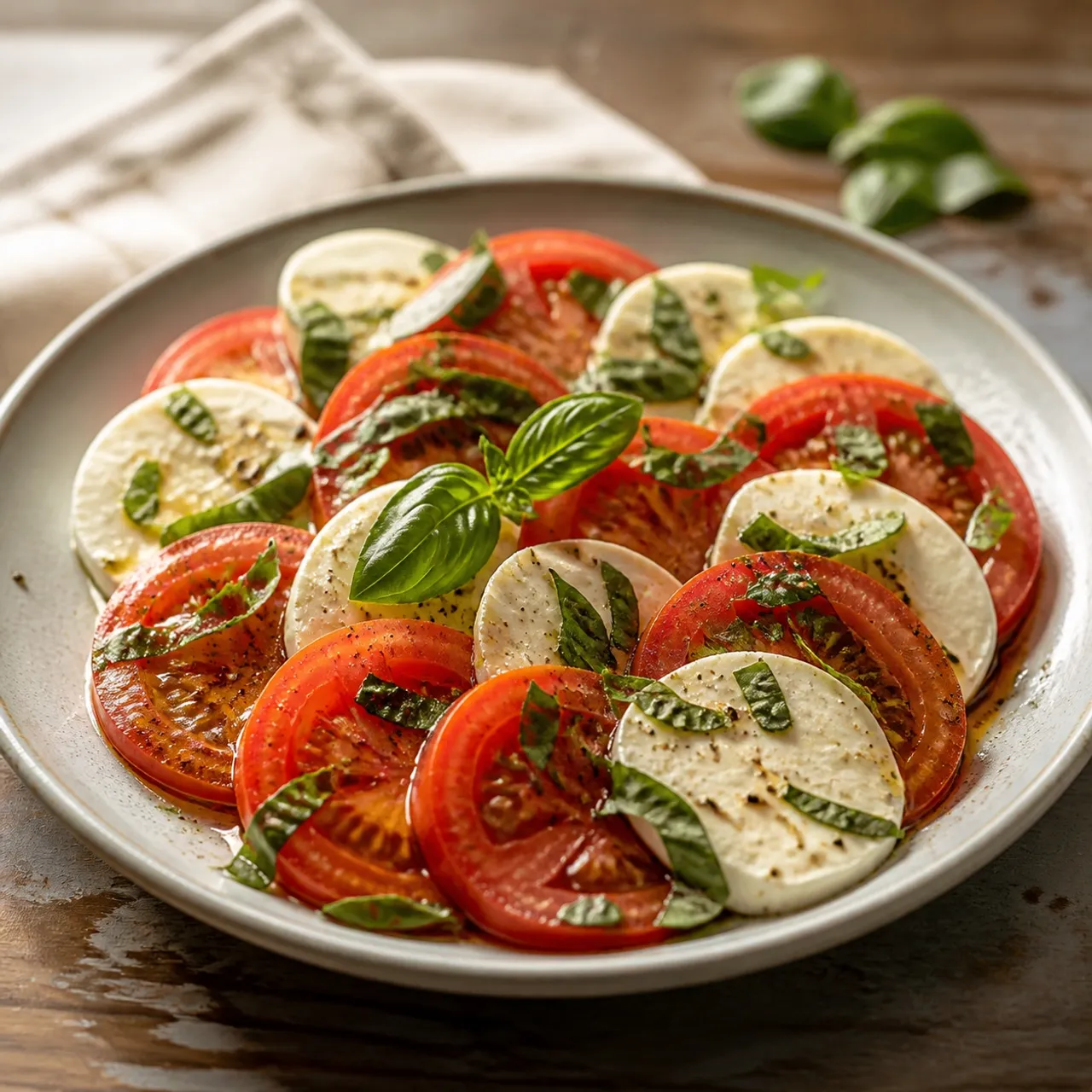
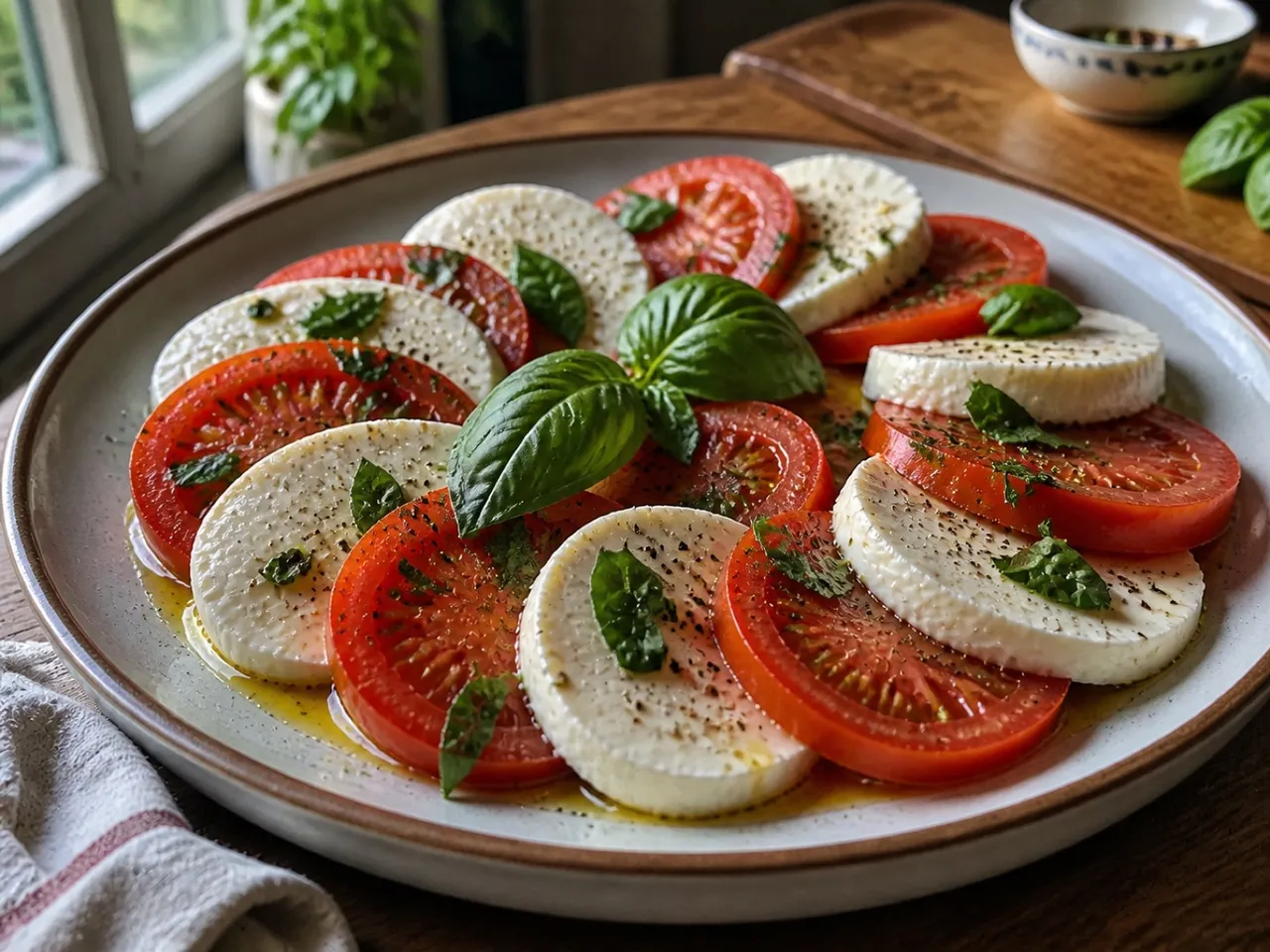
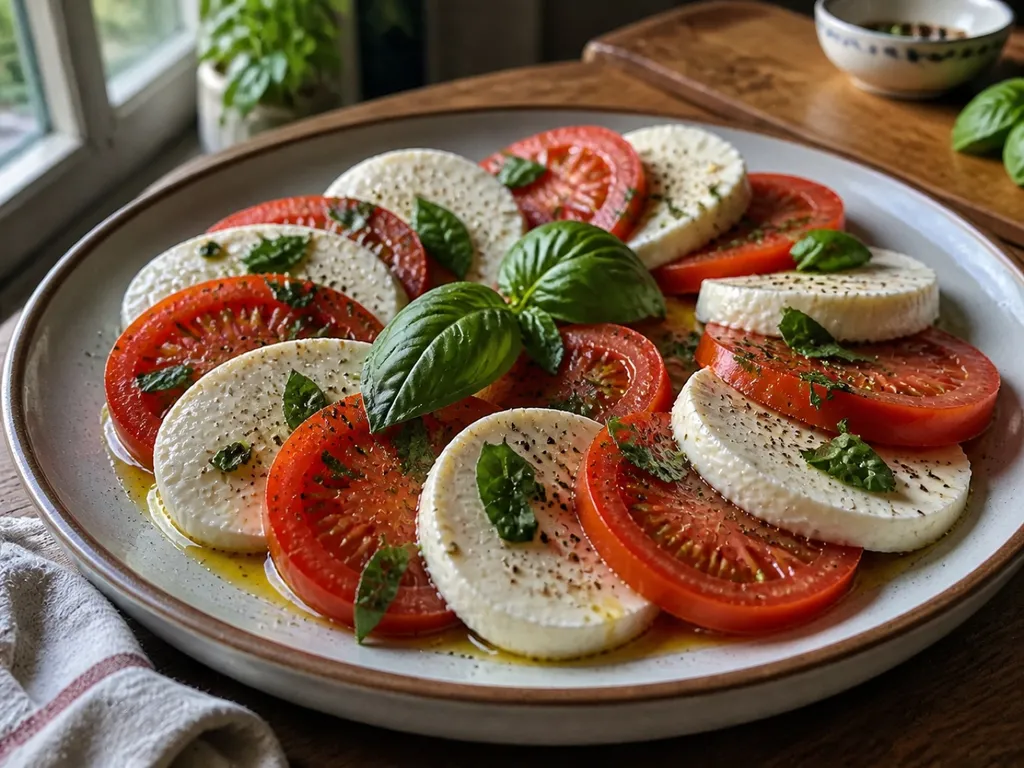
 Caprese
A fresh Italian salad of ripe tomatoes, mozzarella, and basil drizzled with olive oil and vinegar.
Contains common allergens
In the app, Listahan checks these against your household automatically.
Good to know
- Ready in under 30 minutes
Matched from this dish's own ingredients and timing. Browse more: 30-minute meals
Instructions
5 steps- 1
Slice the tomatoes into thick rounds, about 1/4 inch each, and season them lightly with salt and pepper.
- 2
Slice the fresh mozzarella into similarly thick rounds.
- 3
Arrange the tomato and mozzarella slices on a serving platter, alternating and overlapping them slightly.
- 4
Drizzle the olive oil evenly over everything, followed by the red wine vinegar, then scatter the chopped basil on top.
- 5
Let the platter sit at room temperature for a few minutes up to an hour so the flavors meld, then serve as an appetizer.
 Images are for illustrative purposes only, may be inaccurate, and do not guarantee the presence or absence of specific ingredients.
 Listahan Family Score™
81/100
Good fit for most families
Score reflects how well this recipe fits a typical busy household. In the app, your Family Score is personalized to your household's allergens, kids, and pantry.
Nutrition
per serving280
Calories
13 g
Protein
5 g
Carbs
23 g
Fat
Estimated per serving. Actual values depend on the brands and portions you use.
Listahan cooking guide
Chef notes & practical guide
Technique notes, ingredient swaps, serve-alongside ideas, storage guidance, and equipment for this recipe.
Cultural context
Insalata Caprese takes its name from the island of Capri in southern Italy, where it emerged in the early twentieth century as a light, patriotic plate echoing the red, white, and green of the Italian flag. It is a study in restraint: ripe tomato, fresh mozzarella, and basil, dressed with nothing more than good olive oil and salt. Its reputation rests entirely on the quality of three or four ingredients, which is exactly what makes it both simple and unforgiving.
Listahan note
This version treats the salad as a layered composition rather than a tossed bowl, seasoning the tomato separately so its juices stay bright instead of bleeding into the cheese.
Technique cues
- Salt the tomato slices a few minutes before plating and let them sit; the salt draws out flavor and the released juice becomes part of the dressing.
- Bring the mozzarella to room temperature before serving, because cold milk fat tastes flat and rubbery while warm cheese turns soft and creamy.
- Add the basil and oil at the very last moment, since basil bruises and darkens quickly once it meets salt and acid.
Kitchen flow
- Parallel prep
- Slice the tomatoes and salt them while the mozzarella comes up to room temperature on the counter.
- Make-ahead
- Slice the cheese and tomatoes up to an hour ahead, but hold the basil, oil, and salt until just before serving.
- Leftover move
- Pile any leftovers onto toasted bread with a brush of garlic for an instant bruschetta the next day.
- Cleanup rhythm
- There is almost nothing to wash, so wipe the cutting board and rinse the knife while the plate sits to taste-meld.
Ingredient brief
Role, handling, and swap guidance for each key ingredient.
fresh mozzarella
creamy centerpiece
Purpose: Soft, milky mozzarella is the textural heart of the dish and the foil to the acidic tomato.
Handling: Slice it thick and pat dry, then let it warm on the counter for fifteen minutes.
Adaptation: Burrata makes a richer, more luxurious version; a firm vegan mozzarella works for dairy-free.
ripe tomatoes
juicy acidic base
Purpose: The tomato carries the brightness and sweetness that the whole plate is built around.
Handling: Use the ripest tomatoes you can find, slice evenly, and salt ahead of plating.
Adaptation: Halved cherry or heirloom tomatoes work beautifully when large slicers are out of season.
fresh basil
aromatic lift
Purpose: Basil supplies the peppery, herbal note that ties cheese and tomato together.
Handling: Tear leaves by hand rather than cutting, which keeps the edges from blackening.
Adaptation: Fresh mint or a basil-leaning pesto drizzle can stand in if basil is unavailable.
extra-virgin olive oil
dressing and richness
Purpose: A good fruity olive oil is effectively half the seasoning in a dish this spare.
Handling: Drizzle it over only at the end so it stays glossy rather than soaking in.
Adaptation: A high-quality avocado oil is a milder alternative, though it lacks the peppery finish.
flaky sea salt
essential seasoning
Purpose: Crunchy salt sprinkled at the end wakes up the tomato and provides texture against the soft cheese.
Handling: Sprinkle from a height so the flakes land evenly across the plate.
Adaptation: Kosher salt works in the same role, just with less of the finishing crunch.
Technique notes
- Resist the urge to refrigerate the finished plate; the salad is meant to be eaten at room temperature where the flavors are fullest.
- If you add a balsamic reduction, drizzle it sparingly and to the side so it does not overpower the delicate mozzarella.
- Pat both the tomato and the cheese dry before plating to avoid a watery puddle that dilutes the olive oil.
Ingredient swaps
- Dairy-free option
- Use a soft almond- or cashew-based mozzarella and add a few extra olives for savory depth.
- Lower-sodium direction
- Skip the finishing salt and lean on a splash of balsamic and extra basil for brightness instead.
- Heartier direction
- Build it into a Caprese sandwich on ciabatta with a smear of pesto for a full lunch.
Serve alongside
- Garlic bruschetta with white beans
- Grilled marinated zucchini
- Prosciutto and melon
- Toasted ciabatta with olive oil
- A chilled Italian Pinot Grigio
- Sparkling water with lemon
- A light Chianti
Serving suggestions only — check pairings for your household's allergens.
Storage & reheating
- Caprese is best eaten the day it is made and does not store well once dressed.
- If you must hold it, keep undressed components separate in the fridge for up to a day and assemble fresh.
- Do not freeze, as both the tomato and the fresh mozzarella turn watery and grainy when thawed.
Equipment
- A sharp serrated knife for clean tomato slices
- A wide serving platter
- A cutting board
- A small spoon for drizzling oil
Make this household-aware
Listahan Pro checks this recipe against your household's allergens, finds pantry-aware swaps, builds the shopping list, and helps you plan the week around it.
Plan it in Listahan
Add Caprese to your week, check it against your household's allergens, and build the shopping list automatically.
More Vegetables & Sides recipes
 Vegetables & Sides Lens Verified Images are for illustrative purposes only, may be inaccurate, and do not guarantee the presence or absence of specific ingredients.
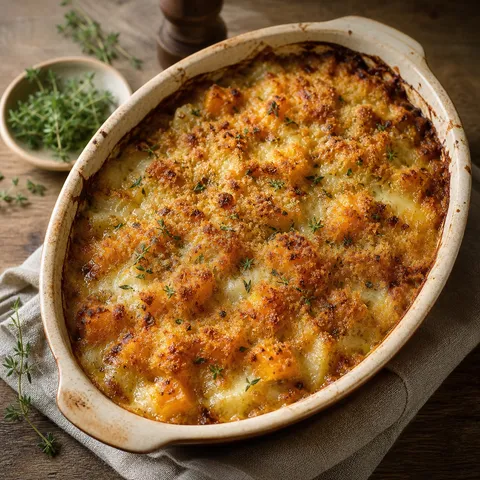
 Acorn, Butternut Squash and Parsnips Gratin
A cozy autumn gratin of roasted winter squash and parsnips topped with melted sharp cheddar and herbed breadcrumbs.
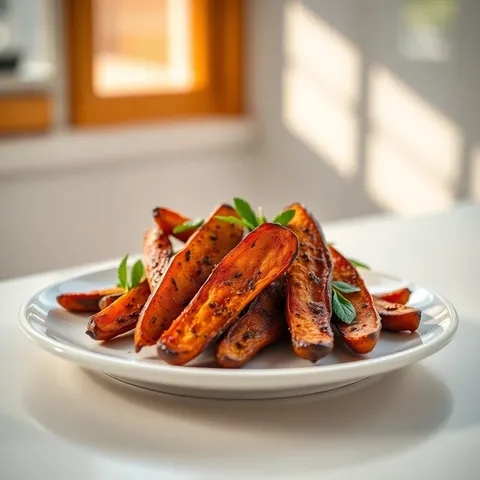 Vegetables & Sides Lens Verified Images are for illustrative purposes only, may be inaccurate, and do not guarantee the presence or absence of specific ingredients.
 Roasted Sweet Potato Wedges
Caramelized, crispy-edged sweet potato wedges seasoned with smoked paprika and a hint of brown sugar.
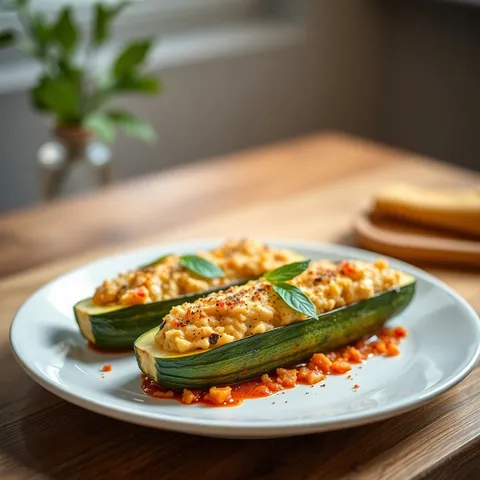 Vegetables & Sides Lens Verified Images are for illustrative purposes only, may be inaccurate, and do not guarantee the presence or absence of specific ingredients.
 Stuffed Zucchini
Zucchini boats filled with a savory cream cheese, mushroom, and Parmesan stuffing, baked until golden.