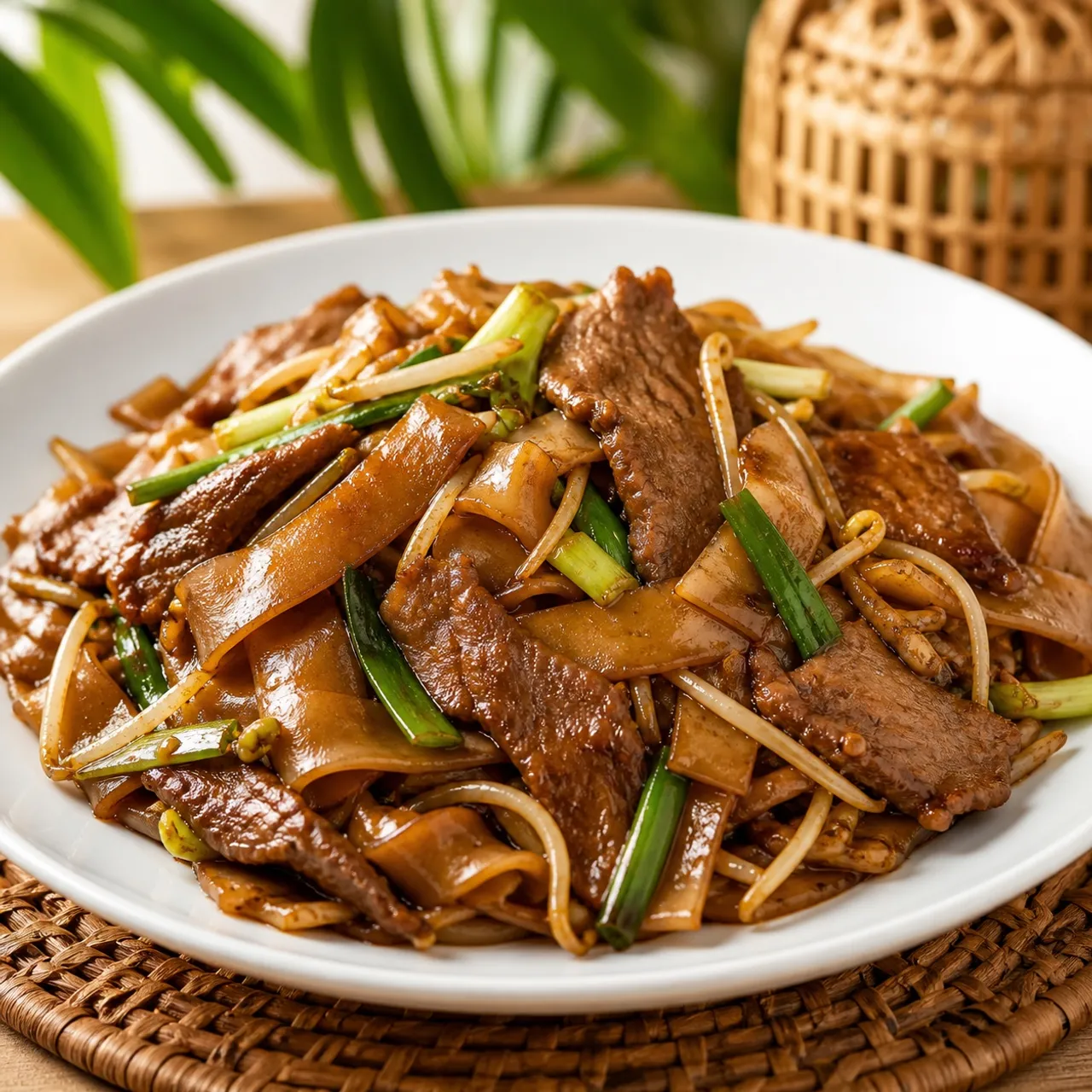
 Chinese Images are for illustrative purposes only, may be inaccurate, and do not guarantee the presence or absence of specific ingredients.
 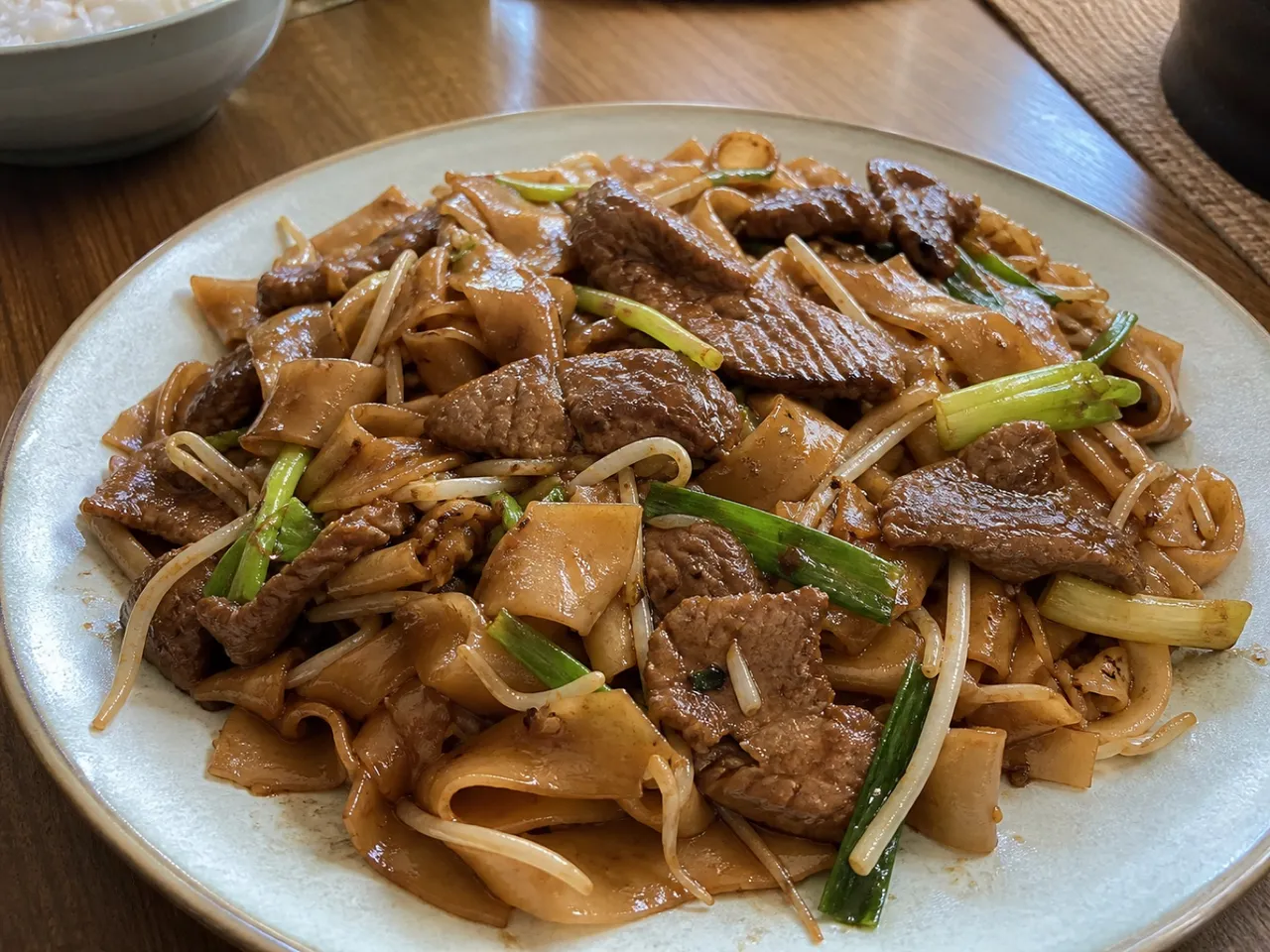 Serving Images are for illustrative purposes only, may be inaccurate, and do not guarantee the presence or absence of specific ingredients.
 Beef Chow Fun
A Cantonese dish made with stir-fried beef, wide rice noodles, and bean sprouts.
Contains common allergens
In the app, Listahan checks these against your household automatically.
Good to know
- Ready in under 30 minutes
Matched from this dish's own ingredients and timing. Browse more: 30-minute meals
Instructions
6 steps- 1
Marinate the Beef: Toss the sliced beef with 1 tbsp light soy sauce, Shaoxing wine, and cornstarch. Let it sit for 15 minutes.
- 2
Prep the Noodles: Gently separate the fresh rice noodles by hand so they don't stick together in the wok. If they are cold and stiff, microwave them for 30 seconds to soften.
- 3
Make the Sauce: In a small bowl, combine the remaining 1 tbsp light soy sauce, dark soy sauce, and sugar.
- 4
Sear the Beef: Heat a wok over very high heat with 1 tbsp oil. Sear the beef quickly for 1-2 minutes until browned on the outside but still tender. Remove from the wok.
- 5
Stir-Fry Noodles: Wipe the wok clean, add 2 tbsp of oil, and heat until smoking. Add the noodles. Let them sit untouched for 30 seconds to get a slight char, then toss.
- 6
Finish the Dish: Add the bean sprouts, scallions, cooked beef, and pour the sauce over everything. Toss vigorously for 1-2 minutes over high heat until the noodles are evenly colored, the sprouts are tender-crisp, and the dish has a smoky aroma (wok hei).
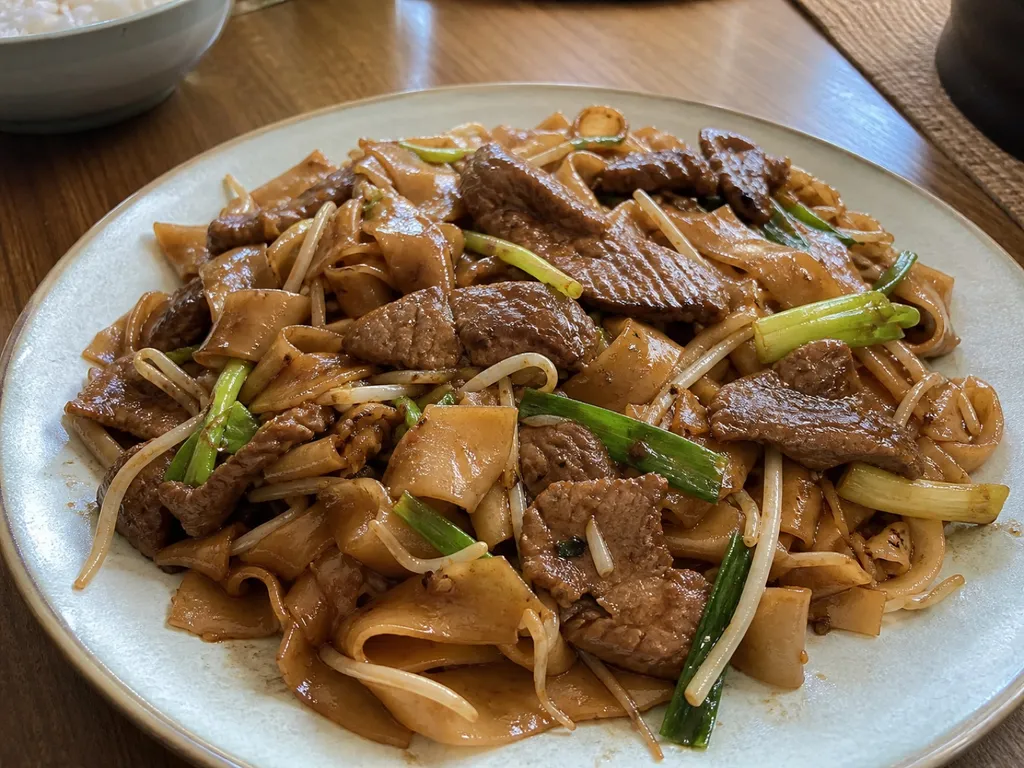 Images are for illustrative purposes only, may be inaccurate, and do not guarantee the presence or absence of specific ingredients.
 Listahan Family Score™
76/100
Good fit for most families
Score reflects how well this recipe fits a typical busy household. In the app, your Family Score is personalized to your household's allergens, kids, and pantry.
Nutrition
per serving605
Calories
21 g
Protein
99 g
Carbs
12 g
Fat
Estimated per serving. Actual values depend on the brands and portions you use.
Listahan cooking guide
Chef notes & practical guide
Technique notes, ingredient swaps, serve-alongside ideas, storage guidance, and equipment for this recipe.
Cultural context
Beef chow fun (gan chao niu he) is a Cantonese classic that originated in Guangzhou and became a signature dish of Cantonese cuisine both in China and across the global diaspora. The dish is built around ho fun, wide fresh rice noodles named after the city of Shahe, which are notoriously delicate -- they must be handled gently in the wok or they tear and clump. In Cantonese cooking, mastery of beef chow fun is considered a test of wok skill because the high heat required to achieve wok hei (the smoky breath of a well-seasoned wok) must be maintained without breaking the fragile noodles.
Listahan note
This version handles the fresh rice noodles in two stages -- loosening them in hot water before they go into the wok, then tossing minimally with a wide spatula to preserve their ribbon shape throughout.
Technique cues
- Fresh ho fun noodles clump together in their packaging; separate them by submerging in hot (not boiling) water for 60 seconds, which loosens the starch bonds without cooking them further.
- Achieving wok hei at home requires maximum burner heat and a dry, very hot wok before any oil goes in -- tilt and rotate the wok to coat the sides with oil rather than pouring it in all at once, which lowers the surface temperature.
- Toss the noodles no more than 3 to 4 times total; excessive stirring tears the noodles into fragments. Fold over rather than stir, using the flat of the spatula as a scoop rather than an agitator.
Kitchen flow
- Parallel prep
- Have all components ready at the wok side before you turn on the burner -- this dish cooks in under 5 minutes total and there is no time to prep mid-cook.
- Make-ahead
- Velvet the beef up to 4 hours ahead; the noodles must be freshly loosened and used same-day as they harden after soaking if left for more than an hour.
- Leftover move
- Reheat leftovers in a hot wok with a splash of water; the noodles soften acceptably and the flavor actually deepens overnight.
- Cleanup rhythm
- Rinse the wok immediately with boiling water; fresh rice noodle starch is the stickiest residue in Chinese cooking and sets hard if it cools.
Ingredient brief
Role, handling, and swap guidance for each key ingredient.
fresh ho fun noodles
primary starchy base
Purpose: Wide, silky fresh rice noodles absorb the sauce while maintaining a distinct ribbon texture that no dried noodle can replicate.
Handling: Separate by soaking briefly in hot water; pat dry before wok entry or excess moisture will steam-cook the beef.
Adaptation: Dried flat rice noodles (soaked until pliable) produce a firmer, less silky result; fresh pad thai noodles are the closest available substitute in most cities.
flank steak
primary protein
Purpose: Flank steak sliced against the grain and velveted provides the tender strips that absorb the dark soy marinade without becoming chewy under high wok heat.
Handling: Slice across the grain on a bias into thin strips; velvet in baking soda, oyster sauce, and cornstarch for 15 minutes and rinse before cooking.
Adaptation: Skirt steak or flat iron both slice and velvet similarly.
dark soy sauce
color and deep seasoning
Purpose: Dark soy sauce provides the mahogany color that identifies authentic chow fun and adds a caramelized depth that regular soy sauce does not.
Handling: Use in combination with regular soy sauce -- dark soy alone is too intense and salty.
Adaptation: A mix of regular soy sauce with a small amount of molasses approximates dark soy at a ratio of 4:1.
bean sprouts
textural counterpoint and freshness
Purpose: Bean sprouts added at the last 30 seconds retain their water-fresh crunch against the soft noodles.
Handling: Rinse and drain well; have them ready at the wok since they go in only for the final toss.
Adaptation: Thinly sliced cabbage wilted briefly provides a similar crunch with a slightly different flavor.
scallions
aromatic finish
Purpose: Green scallion pieces added at the end wilt just enough to soften their sharpness while still providing a fresh onion note.
Handling: Cut into 2-inch batons; keep separate from the white portions, which go in earlier with the aromatics.
Adaptation: Garlic chives give a slightly more pungent, less sweet finish that is equally traditional.
Technique notes
- This is the dish where wok temperature matters more than any other -- if your home burner is weak, use the smallest batch size possible (one serving) to maintain temperature through the whole cook.
- Let the noodles sit in the wok untouched for 30 seconds after adding to allow the base to caramelize slightly before the first toss -- this adds a very faint char note that mimics restaurant wok hei.
- Season with a final few drops of dark soy sauce after tossing and before plating, which adds glossy color that was partially absorbed into the noodles during cooking.
Ingredient swaps
- Gluten-free direction
- Use tamari in place of all soy sauces and confirm that the fresh rice noodles are wheat-free (most are, but some brands add wheat starch).
- Vegetarian direction
- Replace beef with king oyster mushroom strips sliced thick and velveted similarly; the mushrooms blister attractively in a hot wok and absorb dark soy beautifully.
Serve alongside
- wonton soup
- Chinese broccoli with oyster sauce
- turnip cake with XO sauce
- pu-erh tea
- Tsingtao lager
Serving suggestions only — check pairings for your household's allergens.
Storage & reheating
- Refrigerate for up to 2 days; fresh rice noodles harden overnight and the texture shifts significantly. Reheat in a hot wok with a small amount of water and oil, tossing briefly.
- This dish does not freeze well -- the fresh rice noodles become brittle and break apart after freezing and thawing.
Equipment
- carbon steel wok (preferred over cast iron for this dish -- lighter for tossing)
- wok spatula with wide flat blade
- large colander for noodle soaking
- spider strainer
Make this household-aware
Listahan Pro checks this recipe against your household's allergens, finds pantry-aware swaps, builds the shopping list, and helps you plan the week around it.
Plan it in Listahan
Add Beef Chow Fun to your week, check it against your household's allergens, and build the shopping list automatically.
More Chinese recipes
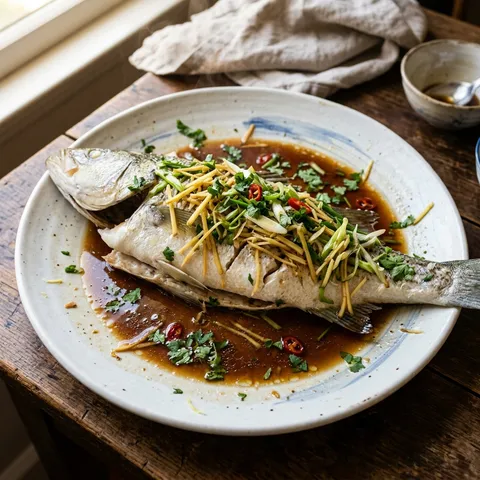 Chinese Lens Verified Images are for illustrative purposes only, may be inaccurate, and do not guarantee the presence or absence of specific ingredients.
 Steamed Fish with Soy and Ginger
A traditional banquet dish featuring delicately steamed whole fish with hot oil poured over aromatics.
 Chinese Lens Verified Images are for illustrative purposes only, may be inaccurate, and do not guarantee the presence or absence of specific ingredients.
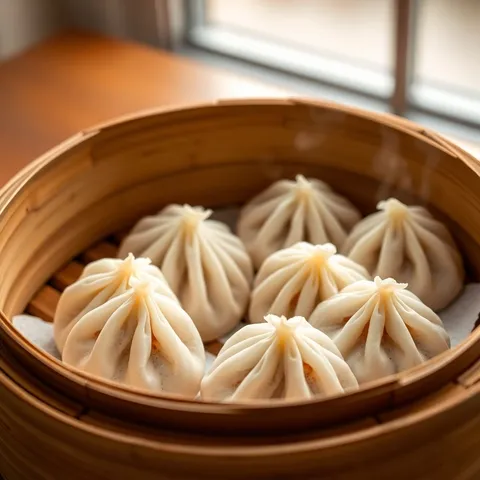
 Xiao Long Bao (Soup Dumplings)
Delicate steamed buns filled with pork and a rich, savory soup.
 Chinese Lens Verified Images are for illustrative purposes only, may be inaccurate, and do not guarantee the presence or absence of specific ingredients.
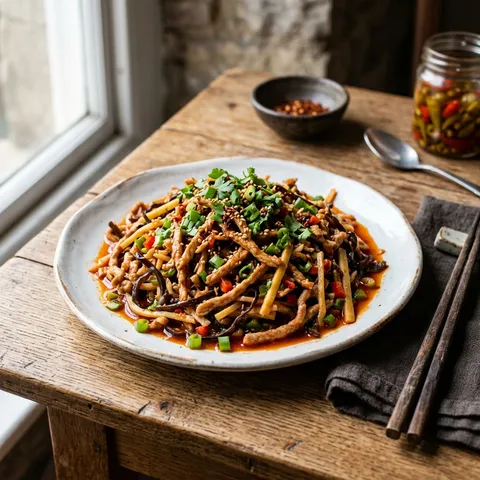
 Yuxiang Rou Si (Fish-Fragrant Pork Shreds)
A classic Sichuan dish that uses "fish-fragrant" seasoning (sweet, sour, and spicy) on pork shreds, containing no actual fish.