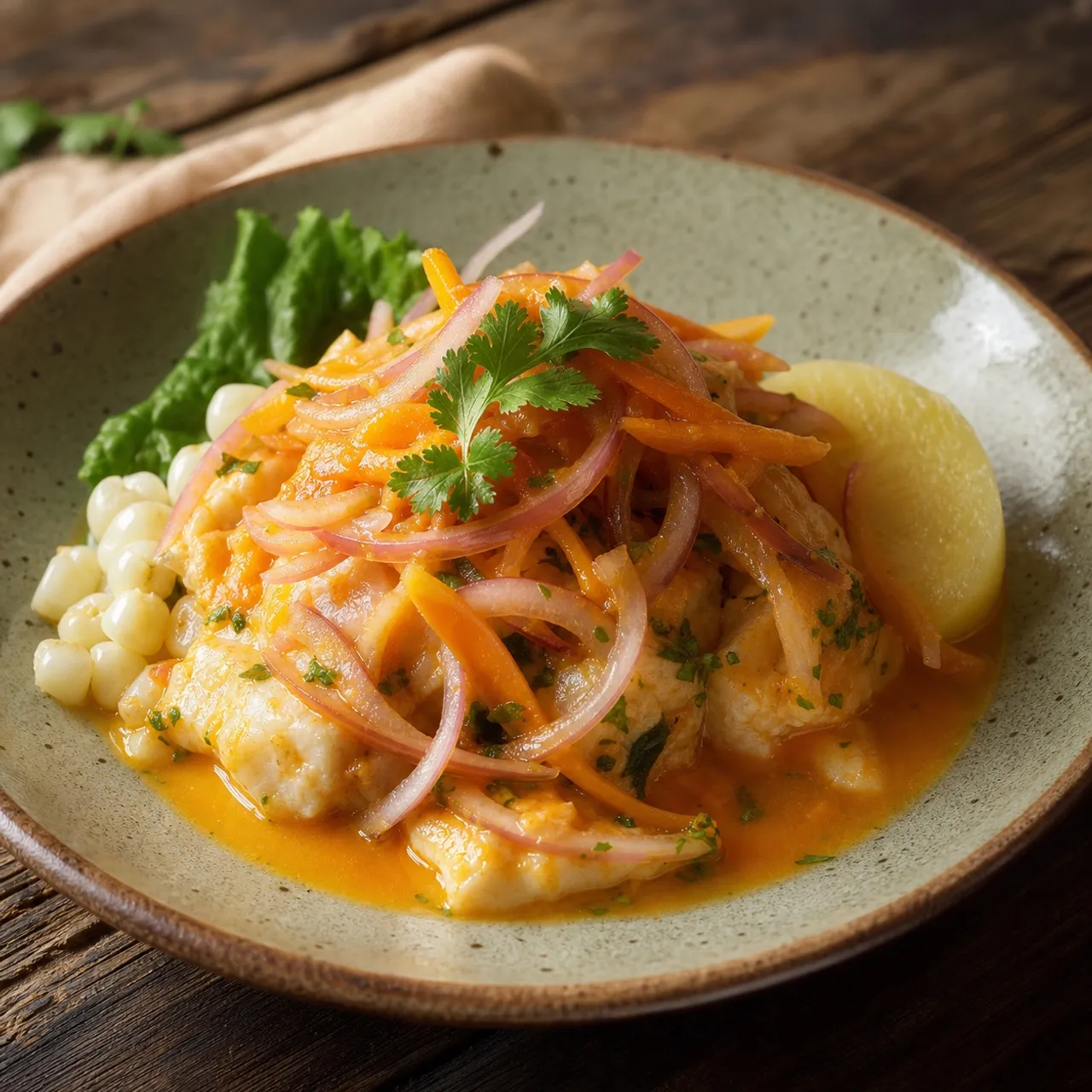
 Peruvian Images are for illustrative purposes only, may be inaccurate, and do not guarantee the presence or absence of specific ingredients.
 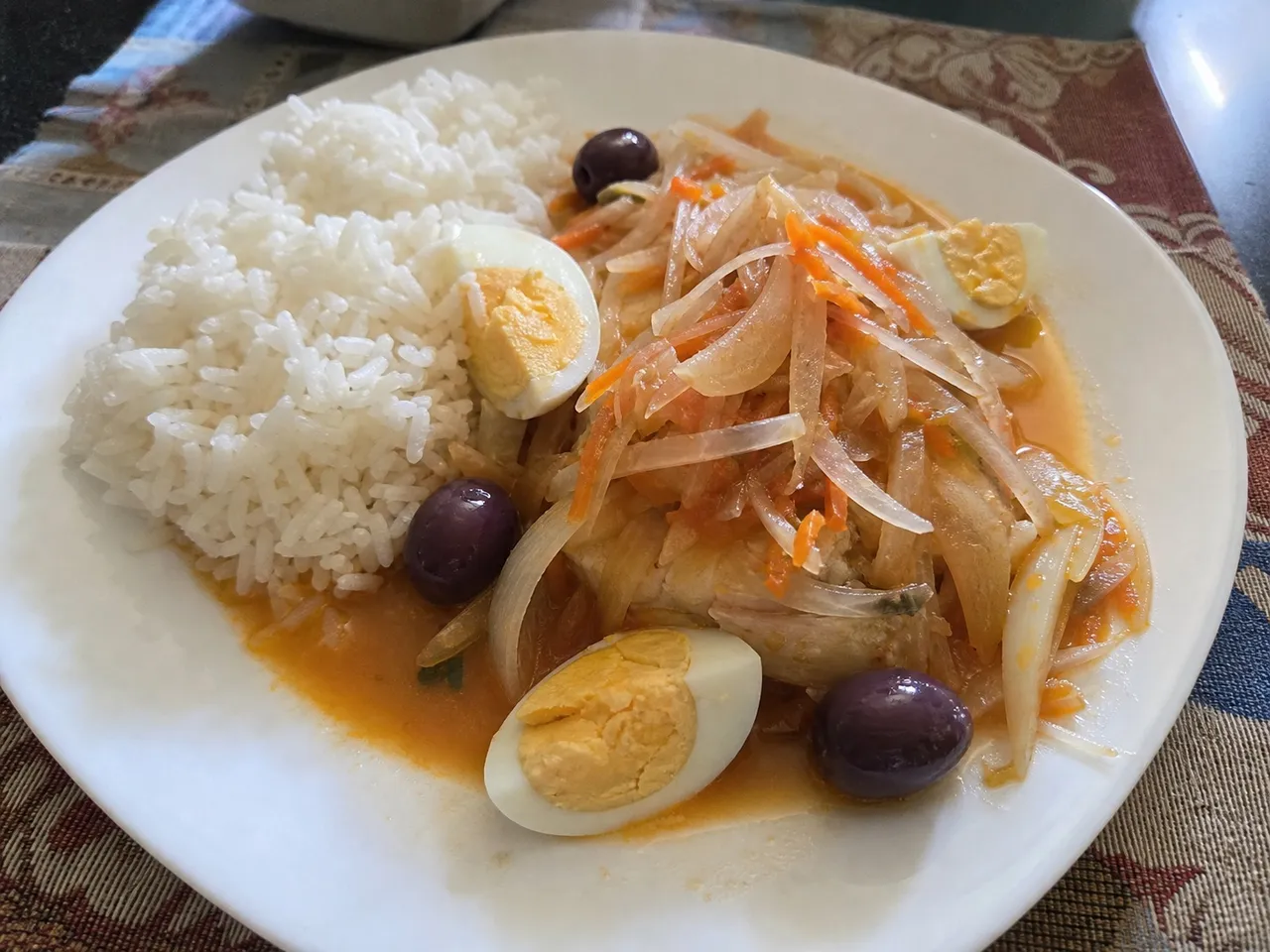 Serving Images are for illustrative purposes only, may be inaccurate, and do not guarantee the presence or absence of specific ingredients.
 Escabeche de Pescado (Peruvian Pickled Fish)
Pan-fried fish fillets served warm or chilled under a tangy, sweet-and-sour onion and aji panca escabeche, brightened with hard-boiled egg and olives.
Contains common allergens
In the app, Listahan checks these against your household automatically.
Instructions
6 steps- 1
Season the fish fillets with salt and pepper, dredge in flour, and pan-fry in 2 tablespoons of oil for 3-4 minutes per side until golden; set aside.
- 2
Heat the remaining oil in the same pan and sauté the onions and garlic until softened but still slightly crisp.
- 3
Stir in the aji panca paste and cook for 2 minutes, then add the vinegar, sugar, fish stock, and bay leaves.
- 4
Simmer the sauce for 8-10 minutes until slightly thickened, then season with salt and pepper.
- 5
Pour the warm escabeche sauce over the fried fish fillets.
- 6
Garnish with sliced hard-boiled eggs and black olives, and serve warm or chilled.
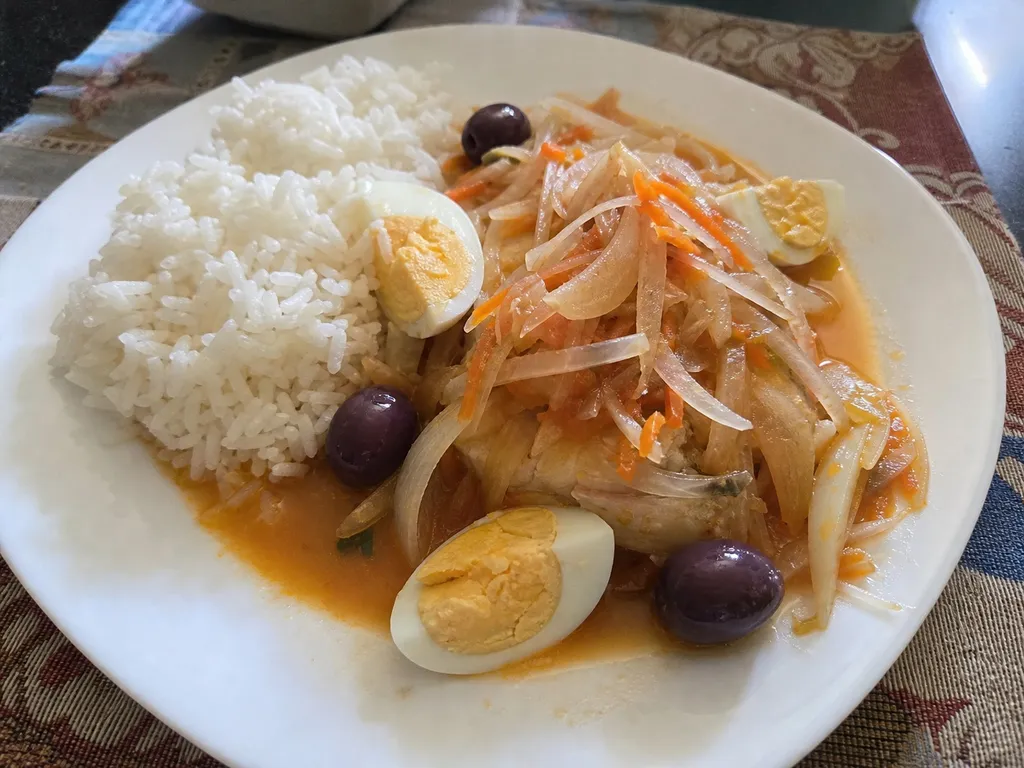 Images are for illustrative purposes only, may be inaccurate, and do not guarantee the presence or absence of specific ingredients.
 Listahan Family Score™
62/100
Works for many families
Score reflects how well this recipe fits a typical busy household. In the app, your Family Score is personalized to your household's allergens, kids, and pantry.
Nutrition
per serving295
Calories
6 g
Protein
26 g
Carbs
18 g
Fat
Estimated per serving. Actual values depend on the brands and portions you use.
Listahan cooking guide
Chef notes & practical guide
Technique notes, ingredient swaps, serve-alongside ideas, storage guidance, and equipment for this recipe.
Cultural context
Escabeche is a Spanish pickling technique brought to Peru during colonization, but the addition of aji panca and the tradition of serving it cold or at room temperature turned it into a distinctly coastal Peruvian dish, often served as a starter or light lunch in Lima's older criollo restaurants.
Listahan note
This version fries the fish first for a firm, golden crust that holds up under the warm vinegar-based sauce, rather than poaching it, which keeps the texture from turning mushy.
Technique cues
- Dredging the fish lightly in flour before frying creates a barrier that keeps the fillets from breaking apart once the warm escabeche sauce is poured over, since a bare fillet would soften and fall apart under the acidic liquid.
- Sauteing the onions only until softened but still slightly crisp is intentional; escabeche onions are meant to retain some bite even after sitting in the warm sauce, unlike fully caramelized onions.
- Letting the vinegar-based sauce simmer down before pouring it over the fish balances sharpness with body; a thin, unreduced sauce runs off the fish instead of clinging to it.
Kitchen flow
- Parallel prep
- Make the escabeche sauce (onions, aji panca, vinegar) while the fish rests after frying, so the warm sauce is ready right when the fish is.
- Make-ahead
- Escabeche is traditionally even better made a few hours or a day ahead, since the fish continues to absorb the tangy sauce as it sits.
- Leftover move
- Leftover escabeche is often eaten cold straight from the fridge as a light lunch, no reheating needed.
- Cleanup rhythm
- Wipe down the fry pan with a paper towel before making the sauce in the same pan to avoid excess oil carrying over into the sauce.
Ingredient brief
Role, handling, and swap guidance for each key ingredient.
white fish fillets
main protein
Purpose: A firm white fish holds its shape through frying and then sitting in the acidic escabeche sauce without disintegrating.
Handling: Pat dry and season before dredging so the flour coating adheres evenly.
Adaptation: Swap a firmer fish like mahi-mahi or halibut if the fillets on hand are especially delicate.
aji panca paste
sauce base and color
Purpose: This smoky, mild dried chile paste gives the escabeche sauce its characteristic deep red-brown color and gentle warmth without overwhelming heat.
Handling: Cook briefly in the oil before adding liquid so its flavor blooms rather than tasting raw.
Adaptation: Swap a mix of smoked paprika and a small spoon of tomato paste for a chile-free approximation with less depth.
white vinegar
pickling acid
Purpose: Vinegar is what defines escabeche as a dish, the tangy backbone that pickles the onions and balances the richness of the fried fish.
Handling: Add after the aji panca has cooked briefly, then simmer rather than boil hard so the acidity mellows slightly.
Adaptation: Swap apple cider vinegar for a slightly fruitier, less sharp tang.
red onions
pickled vegetable component
Purpose: Red onion's sharper bite and color are traditional in escabeche, softening just enough in the warm sauce while keeping a slight crunch.
Handling: Slice thin so the strands cook through in the few minutes of sauteing.
Adaptation: Swap yellow onion if red isn't available, though the color and bite will be milder.
hard-boiled eggs
garnish and richness
Purpose: A classic Peruvian escabeche garnish that adds richness and a familiar criollo-dish look.
Handling: Slice just before plating so the yolk stays intact rather than crumbling.
Adaptation: Swap avocado slices for a vegetarian-friendly, protein-rich garnish alternative.
black olives
briny garnish
Purpose: Their saltiness cuts through the sauce's sweetness and vinegar tang, adding a classic Peruvian criollo plate finish.
Handling: Scatter whole or halved over the top just before serving.
Adaptation: Swap green olives for a sharper, more assertive brine flavor.
Technique notes
- Fry the fish in batches if the pan is crowded; overcrowding drops the oil temperature and the flour coating steams instead of crisping.
- Pour the sauce over the fish while both are still warm for the best absorption, then let the dish cool to room temperature or chill, rather than serving it piping hot.
- Taste the sauce for balance before pouring; it should taste assertively tangy on its own, since it mellows once it soaks into the fish and sits.
Ingredient swaps
- Gluten-free direction
- Swap the dredging flour for a gluten-free 1:1 blend or rice flour, which fries up just as crisp.
- Egg-free direction
- Omit the hard-boiled egg garnish entirely; the dish still holds its identity through the fish and escabeche sauce alone.
- Lower-sodium direction
- Reduce or omit the black olives and use a low-sodium fish stock in the sauce.
Serve alongside
- white rice
- boiled or fried yuca
- a simple green salad
- a chilled Peruvian pisco sour
- sparkling water with lime
- a light Peruvian white wine
Serving suggestions only — check pairings for your household's allergens.
Storage & reheating
- Keeps refrigerated up to 3 days in a covered container, often tasting better the next day.
- Serve cold or at room temperature rather than reheating, since reheating can make the fried coating soggy.
- Freezing isn't recommended, the fried texture and vegetables don't hold up.
Equipment
- a large skillet
- a shallow dish for dredging
- tongs
- a small saucepan or the same skillet for the sauce
Make this household-aware
Listahan Pro checks this recipe against your household's allergens, finds pantry-aware swaps, builds the shopping list, and helps you plan the week around it.
Plan it in Listahan
Add Escabeche de Pescado (Peruvian Pickled Fish) to your week, check it against your household's allergens, and build the shopping list automatically.
More Peruvian recipes
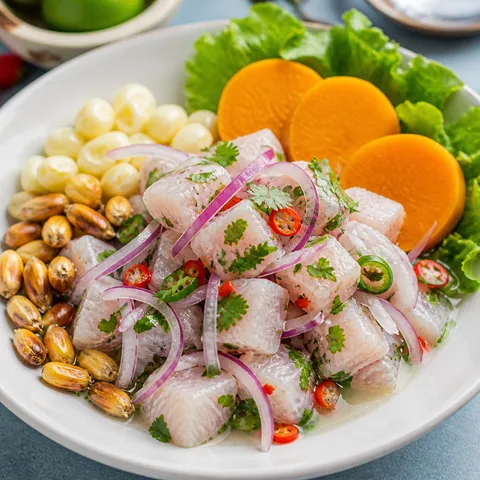 Peruvian Lens Verified Images are for illustrative purposes only, may be inaccurate, and do not guarantee the presence or absence of specific ingredients.
 Ceviche de Pescado
The iconic dish of Peru—exquisitely fresh, raw white fish "cooked" purely by the acidity of freshly squeezed lime juice, infused with chili heat and red onion bite.
 Peruvian Lens Verified Images are for illustrative purposes only, may be inaccurate, and do not guarantee the presence or absence of specific ingredients.
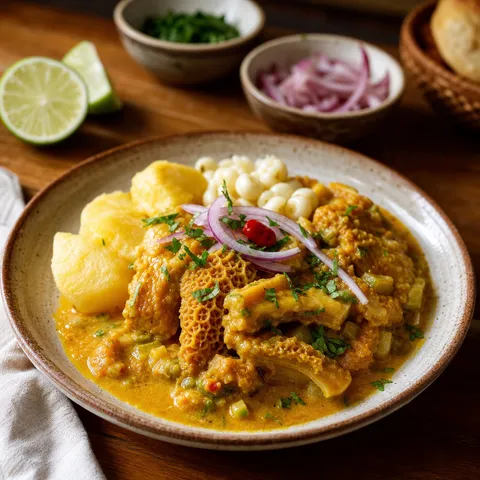
 Cau Cau (Peruvian Tripe Stew)
A hearty yellow stew of tender beef tripe and potatoes simmered in aji amarillo and mint, spooned over rice for a classic home-style meal.
 Peruvian Lens Verified Images are for illustrative purposes only, may be inaccurate, and do not guarantee the presence or absence of specific ingredients.
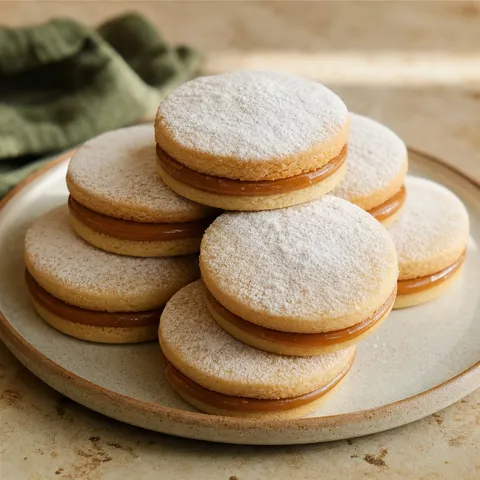
 Alfajores (Peruvian Dulce de Leche Sandwich Cookies)
Delicate, crumbly shortbread cookies sandwiched with rich dulce de leche and dusted with powdered sugar, a favorite Peruvian teatime treat.