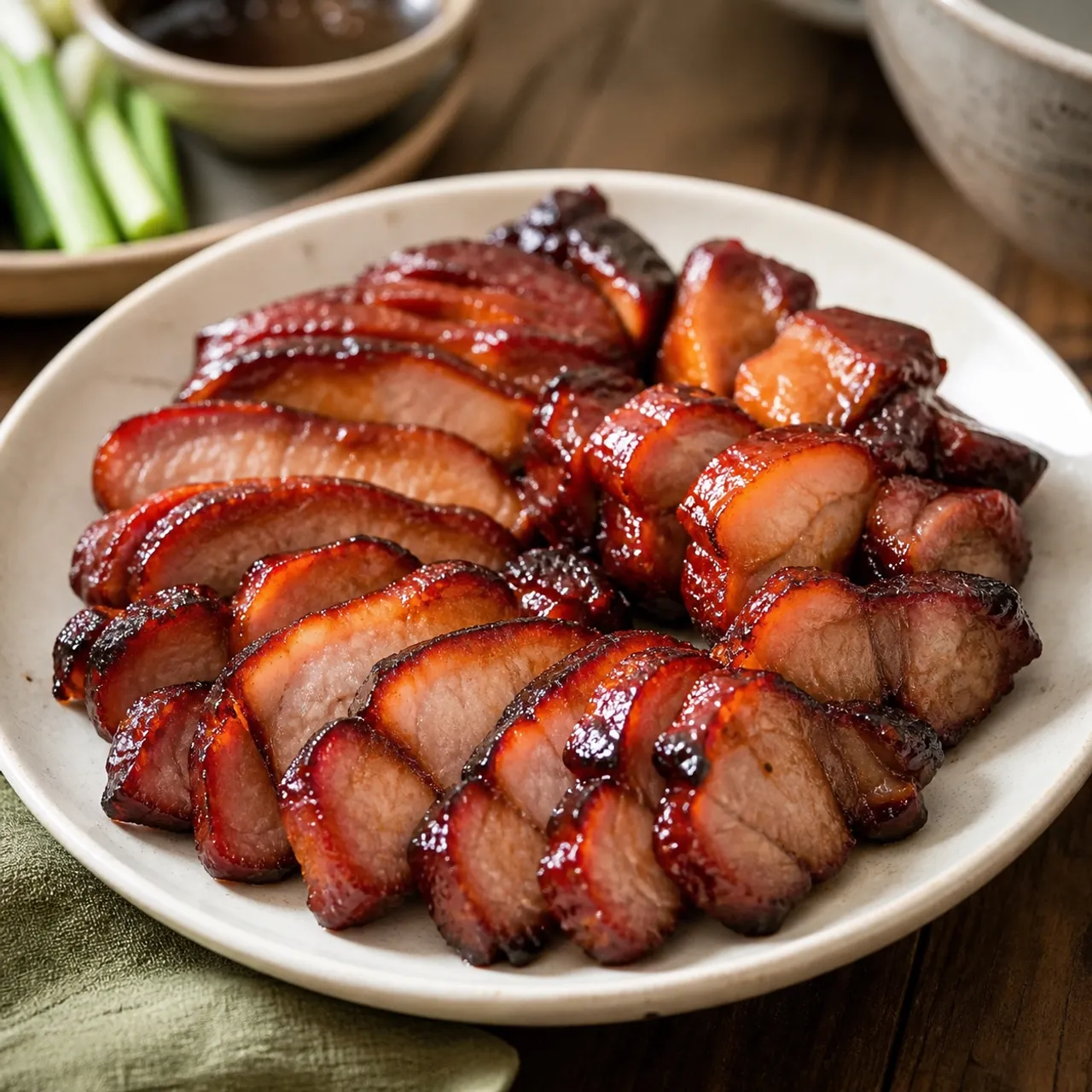
 Chinese Images are for illustrative purposes only, may be inaccurate, and do not guarantee the presence or absence of specific ingredients.
 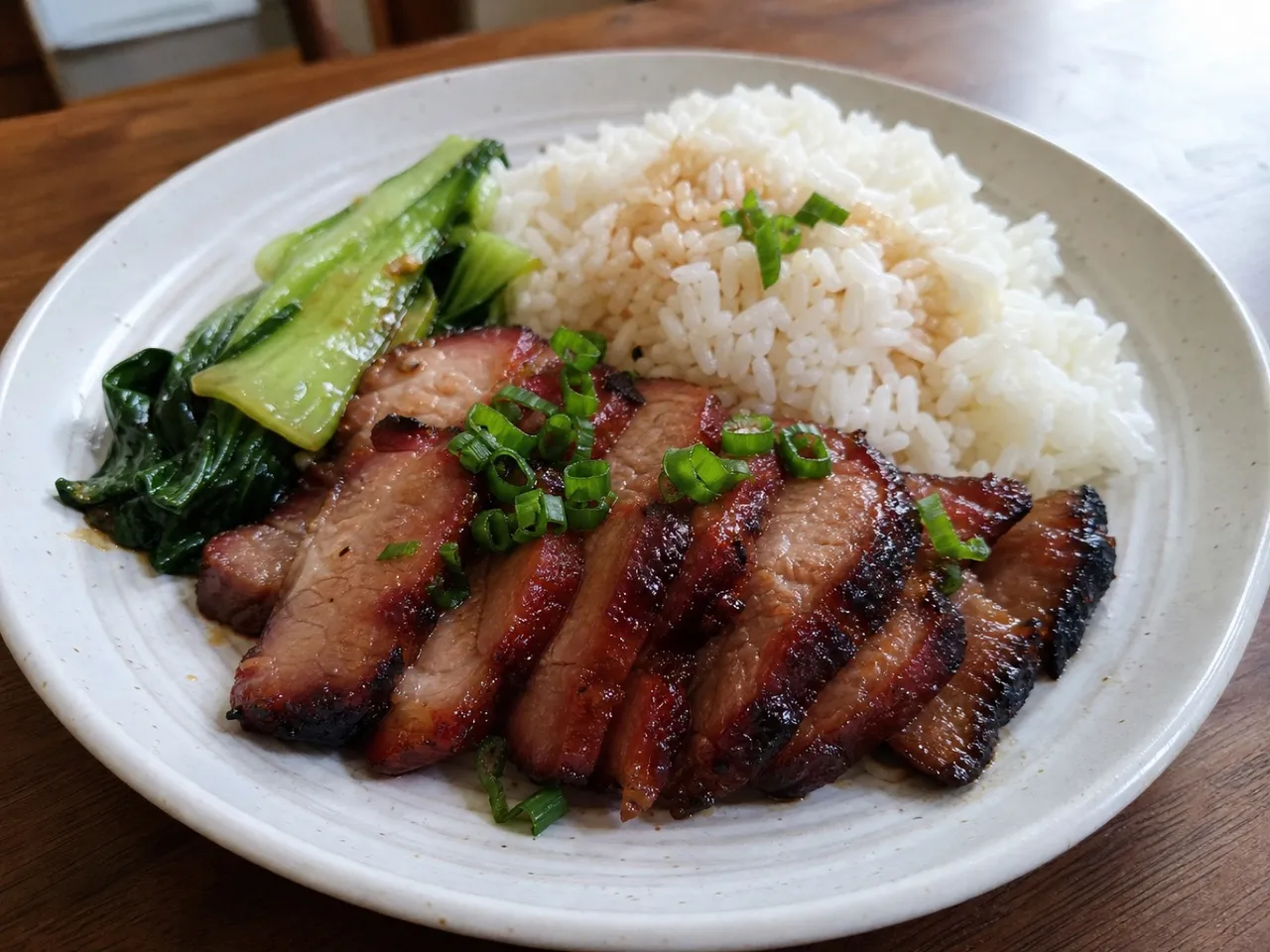 Serving Images are for illustrative purposes only, may be inaccurate, and do not guarantee the presence or absence of specific ingredients.
 Char Siu (BBQ Pork)
Sweet and savory roasted pork featuring a distinct red exterior.
Contains common allergens
In the app, Listahan checks these against your household automatically.
Instructions
6 steps- 1
Make the Marinade: In a large bowl, whisk together the hoisin sauce, 2 tbsp honey, light and dark soy sauces, wine, five-spice powder, and minced garlic until smooth.
- 2
Marinate the Pork: Add the pork strips to the bowl, tossing to coat them completely. Cover tightly and refrigerate for at least 12 hours, ideally overnight, flipping once.
- 3
Prepare for Roasting: Preheat the oven to 400°F (200°C). Place the pork strips on a wire rack set over a foil-lined roasting pan. Reserve the leftover marinade.
- 4
Roast: Roast the pork for 20 minutes. Meanwhile, simmer the reserved marinade in a small saucepan for 3 minutes to kill any bacteria, then mix it with the remaining 2 tbsp of honey to create the glaze.
- 5
Glaze and Char: Remove the pork from the oven, flip the strips, and brush generously with the glaze. Lower the oven to 350°F (175°C) and roast for another 20 minutes.
- 6
Final Broil: Turn on the broiler for the last 2-3 minutes, watching closely, until the edges are beautifully charred and the glaze is sticky. Rest for 10 minutes before slicing thinly.
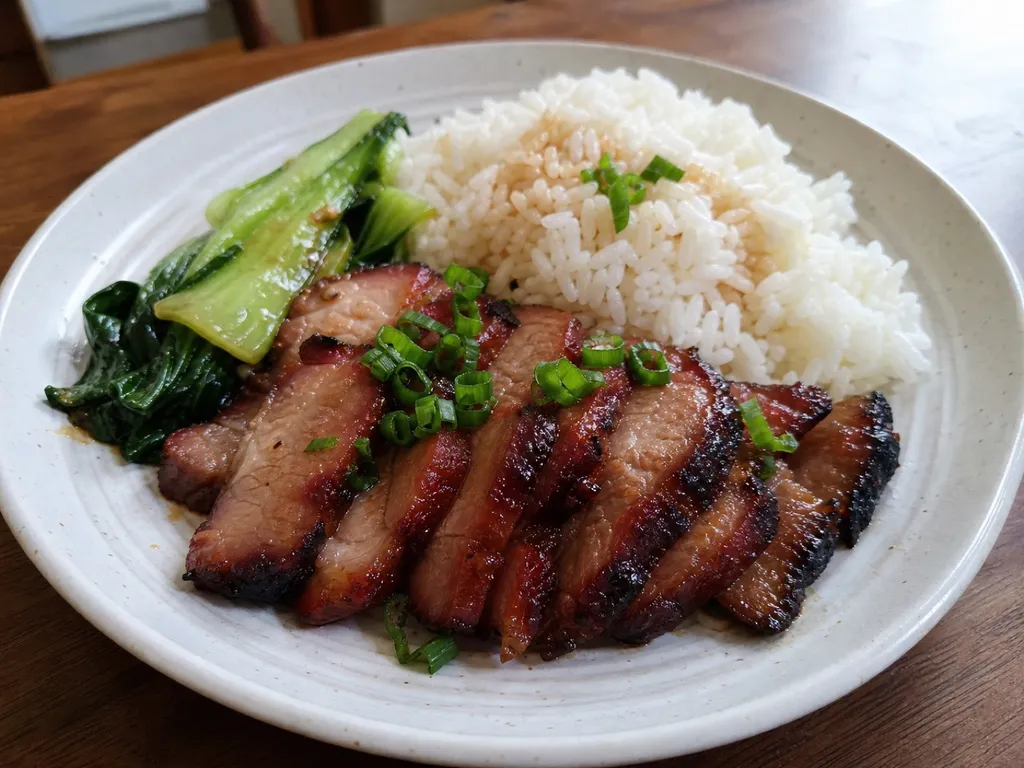 Images are for illustrative purposes only, may be inaccurate, and do not guarantee the presence or absence of specific ingredients.
 Listahan Family Score™
75/100
Good fit for most families
Score reflects how well this recipe fits a typical busy household. In the app, your Family Score is personalized to your household's allergens, kids, and pantry.
Nutrition
per serving500
Calories
50 g
Protein
13 g
Carbs
26 g
Fat
Estimated per serving. Actual values depend on the brands and portions you use.
Listahan cooking guide
Chef notes & practical guide
Technique notes, ingredient swaps, serve-alongside ideas, storage guidance, and equipment for this recipe.
Cultural context
Char siu, which literally means 'fork-roasted' in Cantonese, traces its origins to Guangdong where whole pigs and large pork cuts were traditionally skewered on long forks and roasted over open charcoal fires in the front windows of siu mei (roasted meat) shops. The characteristic red color originally came from red fermented tofu or red yeast rice paste; modern versions use red food coloring or simply skip it, relying on the caramelized maltose glaze for color. Char siu became one of the most recognizable symbols of Cantonese cuisine globally through Chinese diaspora restaurants across North America and Southeast Asia.
Listahan note
This version marinates the pork shoulder overnight so the glaze has time to penetrate past the surface, and a final high-heat broil in the last few minutes creates the charred, sticky edges that define a good char siu.
Technique cues
- Marinate in a zip-lock bag with all air removed so the marinade coats every surface evenly -- a bowl leaves the bottom pieces swimming in liquid while the top barely absorbs.
- Brush with additional marinade every 15 minutes during roasting to build up layered caramelization rather than one thick, sticky coat that burns before it colors.
- Broil on high for the last 3 to 5 minutes to achieve the slightly blackened edges (called char tips) that give the dish its name and its characteristic burnt-sweet flavor.
Kitchen flow
- Parallel prep
- While the marinated pork comes to room temperature (about 30 minutes), prepare your rice and any vegetable sides so everything finishes at once.
- Make-ahead
- The pork must marinate at least 4 hours, but overnight is strongly recommended; the raw marinated strips keep refrigerated for up to 48 hours before roasting.
- Leftover move
- Slice cold char siu thin and use in fried rice, char siu bao fillings, or ramen; the concentrated flavor makes it a powerful addition to any bowl.
- Cleanup rhythm
- Line the roasting rack and pan with foil and place a rack of water below the pork in the oven to catch drips -- the marinade sugar burns onto unlined pans and is very difficult to remove.
Ingredient brief
Role, handling, and swap guidance for each key ingredient.
pork shoulder
main protein
Purpose: The moderate fat content in shoulder keeps the meat moist through the long oven time and absorbs the marinade deeply without drying out.
Handling: Slice into long strips about 2 inches wide so each piece has a high surface-to-interior ratio for maximum caramelized crust.
Adaptation: Pork tenderloin cooks faster but can dry out; pork belly produces a richer, fattier result that some prefer.
hoisin sauce
sweet-savory marinade base
Purpose: Hoisin contributes fermented soy depth, sweetness, and the thick body that allows the marinade to cling to the meat.
Handling: Whisk with the other marinade components until smooth; a lumpy marinade creates uneven color.
Adaptation: A mix of soy sauce, brown sugar, and a small amount of five-spice is not traditional but functions similarly if hoisin is unavailable.
maltose
glazing agent
Purpose: Maltose browns at a lower temperature than sucrose and creates a thinner, more translucent glaze that shatters into those iconic sticky-crisp edges.
Handling: Warm briefly in hot water to make it pourable, then mix into the glaze bowl; it sets up stiff at room temperature.
Adaptation: Honey is the most accessible substitute and gives a slightly sweeter, darker glaze; corn syrup can also work.
five-spice powder
aromatic seasoning
Purpose: Five-spice provides the warm, slightly anise-forward backbone that separates char siu from generic glazed pork.
Handling: Add to the marinade and stir thoroughly; it should be evenly distributed rather than clumped.
Adaptation: Star anise, cinnamon, and clove ground together approximate the flavor profile but will not be identical.
Shaoxing rice wine
tenderizing and deglazing component
Purpose: The alcohol and acids in rice wine penetrate the meat fiber and help carry aromatic flavors deeper into the pork.
Handling: Add to the marinade after the dry ingredients are mixed.
Adaptation: Dry sherry at the same quantity is a well-accepted substitute; skip entirely rather than using cooking wine.
Technique notes
- The internal temperature of fully cooked pork shoulder should reach 145 F but the glaze color is also a reliable indicator -- you want deep mahogany with slightly singed tips, not uniform brown.
- If the glaze is darkening too fast before the meat is cooked through, tent loosely with foil and remove it for the final broil.
- Rest the meat for 5 minutes after the broil before slicing -- cutting immediately releases all the accumulated juices and the slices look pale rather than glossy.
Ingredient swaps
- Gluten-free direction
- Replace hoisin with tamari mixed with brown sugar and five-spice; verify that your rice wine is gluten-free or substitute dry sherry.
- Lower-sugar direction
- Reduce hoisin and maltose by a third and add a splash of orange juice to compensate for body; the glaze will be lighter in color but still flavorful.
- Weeknight shortcut
- Use pork tenderloin instead of shoulder -- it cooks in 25 minutes total at higher heat and still takes the marinade well, though the texture is leaner.
Serve alongside
- steamed jasmine rice
- braised Chinese greens with oyster sauce
- simple wonton soup
- Tsingtao lager
- oolong tea served hot
Serving suggestions only — check pairings for your household's allergens.
Storage & reheating
- Refrigerate sliced char siu for up to 4 days, covered; reheat slices in a skillet over medium-high heat with a brush of additional glaze to revive the surface char. Whole unsliced roasted strips freeze well for up to 2 months; thaw in the refrigerator and broil briefly before serving.
- Do not store at room temperature for more than 2 hours after cooking -- the high sugar content encourages bacterial growth faster than unsauced meats.
Equipment
- wire roasting rack set inside a foil-lined baking sheet
- pastry brush for glazing
- instant-read thermometer
- kitchen tongs
Make this household-aware
Listahan Pro checks this recipe against your household's allergens, finds pantry-aware swaps, builds the shopping list, and helps you plan the week around it.
Plan it in Listahan
Add Char Siu (BBQ Pork) to your week, check it against your household's allergens, and build the shopping list automatically.
More Chinese recipes
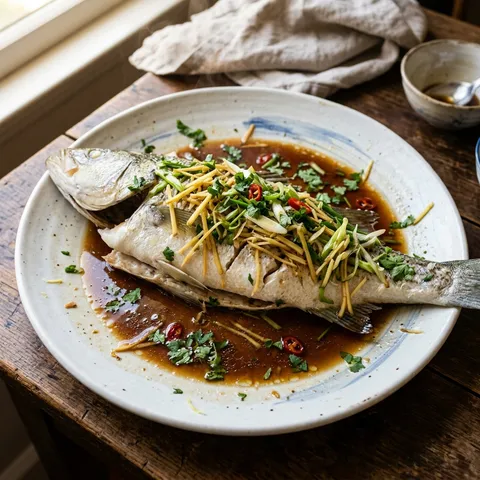 Chinese Lens Verified Images are for illustrative purposes only, may be inaccurate, and do not guarantee the presence or absence of specific ingredients.
 Steamed Fish with Soy and Ginger
A traditional banquet dish featuring delicately steamed whole fish with hot oil poured over aromatics.
 Chinese Lens Verified Images are for illustrative purposes only, may be inaccurate, and do not guarantee the presence or absence of specific ingredients.
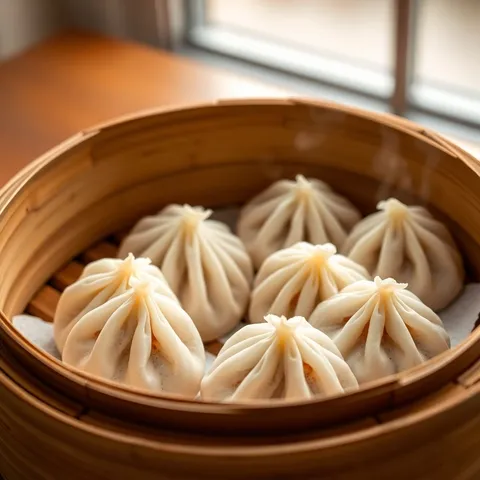
 Xiao Long Bao (Soup Dumplings)
Delicate steamed buns filled with pork and a rich, savory soup.
 Chinese Lens Verified Images are for illustrative purposes only, may be inaccurate, and do not guarantee the presence or absence of specific ingredients.
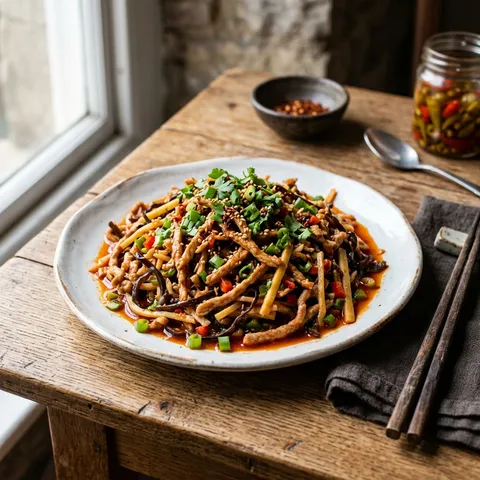
 Yuxiang Rou Si (Fish-Fragrant Pork Shreds)
A classic Sichuan dish that uses "fish-fragrant" seasoning (sweet, sour, and spicy) on pork shreds, containing no actual fish.