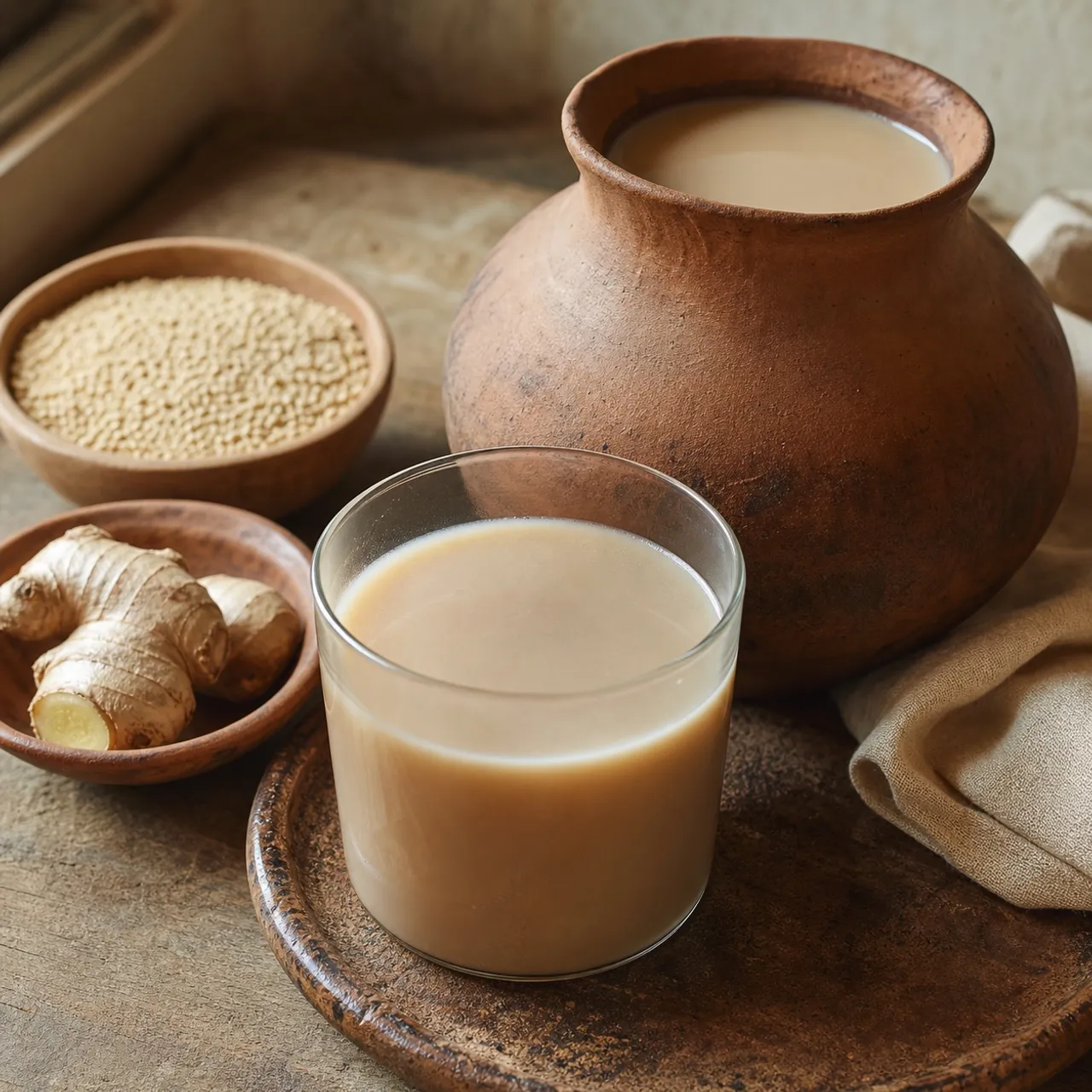
 West African Images are for illustrative purposes only, may be inaccurate, and do not guarantee the presence or absence of specific ingredients.
 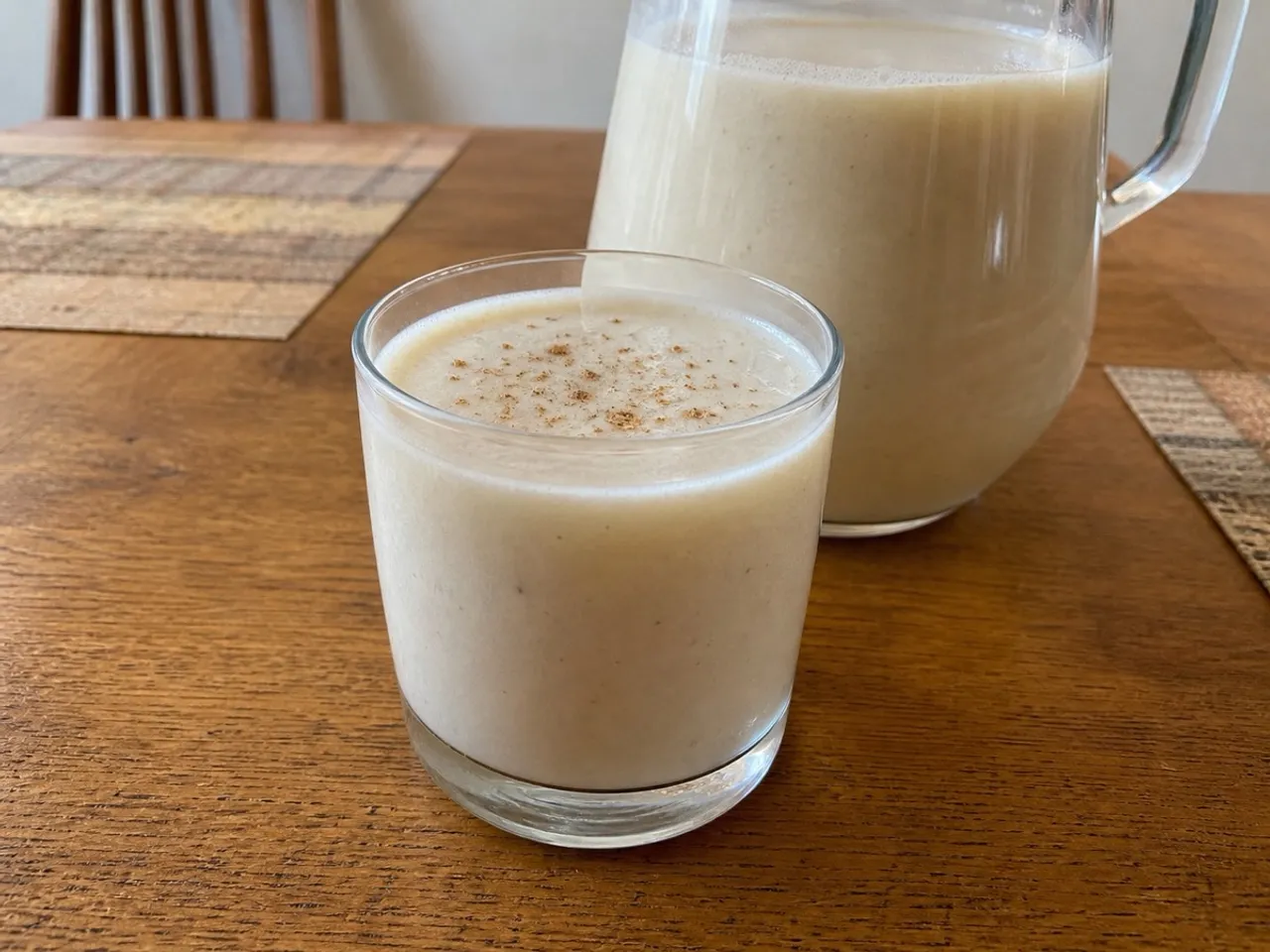 Serving Images are for illustrative purposes only, may be inaccurate, and do not guarantee the presence or absence of specific ingredients.
 Kunu Zaki
A creamy, lightly spiced Northern Nigerian millet drink sweetened and scented with ginger and cloves for a refreshing, nourishing beverage.
No common allergens detected
Based on this recipe's ingredient list. Always verify with your own brands and labels.
Good to know
- Ready in under 30 minutes
Matched from this dish's own ingredients and timing. Browse more: 30-minute meals
Instructions
6 steps- 1
Soak the millet and white rice together in cool water overnight until the grains are fully softened, then drain and rinse them well.
- 2
Blend the soaked grains with the ginger, cloves, black pepper, and 3 cups of fresh water until completely smooth.
- 3
Divide the blended slurry in half, then bring 1 1/2 cups of water to a boil and stir it into one portion to cook it into a thin, smooth paste.
- 4
While the cooked portion is still hot, whisk in the reserved raw blended portion so the residual heat lightly thickens the drink without fully cooking it.
- 5
Stir in the sugar and enough of the remaining water to reach a smooth, pourable, milkshake-like consistency, then taste and adjust the sweetness.
- 6
Strain through a fine sieve if a silkier texture is desired, chill thoroughly, and serve cold.
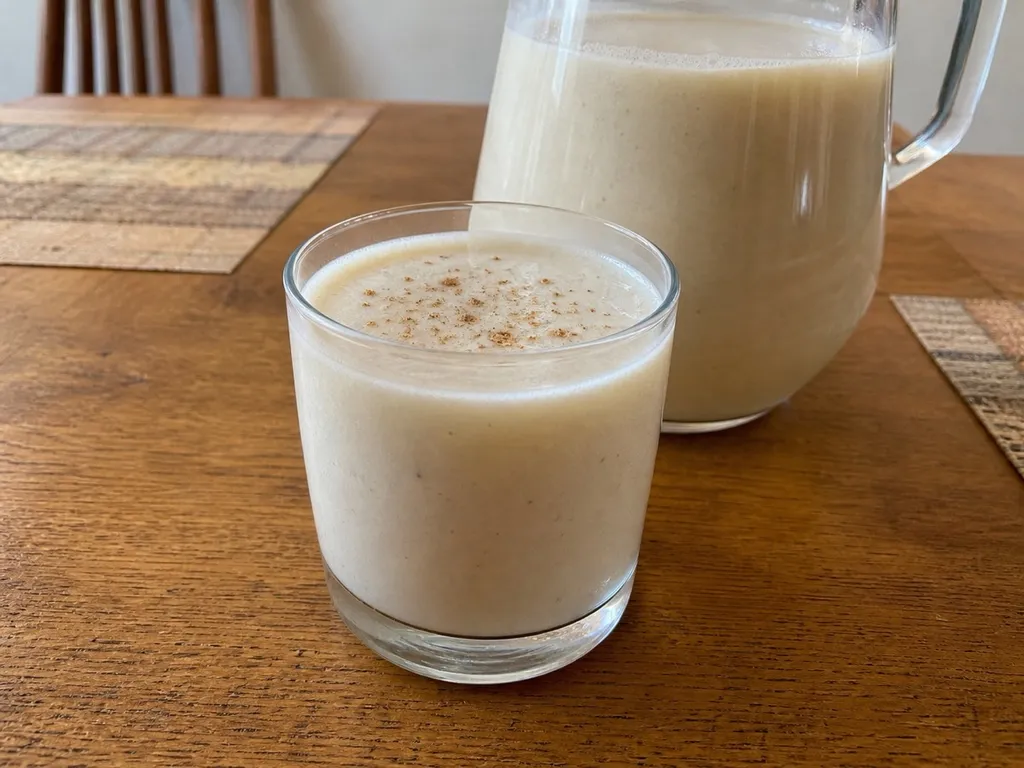 Images are for illustrative purposes only, may be inaccurate, and do not guarantee the presence or absence of specific ingredients.
 Listahan Family Score™
77/100
Good fit for most families
Score reflects how well this recipe fits a typical busy household. In the app, your Family Score is personalized to your household's allergens, kids, and pantry.
Nutrition
per serving215
Calories
2 g
Protein
53 g
Carbs
0 g
Fat
Estimated per serving. Actual values depend on the brands and portions you use.
Listahan cooking guide
Chef notes & practical guide
Technique notes, ingredient swaps, serve-alongside ideas, storage guidance, and equipment for this recipe.
Cultural context
Kunu zaki is a fermented millet or sorghum drink from Hausa communities in northern Nigeria, spiced with ginger and cloves, blended, and strained before serving chilled. The brief fermentation the grain undergoes gives the drink a slight tang, distinguishing it from a plain grain-based beverage that skips that step entirely.
Listahan note
This version soaks and lightly ferments the grain before blending, since skipping the fermentation step produces a flatter drink without the characteristic tang kunu zaki is known for.
Technique cues
- Soaking the millet or sorghum grains for an extended period before blending softens them enough to break down smoothly rather than leaving gritty bits.
- Allowing the soaked grain mixture to sit briefly at room temperature develops the mild fermentation tang that separates kunu zaki from an unfermented grain drink.
- Blending the softened grains with ginger and cloves thoroughly, then straining through a fine cloth, removes the coarse fiber and leaves a smooth, drinkable liquid.
- Chilling the strained drink fully before serving is essential, since kunu zaki is meant to be consumed cold rather than at room temperature.
Kitchen flow
- Parallel prep
- Chill glasses and prep garnish while Kunu Zaki steeps, blends, or infuses, so nothing is rushed once it's ready to pour. This one leans on the piece fresh ginger. The boil step is what sets the pace here.
- Make-ahead
- Batch the base of Kunu Zaki (the piece fresh ginger) ahead and refrigerate, then finish and garnish individual servings right before pouring. Everything else is quick — the boil is the one step that takes real time.
- Leftover move
- Leftover Kunu Zaki keeps refrigerated in a sealed container; give it a stir or shake before pouring again since it may separate. This one leans on the piece fresh ginger. Everything else is quick — the boil is the one step that takes real time.
- Cleanup rhythm
- Rinse the blender or pitcher used for Kunu Zaki immediately — sticky or dairy-based drinks are far easier to clean before they dry. This one leans on the piece fresh ginger. Plan around the boil; that's the slow part.
Ingredient brief
Role, handling, and swap guidance for each key ingredient.
2 cups millet grains
Flavor support
Purpose: cups millet grains supports the balance of Kunu Zaki and should taste integrated.
Handling: Prep before heat is high so the cooking step can move without rushing.
Adaptation: Use the closest fresh equivalent and expect a modest shift in flavor or texture.
1/4 cup white rice
Structural base
Purpose: cup white rice defines the shape and texture of the dish.
Handling: Rinse, soak, whisk, or separate as the recipe requires so the texture stays clean.
Adaptation: Use the closest fresh equivalent and expect a modest shift in flavor or texture.
1 piece fresh ginger, peeled
Aromatic base
Purpose: piece fresh ginger, peeled creates the savory foundation before stronger ingredients are added.
Handling: Prep before heat is high so the cooking step can move without rushing.
Adaptation: Use the closest fresh equivalent and expect a modest shift in flavor or texture.
4 whole cloves
Flavor support
Purpose: whole cloves supports the balance of Kunu Zaki and should taste integrated.
Handling: Prep before heat is high so the cooking step can move without rushing.
Adaptation: Use the closest fresh equivalent and expect a modest shift in flavor or texture.
1/4 tsp ground black pepper
Aromatic base
Purpose: tsp ground black pepper creates the savory foundation before stronger ingredients are added.
Handling: Wash, trim, and cut evenly so the pieces cook at the same pace.
Adaptation: Use the closest fresh equivalent and expect a modest shift in flavor or texture.
Technique notes
- Adjust the ginger to taste, since its intensity varies significantly depending on how fresh the root is.
- Serve in a tall glass over ice, as is traditional, rather than at room temperature.
- Kunu zaki separates on standing, so stir or shake it again just before pouring another glass.
Ingredient swaps
- Lower-sodium direction
- Cut the salt by about a third and taste before adding more — most of the dish's flavor comes from the other ingredients, not the salt itself. This one leans on the piece fresh ginger.
- Weeknight shortcut
- Freeze the fruit or add-ins ahead in single-serve bags — a busy-night version is just dump and blend. This one leans on the piece fresh ginger.
Serve alongside
- Fresh fruit
- Cucumber slices
- Plain rice crackers
- Cold water
- Sparkling water
Serving suggestions only — check pairings for your household's allergens.
Storage & reheating
- Refrigerate covered for up to 3 days when the drink is brewed, blended, or mixed ahead.
- Stir or shake before serving over fresh ice.
- Do not freeze unless the recipe is meant to become pops or granita.
Equipment
- Pitcher or blender
- Measuring cup
- Long spoon
Make this household-aware
Listahan Pro checks this recipe against your household's allergens, finds pantry-aware swaps, builds the shopping list, and helps you plan the week around it.
Plan it in Listahan
Add Kunu Zaki to your week, check it against your household's allergens, and build the shopping list automatically.
More West African recipes
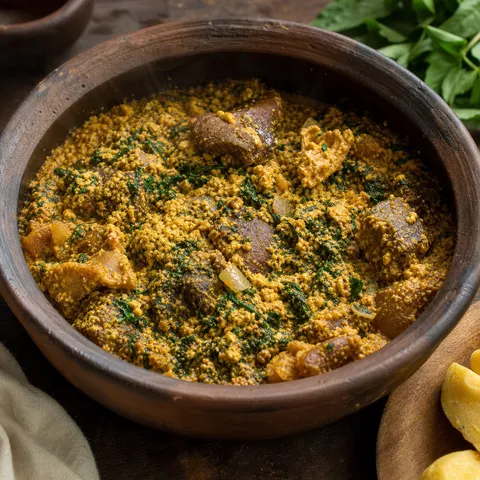 West African Lens Verified Images are for illustrative purposes only, may be inaccurate, and do not guarantee the presence or absence of specific ingredients.
 Egusi Soup
Ground melon seeds simmered with palm oil, leafy greens, and bold spices into a rich, nutty stew that's a cornerstone of Nigerian home cooking.
 West African Lens Verified Images are for illustrative purposes only, may be inaccurate, and do not guarantee the presence or absence of specific ingredients.
 Banku
A smooth, slightly tangy Ghanaian dough of fermented corn and cassava, cooked to a stretchy consistency — the perfect partner for okra stew or grilled tilapia.
 West African Lens Verified Images are for illustrative purposes only, may be inaccurate, and do not guarantee the presence or absence of specific ingredients.
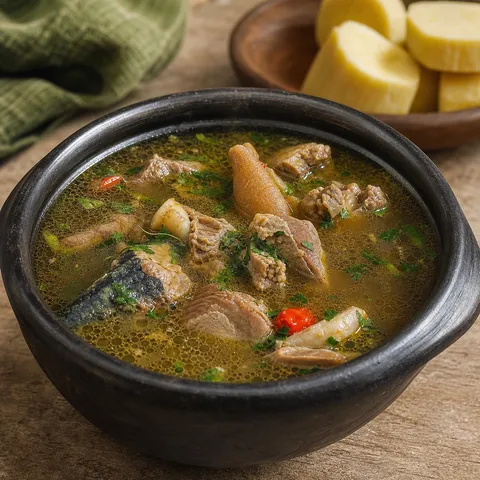
 Pepper Soup
A piercingly spiced, crystal-clear broth simmered with goat meat or catfish and a blend of earthy Nigerian spices — warming, restorative, and intensely aromatic.