 Italian Images are for illustrative purposes only, may be inaccurate, and do not guarantee the presence or absence of specific ingredients.
 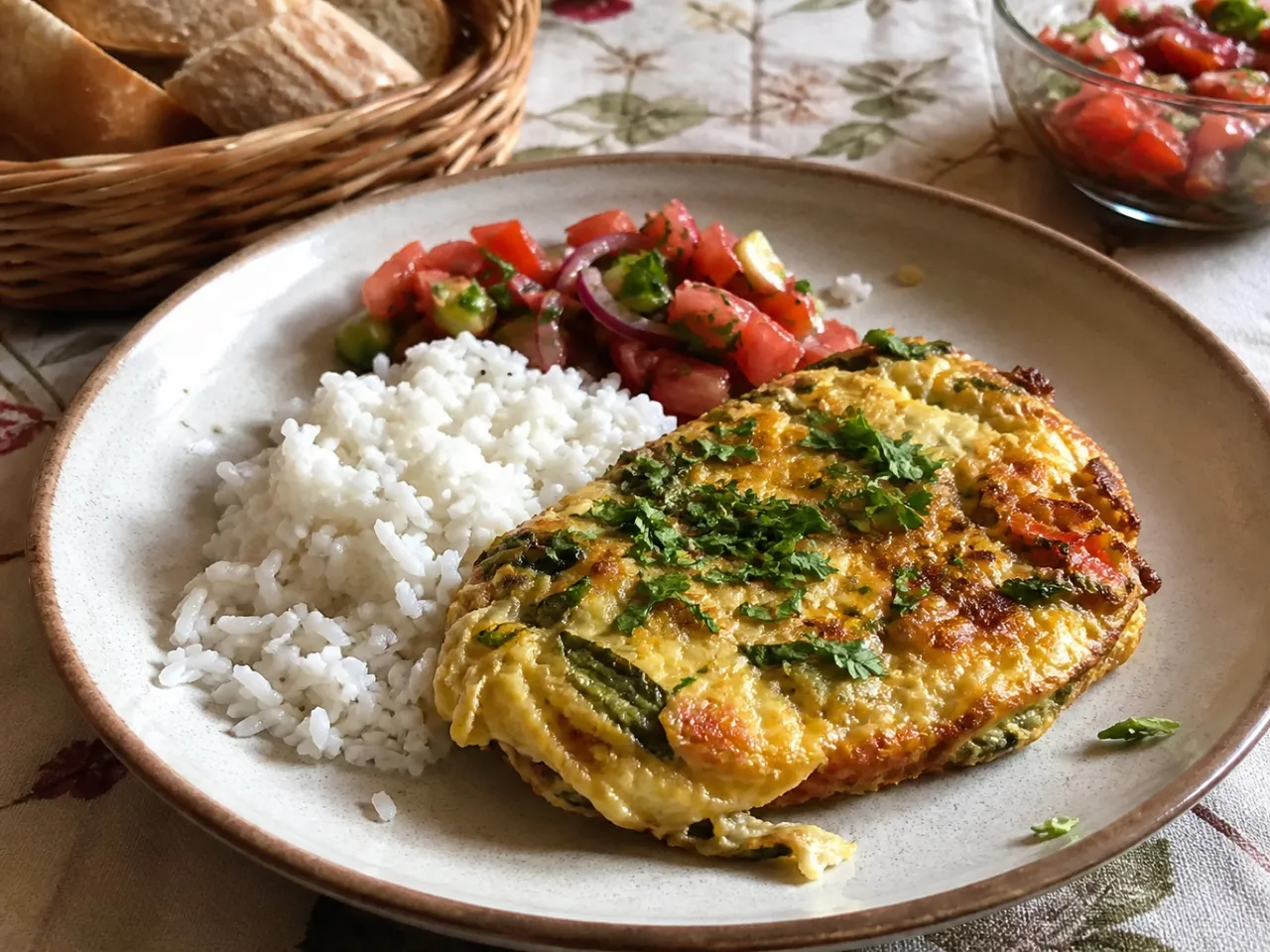 Serving Images are for illustrative purposes only, may be inaccurate, and do not guarantee the presence or absence of specific ingredients.
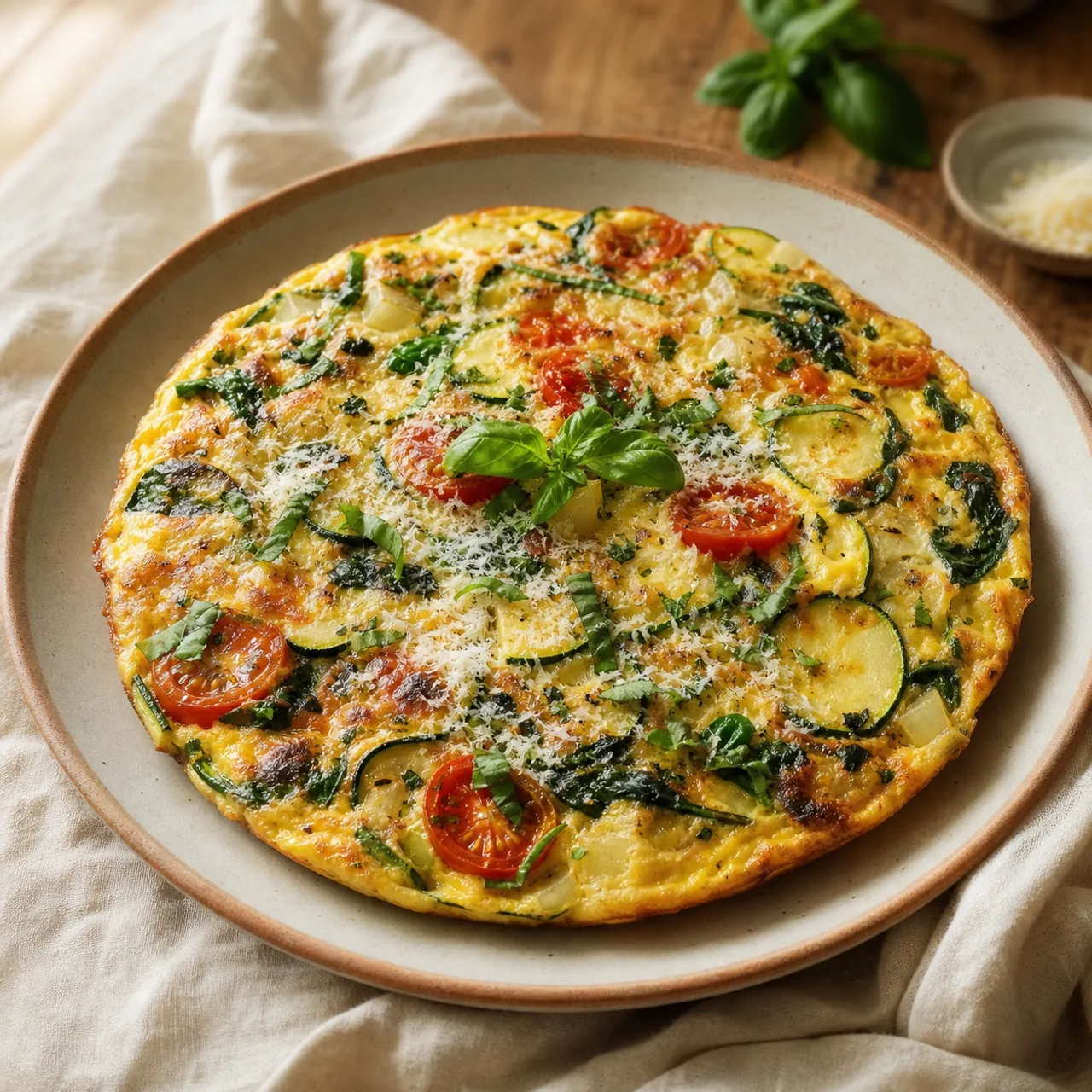
 Frittata
An open-faced Italian egg omelette baked with cheese and vegetables — great any time of day.
Contains common allergens
In the app, Listahan checks these against your household automatically.
Good to know
- Ready in under 30 minutes
Matched from this dish's own ingredients and timing. Browse more: 30-minute meals
Instructions
6 steps- 1
Preheat: Heat the oven to 190°C (375°F).
- 2
Whisk the Eggs: Beat the eggs with the milk, Parmesan cheese, salt, and pepper.
- 3
Sauté: In an ovenproof skillet, cook the onion and zucchini in olive oil until soft, add the spinach to wilt, then scatter in the cherry tomatoes.
- 4
Add the Eggs: Pour the egg mixture over the vegetables and cook on the stovetop for 2-3 minutes until the edges begin to set.
- 5
Bake: Transfer the skillet to the oven and bake for 12-15 minutes until puffed and just set in the centre.
- 6
Serve: Scatter with fresh herbs, slice into wedges, and serve warm or at room temperature.
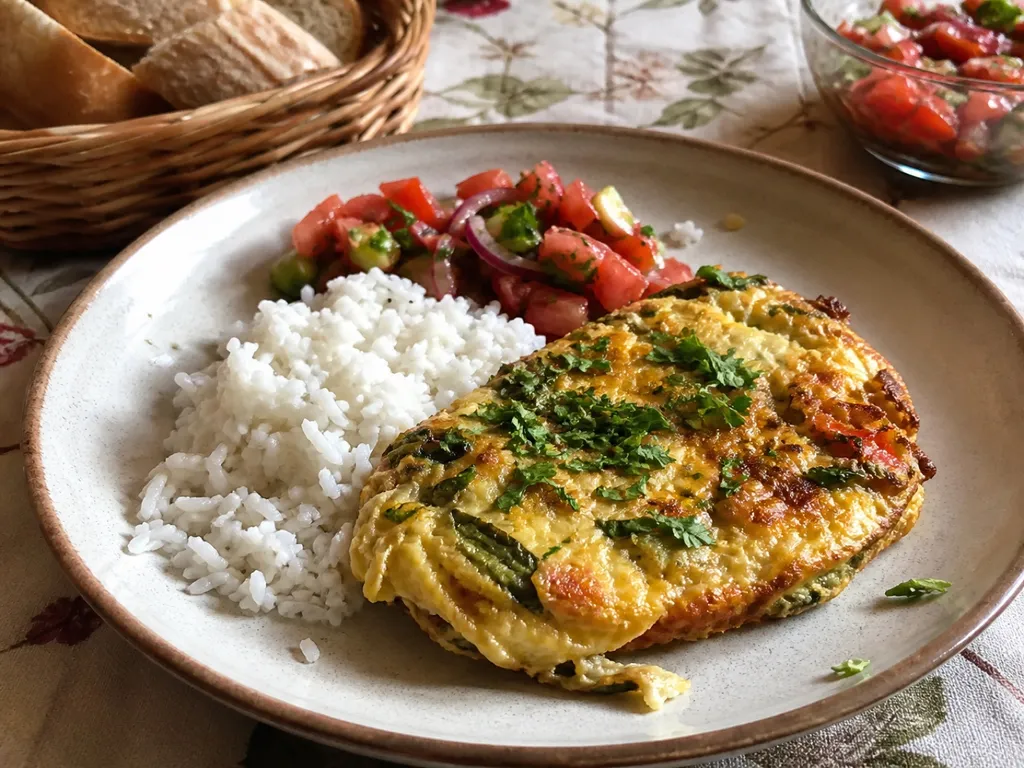 Images are for illustrative purposes only, may be inaccurate, and do not guarantee the presence or absence of specific ingredients.
 Listahan Family Score™
78/100
Good fit for most families
Score reflects how well this recipe fits a typical busy household. In the app, your Family Score is personalized to your household's allergens, kids, and pantry.
Nutrition
per serving245
Calories
17 g
Protein
3 g
Carbs
18 g
Fat
Estimated per serving. Actual values depend on the brands and portions you use.
Listahan cooking guide
Chef notes & practical guide
Technique notes, ingredient swaps, serve-alongside ideas, storage guidance, and equipment for this recipe.
Cultural context
The frittata is Italy's answer to the omelette, but the philosophy is opposite: where a French omelette is quick, folded, and custardy, the frittata is slow, open-faced, and set. The word derives from 'friggere,' to fry, and the dish has been a staple of Italian home cooking since at least the Renaissance. It is fundamentally a vehicle for whatever is in the kitchen — leftover vegetables, cured meats, cheese — and in this way it embodies the Italian value of stretching ingredients with care rather than waste.
Listahan note
This version finishes under the broiler for a golden, slightly puffed top while keeping the interior tender rather than rubbery — the key distinction between a great frittata and an overcooked egg slab.
Technique cues
- Cook the frittata over medium-low heat and never rush it; a high flame sets the bottom before the interior can cook through, leaving a rubbery layer under a custardy top.
- Whisk the eggs with a splash of cold water rather than milk or cream — water steams as the eggs cook and creates a lighter, more tender texture than dairy, which weighs down the curd.
- Shift to the broiler only when the frittata is set about 80 percent through and just the top surface is still wet; 90 seconds under the broiler is usually enough and will not dry it out the way prolonged oven heat would.
Kitchen flow
- Parallel prep
- Saute and cool the vegetables while the eggs come to room temperature. Room-temperature eggs cook more evenly than cold eggs straight from the refrigerator.
- Make-ahead
- Frittata is one of the best make-ahead egg dishes — it tastes excellent at room temperature and can be made up to 8 hours ahead. It does not improve from reheating.
- Leftover move
- Cold frittata slices are excellent in a sandwich on crusty bread with a smear of pesto or a few slices of roasted pepper.
- Cleanup rhythm
- Use an oven-safe nonstick or well-seasoned cast-iron pan and the frittata will slide out cleanly. Soak the pan immediately after serving if using cast iron to prevent egg residue from sticking.
Ingredient brief
Role, handling, and swap guidance for each key ingredient.
eggs
base and structure
Purpose: The number and quality of eggs determine the final texture; use 8 large eggs for a 4-serving frittata in a 10-inch pan.
Handling: Whisk thoroughly with a pinch of salt until the whites and yolks are fully combined and slightly foamy.
Adaptation: No substitute for the primary ingredient.
Parmigiano-Reggiano or Pecorino Romano
seasoning and binding richness
Purpose: Grated hard cheese dissolved into the egg mixture adds depth of flavor and helps the frittata hold its shape when sliced.
Handling: Whisk into the beaten eggs before cooking; save a small handful to scatter on top before broiling.
Adaptation: Gruyere, feta, or a sharp cheddar all work depending on the other filling ingredients.
sauteed vegetables (zucchini, peppers, onion, spinach, or similar)
filling and flavor
Purpose: Pre-cooked vegetables release their moisture before going into the eggs, preventing a watery frittata.
Handling: Cook until any released moisture has evaporated, then cool slightly before adding to the egg mixture.
Adaptation: Any combination of cooked vegetables, leftover roasted potatoes, or diced cured meats works well.
olive oil
cooking fat
Purpose: A generous pour prevents sticking and begins cooking the eggs gently from the base.
Handling: Heat in the pan over medium heat until shimmering before adding the egg mixture.
Adaptation: Butter gives a richer flavor but can burn faster on a stovetop-to-broiler transition.
Technique notes
- Run a silicone spatula around the edges during the stovetop phase to prevent the sides from overcooking while the center is still liquid; this buys time for an even set.
- Let the finished frittata rest in the pan for 5 minutes before slicing — the carryover heat firms the center and the resting allows it to pull away from the sides cleanly.
- A frittata is also a technique to know for emptying the refrigerator: the filling can be almost anything as long as all ingredients are fully cooked and excess moisture has been removed.
Ingredient swaps
- Dairy-free direction
- Omit the cheese or use a plant-based Parmesan alternative; nutritional yeast adds a savory umami note in the egg mixture.
- Lower-sodium direction
- Reduce or omit the grated cheese and season lightly with salt only in the egg mixture; the vegetables and herbs carry enough flavor.
- Weeknight shortcut
- Use pre-washed baby spinach that needs only 2 minutes of wilting, frozen fire-roasted peppers, and shredded cheese to build a filling in under 5 minutes.
Serve alongside
- Simple arugula salad with lemon and olive oil
- Crusty sourdough or ciabatta
- Roasted cherry tomatoes with basil
- Prosecco or a dry sparkling wine for brunch
- Sparkling water with lemon and mint
- Caffe latte
Serving suggestions only — check pairings for your household's allergens.
Storage & reheating
- Refrigerate covered for up to 4 days; serve at room temperature or just slightly warmed, as aggressive reheating dries out the eggs.
- Frittata does not freeze well — the egg texture becomes spongy after thawing.
Equipment
- 10-inch oven-safe nonstick or well-seasoned cast-iron skillet
- Silicone spatula for edge-releasing without scratching the pan
- Oven broiler set to high for finishing the top
Make this household-aware
Listahan Pro checks this recipe against your household's allergens, finds pantry-aware swaps, builds the shopping list, and helps you plan the week around it.
Plan it in Listahan
Add Frittata to your week, check it against your household's allergens, and build the shopping list automatically.
More Italian recipes
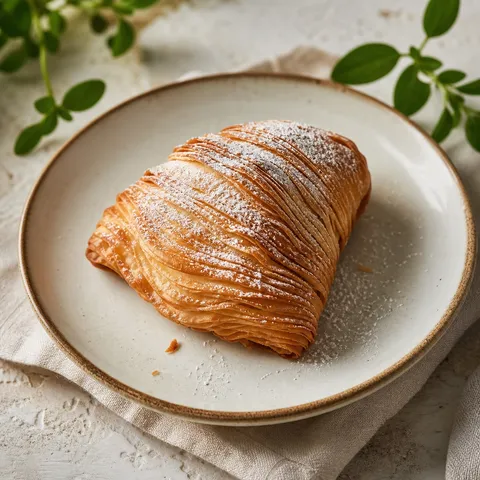 Italian Lens Verified Images are for illustrative purposes only, may be inaccurate, and do not guarantee the presence or absence of specific ingredients.
 Sfogliatella
Naples' iconic shell-shaped pastry with crisp, flaky layers wrapped around a sweet ricotta-semolina filling.
 Italian Lens Verified Images are for illustrative purposes only, may be inaccurate, and do not guarantee the presence or absence of specific ingredients.
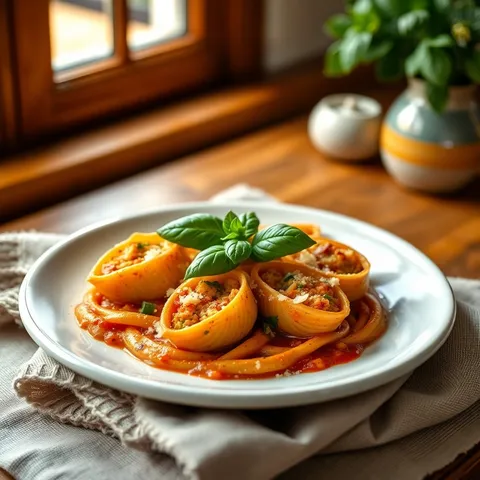
 Stuffed Shells (Conchiglioni Ripieni)
Jumbo pasta shells filled with a creamy ricotta-spinach mixture and baked in tomato sauce.
 Italian Lens Verified Images are for illustrative purposes only, may be inaccurate, and do not guarantee the presence or absence of specific ingredients.
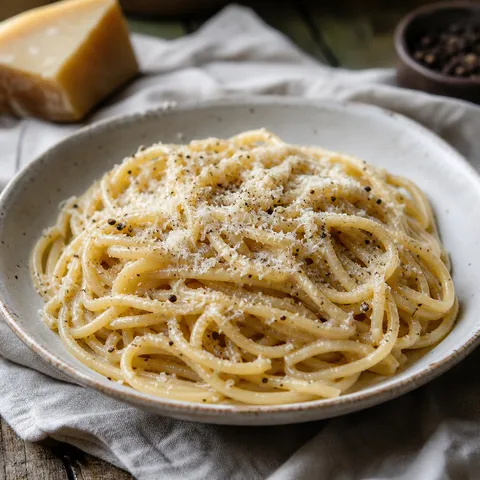
 Cacio e Pepe
A minimalist Roman pasta dish literally meaning "cheese and pepper."