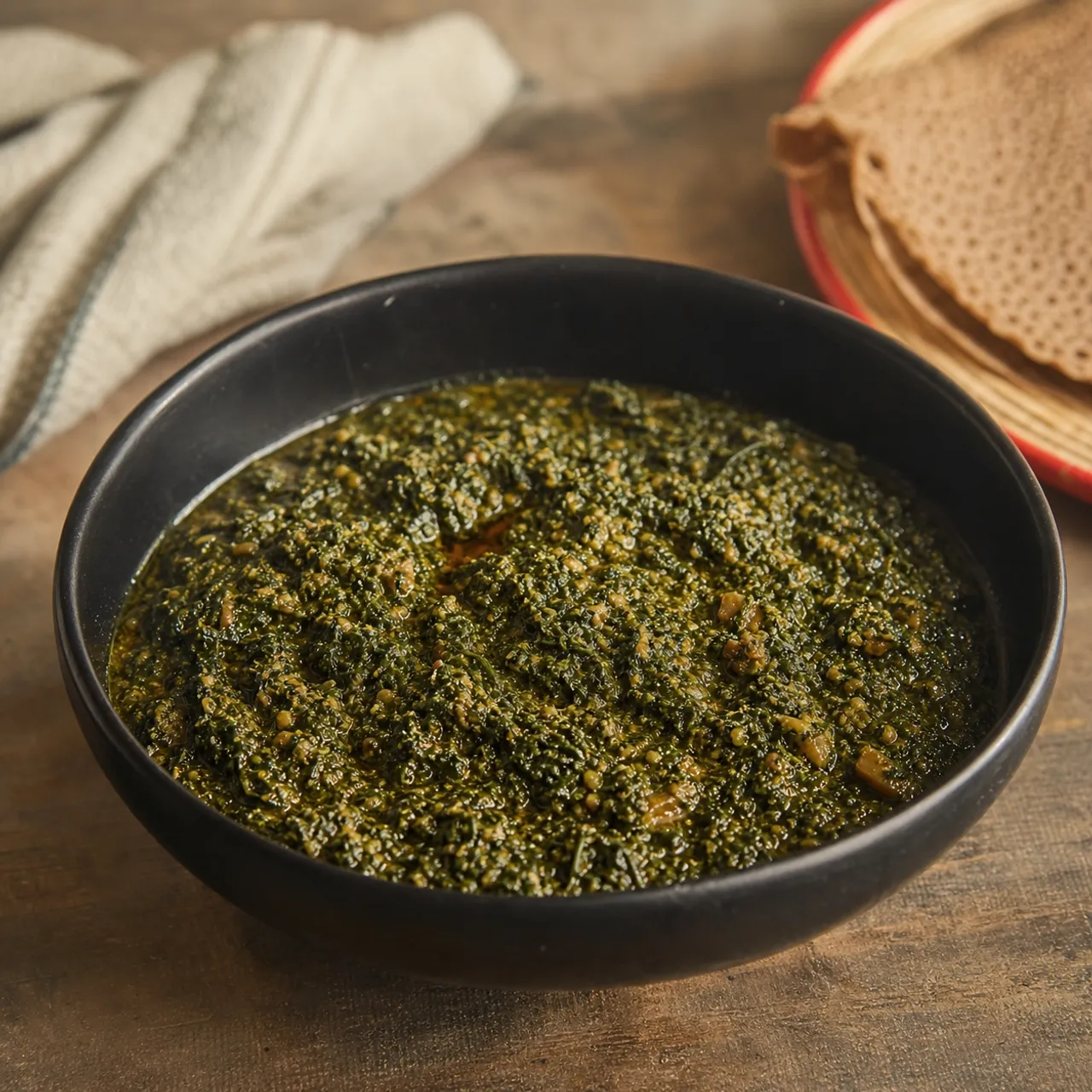
 East African Images are for illustrative purposes only, may be inaccurate, and do not guarantee the presence or absence of specific ingredients.
 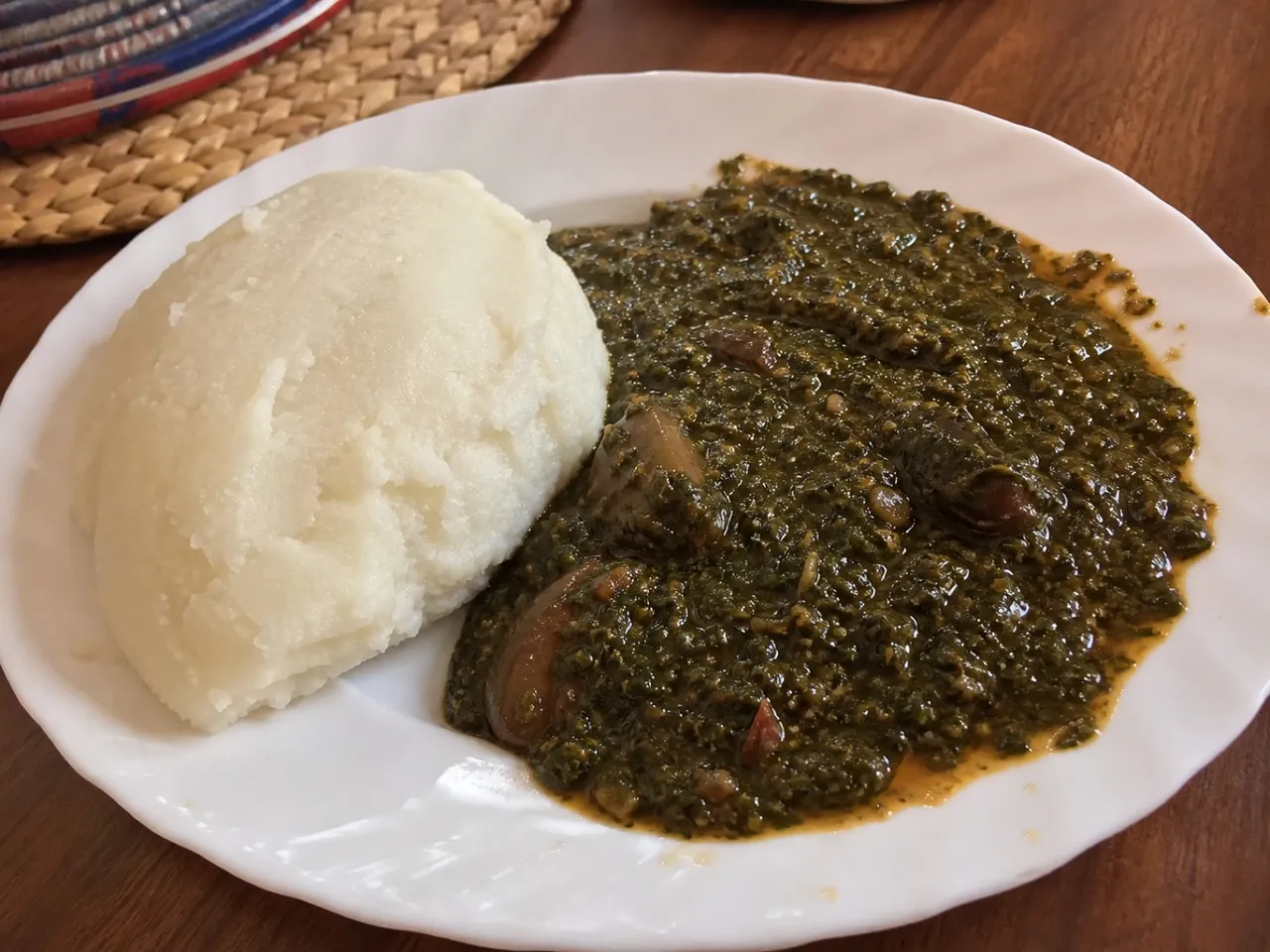 Serving Images are for illustrative purposes only, may be inaccurate, and do not guarantee the presence or absence of specific ingredients.
 Isombe
Rwandan cassava leaves slowly pounded and simmered with onion, eggplant, and peanuts into a rich, earthy green stew — deeply comforting and full of layered flavor.
Contains common allergens
In the app, Listahan checks these against your household automatically.
Instructions
8 steps- 1
If using fresh cassava leaves, pound them thoroughly with a mortar and pestle or pulse in a food processor until finely broken down into a coarse, paste-like texture.
- 2
Place the pounded leaves in a large pot with the water and bring to a simmer.
- 3
Cover and cook over low heat for 45 minutes to 1 hour, stirring occasionally, until the leaves are very tender and have lost their raw, grassy edge.
- 4
In a separate pan, heat the palm oil and saute the onion for 5 to 7 minutes until soft, then add the garlic and ginger and cook for 1 minute.
- 5
Add the diced eggplant and cook for 8 to 10 minutes until softened.
- 6
Stir the sauteed vegetables and groundnut paste into the pot of cassava leaves, mixing well to combine.
- 7
Simmer uncovered for another 20 to 25 minutes, stirring often, until the stew is thick, deeply savory, and the oil begins to separate slightly at the surface.
- 8
Season with salt to taste and serve hot with rice, ugali, or plantains.
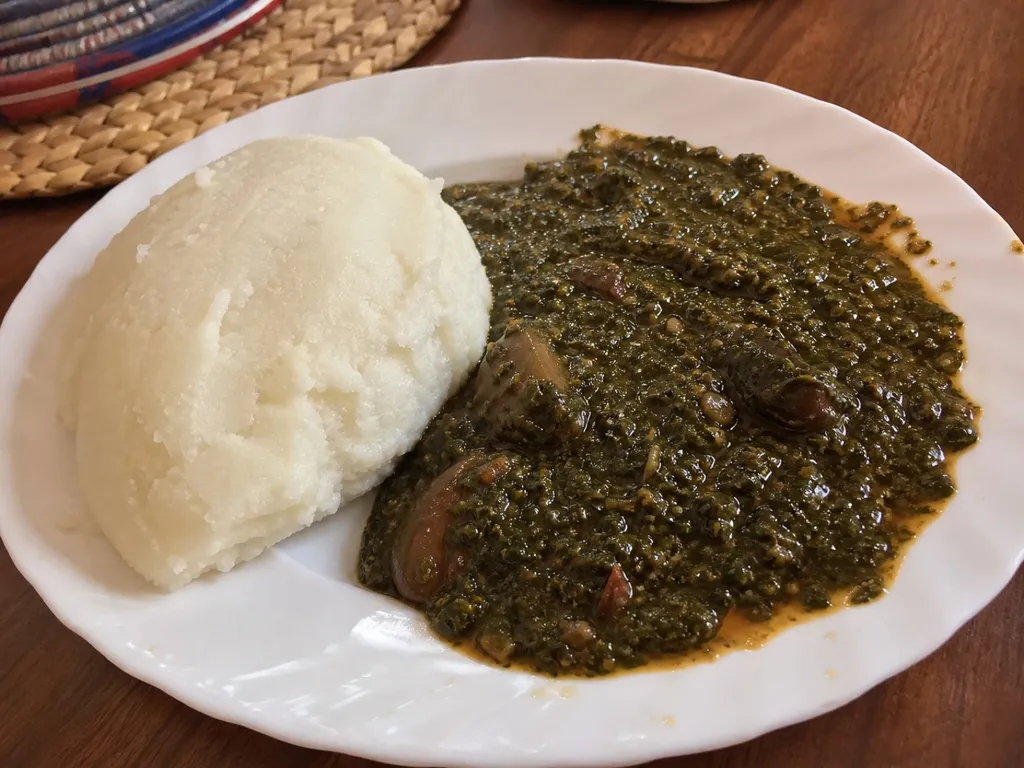 Images are for illustrative purposes only, may be inaccurate, and do not guarantee the presence or absence of specific ingredients.
 Listahan Family Score™
79/100
Good fit for most families
Score reflects how well this recipe fits a typical busy household. In the app, your Family Score is personalized to your household's allergens, kids, and pantry.
Nutrition
per serving335
Calories
9 g
Protein
11 g
Carbs
30 g
Fat
Estimated per serving. Actual values depend on the brands and portions you use.
Listahan cooking guide
Chef notes & practical guide
Technique notes, ingredient swaps, serve-alongside ideas, storage guidance, and equipment for this recipe.
Cultural context
Isombe is a traditional Rwandan dish made from pounded cassava leaves cooked slowly with peanut butter and palm oil until they become a thick, dark green stew. Cassava leaves are a staple vegetable across Central and East Africa, providing greens in a region where fresh vegetables can be seasonal or scarce. The dish is central to Rwandan cuisine and closely related to similar preparations in Burundi and the Democratic Republic of Congo, reflecting the shared food culture of the Great Lakes region.
Listahan note
This version builds the peanut butter in at the end of cooking rather than the beginning, which prevents scorching and allows the cassava leaves to soften fully before the sauce thickens around them.
Technique cues
- Cassava leaves contain cyanogenic compounds when raw and must be cooked for at least 45 minutes to an hour to neutralize them; fresh leaves require even longer cooking than dried or frozen, which are pre-processed for safety.
- Palm oil is not just a fat here but a flavor component; its distinctive earthy, slightly fruity taste is characteristic of isombe, and substituting neutral oil produces a noticeably blander result.
- Natural peanut butter (with no additives) emulsifies more cleanly into the cooking liquid than commercial peanut butter with stabilizers; stir it in gradually off heat so it integrates without seizing into clumps.
Kitchen flow
- Parallel prep
- If using fresh cassava leaves, begin pounding or chopping them first as it is the most time-consuming step; dice onions and measure spices while they rest.
- Make-ahead
- Isombe tastes better the next day as the flavors meld; make a full batch and refrigerate for up to 4 days.
- Leftover move
- Thin leftover isombe with a little water and use it as a thick, savory sauce over rice or ugali for a quick next-day meal.
- Cleanup rhythm
- Palm oil can stain surfaces and cloths; deglaze the pot with hot water immediately after serving and soak before washing.
Ingredient brief
Role, handling, and swap guidance for each key ingredient.
Cassava leaves
primary vegetable
Purpose: Cassava leaves are the entire body of the dish; they soften into silky, deeply flavored strands during the long cook that no other green replicates.
Handling: If using fresh leaves, strip them from the thick stem and pound or chop very finely; if using dried or frozen, rehydrate in warm water first.
Adaptation: Frozen chopped spinach or collard greens are the most accessible substitutes and cook faster, though the flavor is milder.
peanut butter
thickener and protein
Purpose: Peanut butter thickens the stew and provides richness and protein, making isombe a complete dish rather than a simple side.
Handling: Stir the peanut butter vigorously with a small amount of cooking water before adding to the pot so it loosens to a pourable consistency and integrates smoothly.
Adaptation: Tahini or sunflower seed butter can replace peanut butter for a nut-free version with a different but still earthy flavor.
palm oil
flavoring fat
Purpose: Red palm oil gives isombe its characteristic deep color and earthy, slightly fruity aroma that is unmistakably Central African.
Handling: Add palm oil at the beginning of cooking with the onion and aromatics so its flavor blooms before the greens go in.
Adaptation: Unrefined coconut oil plus a small amount of smoked paprika approximates the color and some of the earthiness for those who cannot find palm oil.
Technique notes
- Season with onion, garlic, and salt at the very beginning of cooking so the aromatics have time to sweeten and meld with the palm oil before the leaves absorb everything.
- The finished isombe should be thick enough to hold its shape briefly when spooned; if too watery, cook uncovered for the last 10 minutes to reduce the liquid.
- A small amount of dried smoked fish (like smoked mackerel or stockfish) simmered with the leaves is traditional in many households and adds a depth of umami that makes the dish more complex.
Ingredient swaps
- Nut-free direction
- Replace peanut butter with sunflower seed butter for a similar thickening effect and creamy richness without tree nuts or peanuts.
- Vegan direction
- Isombe is naturally vegan; omit any smoked fish additions and ensure the stock used (if any) is vegetable-based.
Serve alongside
- ugali (stiff maize porridge) for scooping
- steamed white rice
- fried plantains (very ripe, sweet)
- cold Rwandan Primus beer or any light lager
- passion fruit juice or hibiscus iced tea
Serving suggestions only — check pairings for your household's allergens.
Storage & reheating
- Refrigerate in an airtight container for up to 4 days; the flavors improve significantly after the first day.
- Reheat on the stovetop over low heat with 2-3 tablespoons of water stirred in; the peanut butter can make the stew seize when reheated dry.
- Freeze in portions for up to 2 months; thaw overnight in the fridge and reheat gently with added water.
Equipment
- large heavy-bottomed pot or Dutch oven
- wooden spoon
- mortar and pestle or food processor if using fresh cassava leaves
Make this household-aware
Listahan Pro checks this recipe against your household's allergens, finds pantry-aware swaps, builds the shopping list, and helps you plan the week around it.
Plan it in Listahan
Add Isombe to your week, check it against your household's allergens, and build the shopping list automatically.
More East African recipes
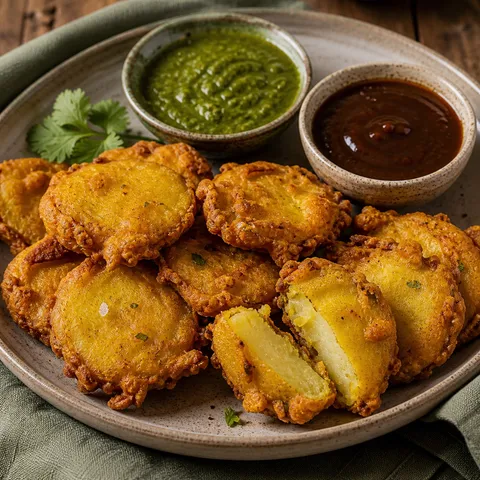 East African Lens Verified Images are for illustrative purposes only, may be inaccurate, and do not guarantee the presence or absence of specific ingredients.
 Viazi Karai
A Zanzibari street favorite of soft boiled potatoes coated in a turmeric-yellow batter and deep-fried until crackling, served with fiery tamarind sauce.
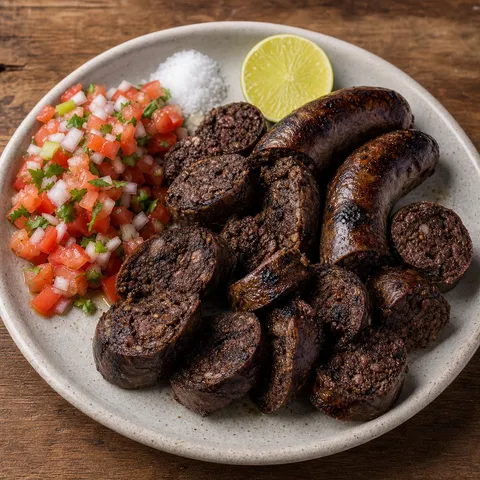 East African Lens Verified Images are for illustrative purposes only, may be inaccurate, and do not guarantee the presence or absence of specific ingredients.
 Mutura
Kenyan spiced blood sausage stuffed with meat, onion, and herbs, then grilled until the casing crisps and snaps — a bold, smoky roadside delicacy.
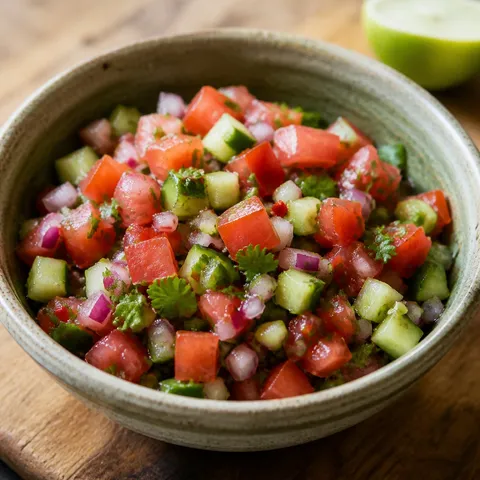 East African Lens Verified Images are for illustrative purposes only, may be inaccurate, and do not guarantee the presence or absence of specific ingredients.
 Kachumbari
Bright, refreshing salad of ripe tomatoes and sharp raw onion, spiked with chili and lime — the cool, crisp counterpoint to rich East African grills.