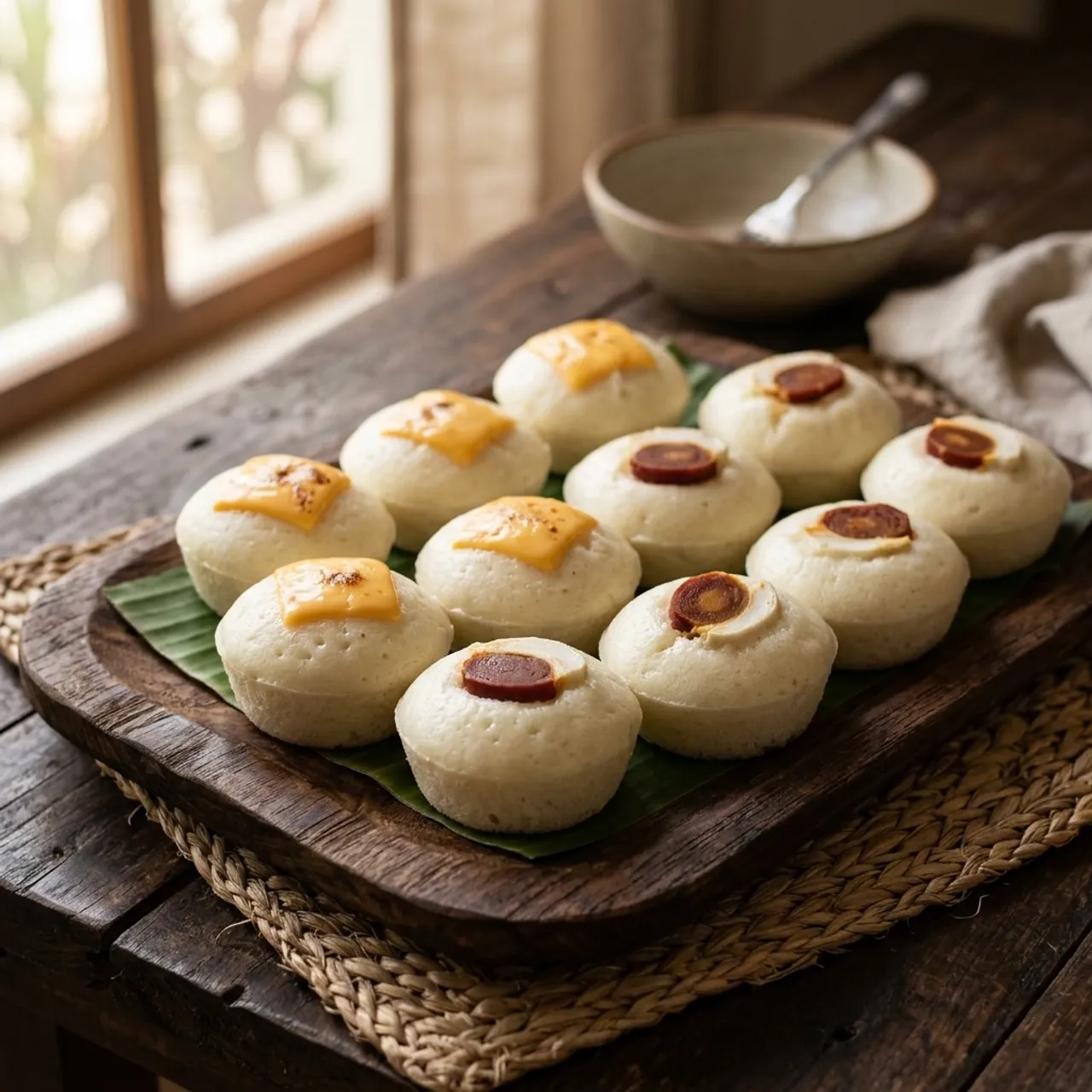
 Filipino Images are for illustrative purposes only, may be inaccurate, and do not guarantee the presence or absence of specific ingredients.
 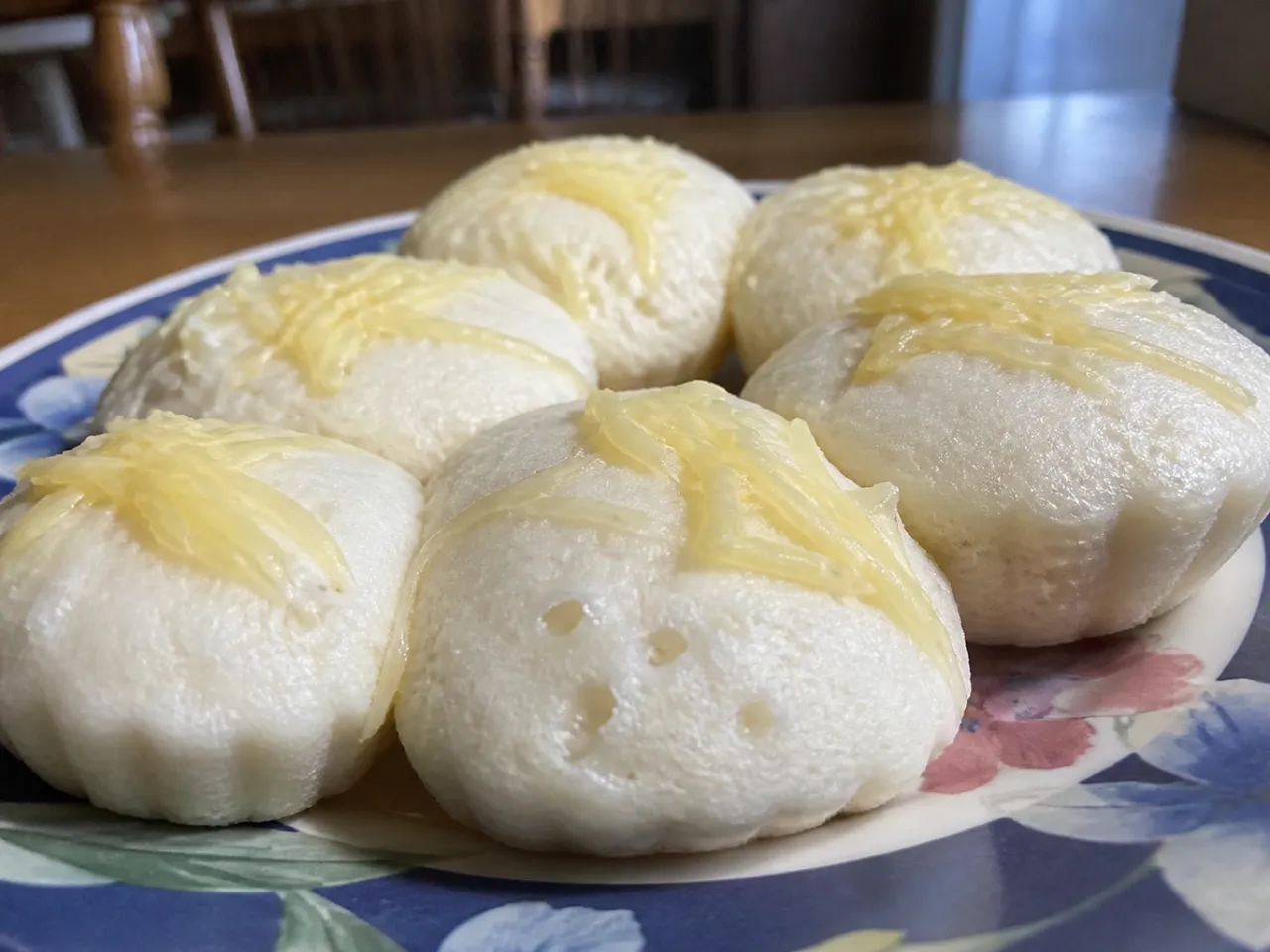 Serving Images are for illustrative purposes only, may be inaccurate, and do not guarantee the presence or absence of specific ingredients.
 Puto
Soft, steamed rice cakes often served alongside savory dishes like Dinuguan.
Contains common allergens
In the app, Listahan checks these against your household automatically.
Good to know
- Ready in under 30 minutes
Matched from this dish's own ingredients and timing. Browse more: 30-minute meals
Instructions
6 steps- 1
Prepare the Steamer: Fill the bottom of a steamer with water and bring it to a rolling boil. Wrap the steamer lid with a kitchen towel to prevent water from dripping onto the puto.
- 2
Mix Dry Ingredients: In a large bowl, whisk together the flour, sugar, baking powder, and salt.
- 3
Add Wet Ingredients: Gradually whisk in the evaporated milk, water, melted butter, and beaten eggs. Stir just until the batter is smooth and well-combined; do not overmix.
- 4
Fill the Molds: Pour the batter into lightly greased puto molds or silicone cups, filling each about 3/4 full to allow room for rising.
- 5
Steam: Place the molds in the steamer. Steam over medium heat for 10 minutes.
- 6
Add Cheese and Finish: Quickly open the lid, place a strip of cheese on top of each puto, and cover again. Steam for an additional 2-3 minutes until the cheese is slightly melted and a toothpick inserted comes out clean. Cool slightly before removing from molds.
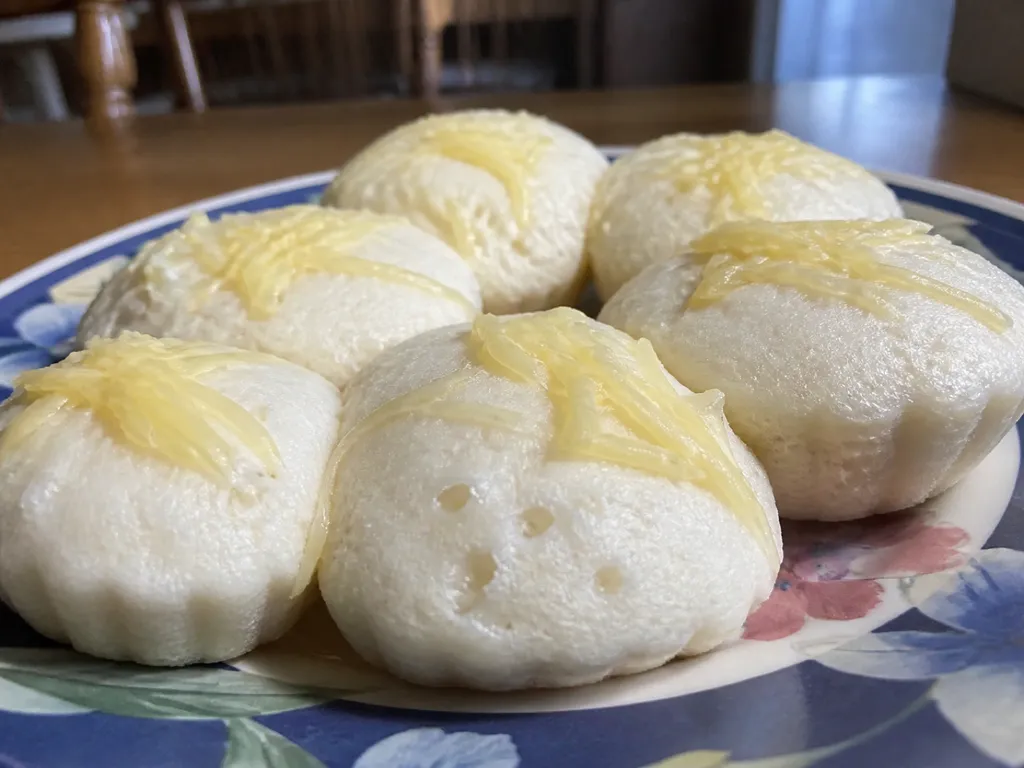 Images are for illustrative purposes only, may be inaccurate, and do not guarantee the presence or absence of specific ingredients.
 Listahan Family Score™
79/100
Good fit for most families
Score reflects how well this recipe fits a typical busy household. In the app, your Family Score is personalized to your household's allergens, kids, and pantry.
Nutrition
per serving705
Calories
17 g
Protein
106 g
Carbs
24 g
Fat
Estimated per serving. Actual values depend on the brands and portions you use.
Listahan cooking guide
Chef notes & practical guide
Technique notes, ingredient swaps, serve-alongside ideas, storage guidance, and equipment for this recipe.
Cultural context
Puto are steamed rice cakes, soft and slightly sweet, eaten as snacks or as a partner to savory dishes like dinuguan and pancit. They descend from South Indian steamed-rice traditions carried through trade and made thoroughly Filipino. Often crowned with a sliver of salted egg or cheese, they balance sweet and savory in one bite.
Listahan note
This version uses a quick batter with evaporated milk for tenderness and tops each cake with cheese, steaming them just until set for a fluffy crumb.
Technique cues
- Do not overmix the batter, or the cakes turn dense rather than airy.
- Keep the steam steady and wrap the lid so condensation does not drip onto the cakes.
- Add cheese partway through steaming so it sits on top without sinking.
Kitchen flow
- Parallel prep
- Grease the molds and ready the steamer before mixing, since the batter should not wait.
- Make-ahead
- Best fresh; the batter is quick, so steam close to serving.
- Leftover move
- Re-steam day-old puto briefly to restore softness.
- Cleanup rhythm
- Wash the molds and steamer while warm before batter dries on.
Ingredient brief
Role, handling, and swap guidance for each key ingredient.
Flour
Base
Purpose: Forms the structure of the soft steamed cake.
Handling: Sift with the leavening for an even, lump-free batter.
Adaptation: Rice flour gives a more traditional, slightly chewier texture.
Evaporated milk
Tenderizer
Purpose: Adds richness and keeps the crumb soft.
Handling: Stir in until just combined.
Adaptation: Coconut milk makes a dairy-free, fragrant version.
Baking powder
Leavening
Purpose: Gives puto its signature fluffy rise.
Handling: Use fresh baking powder and do not let the batter sit too long.
Adaptation: There is no good substitute; freshness matters most.
Cheddar cheese
Savory topping
Purpose: Adds a salty-savory contrast to the sweet cake.
Handling: Cut into thin strips and place on top partway through steaming.
Adaptation: Salted egg is the classic alternative; omit for plain puto.
Technique notes
- Mix only until combined; overmixing deflates the rise.
- Wrap the steamer lid in a cloth so drips do not pock the tops.
- Steam just until a pick comes out clean; overcooked puto turns rubbery.
Ingredient swaps
- Dairy-free direction
- Use coconut milk and skip the cheese for a fragrant dairy-free cake.
- Traditional direction
- Use rice flour and top with salted egg instead of cheese.
- Lower-sugar direction
- Reduce the sugar slightly for a more savory partner to dinuguan.
Serve alongside
- Dinuguan
- Pancit
- Salted egg
- Grated coconut
- Hot tea
- Hot chocolate (tablea)
- Coffee
Serving suggestions only — check pairings for your household's allergens.
Storage & reheating
- Store at room temperature for a day or refrigerate up to 3 days.
- Re-steam briefly to restore the soft texture.
- Freeze up to 1 month; thaw and re-steam before serving.
Equipment
- Steamer
- Puto molds or small cups
- Mixing bowl
- Cloth for the lid
Make this household-aware
Listahan Pro checks this recipe against your household's allergens, finds pantry-aware swaps, builds the shopping list, and helps you plan the week around it.
Plan it in Listahan
Add Puto to your week, check it against your household's allergens, and build the shopping list automatically.
More Filipino recipes
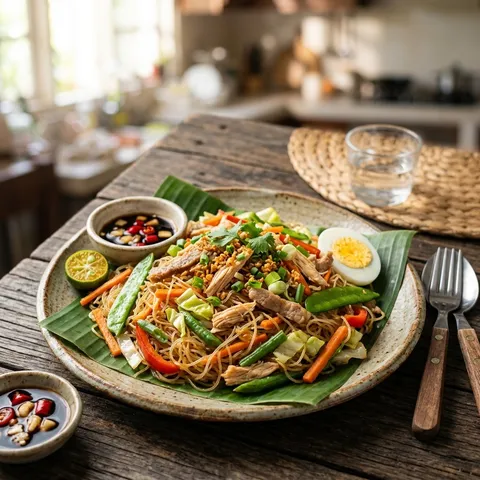 Filipino Lens Verified Images are for illustrative purposes only, may be inaccurate, and do not guarantee the presence or absence of specific ingredients.
 Pancit Bihon
Thin rice vermicelli stir-fried with chicken, shrimp, and vegetables in a savory soy-citrus sauce, a fixture at every Filipino celebration.
 Filipino Lens Verified Images are for illustrative purposes only, may be inaccurate, and do not guarantee the presence or absence of specific ingredients.
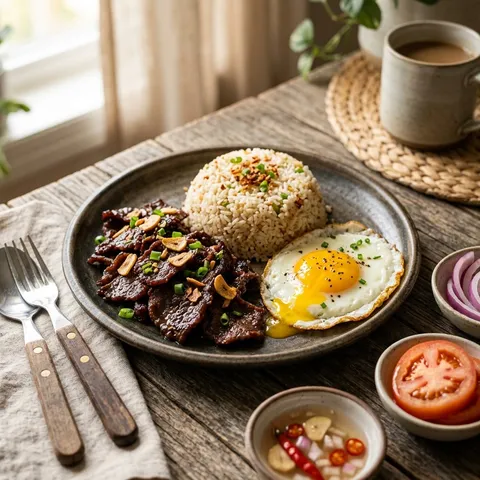
 Tapsilog
A hearty breakfast combo of marinated beef (tapa), garlic fried rice (sinangag), and a fried egg (itlog).
 Filipino Lens Verified Images are for illustrative purposes only, may be inaccurate, and do not guarantee the presence or absence of specific ingredients.
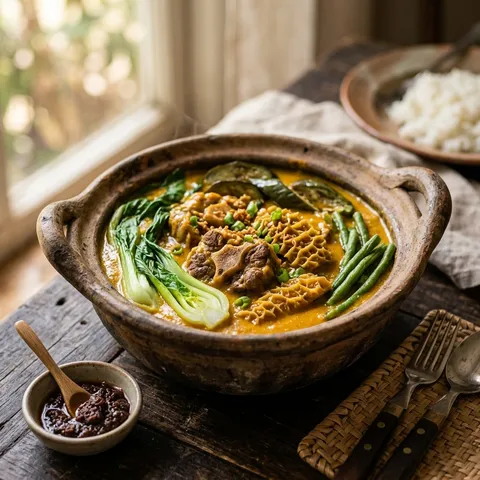
 Kare-Kare
A rich peanut stew typically made with oxtail and vegetables, served with shrimp paste.