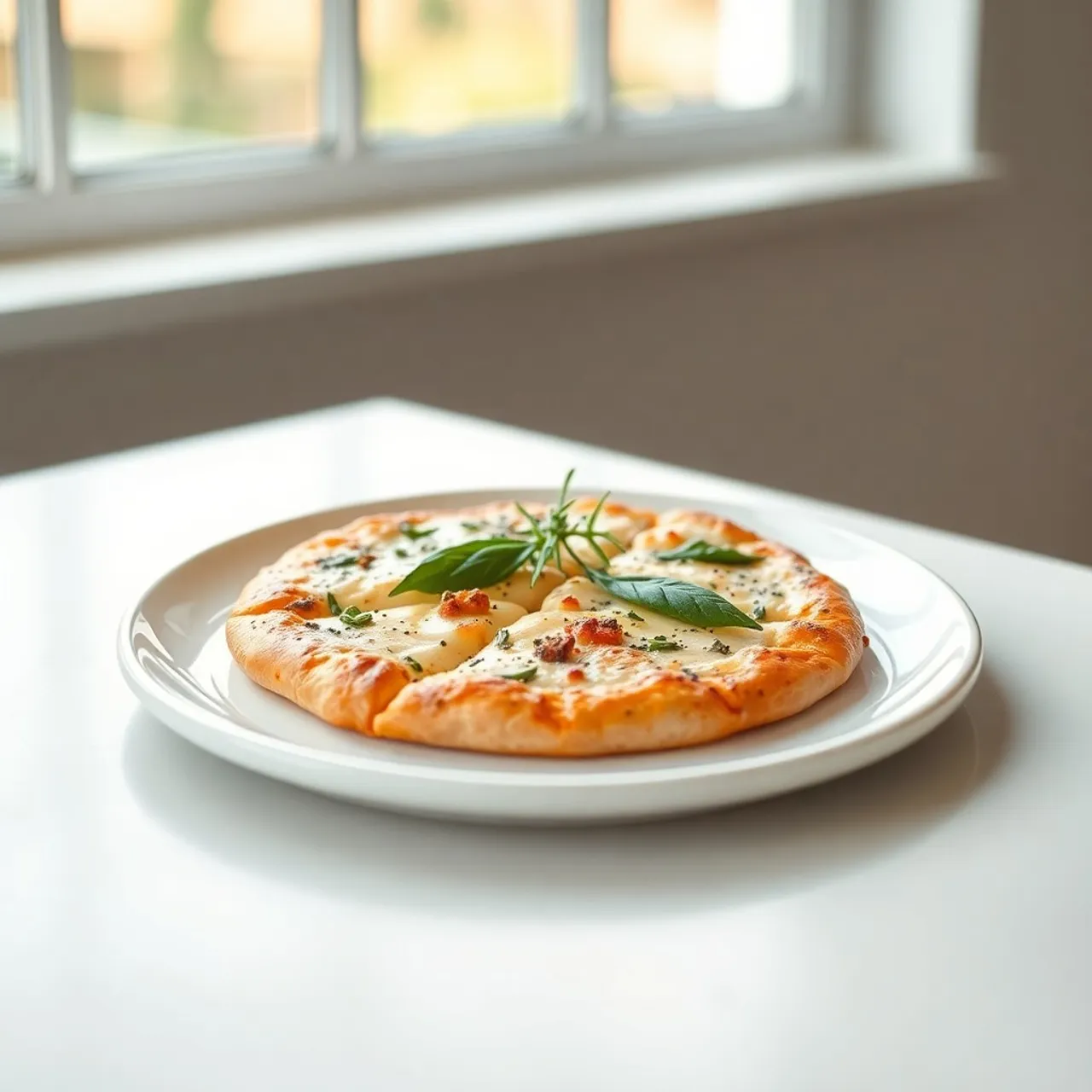
 Breads Images are for illustrative purposes only, may be inaccurate, and do not guarantee the presence or absence of specific ingredients.
 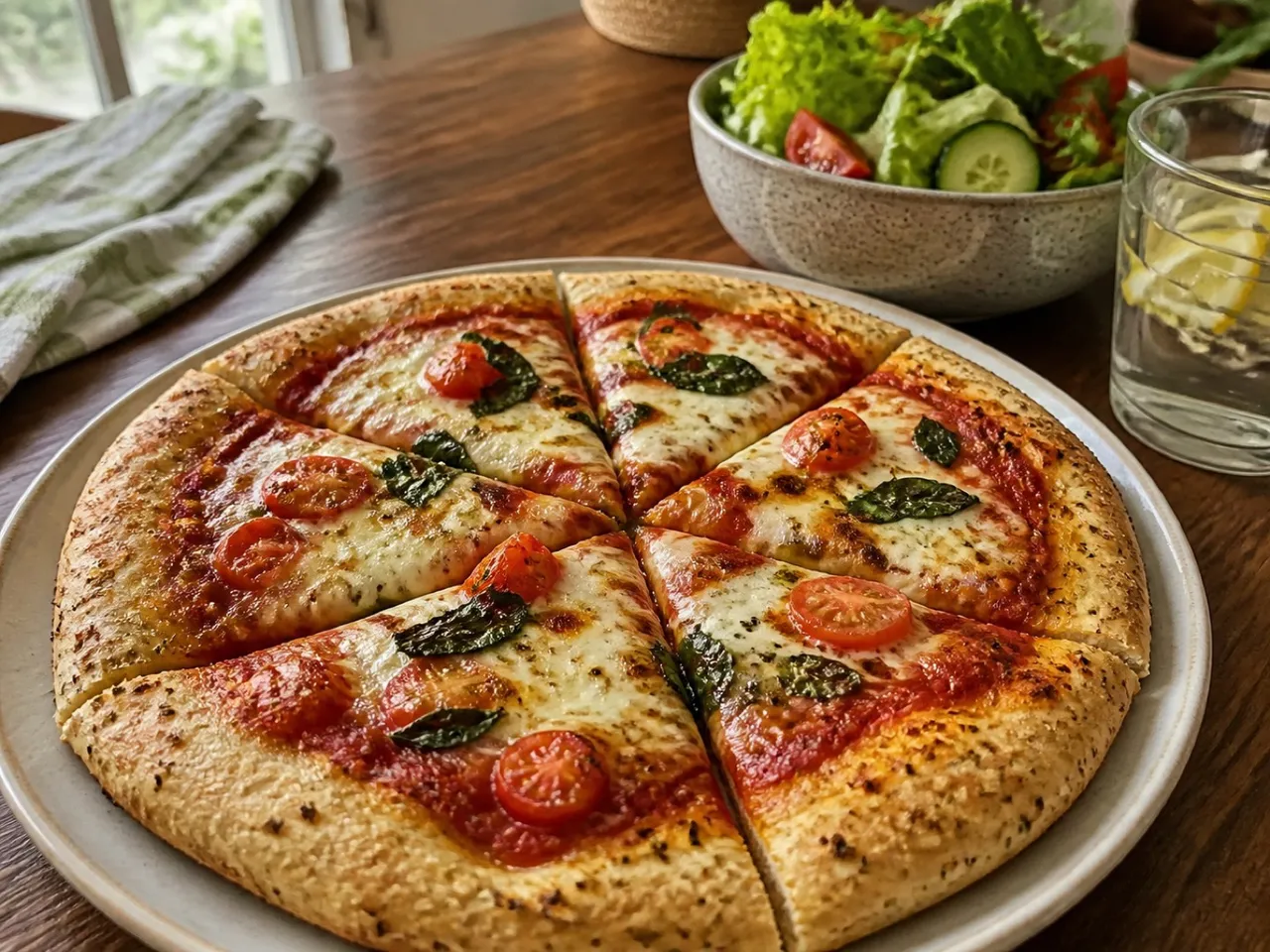 Serving Images are for illustrative purposes only, may be inaccurate, and do not guarantee the presence or absence of specific ingredients.
 Herbed Pizza Crust
A fragrant, herb-flecked homemade pizza crust ready for your favorite toppings.
Contains common allergens
In the app, Listahan checks these against your household automatically.
Instructions
7 steps- 1
In a large bowl, dissolve the yeast and sugar in the warm water and let stand 5-10 minutes until foamy.
- 2
Add the all-purpose flour, bread flour, salt, rosemary, oregano, black pepper, and thyme. Stir to form a shaggy dough, then knead on a floured surface for 8-10 minutes until smooth and elastic.
- 3
Place the dough in a lightly oiled bowl, cover with a towel, and let rise in a warm place until doubled, about 1 hour.
- 4
Punch down the dough and let it rest 2-3 minutes. Pat and gently stretch it from the edges until it forms a 12-14 inch round, resting a few minutes more if it resists.
- 5
Spray a 12-14 inch pizza pan with cooking spray and sprinkle with the cornmeal. Press the dough into the pan, cover with a towel, and let stand in a warm place for 10 minutes.
- 6
Position an oven rack in the lowest position and preheat to 500°F (260°C). Prick the crust all over with a fork at 2-inch intervals and bake 4-5 minutes, until the top is dry but not yet golden.
- 7
Remove from the oven, add your toppings, and bake again following your topping recipe's directions until the crust is golden and the toppings are bubbling.
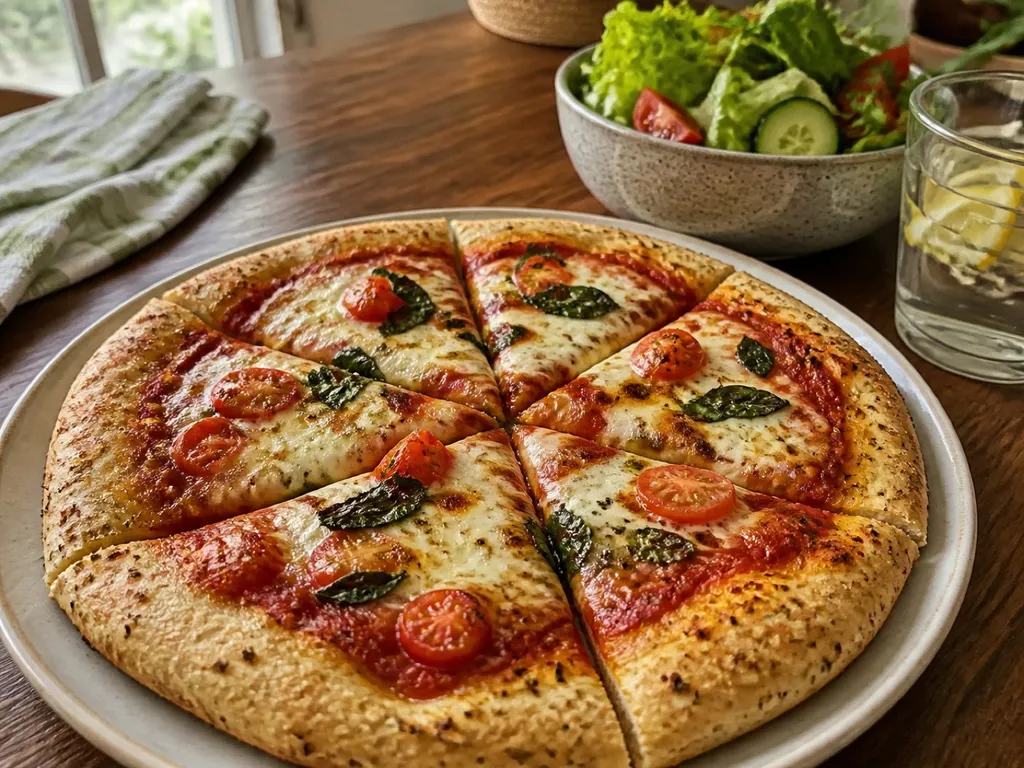 Images are for illustrative purposes only, may be inaccurate, and do not guarantee the presence or absence of specific ingredients.
 Listahan Family Score™
79/100
Good fit for most families
Score reflects how well this recipe fits a typical busy household. In the app, your Family Score is personalized to your household's allergens, kids, and pantry.
Nutrition
per serving395
Calories
11 g
Protein
84 g
Carbs
1 g
Fat
Estimated per serving. Actual values depend on the brands and portions you use.
Listahan cooking guide
Chef notes & practical guide
Technique notes, ingredient swaps, serve-alongside ideas, storage guidance, and equipment for this recipe.
Cultural context
Pizza crust traces back to the flatbreads of Naples, where bakers learned that a slow-fermented wheat dough develops both flavor and the chew that defines a good slice. Folding dried or fresh herbs directly into the dough is a home-cook adaptation common across Italian-American kitchens, turning a plain base into something fragrant on its own. The herbs perfume the crust from the inside so the edges taste seasoned even where there is no sauce or cheese.
Listahan note
This version builds flavor into the dough itself with herbs and a slow rise, so the crust holds its own under any topping. It is shaped by hand for an irregular, blistered edge rather than a uniform machine-pressed round.
Technique cues
- Let the dough ferment slowly in the fridge overnight if you can, because the long rise develops a deeper, slightly tangy flavor that fresh-mixed dough never reaches.
- Stretch the dough by hand from the center outward and leave the rim untouched, so trapped air puffs into a blistered, airy cornicione.
- Bake on a preheated stone or steel at the highest oven setting so the bottom crisps before the top dries out.
Kitchen flow
- Parallel prep
- While the dough rises, prep your sauce and toppings and get the oven and stone fully preheated.
- Make-ahead
- Mix the dough a day ahead and cold-ferment it in the fridge, which improves flavor and spreads out the work.
- Leftover move
- Stretch extra dough thin, brush with oil and herbs, and bake it into a quick herbed flatbread for dipping.
- Cleanup rhythm
- Scrape the bowl and counter with a bench scraper while the crust bakes, and soak any sticky tools right away.
Ingredient brief
Role, handling, and swap guidance for each key ingredient.
bread flour
chew and structure
Purpose: Its higher protein builds the gluten network that gives pizza crust its signature stretch and chew.
Handling: Whisk it with the salt and herbs before adding water so seasoning distributes evenly.
Adaptation: All-purpose flour works for a softer, less chewy crust; add a spoon of vital wheat gluten to close the gap.
active dry yeast
leavening and flavor
Purpose: It ferments the dough, producing the gas that lifts the crust and the byproducts that deepen its flavor.
Handling: Bloom it in warm, not hot, water so you do not kill the yeast before it works.
Adaptation: Instant yeast can be mixed straight into the flour without blooming and works one to one.
dried Italian herbs
aromatic backbone
Purpose: Oregano, basil, and thyme folded into the dough season the crust from within so even the bare edges taste of pizza.
Handling: Crush the dried herbs between your fingers as you add them to release more aroma.
Adaptation: Use double the amount of finely chopped fresh herbs, or a single herb like rosemary for a sharper note.
olive oil
tenderness and browning
Purpose: It softens the crumb slightly and helps the crust brown and crisp at high heat.
Handling: Add it after the flour has hydrated so the gluten can still form properly.
Adaptation: A neutral oil works in a pinch, though you lose the fruity flavor olive oil brings.
salt
flavor and gluten control
Purpose: It seasons the dough and tightens the gluten so the crust has structure rather than slackness.
Handling: Keep it from touching the yeast directly during mixing, as concentrated salt can slow fermentation.
Adaptation: Fine sea salt and table salt are interchangeable here by weight.
Technique notes
- Stretch rather than roll the dough, since a rolling pin presses out the air bubbles that make the crust light.
- Slide the topped pizza onto the hot stone with a well-floured peel in one confident motion so it does not stick or fold.
- Finish with a drizzle of olive oil and a pinch of fresh herbs right after baking to lift the aroma.
Ingredient swaps
- Gluten-free direction
- Use a gluten-free bread flour blend with a binder like psyllium husk and expect a softer, less stretchy crust.
- Weeknight shortcut
- Use instant yeast and a warm one-hour rise instead of an overnight ferment when time is tight.
- Whole-grain direction
- Swap up to a third of the bread flour for whole wheat and add a touch more water to keep it supple.
Serve alongside
- Arugula salad with lemon
- Marinated olives
- Roasted red pepper antipasto
- Garlic-knot bites from extra dough
- Sangiovese red wine
- Sparkling water with lemon
- Italian amber lager
Serving suggestions only — check pairings for your household's allergens.
Storage & reheating
- Wrap baked crust tightly and refrigerate for up to three days, reheating on a hot stone or skillet to recrisp the bottom. Raw dough balls keep in the fridge for up to three days or freeze for two months; thaw overnight before stretching. Avoid the microwave, which makes the crust tough and rubbery.
Equipment
- Pizza stone or steel
- Pizza peel
- Bench scraper
- Large mixing bowl
Make this household-aware
Listahan Pro checks this recipe against your household's allergens, finds pantry-aware swaps, builds the shopping list, and helps you plan the week around it.
Plan it in Listahan
Add Herbed Pizza Crust to your week, check it against your household's allergens, and build the shopping list automatically.
More Breads recipes
Rice Crust for Quiches or Pies
A simple pressed crust made from cooked rice that holds savory quiche and pie fillings beautifully.
 Breads Lens Verified Images are for illustrative purposes only, may be inaccurate, and do not guarantee the presence or absence of specific ingredients.
 Kentucky Biscuits
Tall, flaky Southern-style biscuits with a tender crumb, perfect with butter and jam.
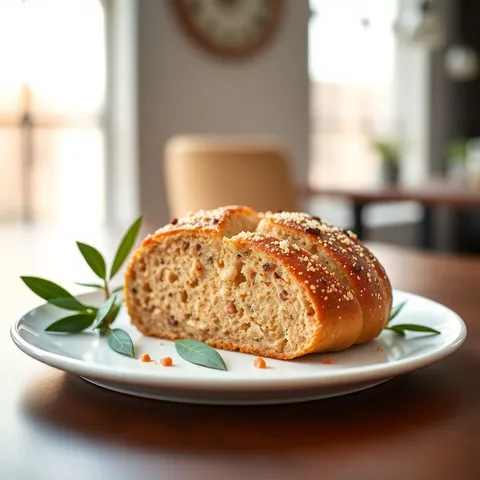 Breads Lens Verified Images are for illustrative purposes only, may be inaccurate, and do not guarantee the presence or absence of specific ingredients.
 Bread Machine Sage-Wheat Bread
A fragrant whole-wheat loaf scented with sage and a hint of cornmeal, made effortlessly in a bread machine.